Can a Betta Fish Survive Without a Heater
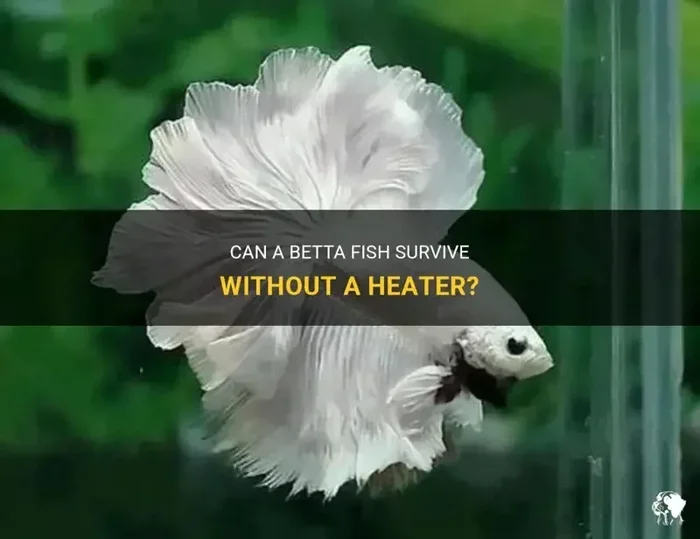
Can a betta fish survive without a heater? Yes, but only under specific conditions. Betta fish are tropical creatures that need warm water between 76–82°F to stay healthy. While they can tolerate slightly cooler temperatures for short periods, prolonged exposure to cold water weakens their immune system and leads to serious health problems. This guide covers everything you need to know about keeping your betta comfortable without a heater.
Many betta fish owners wonder about cutting costs or simplifying their setup. The question can a betta fish survive without a heater comes up often in online forums and pet stores. The short answer is yes, but there are important conditions and risks you should understand before making that choice.
Betta fish originally come from the warm, shallow waters of Southeast Asia. They thrive in tropical temperatures that stay consistent year-round. Removing a heater from their tank changes their environment in ways that can affect their health, lifespan, and behavior. Let us walk through everything you need to know.
Whether you are a new betta owner or looking to simplify your aquarium setup, understanding betta fish temperature needs is the foundation of good care. This article breaks down the science, the risks, and the practical steps you can take if you choose to keep your betta without a heater.
Key Takeaways
- Betta fish can survive without a heater in warm rooms (76°F and above) but need monitoring.
- Cold water slows down a betta’s metabolism, making them lethargic and prone to illness.
- Signs of cold stress include clamped fins, loss of appetite, and faded colors.
- Room temperature matters a lot — if your home stays warm, a heater may not be essential.
- Alternative warming methods like placing the tank in a warm spot can help maintain temperature.
- Long-term heaterless keeping is risky and not recommended for most fish keepers.
- A stable temperature is more important than having a heater or not having one.
📑 Table of Contents
- What Happens When a Betta Fish Lives Without a Heater
- Signs Your Betta Fish Is Too Cold
- How to Keep Your Betta Warm Without a Heater
- When Does a Betta Fish Absolutely Need a Heater
- Heaterless Betta Keeping: The Realistic Picture
- Common Mistakes People Make With Heaterless Betta Tanks
- Quick Tips for Heater-Free Betta Care
- Final Thoughts on Keeping a Betta Without a Heater
What Happens When a Betta Fish Lives Without a Heater
When you remove a heater from a betta tank, the water temperature starts to follow the room temperature. In a warm room, this might not cause problems. But in a cooler environment, the water can drop to dangerous levels fast. Let us look at what happens inside your betta’s body when the temperature drops.
How Cold Water Affects Betta Fish Biology
Betta fish are warm water fish. Their bodies function best when the water stays between 76°F and 82°F. When the temperature drops below 74°F, several things start to happen:
- Metabolism slows down. Your betta moves less and eats less. This might look like relaxation, but it is actually stress.
- The immune system weakens. A cold betta cannot fight off bacteria, fungi, or parasites as effectively.
- Digestion becomes sluggish. Food sits undigested in the gut, which can lead to bloating and constipation.
- Oxygen levels change. Cold water holds more dissolved oxygen, but a sluggish betta may not swim up to access it.
These effects build up over time. A single cold night might not hurt your fish. But weeks of low temperatures can cause lasting damage. If you are serious about keeping your betta healthy without a heater, you need to monitor the water temperature every single day.
Can a Betta Fish Survive Without a Heater in Cold Water?
The honest answer is: it depends on how cold. A betta in a room that stays around 75°F will be fine for a long time. A betta in a room that drops to 65°F at night is in serious danger. Can betta fish need a heater in colder climates? Absolutely. The key is knowing your room temperature and what it means for your fish.
Some experienced fish keepers in tropical climates successfully keep bettas without heaters. Their room temperatures naturally stay in the ideal range. But if you live somewhere with cold winters or air-conditioned rooms, going heaterless is a gamble you should not take lightly.
Signs Your Betta Fish Is Too Cold
Betta fish are good at hiding discomfort. By the time you notice obvious signs, the cold may have already been affecting them for a while. Watch for these warning signals:
- Clamped fins. Your betta holds its fins close to its body instead of spreading them out. This is one of the earliest signs of cold stress.
- Lethargy. Your betta stays at the bottom of the tank and barely moves. A healthy betta is curious and active.
- Loss of appetite. If your betta ignores food it normally eats eagerly, the temperature might be the problem.
- Faded colors. Cold water drains the vibrancy from a betta’s scales. Their colors become dull and washed out.
- Slow breathing. Watch the gills. A betta breathing slowly in cold water is conserving energy it does not have to spare.
- Disease outbreaks. Fungal infections, fin rot, and ich all become more likely when a betta’s immune system is compromised by cold.
If you notice any of these signs, raise the water temperature gradually. Do not add hot water or move the tank suddenly. A slow, steady increase gives your betta time to adjust. Even if you do not plan to buy a heater, catching cold stress early can prevent long-term harm.
How to Keep Your Betta Warm Without a Heater
If you have decided to skip the heater or cannot afford one right now, there are steps you can take to maintain a safe temperature for your betta. These methods work best in rooms that stay above 72°F. Here is what you can do:
Place the Tank in a Warm Spot
Where you put your betta tank matters more than most people realize. Avoid placing the tank near windows, drafty doors, or air conditioning vents. Instead, choose an interior wall away from temperature swings. A spot in your home that stays consistently warm throughout the day is ideal for a heaterless betta tank.
Use a Tank Lid to Retain Heat
Heat escapes from the surface of the water. A tight-fitting tank lid reduces evaporation and keeps warmth inside the tank. Just make sure the lid has small gaps or openings for air exchange. Your betta needs oxygen, and a completely sealed tank will suffocate your fish.
Consider a Small Tank Setup
Smaller tanks lose heat faster, but they also warm up more quickly when you adjust the room temperature. A 5-gallon tank in a warm room is easier to manage without a heater than a large 20-gallon tank. The trade-off is that small tanks have less temperature stability, so you need to check the water more often.
Monitor the Temperature Religiously
This is non-negotiable. You need a betta fish thermometer and you need to use it. Check the water temperature at least twice a day — once in the morning and once in the evening. Room temperatures often drop at night, and that is when your betta is most vulnerable.
If you are serious about this approach, read our guide on how to keep my betta fish warm without a heater for more detailed strategies and product alternatives.
When Does a Betta Fish Absolutely Need a Heater
There are situations where going without a heater is simply not safe. Understanding these scenarios helps you make the best decision for your fish. Here is when a heater becomes essential:
- Your room temperature drops below 72°F regularly. Even a few hours of cold water can stress your betta and weaken its immune system.
- You live in a climate with cold winters. Indoor heating helps, but thermostats often let rooms cool down at night. A heater provides a safety net.
- Your betta is recovering from illness. Sick fish need warm, stable water to heal. Removing a heater during recovery is risky.
- You keep your betta in a large tank. Larger volumes of water take longer to warm up and lose heat faster than small tanks.
- You want your betta to live a full, vibrant life. The average betta lifespan is 3 to 5 years. Cold water shortens that significantly. A heater helps your betta thrive, not just survive.
If any of these situations apply to you, investing in a small aquarium heater is the right move. You can find reliable heaters for under $15 that will keep your betta safe and comfortable year-round. A heater is not expensive when you consider the alternative — a sick or dead fish.
Some people also worry about can a heater kill a betta fish. The answer is yes, but only if the heater is set incorrectly or malfunctioning. A properly set heater at 78°F is one of the safest pieces of equipment in your tank. The risk comes from overheating, not from normal operation.
Heaterless Betta Keeping: The Realistic Picture
Let us be straightforward about this. Keeping a betta fish without a heater is possible, but it is not the ideal setup. Most aquarium experts and veterinarians recommend using a heater for betta tanks. Here is why:
A heater gives you temperature stability. Betta fish do not like sudden changes. Even a 2-degree drop overnight can cause stress. A heater maintains a consistent temperature so your fish can focus on being active, eating well, and showing off its colors instead of surviving.
Without a heater, you are relying on room temperature, which is unpredictable. Seasonal changes, air conditioning, open windows, and even your thermostat schedule all affect the water. A heater removes that uncertainty and gives you peace of mind.
If you still want to go heaterless, commit to the monitoring routine. Check the temperature daily. Watch your betta’s behavior closely. Have a backup plan — like a small heater you can turn on quickly — if the room gets too cold. Being prepared is the difference between a healthy betta and a stressed one.
For more information on how long your betta can handle temperature fluctuations, check out our article on can a betta fish live without a heater and can betta fish need a heater for deeper insights into temperature management.
Common Mistakes People Make With Heaterless Betta Tanks
Going without a heater is risky enough without adding avoidable mistakes to the mix. Here are the most common errors fish keepers make:
- Guessing the temperature instead of measuring it. Feel the water with your hand. It feels fine to you. But your betta might be living in water that is several degrees too cold. Always use a thermometer.
- Placing the tank near a heat source. Putting the tank on top of a TV or near a radiator creates hot spots and uneven temperatures. Your betta needs consistent warmth, not pockets of heat.
- Ignoring nighttime temperature drops. Many people check the temperature during the day when the room is warm. At night, the temperature can drop significantly. Check it before you go to bed.
- Thinking room temperature equals tank temperature. The water in your tank is a separate environment. It warms up and cools down differently than the air in your room. The two are connected but not the same.
- Skipping water changes. Cold water changes can shock your betta. Always match the temperature of new water to the tank water before adding it.
Avoiding these mistakes does not replace a heater, but it does reduce the risks if you choose to keep your betta without one.
Quick Tips for Heater-Free Betta Care
- Keep the room above 76°F at all times for the best results.
- Use a digital thermometer for accurate readings, not strip tests.
- Do a 25% water change weekly with temperature-matched water.
- Observe your betta daily for any changes in behavior or appearance.
- Keep a small backup heater on hand in case the room gets colder than expected.
- Avoid drafty areas like windows, doors, and air vents.
- Feed high-quality food to support your betta’s metabolism and immune system in cooler water.
Final Thoughts on Keeping a Betta Without a Heater
The question can a betta fish survive without a heater does not have a simple yes or no answer. It depends on your room temperature, your commitment to monitoring, and your willingness to act quickly if something goes wrong. A betta can survive in a heaterless tank, but surviving and thriving are two very different things.
If your home stays consistently warm and you are willing to check the temperature every day, you can make heaterless keeping work. But if you want your betta to live a long, colorful, active life, a heater is the safest and most reliable choice. It is a small investment that pays off in your fish’s health and happiness.
Remember, betta fish depend on us to create the right environment for them. Whether you use a heater or not, the goal is the same: a stable, warm, clean tank where your betta can flourish. Make the choice that gives your fish the best possible life.
If you want to explore more about betta care without heating equipment, read our guide on keeping betta fish without a filter for additional setup options.
Frequently Asked Questions
Can a betta fish survive without a heater in winter?
It depends on your indoor temperature. If your home stays above 76°F during winter, your betta can survive without a heater. But if the temperature drops below 72°F, your betta is at risk of cold stress and illness. Most homes in cold climates will need a heater during winter months to keep the water safe.
What is the lowest temperature a betta fish can tolerate?
A betta fish can tolerate temperatures as low as 72°F for short periods. Below 70°F, the risk of health problems increases significantly. Prolonged exposure to temperatures under 68°F can be fatal. Always aim to keep the water between 76°F and 82°F for the best results.
Do betta fish need a heater if the room is warm?
If your room stays consistently between 76°F and 80°F, a heater may not be strictly necessary. However, a heater provides temperature stability that room temperature alone cannot guarantee. Even in warm rooms, nighttime temperature drops or seasonal changes can put your betta at risk.
How can I tell if my betta tank is too cold without a heater?
The easiest way is to use a thermometer. Your betta’s behavior also tells you a lot. If your betta is lethargic, has clamped fins, refuses food, or looks pale, the water may be too cold. Check the temperature immediately if you notice these signs.
Is it cheaper to keep a betta without a heater?
Yes, you save the cost of a heater and electricity. But the potential veterinary bills from a cold-stressed betta can far outweigh that savings. A basic aquarium heater costs between $10 and $20 and runs on very low power. The investment is small compared to the protection it offers.
Can I use a heat lamp instead of a submersible heater for my betta?
Heat lamps are not recommended for betta tanks. They heat the surface unevenly and can create hot and cold spots in the water. Submersible heaters distribute warmth evenly throughout the tank. A heat lamp also disrupts your betta’s sleep cycle since bettas need a dark environment at night.