Why Does My Betta Fish Go Up for Air
Betta fish often surface for air because they need oxygen, but the behavior can also signal water quality issues, disease, or stress. Understanding the cause helps you adjust tank conditions, feeding, and care to prevent health problems.
Key Takeaways
- Surface breathing is normal: Betta’s labyrinth organ lets them gulp air, especially in low‑oxygen water.
- Poor water quality triggers more trips: High ammonia, low temperature, or lack of surface agitation can force extra breaths.
- Health issues mimic the behavior: Swim bladder disease, parasites, or gill infections may cause a fish to rise repeatedly.
- Tank setup matters: Proper size, filtration, and live plants reduce the need for constant surfacing.
- Watch for warning signs: Lethargy, faded colors, or abnormal swimming mean you need to act fast.
- Simple fixes work: Adjust temperature, add a gentle air stone, and perform regular water changes.
- Regular monitoring prevents emergencies: Keep a log of water parameters and observe your betta’s routine.
📑 Table of Contents
Introduction
Betta fish are famous for their bright colors and flaring fins, but many owners are puzzled when they see their little warrior swimming to the surface and gulping air. “Why does my betta fish go up for air?” is a common question, and the answer isn’t always as simple as “they need oxygen.” In this article we’ll break down the science behind the behavior, explore the most common reasons, and give you practical steps to keep your betta breathing easy and staying healthy.
We’ll cover everything from the unique labyrinth organ that lets bettas breathe air, to water‑quality red flags, to health problems that mimic normal surfacing. By the end, you’ll be able to watch your betta’s routine and know exactly when a quick tank tweak is enough and when a vet visit is needed.
1. The Betta’s Built‑In Breathing System
What is the labyrinth organ?
The betta (Betta splendens) belongs to the “labyrinth fish” family. Inside its head is a special maze‑like structure called the labyrinth organ. This organ extracts oxygen directly from the air, allowing bettas to survive in shallow, stagnant waters where other fish would suffocate.

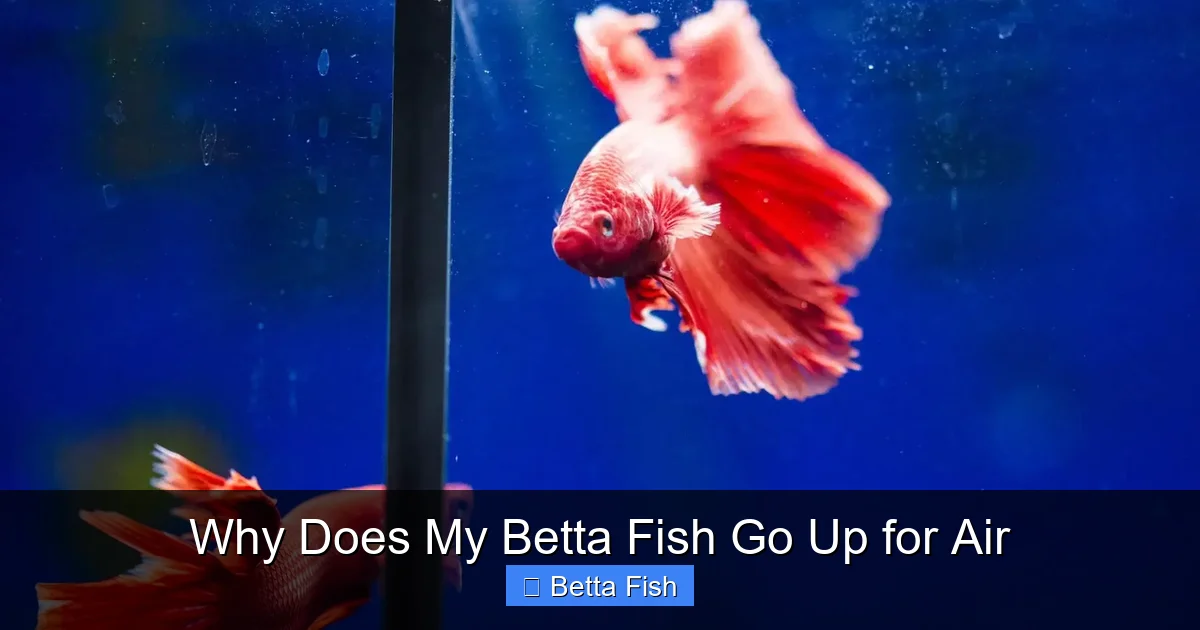
Visual guide about Why Does My Betta Fish Go Up for Air
Image source: fishtrivia.com
How does it work?
When a betta swims to the surface, it opens its mouth, draws in a bubble of air, and pushes it into the labyrinth organ. The organ’s thin walls soak up the oxygen, and the fish then exhales carbon dioxide back into the water. Because of this adaptation, bettas will naturally surface every few minutes, especially if the water’s dissolved oxygen (DO) level is low.
2. When Surface Breathing Is Normal
Low‑oxygen environments
Even with a healthy labyrinth organ, a betta will surface more often if the water lacks oxygen. This can happen in:
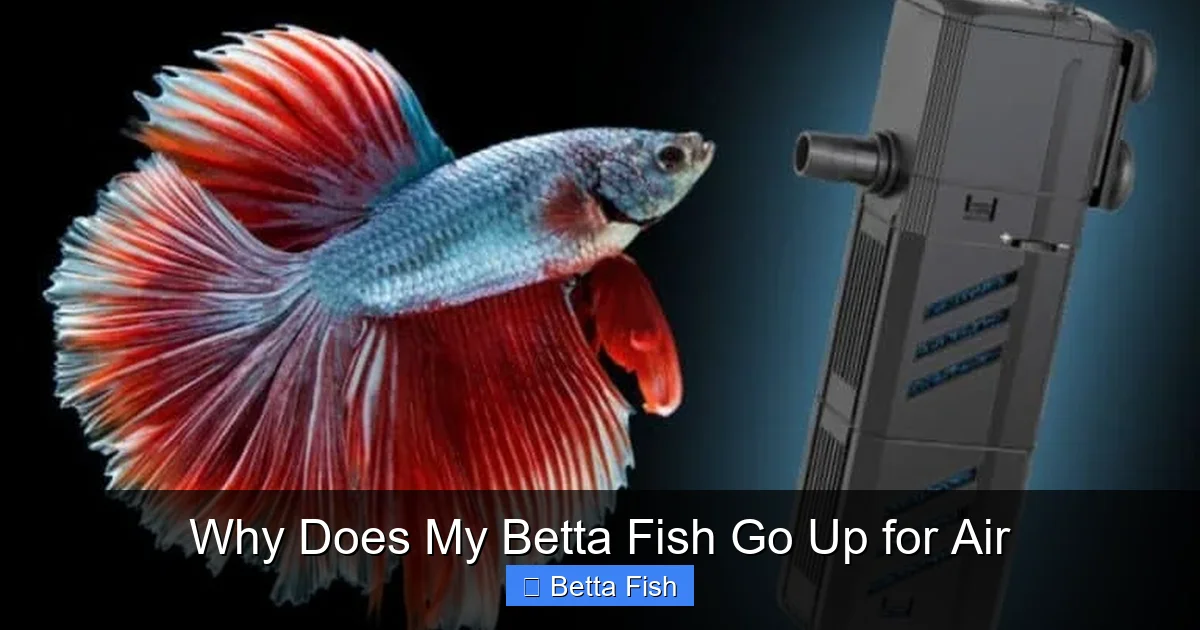
Visual guide about Why Does My Betta Fish Go Up for Air
Image source: memfish.net
- Small tanks (under 2.5 gal) with no filtration.
- Warm water above 80 °F (27 °C), which holds less dissolved oxygen.
- Stagnant water with no surface agitation.
In these cases, the fish’s behavior is a sign that the tank needs better aeration, not that the fish is sick.
Temperature spikes
When water gets too warm, oxygen levels drop sharply. A sudden temperature rise—perhaps from a heater malfunction—will make your betta gasp for air more often. Always use a reliable thermostat and check the temperature twice a day during hot weather.
3. Water Quality Issues That Cause Excessive Surfacing
Ammonia and nitrite spikes
High levels of ammonia (NH₃) or nitrite (NO₂⁻) irritate a betta’s gills, making it harder for the fish to extract oxygen from the water. The result? More trips to the surface. Test your water weekly with a liquid test kit. Safe levels are:
- Ammonia: 0 ppm
- Nitrite: 0 ppm
- Nitrate: < 20 ppm (ideal)
If you see a spike, perform a 25‑30 % water change and check your filter.
pH swings and hardness
Betta fish prefer a stable pH between 6.5 and 7.5. Sudden swings can stress the fish’s gills, leading to increased air‑gasping. Use a pH buffer if your tap water is volatile, and aim for a general hardness (GH) of 3–4 dGH.
Insufficient surface agitation
Even with a filter, if the water’s surface is calm, oxygen exchange is limited. Adding a small air stone or a gentle powerhead creates ripples that boost DO without creating a strong current that bettas dislike.
For more on tank setup, see our guide on how to set up a tank for a betta fish.
4. Health Problems That Mimic “Going Up for Air”
Swim bladder disorder
A compromised swim bladder can make a betta float upward and stay near the surface. The fish may appear to “gulp” air, but it’s actually struggling to maintain depth. Signs include a tilted posture, floating upside‑down, or sinking to the bottom.
Gill parasites and infections
Parasites like Ichthyophthirius multifiliis (ich) or bacterial gill disease cause inflammation, reducing the gills’ ability to absorb oxygen. An infected betta will gasp more and may show white spots, frayed fins, or lethargy. If you notice these symptoms, treat promptly with a suitable medication.
Fin rot and other external diseases
Fin rot can cause the fish to stress and surface more often. Check for ragged, shredded fins and consider reading why does my betta fish fins look shredded for a deeper dive.
Internal parasites
Worms and protozoa can affect digestion and buoyancy, leading to abnormal surfacing. Look for weight loss, reduced appetite, or abnormal stool.
5. Behavioral and Environmental Triggers
Stress from tank mates
Betta fish are territorial. If a new fish or even a curious snail is introduced, the betta may become stressed and surface more as a coping mechanism. Keep the betta alone or with very peaceful tank mates.
Lighting and day‑night cycle
Bright, constant lighting can cause the fish to become hyper‑active and surface more. Provide a 10‑hour light period and a dark rest period each day.
Feeding habits
Overfeeding can foul the water quickly, leading to low oxygen and more surfacing. Feed small amounts 2‑3 times a day, and remove uneaten food within a few minutes.
6. Practical Steps to Reduce Unnecessary Surfacing
Check and adjust temperature
Maintain water between 76‑80 °F (24‑27 °C). If the heater is too high, lower it by 1‑2 °F and monitor for a few days.
Improve aeration gently
Use a tiny air stone placed near the surface. A low‑flow air pump is enough; bettas dislike strong currents.
Regular water changes
Change 20‑30 % of the water weekly. Use a water conditioner that removes chlorine and chloramines.
Test water parameters
Invest in a reliable test kit and record ammonia, nitrite, nitrate, pH, and temperature each week. Spotting a trend early prevents crises.
Monitor for disease signs
Look for white spots, frayed fins, or cloudy eyes. If you see any, isolate the betta in a hospital tank and treat according to the diagnosis.
Consider a live plant
Plants like Anubias or Java fern release oxygen during the day and help stabilize water chemistry. They also give the betta places to rest.
Conclusion
Seeing your betta fish go up for air can be a simple reminder of the fish’s unique breathing system, or it can be a warning sign of deeper issues. By checking temperature, water quality, and the fish’s health, you can quickly determine why your betta is surfacing and take the right action. Remember, a healthy betta will still surface occasionally, but it should never seem frantic or spend the majority of its time at the top. With regular maintenance, proper tank setup, and attentive observation, you’ll keep your betta breathing easy and enjoying its vibrant life.
Frequently Asked Questions
Why does my betta fish surface more often in warm water?
Warm water holds less dissolved oxygen, so the betta’s labyrinth organ has to work harder. Lower the temperature a few degrees and add gentle surface agitation.
Can a betta fish survive without a filter?
Betas can live in small, well‑maintained tanks without a filter, but you must perform frequent water changes and monitor water parameters closely.
Is it normal for a betta to make bubbles while surfacing?
Yes. The bubbles are the fish exhaling excess air after using its labyrinth organ. If the bubbles are excessive or the fish looks distressed, check water quality.
Read more about bubble behavior at why does my betta fish make bubbles.
What does it mean if my betta looks bloated and keeps coming to the surface?
Bloating can indicate constipation, swim bladder issues, or internal parasites. Adjust diet, offer peas, and consider a gentle water change.
See our article on why does my betta fish look bloated for details.
Should I add an air pump to my betta’s tank?
An air pump isn’t required, but a small, low‑flow air stone can improve oxygen levels and reduce excessive surfacing.
Learn more at does a betta fish need an air pump.
My betta is turning white and also surfacing a lot. Is this related?
White coloration can be a sign of stress, illness, or poor water conditions—factors that also cause more surfacing. Test the water and look for other disease signs.
For more information, read why is my betta fish turning white.