Why Does My Betta Fish Make Bubbles
Your betta fish makes bubbles to build a floating “bubble nest,” a completely natural and instinctive behavior. This activity is primarily driven by breeding readiness and is a strong indicator of good health and optimal water conditions. Male bettas are the primary nest builders, using a special organ to create and arrange bubbles. Factors like warm water, calm surface tension, and the presence of a female (or perceived female) can trigger this fascinating display. Supporting this behavior by maintaining pristine water and providing floating plants helps ensure your betta’s wellbeing.
You’re sitting there, enjoying the vibrant colors of your beautiful betta fish, when you notice it. A collection of tiny, glistening bubbles hovering at the water’s surface. At first, you might wonder, “Is my fish okay? Is this a sign of something wrong?” Take a deep breath. In the vast majority of cases, those bubbles are a wonderful sign. Your betta fish making bubbles is one of the most fascinating and natural behaviors you can observe. It’s not a cry for help; it’s a biological blueprint playing out in your living room. This comprehensive guide will dive deep into the bubbly world of your betta, explaining everything from the “why” to the “how” and what it means for you as a dedicated caregiver.
Key Takeaways
- Understanding why does my betta fish make bubbles: Provides essential knowledge
📑 Table of Contents
The Bubble Nest: A Betta’s Masterpiece of Instinct
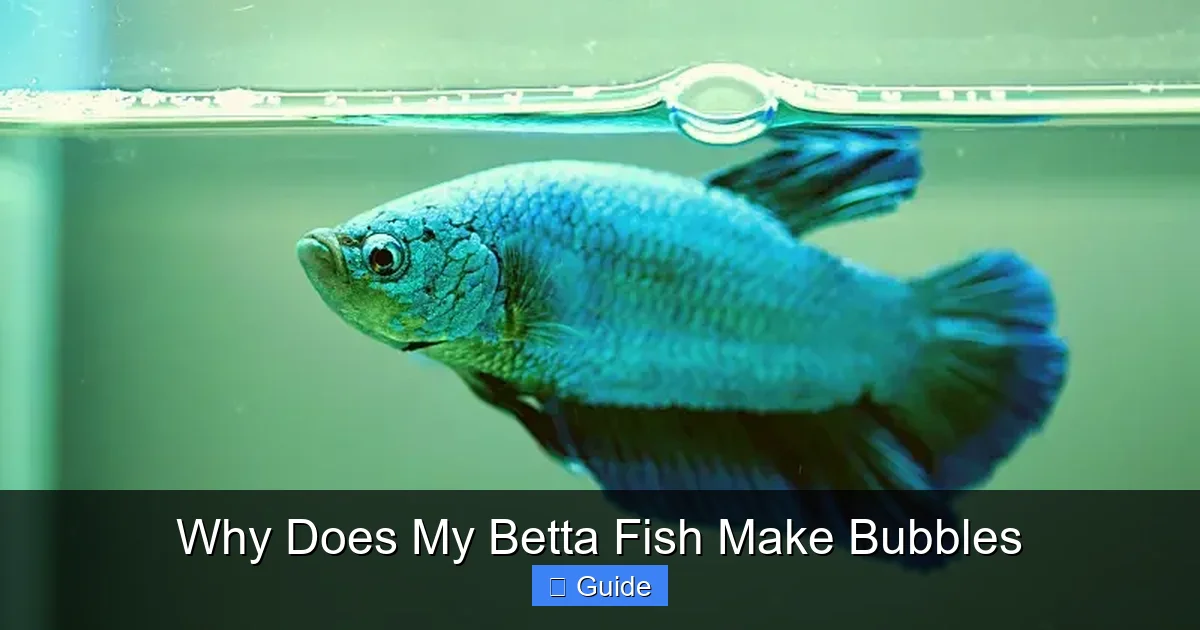
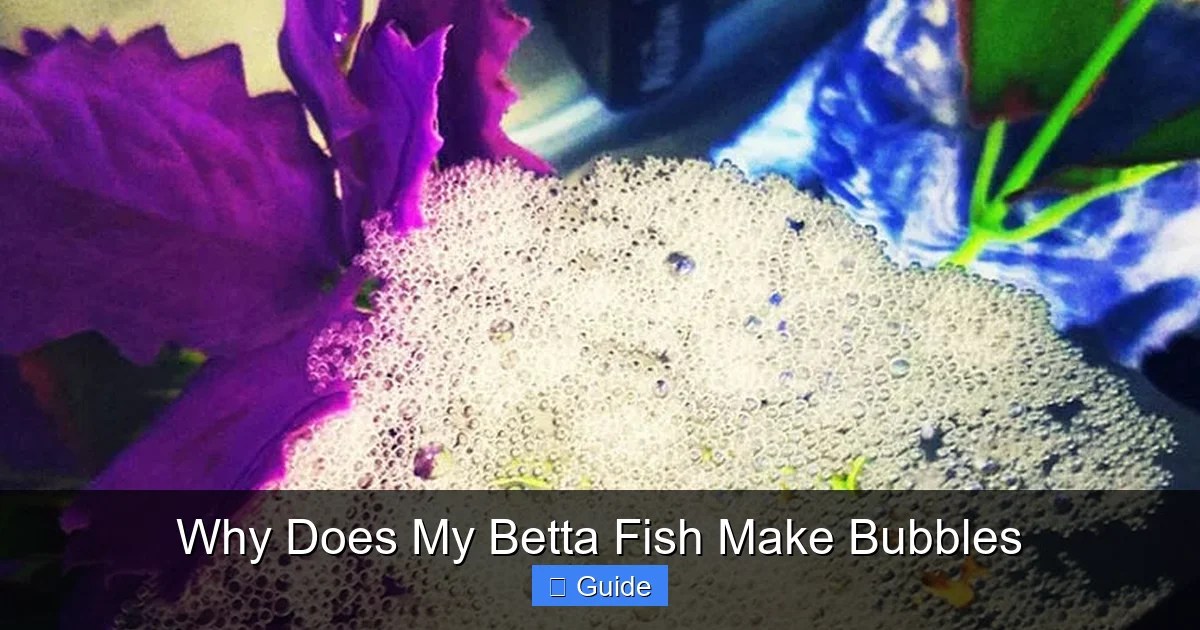
Before we get into the “why,” let’s define the “what.” The cluster of bubbles your betta creates is called a bubble nest. It’s not a random occurrence of air gulping. This is a deliberate, structured construction. Using a specialized organ called the labyrinth organ (which allows them to breathe air from the surface), the male betta will gulp a small amount of air, coat it with a sticky mucus secreted from his mouth, and then carefully place it at the water’s surface. He will meticulously arrange these mucus-coated bubbles into a floating raft or dome, often anchoring it to the side of the tank or, more preferably, to a plant leaf or other floating object.
The Purpose: A Cradle for the Next Generation
So, why go to all this trouble? The bubble nest is an incubator. In the wild, male bettas build these nests to attract a female and provide a safe, oxygen-rich environment for their eggs and, later, the newly hatched fry (babies), which are too weak to swim down initially. The bubbles protect the eggs from the water surface, keep them moist, and provide a direct source of oxygen. The male’s entire courtship ritual—the flaring, the dancing, the nest building—is designed to impress a female and demonstrate his fitness as a parent. Even in the sterile environment of a home aquarium with no female present, this deep-seated instinct doesn’t just switch off. The act of building is rewarding and natural for the fish.
The Biological Blueprint: Why Betta Fish Make Bubbles
Now we get to the heart of the matter. The bubble-making behavior is a complex interplay of biology, environment, and instinct. Understanding these drivers will help you interpret your betta’s actions accurately.

Visual guide about Why Does My Betta Fish Make Bubbles
Image source: infishtank.com
1. Breeding Readiness and Hormonal Surge
The most powerful trigger is reproductive instinct. When a male betta’s hormones are primed—which can happen seasonally or in response to environmental cues—the urge to build a nest becomes overwhelming. In the presence of a female (or even her pheromones in the water), this drive intensifies dramatically. He is literally preparing a nursery in hopes of attracting a mate. This is why you might see a sudden, frantic burst of bubble-blowing activity. It’s his way of saying, “I am ready to be a father!”
2. A Clear Indicator of Prime Health
Building a bubble nest is an energy-intensive project. It requires the betta to be in top physical condition. He needs strong swimming skills, good buoyancy control, and the energy to repeatedly surface, gulp, and blow. A fish suffering from illness, parasites, or chronic stress (from poor water quality, incompatible tankmates, etc.) will simply not have the reserves for such an endeavor. Therefore, an active bubble nest builder is almost always a fish with a robust immune system, functioning labyrinth organ, and a stress-free environment. It’s one of the best visual health checks an owner can have.
3. The Influence of Water Conditions
Your betta’s environment speaks directly to his instincts. Several key water parameters are directly linked to nest-building:
- Temperature: Warmer water (between 78°F and 82°F or 25.5°C and 28°C) mimics tropical breeding seasons and stimulates activity, including nest building.
- Water Quality: Clean, ammonia-free water is non-negotiable. Bettas are sensitive to toxins. Poor water quality causes stress, which suppresses natural behaviors. A pristine tank is a prerequisite for nesting.
- Surface Tension: Calm water surface is crucial. Strong filtration or surface agitation from air stones will destroy bubbles as fast as he can make them. A gentle filter or one with a baffle is ideal.
- Water Movement: Overall, gentle flow is preferred. Bettas are not strong swimmers and originate from stagnant, shallow waters. Heavy currents are stressful and discourage surface activities.
4. The Role of “Furniture”: Floating Plants and Objects
In nature, bettas anchor their nests to overhanging vegetation or debris at the waterline. In your tank, floating plants are the single best accessory you can provide to encourage natural nesting. Things like Amazon Frogbit, Water Sprite, Hornwort, or even a piece of clean Indian Almond leaf provide the perfect foundation. The betta will weave his bubbles into the roots or underside of leaves, creating a much more stable and natural-looking nest. Even a synthetic spawning mop or the corner of a floating betta log can serve this purpose. The availability of an “anchor point” can be the difference between no nest and a magnificent one.
What It Means for You: Interpreting and Supporting the Behavior
Seeing your betta blow bubbles isn’t just entertainment; it’s valuable feedback. Here’s how to read the signs and be a supportive caretaker.

Visual guide about Why Does My Betta Fish Make Bubbles
Image source: camoguys.com
Reading the Nest: Size, Shape, and Enthusiasm
Not all nests are created equal. The characteristics can tell you a story:
- A Large, Thick, Well-Constructed Nest: This is the gold standard. It indicates a very healthy, confident, and hormonally primed male. He’s put serious effort into it. If a female is present, this is his ultimate courtship display.
- A Small, Sparse, or “Practice” Nest: Don’t be disappointed! Some bettas, especially younger or more relaxed ones, will build small, lopsided nests. This is still a positive sign of health and instinct. It might just be his version of a starter home.
- Constant Repair and Addition: If your betta is frequently at the surface adding bubbles or patching holes, it shows he is highly invested. This is common if the nest is in a high-traffic area or he perceives a threat to it.
- No Nest at All: As mentioned, this is not automatically a red flag. Some individual bettas are simply less inclined. Factors like age (older fish may nest less), lack of triggers (no floating plants, cooler water), or a more submissive personality can all result in a non-nesting betta. Judge his health by his overall activity, appetite, and fin condition first.
How to Be a Betta-Friendly Landlord
If you want to encourage this beautiful behavior, you can create the ideal “nesting neighborhood”:
- Invest in Floating Plants: This is your number one tool. A handful of Frogbit or a spawning mop gives him a canvas. Rinse new plants thoroughly to remove pests.
- Calm the Surface: Check your filter. Use a sponge filter, adjust the outflow to be gentler, or add a baffle (a plastic bottle cut and attached to the outflow) to diffuse the current. Ensure the water level isn’t so high that surface agitation from the filter’s return is intense.
- Maintain Impeccable Water Quality: Perform regular water changes (25-50% weekly), use a water conditioner, and monitor parameters (ammonia, nitrite, nitrate, pH) with a test kit. Clean water is the foundation of all betta health.
- Keep the Temperature Steady: Use a reliable aquarium heater and thermometer. Avoid temperature swings.
- Provide a Balanced Diet: High-quality pellets, frozen or live foods (like daphnia or brine shrimp) provide the protein and nutrients needed for energy and health.
- Minimize Stressors: Avoid aggressive tankmates, sudden loud noises near the tank, and bright, constant lighting. Provide hiding spots like caves or dense plants.
Crucially: Do not destroy the nest. Even if you have no intention of breeding, that nest is your betta’s hard work and a sign of his comfort. Destroying it is deeply stressful. If you must move it (for cleaning, for example), try to gently scoop it with a cup or bowl and place it back in the same spot. He will likely repair it.
Common Misconceptions and Concerns
With any animal behavior, myths and worries abound. Let’s clear up the biggest ones about betta bubbles.
Visual guide about Why Does My Betta Fish Make Bubbles
Image source: bettafish.org
“My Betta is Gasping for Air!”
This is a critical distinction. A betta building a bubble nest is a controlled, purposeful action. He takes a gulp, blows a bubble, and often places it. A betta gasping for air is a sign of severe distress, usually from extremely poor water quality (high ammonia/nitrite) or a lack of oxygen in the water. The fish will dart frantically to the surface, take a huge, desperate gulp, and sink back down, repeating rapidly. His gills will be flared and working overtime. If you see this, test your water immediately and perform an emergency water change. Nest-building is calm, methodical, and often done with a slightly raised head and focused expression.
“Only Male Bettas Build Nests, Right?”
Overwhelmingly, yes. Bubble nest building is a sexually dimorphic trait, meaning it’s primarily seen in males. Their parental role is to guard and tend the nest. Female bettas, in the wild, may occasionally produce a few bubbles under extreme hormonal influence, but it is exceptionally rare and never a structured nest. If you have a confirmed female betta making a large, organized bubble nest, it’s worth a very close look to ensure you haven’t missexed the fish.
“Should I Add a Female to Trigger Nest Building?”
No, this is dangerous and irresponsible unless you are a prepared, experienced breeder. Introducing a female to a male betta’s territory is a high-risk activity that can lead to severe injury or death for one or both fish. The courtship can turn violent instantly. The male may become hyper-aggressive, and the female, if not perfectly receptive, can be torn apart. The presence of a female’s pheromones in the water (via a container she was previously in) can sometimes trigger a nest, but physically adding her to the tank should only be done with meticulous planning, a large divided tank for initial introduction, and a clear plan for removing the female after spawning to save her from the often-obsessive male.
“My Betta Stopped Building. Is He Sick?”
Not necessarily. Nest-building can be episodic. Once a nest is built, he may be satisfied and stop for weeks or months. He might destroy it himself if he deems it unsuccessful (no female came). Changes in season (light cycles), a slight drop in water temperature, or simply moving the tank can pause the behavior. Focus on the big picture: is he eating? Is he active? Are his fins intact and flowing? Is the water clean? If the answer is yes to all, the absence of a new nest is not a health concern. If he was a prolific builder who suddenly stops and also shows other signs of illness (lethargy, loss of appetite, clamps fins), then investigate water quality and potential disease.
The Big Picture: Bubbles as a Window into Betta Welfare
Ultimately, the bubble nest is more than just a quirky habit. It’s a window into the fundamental needs and instincts of the betta fish. By understanding why your betta makes bubbles, you move from being just an owner to being an observer of a complex, ancient ritual. You learn that your betta is not a simple decoration but a creature with drives, preferences, and a biological imperative.
Providing an environment that allows for the expression of these natural behaviors—clean water, calm surface, floating plants, proper nutrition—is the very essence of ethical fishkeeping. When you see those bubbles forming, you are witnessing a sign that you are getting it right. You have created a space where your betta feels secure, healthy, and instinctually compelled to prepare for a future that, in your tank, will never come. And that’s okay. The behavior itself is the reward. It’s a testament to his wellbeing and your successful care. So next time you see that shimmering raft at the top of the tank, smile. It’s one of the highest compliments a betta can pay its human.
Frequently Asked Questions
Is it normal for my betta fish to make bubbles all the time?
Yes, it is completely normal and healthy. Bubble nest building is a natural, instinctive behavior for male bettas. It signifies good health, proper water conditions, and a calm environment. The frequency varies by individual fish.
Do all betta fish build bubble nests?
Almost all male bettas have the instinct to build nests, but not all do it regularly or visibly. Factors like age, personality, water temperature, lack of floating plants, or simply not being “in the mood” can mean a healthy betta may not build a large or noticeable nest. Female bettas virtually never build bubble nests.
What if my betta fish makes bubbles but no nest?
Occasional single bubbles at the surface are normal as they gulp air. However, if your betta is actively blowing bubbles but they pop immediately and don’t coalesce, it often points to poor surface tension. This is usually caused by dirty water, high surface agitation from a filter, or water with low mineral content. Improving water quality and calming the surface will help nests hold together.
Should I destroy my betta’s bubble nest?
No, you should never intentionally destroy a bubble nest. It is a source of pride and security for your betta. Destroying it causes significant stress. If you must move it for tank maintenance, gently scoop it with a cup and place it back in the same location. Your betta will likely repair it.
How can I encourage my betta to build a bubble nest?
To encourage nesting, ensure pristine water quality through regular changes, maintain a warm water temperature (78-82°F), provide calm surface water by adjusting your filter, and most importantly, add floating plants or a spawning mop. These provide an anchor point and make the betta feel secure enough to build.
Is bubble-blowing a sign that my betta wants a female?
It is a sign of breeding readiness, which is hormonally driven. The nest is built to attract a female. However, this does not mean you should add a female to the tank. The behavior is an instinctual display that can occur in the absence of a female, driven by environmental triggers. Introducing a female is risky and should only be done with extensive breeding knowledge and preparation.