How to Set Up a Tank for a Betta Fish
Setting up a tank for a betta fish is easier than you think. Follow this friendly guide to choose the right size, add the perfect décor, and keep the water pristine. Your Betta will thrive in a beautiful, low‑maintenance home.
Key Takeaways
- Size matters: A 5‑gal tank is the sweet spot for health and stability.
- Temperature control is crucial: Keep water between 76‑82°F with a reliable heater.
- Gentle filtration works: Low‑flow filters prevent stress while keeping water clean.
- Live plants boost happiness: They hide, filter, and add natural beauty.
- Regular water checks: Test pH, ammonia, nitrite, and nitrate weekly.
- Proper cycling prevents death: Establish the nitrogen cycle before adding your Betta.
- Safe décor only: Avoid sharp edges, tiny ornaments, and toxic decorations.
📑 Table of Contents
- Introduction: Why a Good Setup Matters
- 1. Choose the Right Tank Size and Shape
- 2. Set Up the Basics: Substrate, Décor, and Hiding Places
- 3. Water: Conditioning, Temperature, and Cycling
- 4. Filtration: Keeping Water Clean Without Stress
- 5. Lighting and Plant Care
- 6. Ongoing Care: Water Changes, Feeding, and Health Checks
- Conclusion: Your Betta’s New Home Awaits
Introduction: Why a Good Setup Matters
When you bring home a Betta fish, you’re not just getting a splash of color—you’re adopting a small, curious creature that thrives on proper care. Too many beginners think a tiny bowl will do, but a well‑planned tank makes the difference between a vibrant, active Betta and one that hides, gets sick, or dies quickly.
In this guide we’ll walk through everything you need to know how to set up a tank for a Betta fish. From choosing the right size to mastering water chemistry, you’ll finish with a beautiful aquarium that feels like a mini‑tropical oasis. Let’s dive in!
1. Choose the Right Tank Size and Shape
Why bigger is better
A common myth is that Betta fish need only a 1‑gallon bowl. In reality, a 5‑gallon long or a 10‑gallon rectangular tank gives your Betta more room to swim, stabilizes temperature, and dilutes toxins. Larger water volume means fewer water changes and a healthier environment.
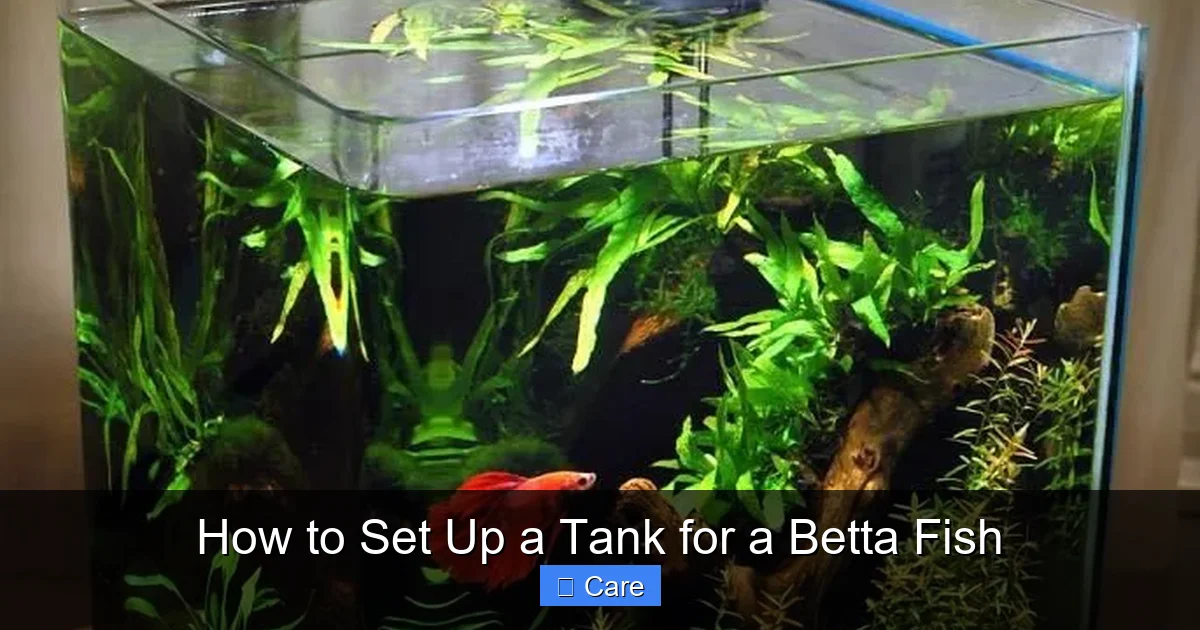
Visual guide about How to Set Up a Tank for a Betta Fish
Image source: fishsubsidy.org
Tank dimensions to consider
- 5‑gallon long: Ideal for beginners, fits most desks.
- 10‑gallon rectangular: Great if you want live plants and more décor.
- Aquarium shape: Avoid tall, skinny tanks; Betta like horizontal space to glide.
Materials and safety
Glass tanks are classic and scratch‑resistant, while acrylic is lighter and stronger but can scratch more easily. Whichever you pick, ensure the tank is free of cracks and comes with a secure lid—Betta are excellent jumpers!
2. Set Up the Basics: Substrate, Décor, and Hiding Places
Choosing a substrate
A soft, fine‑grained substrate protects your Betta’s delicate fins. Options include:
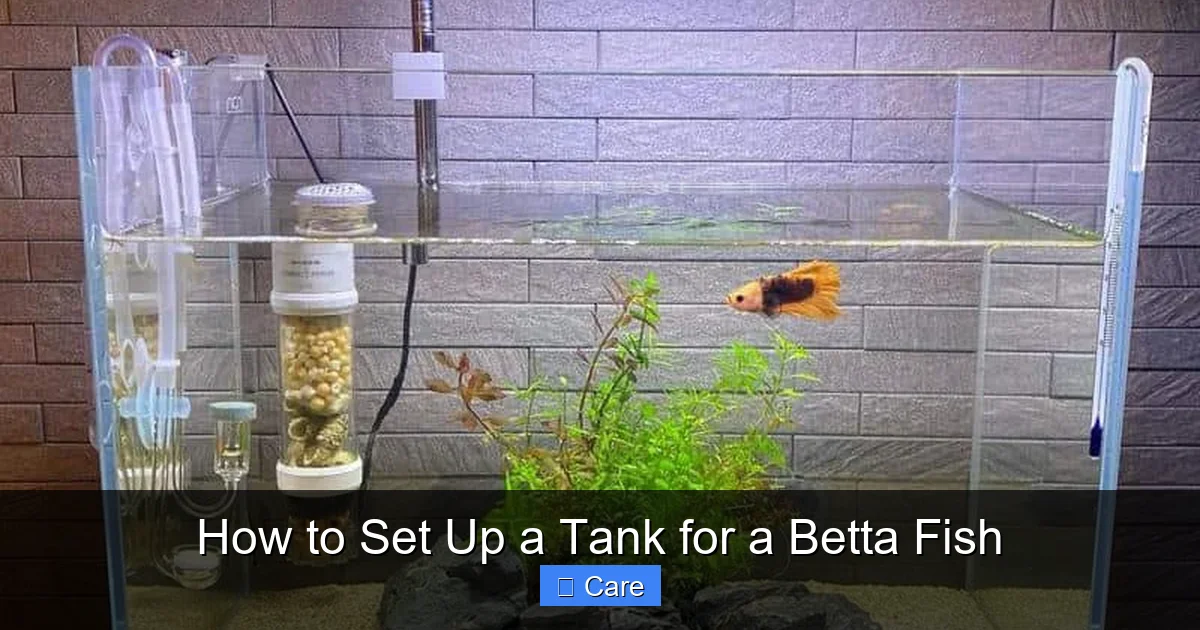
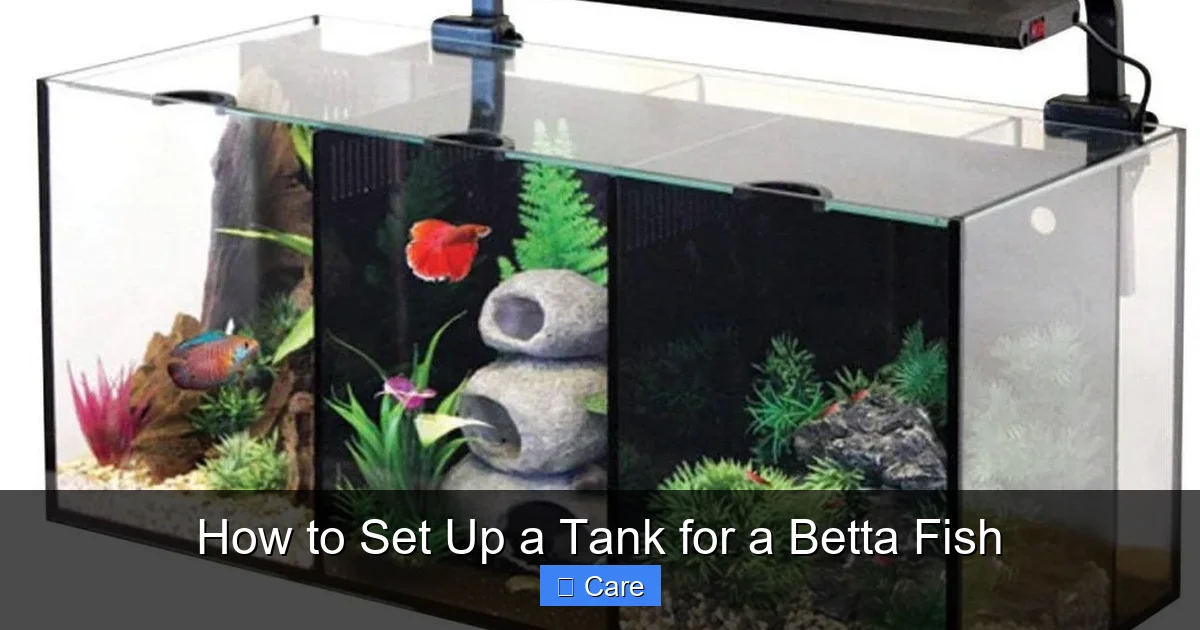
Visual guide about How to Set Up a Tank for a Betta Fish
Image source: acaquarium.com
- Fine sand: Natural look, easy to clean.
- Plant‑friendly gravel (1‑mm): Provides surface for beneficial bacteria.
A thin layer (about 1‑2 cm) is enough; too deep can trap waste.
Décor that’s both beautiful and safe
Betta love exploring, but they also need places to rest. Choose décor with rounded edges and avoid sharp plastic ornaments that could tear their fins.
- Caves and tubes: Ceramic or resin caves give a sense of security.
- Driftwood: Adds a natural feel; rinse thoroughly before use.
- Live or silk plants: Silk plants are safe and cheap, while live plants improve water quality.
Creating a stress‑free layout
Arrange décor to create open swimming zones and covered hideaways. Place taller items at the back and shorter ones forward to mimic a natural environment. Leave a clear path from the surface to the bottom so your Betta can practice its famous “flaring” without obstacles.
3. Water: Conditioning, Temperature, and Cycling
Conditioning tap water
Tap water contains chlorine and chloramine that are deadly to fish. Use a water conditioner that neutralizes both. Follow the product’s dosage instructions—usually a few drops per 5 gallons.
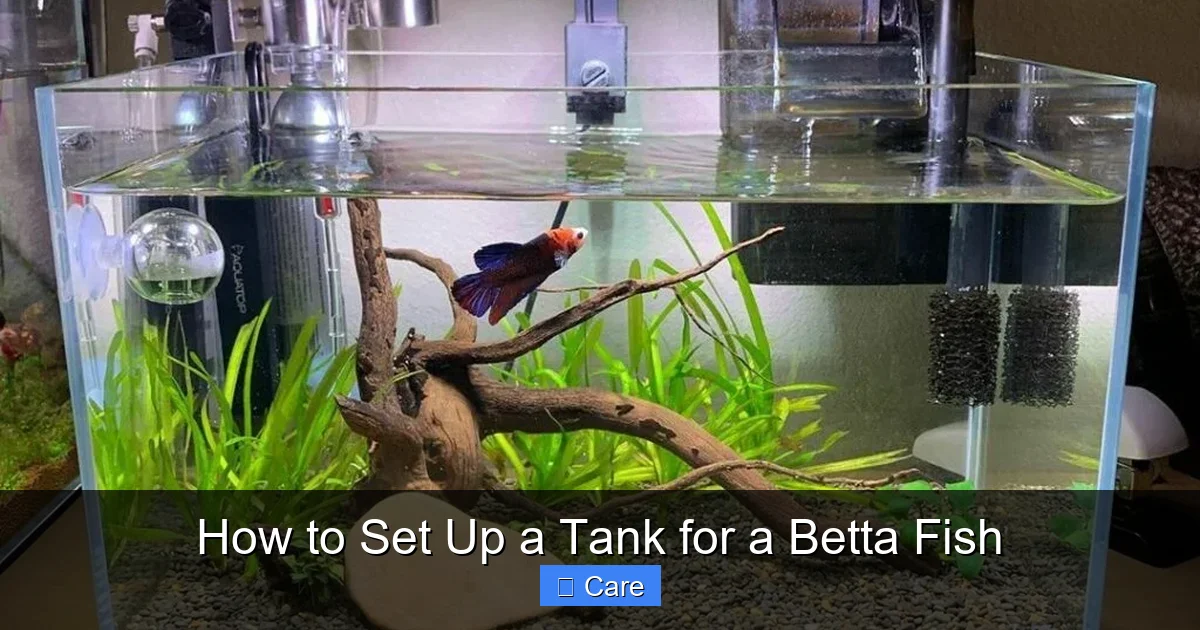
Visual guide about How to Set Up a Tank for a Betta Fish
Image source: fishlab.com
Getting the temperature right
Betta are tropical; they need water between 76‑82°F (24‑28°C). A reliable submersible heater with an adjustable thermostat is essential. Place the heater near a water flow source for even heat distribution, and use a digital aquarium thermometer to monitor the temperature daily.
Understanding the nitrogen cycle
Before adding your Betta, you must establish the nitrogen cycle:
- Ammonia (NH₃) → Nitrite (NO₂⁻) → Nitrate (NO₃⁻)
- Beneficial bacteria convert toxic ammonia (from waste) to nitrite, then to nitrate.
- Nitrate is less harmful but should be kept below 20 ppm through water changes.
To cycle the tank:
- Add a source of ammonia (pure fishless ammonia or a few drops of water from an established tank).
- Run the filter continuously for 4‑6 weeks.
- Test water weekly with a liquid test kit; when ammonia and nitrite read 0 ppm and nitrate is low, the cycle is complete.
Skipping this step is the #1 reason Betta die shortly after arrival.
4. Filtration: Keeping Water Clean Without Stress
Low‑flow filters are Betta‑friendly
Betta are not strong swimmers, so a high‑velocity filter can cause stress. Choose a sponge filter, a hang‑on‑back (HOB) filter with an adjustable flow, or a gentle internal filter. Aim for a turnover rate of 2‑3 times the tank volume per hour.
How to set up a sponge filter
- Insert the sponge into the filter housing.
- Attach an air pump with airline tubing; the air bubbles pull water through the sponge.
- Place the filter on one side of the tank, away from the heater.
Maintenance tips
Rinse filter media in tank water (not tap) during weekly water changes. Replace the sponge every 6‑12 months to keep bacterial colonies healthy.
5. Lighting and Plant Care
Choosing the right light
Betta don’t need intense lighting, but a 6‑8 hour photoperiod supports plant growth and a natural day‑night cycle. A simple LED aquarium light with a timer works well.
Live plants that thrive with Betta
- Java fern: Low light, attaches to driftwood.
- Anubias: Tough, can be tied to rocks.
- Marimo moss balls: Fun, helps absorb nitrates.
Silk plants for beginners
If you’re not ready for live plants, silk or plastic plants are safe alternatives. Rinse them thoroughly before adding to the tank to remove dust.
6. Ongoing Care: Water Changes, Feeding, and Health Checks
Weekly water changes
Replace 25‑30% of the water each week. Use a siphon to remove debris from the substrate, then add conditioned water that matches the tank temperature.
Feeding the Betta
Feed high‑quality Betta pellets or frozen/brine shrimp 2‑3 times daily, offering only what they can eat in 2 minutes. Overfeeding leads to cloudy water and health problems.
Monitoring health
- Fins: Look for fraying or discoloration.
- Swim pattern: Erratic swimming or staying at the bottom can signal stress.
- Gills: Red or inflamed gills may indicate poor water quality.
If you notice any of these signs, test the water immediately and perform a partial change.
Conclusion: Your Betta’s New Home Awaits
Now you know exactly how to set up a tank for a Betta fish that is safe, beautiful, and easy to maintain. By choosing the right size, providing gentle filtration, maintaining stable temperature, and adding live or silk plants, you create a thriving environment where your Betta can show off its colors and personality.
Remember, the key to long‑term success is patience during cycling, regular water checks, and a watchful eye on your fish’s behavior. Follow these steps, and you’ll enjoy a healthy, happy Betta for years to come.
Frequently Asked Questions
What is the minimum tank size for a Betta?
While a 1‑gallon bowl can hold a Betta, a 5‑gallon tank is the minimum recommended for stable water parameters and better health.
Do Betta fish need a heater?
Yes. Betta are tropical and thrive at 76‑82°F (24‑28°C). A reliable submersible heater with a thermostat is essential.
Can I use a regular aquarium filter for a Betta?
Use a low‑flow filter such as a sponge filter or an adjustable HOB filter. High‑speed currents can stress Betta.
How often should I change the water?
Perform a 25‑30% water change weekly. This helps keep ammonia and nitrate levels low and maintains water clarity.
Are live plants necessary?
Live plants are beneficial but not required. Silk or plastic plants work fine, though live plants improve water quality and give your Betta natural hiding spots.
What signs indicate my Betta is stressed?
Look for faded colors, frayed fins, constant hiding, or gasping at the surface. Check water parameters immediately if you see these signs.