Why Is My Betta Fish Turning White
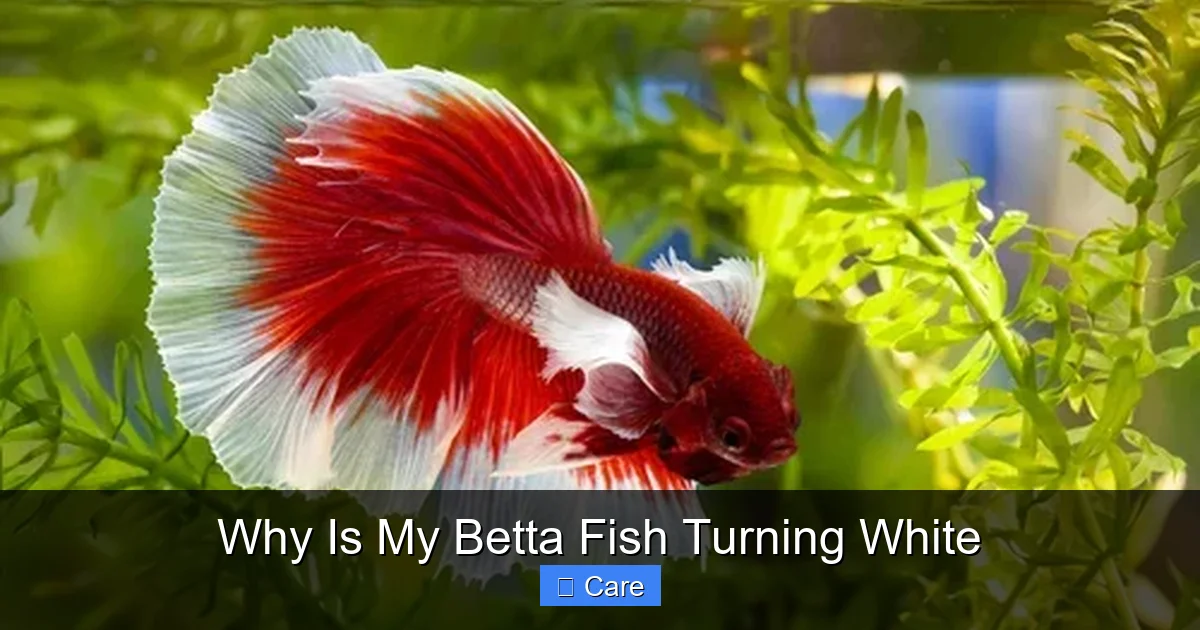
Seeing a Betta turn white can be alarming, but it’s often a sign of stress, disease, or water issues. Understanding the root cause and acting fast will help restore your fish’s brilliant colors and ensure a happy, healthy home.
Key Takeaways
- Water quality matters: Poor parameters are the most common trigger for color loss.
- Stress is a silent killer: Overcrowding, temperature swings, and sudden changes stress Betta fish.
- Illness signs: White patches can mean fungal, bacterial, or parasitic infections.
- Nutrition counts: A balanced diet rich in pigments supports vibrant coloration.
- Gradual adjustments: Any changes to the tank should be made slowly to avoid shocking the fish.
- Regular observation: Daily checks catch problems early, preventing permanent color loss.
- Proper quarantine: New arrivals should be isolated for at least two weeks to protect existing Betta.
📑 Table of Contents
- Introduction: The Shock of a Fading Betta
- 1. Water Quality – The Foundation of Color
- 2. Stress – The Quiet Color Thief
- 3. Disease – When White Means Illness
- 4. Nutrition – Feeding the Colors Back
- 5. Environmental Enhancements – Making the Tank a Color‑Friendly Zone
- 6. When to Seek Professional Help
- Conclusion: Bringing Back the Brilliant Hue
Introduction: The Shock of a Fading Betta
If you’ve ever watched a Betta flaunt its bright fins and then noticed those gorgeous hues turning pale or completely white, you probably felt a pang of worry. It’s a common sight for new Betta owners, and the question instantly pops up: why is my betta fish turning white?
Don’t panic. The answer is rarely a single, mysterious curse. More often, it’s a combination of environmental stressors, health issues, or simple misunderstandings about Betta care. In this guide we’ll walk through every likely cause, show you how to diagnose the problem, and give you step‑by‑step fixes that will bring the color back.
1. Water Quality – The Foundation of Color
1.1. Ammonia, Nitrite, and Nitrate
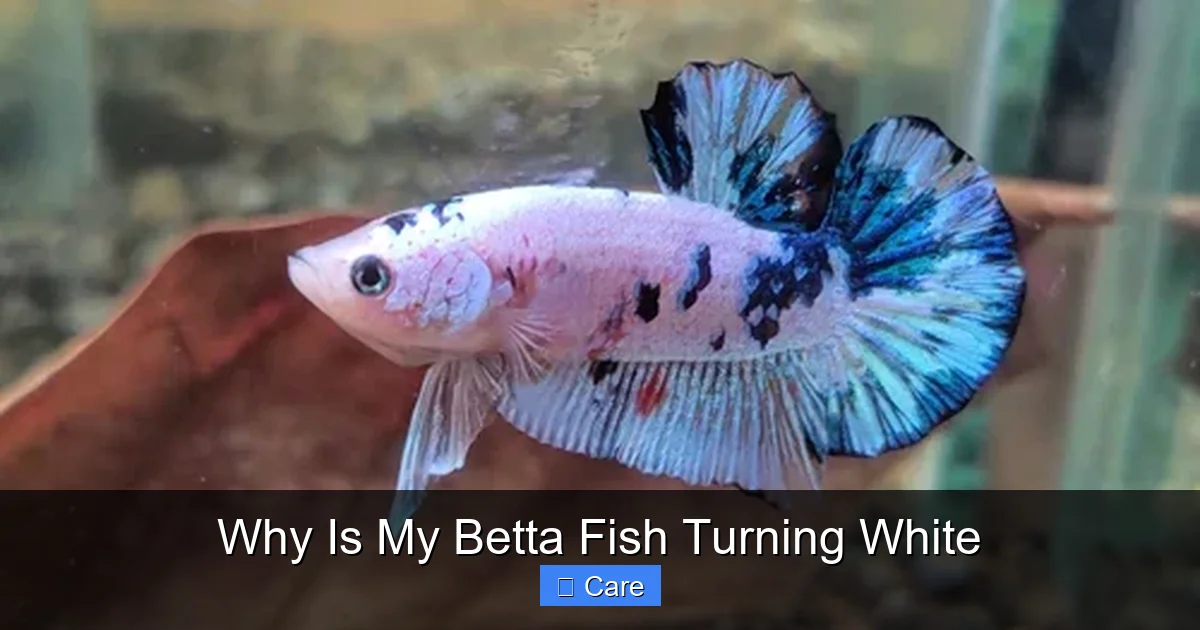
Betta fish are especially sensitive to spikes in ammonia (NH₃) and nitrite (NO₂⁻). Even a small increase can stress the fish enough to cause a loss of pigment. Test your water weekly with a reliable aquarium test kit. Ideal levels are:
Visual guide about Why Is My Betta Fish Turning White
Image source: fishlab.com
- Ammonia: 0 ppm
- Nitrite: 0 ppm
- Nitrate: < 20 ppm
If any of these numbers are above the safe range, perform a partial water change of 25‑30 % and consider adding a biological filter.
1.2. pH and Hardness
Betta fish thrive in slightly acidic to neutral water (pH 6.5‑7.5). A sudden shift can cause stress‑induced whitening. Use a pH stabilizer or natural driftwood to gently lower a high pH. Keep water hardness (GH) between 3‑4 dGH; very hard water can make the fish appear dull.
1.3. Temperature Trouble
Betta are tropical; they love warm water (76‑82°F or 24‑28°C). Temperatures below 74°F can slow metabolism and trigger pigment loss. A reliable heater with a thermostat is essential. Check the temperature twice a day, especially after power outages.
Practical Tip
Maintain a logbook. Write down the date, water changes, test results, and any observations of color change. Patterns emerge quickly, and you’ll spot the culprit before it becomes serious.
2. Stress – The Quiet Color Thief
2.1. Overcrowding and Aggression
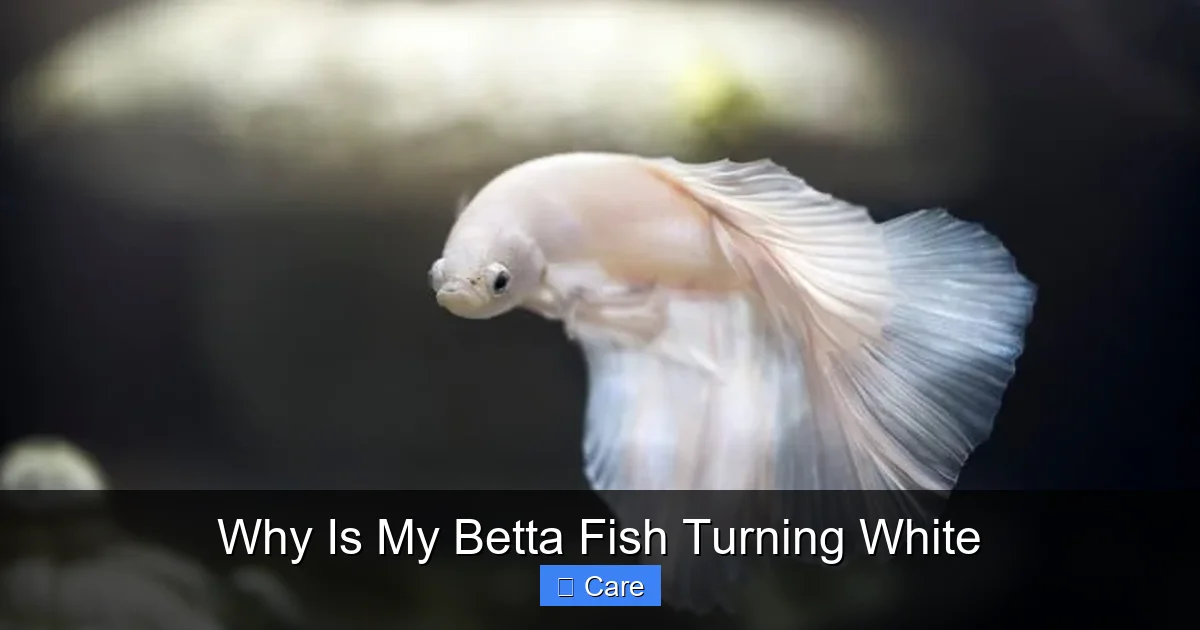
Betta are solitary by nature. Housing them with other fish, especially fin‑nippers, can cause chronic stress. Even a community tank that looks “peaceful” can create hidden tension. If you see your Betta flaring at tank mates or hiding constantly, it’s a red flag.
Visual guide about Why Is My Betta Fish Turning White
Image source: ouraquariumlife.com
2.2. Lighting Issues
Too much bright light or sudden changes in lighting cycles can stress a Betta. Aim for 8‑10 hours of gentle aquarium lighting per day. Use a dimmable LED or a floating plant to diffuse harsh glare.
2.3. Improper Tank Size
A 2‑gal (8‑liter) bowl may look cute, but it doesn’t provide enough stable water parameters. A 5‑gallon (19‑liter) filtered tank is the minimum for a healthy Betta. Larger water volume buffers against temperature swings and toxin spikes.
Practical Tip
Provide plenty of hiding spots—live plants, silk ornaments, or a small cave. When a Betta feels safe, its colors stay bright.
3. Disease – When White Means Illness
3.1. Fungal Infections
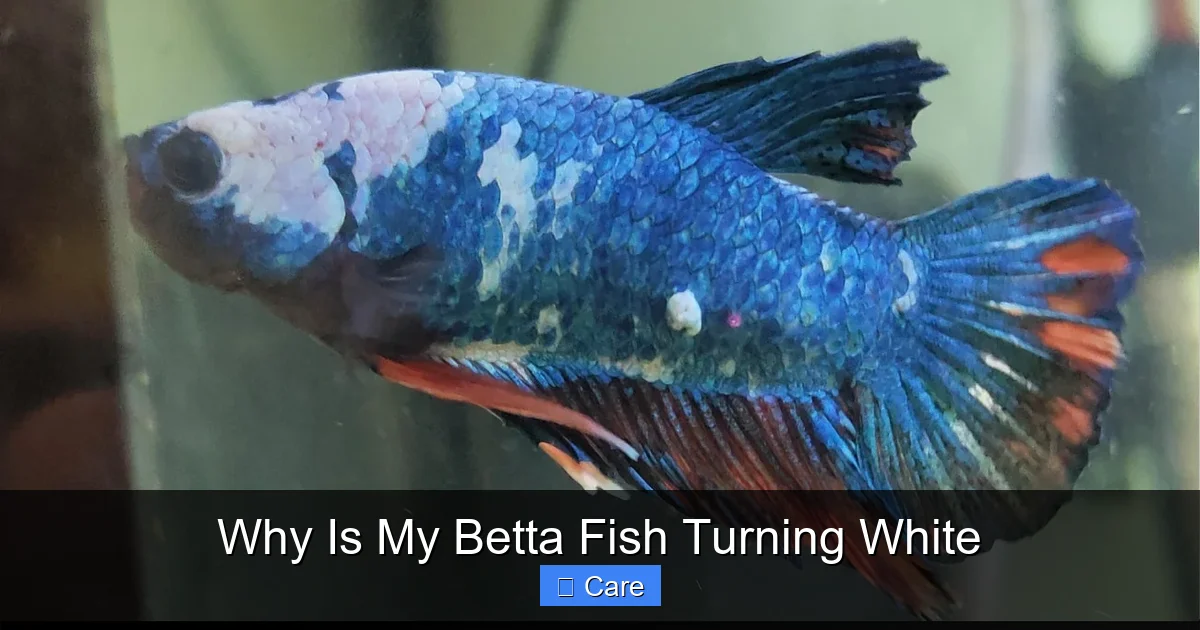
Fungal growth appears as cotton‑like white patches, often on the fins or body. It usually follows a minor injury or poor water quality. If the white looks fluffy, treat with an antifungal dip (e.g., Melafix or a formalin bath) and improve water conditions.
Visual guide about Why Is My Betta Fish Turning White
Image source: buildyouraquarium.com
3.2. Bacterial Infections
Some bacterial infections cause a uniform whitening of the skin, called “pseudomonas” or “columnaris.” The fish may also show frayed fins and loss of appetite. Antibiotic treatments like Maracyn or Kanamycin, administered per package instructions, are effective when started early.
3.3. Parasites (Ich, Velvet, etc.)
White spots from Ich are tiny, pin‑head sized, and appear all over the body. Velvet looks more dusty and may give a silver sheen. Both cause stress and can lead to color loss. Raise the temperature to 82°F (28°C) and add a copper‑based medication or a herbal dip (e.g., API Aqua‑Safe).
Practical Tip
Quarantine any new fish for at least 14 days. Treat any signs of disease in the quarantine tank before introducing the newcomer to your Betta’s home.
4. Nutrition – Feeding the Colors Back
4.1. Quality Over Quantity
Betta pellets or frozen foods that contain natural pigments (carotenoids, astaxanthin) support vibrant reds and blues. Avoid cheap pellets with fillers; they can lead to dullness.
4.2. Variety Is Key
Offer a mix of high‑protein foods:
- Freeze‑dried or live brine shrimp (rich in beta‑carotene)
- Bloodworms (natural iron for color)
- High‑quality Betta pellets (contain spirulina)
Feed small amounts 2‑3 times daily, removing any uneaten food after 5 minutes to keep water clean.
4.3. Supplements
If your Betta’s color stays pale despite a good diet, consider a pigment supplement like “Betta Color Boost” that contains astaxanthin and can enhance reds and oranges.
Practical Tip
Rotate foods weekly. A varied diet prevents nutritional gaps that can cause the fish to lose its natural sheen.
5. Environmental Enhancements – Making the Tank a Color‑Friendly Zone
5.1. Live Plants
Plants such as Anubias, Java fern, and Marimo moss provide natural cover and help absorb nitrates. They also release trace minerals that support pigment production.
5.2. Substrate Choices
Fine sand or smooth gravel mimics the Betta’s natural habitat. Rough or sharp substrates can damage fins, leading to infection and whitening.
5.3. Water Flow
Betta prefer gentle water movement. A weak current from a small sponge filter or a gentle air stone keeps water oxygenated without stressing the fish.
Practical Tip
Use a “driftwood décor” that slowly releases tannins, lowering pH and adding a natural amber tint that makes the Betta’s colors pop.
6. When to Seek Professional Help
6.1. Persistent White Patches
If white spots or patches do not improve after 48‑72 hours of proper treatment, it may be a deeper infection. A vet specializing in fish can prescribe stronger antibiotics.
6.2. Behavioral Changes
Loss of appetite, lethargy, or frantic swimming combined with whitening are warning signs. Prompt professional advice can save your Betta’s life.
6.3. Lab Testing
Some clinics can run water and tissue tests to pinpoint hidden toxins or rare diseases. This is especially useful if multiple fish in the same system show symptoms.
Conclusion: Bringing Back the Brilliant Hue
Understanding why is my betta fish turning white is the first step to fixing the problem. Most cases boil down to water quality, stress, disease, or nutrition. By monitoring parameters, reducing stressors, treating infections early, and feeding a balanced diet, you give your Betta the best chance to regain its vivid colors.
Remember, Betta fish are resilient. A quick response, a clean tank, and a little love can turn a pale, worried fish back into the proud, colorful champion you first fell in love with.
Frequently Asked Questions
Why does my Betta turn white when I change the water?
Sudden temperature or pH shifts during a water change can stress the fish, causing temporary whitening. Always match the new water’s temperature and condition to the tank’s before adding it.
Can a Betta’s color fade permanently?
If the underlying issue (e.g., chronic disease or poor water) isn’t addressed, the color loss can become permanent. Early treatment usually restores the original hue.
Is a white Betta always sick?
No. Some Betta varieties, like the “albino” or “white lab,” naturally have pale bodies. However, if a normally bright Betta suddenly turns white, it’s a sign of stress or illness.
How often should I test my Betta’s water?
Test for ammonia, nitrite, nitrate, and pH at least once a week. After any major tank event (new fish, medication, water change), test again within 24‑48 hours.
What is the fastest way to treat a fungal infection?
Remove the fish to a quarantine tank, raise the temperature to 82°F (28°C), and add an antifungal dip such as Melafix for 4‑6 hours daily until the white cotton‑like growth disappears.
Can adding live plants help restore my Betta’s color?
Yes. Live plants improve water quality, provide natural hiding spots, and release trace minerals that aid pigment production, all of which help a Betta regain its bright colors.