How Long Does Betta Fish Water Supposted to Sit For
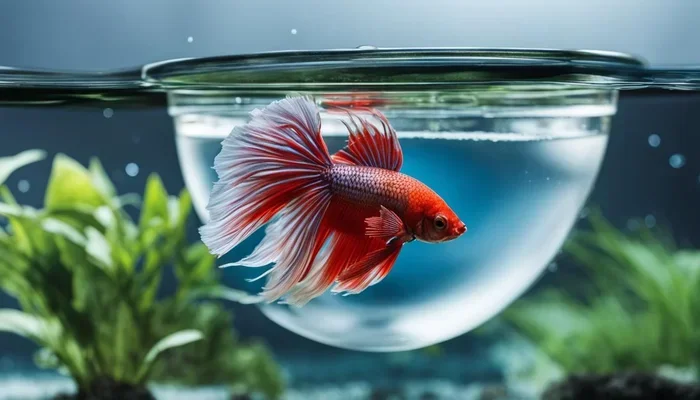
Betta fish water should sit for at least 24 to 48 hours before adding your fish to the tank. This resting period lets chlorine evaporate and helps stabilize water temperature and pH levels. Properly sitting water is one of the simplest yet most important steps in betta fish care.
Getting a betta fish is exciting. You pick out the perfect tank, maybe some colorful decorations, and you are ready to bring your new friend home. But before you pour that water into the tank, there is one step many beginners skip. You need to let the water sit first. So, how long does betta fish water supposed to sit for? The short answer is at least 24 hours, but there is more to it than that.
Letting water sit is not just a random rule fish hobbyists made up. It serves a real purpose. Tap water contains chlorine and chloramine, which are harmful to betta fish. These chemicals protect us when we drink the water, but they can damage your betta’s delicate gills and skin. When you let water sit, chlorine naturally evaporates over time. This simple step can mean the difference between a healthy, happy betta and a stressed, sick one.
In this guide, we will walk through everything you need to know about letting water sit for your betta fish. You will learn the exact timing, what happens if you skip this step, and how to speed up the process safely. By the end, you will feel confident every time you prepare water for your betta tank.
Key Takeaways
- 24 to 48 hours is the standard: Most experts agree that letting water sit for at least a full day removes harmful chlorine and stabilizes temperature.
- Water conditioner can speed things up: Using a conditioner lets you add betta fish to water much faster than waiting for it to sit naturally.
- Temperature matters just as much: Cold or hot water can stress your betta, so letting water reach room temperature is essential.
- Skipping this step has real consequences: Untreated tap water can cause gill damage, stress, and even death in betta fish.
- Small tanks need extra attention: In a smaller betta bowl or tank, water parameters change faster, making proper water prep even more critical.
📑 Table of Contents
- Why Does Betta Fish Water Need to Sit?
- How Long Should You Let Water Sit Before Adding Betta Fish?
- What Happens If You Don’t Let Water Sit?
- How to Properly Let Water Sit for Your Betta
- Can You Speed Up the Water Sitting Process?
- Common Mistakes When Letting Water Sit
- How Often Should You Change Betta Fish Water?
- Final Thoughts
Why Does Betta Fish Water Need to Sit?
Water sitting is not about the water getting old or going bad. It is about making the water safe and stable for your betta. Tap water goes through a treatment process at your local water facility. Part of that process involves adding disinfectants like chlorine and chloramine. These chemicals keep humans safe from bacteria and pathogens, but they are toxic to fish.
The Role of Chlorine and Chloramine
Chlorine is a gas that dissipates naturally when exposed to air. This is why letting water sit works so well for removing it. Chloramine, on the other hand, is a combination of chlorine and ammonia. It is more stable and does not evaporate as easily. This is a key reason why simply letting water sit may not be enough on its own. You might also need a water conditioner to fully neutralize chloramine.
Temperature Stability
Another reason water needs to sit is temperature. Betta fish are tropical fish. They thrive in warm water, typically between 76 and 82 degrees Fahrenheit. When you fill a tank with cold tap water, it can shock your betta’s system. Letting the water sit allows it to reach room temperature or match the temperature of your tank. This gradual adjustment keeps your betta comfortable and stress-free.
pH and Water Parameter Balance
Water sitting also gives time for pH levels to stabilize. Tap water can have varying pH levels depending on your location. Betta fish prefer slightly acidic to neutral water, around 6.5 to 7.5 pH. When water sits, some of the dissolved gases escape, which can gently shift the pH closer to a safe range. This process is subtle but helpful for maintaining stable water parameters in your betta tank.
How Long Should You Let Water Sit Before Adding Betta Fish?
The general rule of thumb is 24 to 48 hours. This gives chlorine enough time to evaporate and allows the water temperature to settle. But the exact time can vary depending on a few factors.
Minimum Time: 24 Hours
24 hours is the bare minimum. If you used plain tap water with no conditioner, 24 hours gives chlorine time to off-gas. During this period, keep the water in an open container. The exposure to air is what helps chlorine evaporate. Covering the container tightly will trap chlorine inside and slow down the process.
Ideal Time: 48 Hours
48 hours is better, especially if your tap water contains chloramine. Some water treatment facilities use chloramine instead of chlorine because it lasts longer in the water supply. Chloramine does not evaporate as quickly as chlorine. Giving the water a full 48 hours helps reduce both chlorine and some ammonia from the chloramine breakdown.
Factors That Affect Sitting Time
Several things can change how long your water needs to sit:
- Water source: City tap water often has more chlorine than well water. If you use city water, lean toward the 48-hour mark.
- Container type: A wide-open bucket lets chlorine escape faster than a narrow-necked bottle.
- Room temperature: Warmer rooms speed up evaporation of chlorine and help the water reach the right temperature faster.
- Aeration: Using a simple air stone or gently stirring the water increases surface area and speeds up chlorine removal.
What Happens If You Don’t Let Water Sit?
Skipping the water sitting step might seem harmless, especially if your betta fish looks fine at first. But the effects of untreated tap water can show up quickly or build up over time. Here is what can go wrong.
Immediate Effects on Your Betta
When you add untreated tap water directly to a betta tank, the chlorine attacks the gills. Betta fish breathe through their gills, so this is especially damaging. You might notice your betta gasping at the surface, flashing against decorations, or acting lethargic. These are clear signs of water stress and chemical burns on the gill tissue.
Long-Term Health Problems
Even small amounts of chlorine or chloramine that do not cause immediate harm can weaken your betta’s immune system over time. A weakened immune system makes your betta more vulnerable to common diseases like fin rot, ich, and fungal infections. Over time, the ammonia released from chloramine breakdown can spike in the water, creating a toxic environment.
Impact on Beneficial Bacteria
Your betta tank relies on beneficial bacteria to break down waste. These bacteria are sensitive to chlorine. When you add untreated water, you can kill off colonies of good bacteria in your filter and substrate. This sets back your tank’s nitrogen cycle and can lead to ammonia and nitrite spikes. If you are building a new tank, this is especially dangerous.
How to Properly Let Water Sit for Your Betta
Now that you know why sitting water matters and how long it needs to sit, let us walk through the actual process step by step. Following these steps ensures your betta gets the safest, most comfortable water possible.
Step 1: Fill a Clean Container
Start by filling a clean bucket or container with tap water. Make sure the container has never held soap, chemicals, or any other cleaning products. Residue from these substances can be just as harmful as chlorine. A dedicated bucket for aquarium use is a smart investment.
Step 2: Remove the Water From the Bottle
Do not pour water directly from the plastic bottle into your tank. Plastic can leach chemicals into the water over time. Transfer the water into a clean, food-grade container instead. This also gives you better control over the pouring process.
Step 3: Let It Sit Uncovered
Place the container in a well-ventilated area. Leave it uncovered so chlorine can escape into the air. Keep it away from direct sunlight, which can promote algae growth in the container. A room temperature spot works best.
Step 4: Check the Temperature
After 24 hours, check the water temperature. It should be close to room temperature or match your tank’s temperature. If it is too cold, you can gently warm it by placing the container in a warm water bath. Never use boiling water or a microwave, as this can create uneven heating and damage the container.
Step 5: Add Water Conditioner (Optional but Recommended)
Even after water sits for 24 to 48 hours, adding a quality conditioner is a smart move. A conditioner neutralizes any remaining chlorine and chloramine instantly. It also adds beneficial slime coat protectants that help shield your betta from stress. If you want to skip the waiting period entirely, a conditioner is your best friend. You can learn more about how to use tap water conditioner for betta fish to get started.
Step 6: Add the Water to Your Tank
Once the water has sat and reached the right temperature, gently add it to your betta tank. Pour slowly to avoid disturbing the substrate or decorations. If you are doing a partial water change, make sure the new water matches the temperature of the existing tank water as closely as possible.
Can You Speed Up the Water Sitting Process?
Sometimes waiting 24 to 48 hours feels like a long time, especially when you are eager to set up a new tank or do a water change. The good news is there are ways to speed things up safely.
Use a Water Conditioner
This is the fastest and most reliable method. A water conditioner chemically neutralizes chlorine and chloramine on contact. You can add treated water to your tank almost immediately. This is especially useful when you need to do a quick water change or when you have not planned ahead. To learn more about preparing water properly, check out this guide on how to prepare water for a betta fish.
Aerate the Water
Using an air stone or a simple sponge filter increases the surface area of the water. More surface area means faster gas exchange, which helps chlorine escape more quickly. You can let an air stone run in the container of water for a few hours and cut the sitting time significantly.
Boil and Cool the Water
Boiling tap water for 10 to 15 minutes drives off chlorine very effectively. After boiling, let the water cool completely before adding it to your tank. This method works well for small batches of water but is not practical for large water changes.
Use a Carbon Filter
Activated carbon filters can remove chlorine and chloramine from water as it passes through. If you have an external filter or a hang-on-back filter with carbon media, you can run tap water through it before adding it to the tank. This provides another shortcut to safe water.
Common Mistakes When Letting Water Sit
Even experienced fish keepers can make mistakes when preparing water. Here are some common errors to avoid so you always get the best results for your betta.
Using Soap or Chemical Cleaners on Containers
This cannot be stressed enough. Never wash your water container with soap, detergent, or any household cleaner. Even a tiny residue can be lethal to betta fish. Rinse containers with plain water only, and designate them exclusively for aquarium use.
Letting Water Sit Too Long
While 24 to 48 hours is ideal, letting water sit for days or weeks is not better. Stagnant water can grow bacteria, algae, and even become a breeding ground for mosquito larvae. Always use freshly prepared water within a day or two of letting it sit.
Forgetting to Match Temperatures
Letting water sit does not do much good if you pour cold water into a warm tank. Temperature shock is one of the most common causes of betta stress. Always check and match the temperature of new water to your existing tank water before adding it.
Skipping Water Conditioner Entirely
Some hobbyists believe that if water sits long enough, conditioner is unnecessary. While sitting removes chlorine, it does not fully address chloramine or heavy metals that may be present in your tap water. Using a conditioner alongside the sitting process gives you the best protection for your betta.
Not Testing Water Parameters
After letting water sit, it is a good habit to test it with a liquid test kit. You want to confirm that pH, ammonia, nitrite, and nitrate levels are all within safe ranges. This is especially important if you live in an area with hard water or unusual water chemistry. Testing regularly helps you catch problems before they affect your fish.
How Often Should You Change Betta Fish Water?
Letting water sit is only one part of the equation. You also need to change the water regularly to keep your betta healthy. For most betta tanks, a 25 to 30 percent water change every week is ideal. This removes built-up waste, uneaten food, and excess nutrients that can spike ammonia levels.
If you have a smaller bowl or vase, you may need to do partial water changes more frequently, perhaps every few days. Larger tanks with filters can go a bit longer between changes, but weekly maintenance is still the gold standard. To learn more about the right schedule for your setup, read our guide on how often to change water for betta fish.
Every time you do a water change, remember to let the new water sit before adding it. This keeps the process consistent and safe. Pairing regular water changes with properly prepared water is the foundation of excellent betta care.
Final Thoughts
So, how long does betta fish water supposed to sit for? The answer is clear: at least 24 hours, with 48 hours being the ideal window. This simple practice protects your betta from harmful chemicals, stabilizes water temperature, and creates a safer environment for your fish to thrive. It takes very little effort but makes a huge difference in the health and happiness of your betta.
Whether you are a complete beginner or an experienced hobbyist, making water sitting a regular habit is one of the best things you can do for your fish. Combine this practice with a good water conditioner, regular testing, and consistent water changes, and you will set your betta up for a long, healthy life. Your betta fish deserves clean, safe, and comfortable water, and letting water sit is the easiest way to give it exactly that.
Frequently Asked Questions
Can I use bottled spring water instead of letting tap water sit?
Bottled spring water can work, but it often lacks the minerals betta fish need. It is also expensive for regular water changes. If you use spring water, let it sit for at least 24 hours and test the parameters before adding it to your tank. A water conditioner is still a good idea with any water source.
Does boiling tap water replace the need for letting it sit?
Boiling removes chlorine quickly, but it does not remove chloramine or heavy metals. You still need to let boiled water cool to the right temperature before adding it to your tank. Using a water conditioner after boiling is the safest approach.
What if my betta fish is already in untreated water?
If you accidentally added untreated tap water, do a partial water change immediately with properly treated water. Watch your betta for signs of stress like gasping, clamped fins, or loss of color. Acting quickly can prevent serious harm and give your betta a better chance of recovery.
How can I tell if my tap water is safe for betta fish?
The easiest way is to use a liquid test kit that checks for chlorine, chloramine, ammonia, and pH. You can also contact your local water utility to get a water quality report. This report tells you exactly what chemicals are in your tap water and helps you decide the best preparation method.
Is it okay to let water sit for a week before using it?
No, letting water sit for too long is not helpful. Stagnant water can grow harmful bacteria and lose oxygen. Use water that has sat for 24 to 48 hours. If you need to store water longer, keep it in a sealed container and add a conditioner before use.
Do betta fish need a water filter if I always let water sit?
Yes, betta fish benefit greatly from a gentle filter. Letting water sit prepares new water safely, but a filter keeps the existing tank water clean between water changes. Choose a filter with a gentle flow, since bettas prefer calm water. A sponge filter is an excellent choice for most betta setups.