Why Does My Betta Fish Look Bloated
Seeing your betta fish look bloated is a clear sign something is wrong. It’s not normal and almost always points to an underlying health issue. The most frequent causes are overfeeding leading to constipation, swim bladder disorders, or severe bacterial infections like dropsy. Treatment and recovery depend entirely on correctly identifying the root cause. Immediate action, including fasting, water changes, and possibly medication, is crucial for your fish’s well-being.
Key Takeaways
- Bloating is a symptom, not a disease itself: A swollen betta indicates an underlying problem that must be diagnosed correctly for effective treatment.
- Overfeeding and constipation are the #1 culprits: Most mild bloating cases are simply digestive backups that often resolve with fasting and a proper diet.
- Swim bladder disease is a common physical cause: This organ’s dysfunction causes buoyancy issues and a pronounced, often uneven, swollen abdomen.
- Dropsy (bacterial infection) is a severe emergency: Look for raised scales (“pinecone” appearance) alongside bloating; this requires aggressive antibiotic treatment.
- Water quality and parasites play a major role: Poor tank conditions and internal parasites like Hexamita can cause chronic bloating and wasting.
- Prevention is always better than cure: A proper feeding schedule, high-quality diet, and pristine water are the best defenses against a bloated betta fish.
- Early intervention saves lives: The moment you notice persistent bloating, begin a diagnostic process—don’t wait for the condition to worsen.
📑 Table of Contents
- Understanding Bloating in Bettas: It’s a Cry for Help
- The Most Common Culprits: Why Your Betta’s Belly is Swelling
- How to Diagnose: Becoming a Betta Detective
- Treatment and Remedies: A Targeted Approach
- Prevention Strategies: Keeping Your Betta Healthy and Un-Bloated
- When to Worry: Red Flags and The Hard Truth
- Conclusion: Your Betta’s Health is in Your Hands
Understanding Bloating in Bettas: It’s a Cry for Help
You glance at your betta fish, that vibrant, personality-filled companion swimming gracefully in its home. Then you do a double-take. Its belly looks… puffy. Swollen. Maybe it’s even starting to protrude in an odd way. Your heart sinks. “Why does my betta fish look bloated?” is one of the most common and urgent questions new and experienced betta owners ask. The short, critical answer is this: a bloated betta fish is never, ever normal. It is a definitive visual symptom that something is significantly wrong inside your fish’s body.
Think of bloating as your betta’s way of sending an SOS signal. That swollen abdomen isn’t just extra weight; it’s a buildup of fluid, gas, impacted waste, or a physical distortion of internal organs. The causes range from the relatively simple and fixable, like a dietary mistake, to the tragically serious and often fatal, like advanced systemic infection. The key to saving your fish is to move past the initial panic and become a detective. This guide will walk you through every possible cause, how to tell them apart, and what you can do about it. Your betta’s life could depend on the information you find here.
The Most Common Culprits: Why Your Betta’s Belly is Swelling
To solve the mystery of the bloated betta fish, we must investigate the prime suspects. Each cause has its own telltale signs and requires a different approach. Let’s break them down, starting with the most frequent offender.
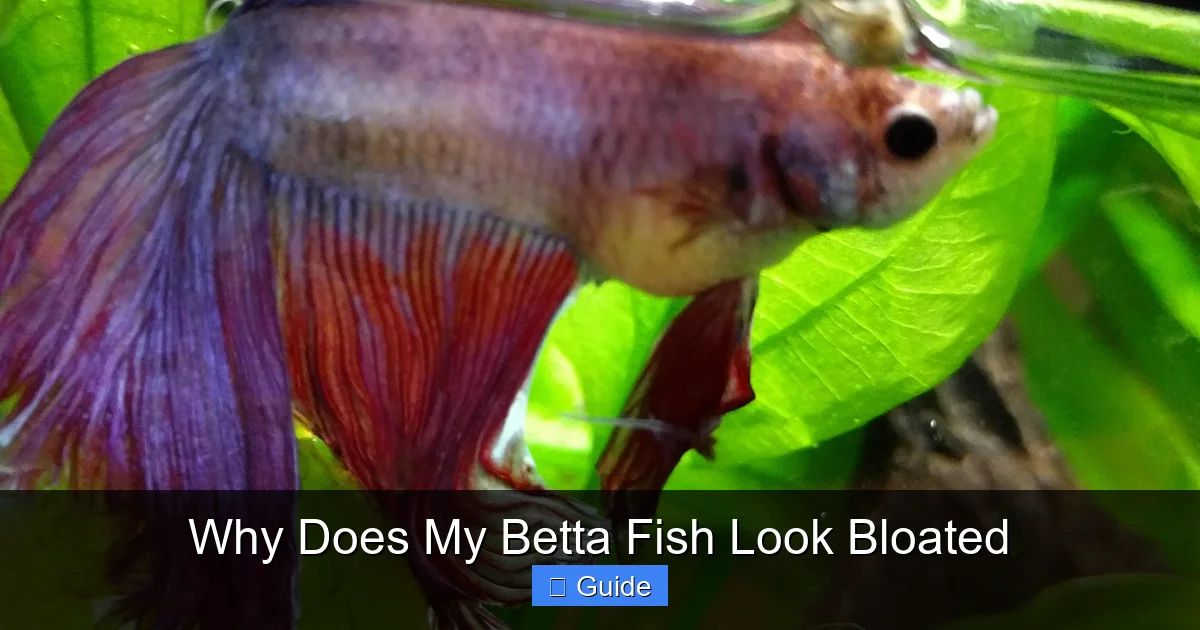
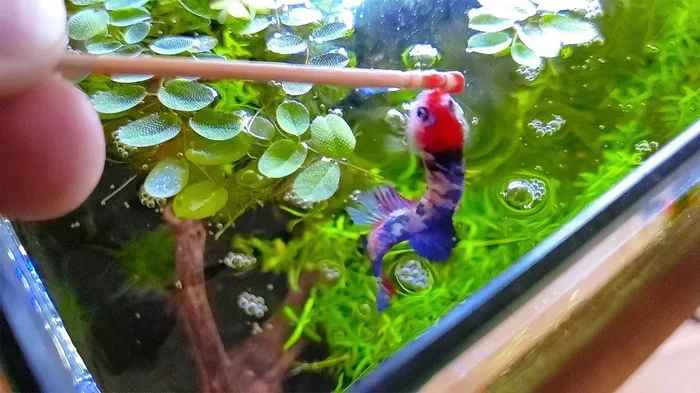
Visual guide about Why Does My Betta Fish Look Bloated
Image source: i.redd.it
1. Constipation and Overfeeding: The #1 Cause
This is, by far, the most common reason for a mildly to moderately bloated betta fish. Bettas are carnivores with short digestive tracts. They are not designed to eat large meals or plant-based foods. When they are overfed, or fed the wrong foods (like too many peas or flake foods with fillers), the food impacts in their intestines. This creates a physical blockage, leading to a swollen, often hard, belly. The fish may also become lethargic and produce stringy, white feces.
Practical Example: A well-meaning owner feeds their betta 5-6 pellets twice a day, plus occasional treats. Over a week, the betta becomes bloated and sinks to the bottom. This is classic overfeeding constipation.
2. Swim Bladder Disease (SBD)
The swim bladder is a gas-filled organ that helps a fish control its buoyancy. When it’s inflamed, displaced, or damaged, the fish loses the ability to swim normally. A key visual of SBD is a visibly swollen abdomen, which can be localized to one side if the bladder is pushed over. The fish may float uncontrollably, sink and struggle to rise, or swim sideways or upside-down. Constipation is a leading cause of SBD because the impacted stool physically pushes on the bladder. Other causes include bacterial infection, injury, or congenital defects.
3. Dropsy: The Deadly Bacterial Infection
This is not a disease itself but a severe symptom of a systemic bacterial infection, often Aeromonas. The bacteria cause the fish’s body to retain fluid (edema), leading to extreme, often symmetrical, bloating. The hallmark sign of dropsy is raised scales. As the belly swells, the scales stand out like a pinecone. The fish’s eyes may also bulge (exophthalmia). Dropsy is almost always fatal if not caught in the very, very early stages and treated with strong antibiotics in a hospital tank.
4. Internal Parasites (Hexamita/Spironucleus)
Parasites like Hexamita can cause a condition known as “hole-in-the-head” disease, but they also wreak havoc on the digestive tract. They damage the intestinal lining, leading to chronic inflammation, poor nutrient absorption, and severe bloating. The fish often appears emaciated (wasted) and bloated at the same time—a classic sign of internal parasites. Feces may be thin and stringy.
5. Tumors and Cysts
Less common but possible are internal growths. A tumor on the liver, kidney, or other organ, or a large cyst, will physically enlarge the abdomen. The swelling is usually persistent, progressive, and may be localized to one area. The fish may show other signs of decline as the organ function fails. There is no cure for internal tumors in fish, and euthanasia is often the kindest option.
6. Egg-Binding in Females
An unspawned female betta can become egg-bound. She produces eggs but does not release them, and they become impacted in her ovipositor. This causes severe swelling in the lower abdomen, often just behind the ventral fin. The fish may become lethargic and show a “bowed” posture. This can sometimes be resolved by a gentle water temperature increase and a very soft, easily digestible diet to encourage spawning behavior, but it often requires veterinary intervention.
How to Diagnose: Becoming a Betta Detective
Now that you know the “who,” you need the “how.” Diagnosing your bloated betta fish requires careful observation and a process of elimination. Don’t just guess—systematically check.
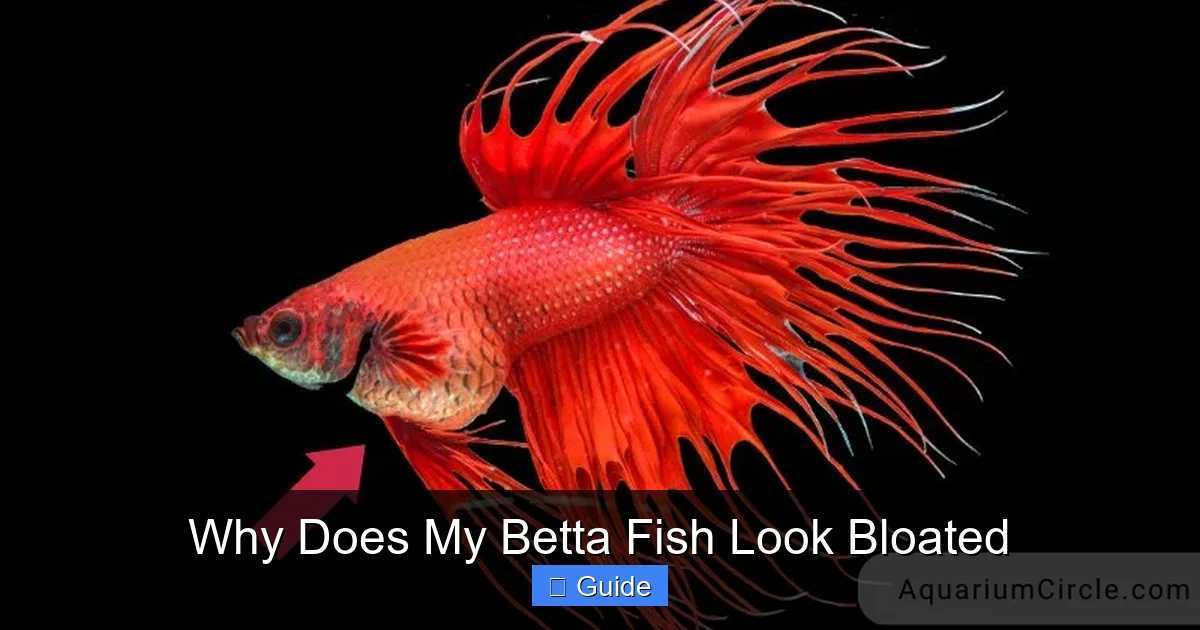
Visual guide about Why Does My Betta Fish Look Bloated
Image source: aquariumcircle.com
The Essential Diagnostic Checklist
- Observe Buoyancy: Is your betta floating nose-down, tail-up? Sinking and struggling to rise? Swimming sideways? This points strongly to Swim Bladder Disease.
- Palpate Gently (Optional & Careful): With a clean, soft net, you can very gently feel the abdomen. Is it hard and firm (likely constipation/impaction) or soft and fluid-filled (likely dropsy or severe infection)? Never squeeze.
- Examine the Scales: Get a close look. Are they lying flat and smooth, or are they raised, standing out like a pinecone? Raised scales are the definitive sign of dropsy.
- Check the Eyes: Are the eyes normal, or are they bulging, cloudy, or sunken? Bulging eyes (pop-eye) often accompany dropsy or severe internal infection.
- Inspect the Fins: Are they clamped tightly against the body (a sign of distress/illness) or are they frayed, torn, or rotting? Fin rot can be a secondary issue from poor water quality.
- Monitor Appetite and Waste: Is your betta still eating? Is it producing normal feces, or is the waste stringy, white, or absent? No waste for several days suggests constipation.
- Assess the Whole Body: Is the bloating symmetrical (both sides equal) or lopsided? Symmetrical, pinecone-scaled bloating is dropsy. Lopsided bloating with buoyancy issues is often SBD/constipation.
Water Parameters: The Non-Negotiable First Step
Before you even think about medication, test your water. Poor water quality is the single biggest stressor and killer of bettas. It suppresses their immune system, making them vulnerable to all the conditions listed above. You must have a liquid water test kit (test strips are notoriously inaccurate). Your parameters should be:
- Ammonia (NH3/NH4+): 0 ppm (Toxic)
- Nitrite (NO2-): 0 ppm (Toxic)
- Nitrate (NO3-): < 20 ppm (Ideally under 10)
- pH: 7.0-7.5 (Stable is more important than exact number)
- Temperature: 78-80°F (25.5-26.5°C)
If any of these are off, perform a 25-50% water change with properly dechlorinated water (use a water conditioner) and retest. Do this before starting any other treatment.
Treatment and Remedies: A Targeted Approach
Treatment is not one-size-fits-all. You must match the remedy to the diagnosed cause. Here is your action plan for each scenario.
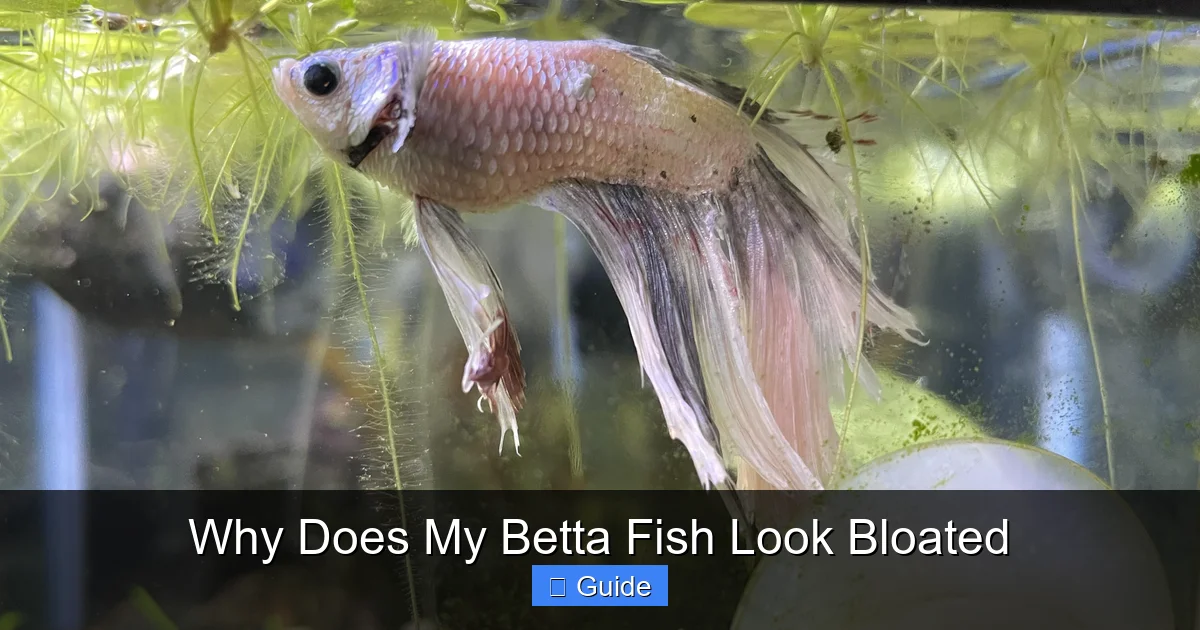
Visual guide about Why Does My Betta Fish Look Bloated
Image source: i.redd.it
For Constipation/Overfeeding (The Most Common Fix)
This is the easiest to treat and should be your first assumption if there are no other severe symptoms (like raised scales).
- Fast Your Betta: Stop all food for 3-5 days. This gives the digestive system a complete rest. Bettas can easily go a week without food. This is not cruel; it’s therapeutic.
- Epsom Salt Bath (Optional but Helpful): After 2-3 days of fasting, you can give a 15-20 minute bath in a separate container with 1 tablespoon of Epsom salt (magnesium sulfate) per gallon of clean, dechlorinated water. This can help reduce swelling and act as a mild muscle relaxant. Do not add Epsom salt to the main tank.
- Re-feed with a Digestive “Clean-Out”: On day 4 or 5, offer a single, blanched pea (remove the shell) or a small amount of daphnia. These are high-fiber foods that act as a natural laxative.
- Return to a Proper Diet: Once normal feces resume (usually 1-2 days after the pea), return to a high-quality pellet diet. Feed only 2-3 pellets once per day, or what your betta can consume in under 30 seconds. Never feed flake food.
For Suspected Swim Bladder Disease (SBD)
Since constipation is the leading cause of SBD, start with the constipation treatment protocol above. If the bloating and buoyancy issues persist after the fasting and pea treatment, the cause may be internal (infection, genetic).
- Continue with pristine water and high temperature (80-82°F can help metabolism).
- Consider a broad-spectrum antibacterial medication like Maracyn (erythromycin) or Kanamycin, as a bacterial infection could be the root cause. Always follow dosing instructions carefully and treat in a separate hospital tank if possible.
- For chronic SBD from birth, there is no cure. Management involves careful feeding of easily digestible foods (pre-soaked pellets, daphnia) and possibly using a gravel guard or smooth-bottom tank to prevent injury.
For Dropsy (Systemic Bacterial Infection)
This is a race against time. Dropsy has a very low survival rate, but you must try.
- Hospital Tank Immediately: Move the betta to a clean, bare (no gravel/decor) hospital tank with aged, dechlorinated water at 80-82°F. This prevents stressing the main tank inhabitants and allows for precise medication dosing.
- Aggressive Antibiotic Treatment: You need a strong, broad-spectrum antibiotic that treats gram-negative bacteria (Aeromonas). Options include:
- Kanamycin (extremely effective but hard on kidneys, use with caution)
- Maracyn 2 (minocycline)
- Furan-2 (nitrofurazone)
Often, a combination like Maracyn + Furan-2 is used. Treatment must be for a full 10-14 day course, even if the fish seems better after a few days. Do not use copper-based medications.
- Epsom Salt: Add 1-2 teaspoons per gallon to the hospital tank. This helps draw out fluid and reduce swelling. It is not a medication, but a supportive care measure.
- Water Changes: Perform 100% water changes in the hospital tank every 24-48 hours during treatment to remove excreted toxins and bacteria, then re-dose medication.
For Internal Parasites
If you suspect parasites (wasted, bloated, stringy poop), you need an anti-parasitic medication.
- Metronidazole is the gold standard for Hexamita and other internal protozoans. It can be found in products like Metroplex or as a raw powder. It is often best administered via food soak (soak pellets in a suspension) to ensure ingestion.
- Praziquantel is effective for tapeworms and flukes, but less so for Hexamita. A combination treatment may be necessary.
- Treatment duration is typically 5-7 days, with a follow-up dose a week later to catch any newly hatched parasites.
Prevention Strategies: Keeping Your Betta Healthy and Un-Bloated
An ounce of prevention is worth a pound of cure. The best way to deal with a bloated betta fish is to ensure it never happens. Here is your definitive prevention protocol.
The Perfect Betta Diet
- High-Quality Pellets: Use a reputable brand where the first 3-5 ingredients are whole fish or shrimp (e.g., salmon, shrimp, krill). Avoid pellets with wheat flour, soybean meal, or potato protein high on the list.
- Fasting is Mandatory: Implement a 24-hour fast once a week. This gives the digestive system a break and mimics their natural eating pattern of occasional large meals.
- Variety is Key: Supplement pellets 2-3 times a week with frozen or live foods: daphnia (excellent for digestion), bloodworms, brine shrimp. Never feed exclusively on one food.
- Soak Pellets: Pre-soak dry pellets in tank water for 5-10 minutes before feeding. This prevents them from expanding in the betta’s stomach, a common cause of SBD.
- Portion Control: 2-3 pellets per day for an adult betta is sufficient. If food sinks to the bottom uneaten, you are overfeeding.
Impeccable Water Quality is Non-Negotiable
This cannot be stressed enough. A cycled, filtered tank with regular maintenance is the foundation of betta health.
- Cycled Tank: Your tank must be fully cycled (established beneficial bacteria that process ammonia and nitrite). A 5-gallon minimum is recommended for a cycled tank with a filter.
- Weekly Water Changes: Perform 25-50% water changes weekly, using a gravel vacuum to remove solid waste from the substrate.
- Test Regularly: Test your water parameters at least once a week with a liquid kit. More often if issues arise.
- Temperature Stability: Use a reliable aquarium heater to maintain 78-80°F. Sudden drops in temperature slow metabolism and digestion, leading to constipation.
Stress Reduction
Stress compromises the immune system. Reduce stress by:
- Providing hiding places (live or silk plants, caves).
- Avoiding tank mates that may nip fins (most fish are unsafe with bettas).
- Keeping the tank in a quiet area away from loud noises, vibrations, and direct sunlight.
- Using a lid to prevent jumping (bettas are jumpers!).
When to Worry: Red Flags and The Hard Truth
Not all bloating is equal. Here is your triage guide for when a bloated betta fish becomes a critical emergency.
Red Flags That Mean Immediate Action
- Raised Scales (Pinecone Appearance): This is dropsy. Start antibiotic treatment immediately. The prognosis is poor, but you must try.
- Rapid, Severe Swelling: If the betta balloons in size over 24-48 hours, it’s likely dropsy or a severe internal issue.
- Complete Loss of Appetite for >5 Days: Especially when combined with bloating.
- Labored Breathing: Gasping at the surface, rapid gill movement. This indicates severe distress, often from poor water or infection.
- Lethargy and Inability to Maintain Position: The fish is weak and cannot swim normally, constantly sinking or floating uncontrollably.
The Difficult Conversation: Euthanasia
Sometimes, despite our best efforts, a betta is too far gone. If your betta has dropsy with severe pineconing, is emaciated and bloated from parasites, or is in constant pain and distress (cannot swim, cannot eat), you must consider humane euthanasia. This is an act of love, not failure. The most humane method for a small fish is the clove oil method. It is peaceful and painless. Research the proper protocol thoroughly. Letting a fish suffer is the worst outcome.
Conclusion: Your Betta’s Health is in Your Hands
So, why does your betta fish look bloated? The answer lies in a combination of careful observation, water testing, and targeted treatment. Remember the hierarchy: rule out water quality first, then consider the most common causes (constipation/SBD), and finally, the severe ones (dropsy, parasites). Your betta depends entirely on you to interpret its symptoms and act decisively. A bloated betta fish is a betta in trouble. By arming yourself with this knowledge—by understanding that a fast and a pea can save a life, that raised scales mean war with bacteria, and that pristine water is the ultimate prevention—you move from a worried owner to a capable caregiver. You can do this. Observe, test, act, and give your finned friend the best chance at a long, healthy, and un-bloated life.
Frequently Asked Questions
Can I treat a bloated betta fish with Epsom salt alone?
Epsom salt (magnesium sulfate) is a supportive care tool, not a cure. It can help reduce swelling and relax muscles, but it will not treat underlying bacterial infections like dropsy or internal parasites. It is best used in conjunction with proper treatment for the diagnosed cause, such as during a fast for constipation or alongside antibiotics for dropsy.
How long should I fast my bloated betta fish?
For suspected constipation or swim bladder issues from overfeeding, fast your betta for 3-5 days. This allows the digestive tract to clear completely. On day 3-4, offer a single blanched pea. If normal排便 resumes, slowly reintroduce a proper diet. If bloating persists after 5 days of fasting, the cause is likely not simple constipation.
Is dropsy contagious to other fish in the tank?
Dropsy itself is a symptom of a bacterial infection, most commonly Aeromonas. This bacterium is often present in aquariums at low levels but only causes disease in stressed or immunocompromised fish. While not “contagious” in the same way as a virus, the bacteria can be present in the water. It is highly recommended to move a dropsy-suspected fish to a hospital tank for treatment to protect other fish and allow for accurate medication dosing.
My betta is bloated but still eating normally. What could it be?
A betta that is bloated but has a good appetite could still be suffering from early-stage constipation, a developing swim bladder issue, or the very initial phase of an internal parasite infection or dropsy. Do not be fooled by a continued appetite. Monitor closely for other symptoms like changes in feces, buoyancy, or scale appearance. Begin a fast immediately and test your water parameters.
Can poor water quality alone cause a betta to become bloated?
Yes, indirectly. Chronic exposure to ammonia or nitrite causes immense stress and damages internal organs, including the liver and kidneys. This organ damage can lead to fluid buildup (edema) and bloating. Furthermore, poor water quality suppresses the immune system, making the betta vulnerable to the bacterial infections that cause dropsy. Therefore, maintaining perfect water is the first and most critical step in both prevention and treatment.
My betta bloated after a water change. What happened?
A bloated betta after a water change is usually due to one of two things: 1) Temperature Shock: If the new water was significantly warmer or colder than the tank, it can shock the fish’s system, slowing digestion and causing constipation. Always match the temperature of new water to the tank within 1-2 degrees. 2) Water Chemistry Shock: If the pH or hardness of the new water was drastically different, it can cause osmotic stress, leading to fluid imbalance and swelling. Always use a water conditioner and try to match parameters as closely as possible during changes.