Why Does My Betta Fish Fins Look Shredded
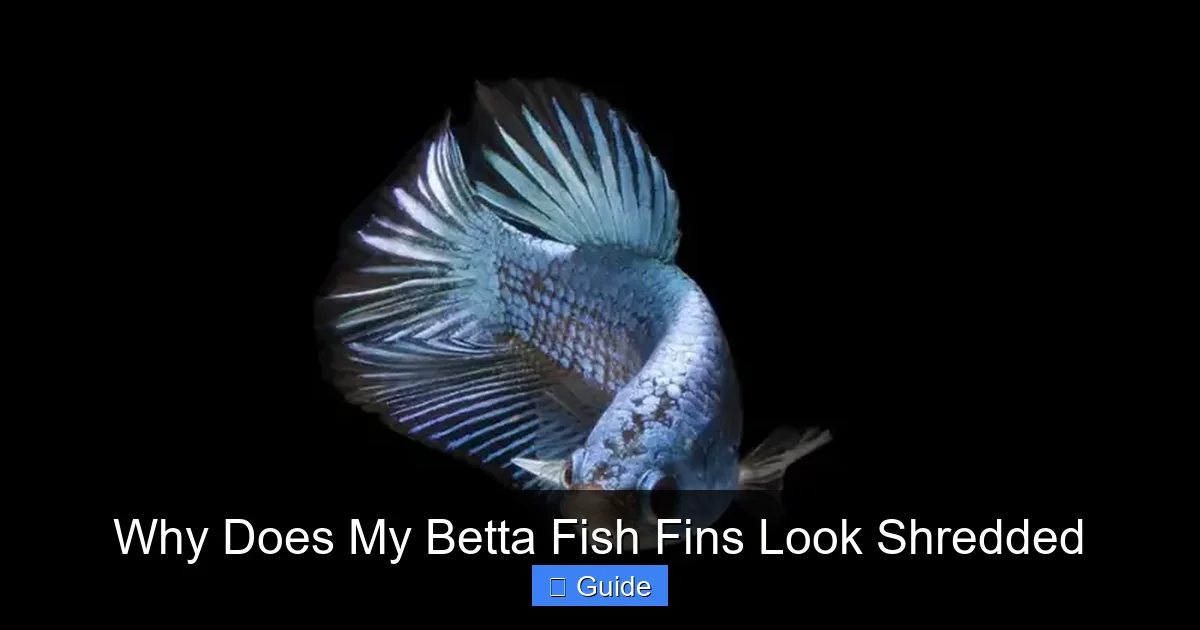
Shredded betta fins are a clear symptom of distress, not a disease itself. The most common culprits are poor water quality causing fin rot, aggressive tank mates leading to fin nipping, or physical injury from sharp decorations. Immediate action is critical—test your water, isolate the fish if needed, and begin treatment. With proper care, betta fins can often regenerate fully, but prevention through clean water and a peaceful environment is always the best strategy.
Why Does My Betta Fish Fins Look Shredded
You lean in to say good morning to your beautiful betta fish, and your heart sinks. Those long, flowing fins you admired—the ones that made him look like a living piece of silk—now look ragged, torn, and shredded. It’s a sickening feeling for any betta owner. Your first thought is likely, “Why does my betta fish fins look shredded?”
This is one of the most common and alarming issues betta keepers face. Shredded fins are your fish’s urgent distress signal. They are a symptom, not the disease itself. Think of it like a fever in a human—it tells you something is wrong, but you need to find the root cause. The good news is that with quick, correct action, you can almost always stop the damage and help your betta recover. The path to healing starts with understanding exactly what is attacking your fish’s beautiful fins.
This guide will walk you through every possible cause, from the obvious to the hidden. We’ll break down the science of fin rot, the psychology of fin nipping, and the silent killer of poor water quality. You’ll learn how to diagnose the problem, implement immediate treatments, and build a long-term prevention plan. Let’s get your betta’s fins flowing beautifully again.
Key Takeaways
- Water quality is the #1 cause: High ammonia or nitrite levels directly damage fin tissue and lead to fatal fin rot.
- Fin nipping is common: Bettas may bite their own fins due to stress or boredom, or be attacked by aggressive tank mates.
- Fin rot is a secondary infection: It often starts from a small tear or poor water, appearing as a white, black, or red fuzzy decay that spreads.
- Sharp tank decor is a hidden hazard: Rough rocks, plastic plants, and even filter intakes can snag and tear delicate betta fins.
- Nutrition matters: A diet lacking in high-quality protein and vitamins (like Vitamin C) weakens fins and slows healing.
- Early intervention is key: The moment you see fraying or discoloration, improve water conditions and consider medication.
- Fins can regrow: Given pristine water and no ongoing stress, bettas can fully regenerate fins over weeks to months.
The Most Common Culprits Behind Shredded Betta Fins
When you see shredded fins, three primary offenders are almost always to blame. Learning to distinguish between them is your first diagnostic step. Is it an infection? Is it physical trauma? Is it self-inflicted? The pattern of damage often holds the clues.
Fin Nipping: The Bite That Keeps on Biting
Fin nipping is exactly what it sounds like: one fish biting the fins of another. It’s a brutal, stressful form of aggression. Bettas are famously territorial, but nipping can also be a sign of extreme boredom or stress in the victim. Look for these signs:
- Clean, straight tears: The edges of the fin look like they were cut with scissors, not decayed. There may be chunks missing.
- Targeted areas: The long, flowing caudal (tail) fin and the elaborate dorsal fin are prime targets because they are most visible and provocative.
- The culprit: If you have other fish in the tank, especially fish with a reputation for being “fin-nippers” like some tiger barbs, danios, or even other male bettas, they are the likely suspects. Sometimes, the betta itself is the nipper, a behavior often called “self-m
Frequently Asked Questions
What is why does my betta fish fins look shredded?
why does my betta fish fins look shredded is an important topic with many practical applications.