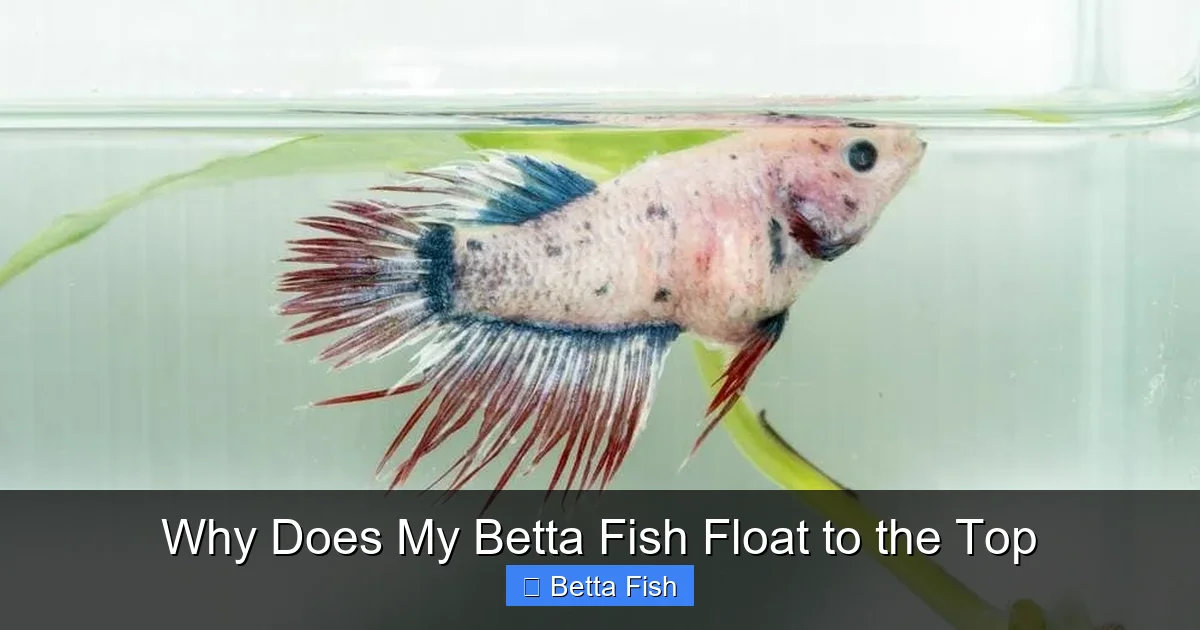
Why Does My Betta Fish Float to the Top
Betta fish floating to the surface isn’t always a cause for panic, but it can signal stress, illness, or water‑quality issues. By checking tank conditions, observing behavior, and acting quickly, you can often correct the problem and prevent serious health risks.
Key Takeaways
- Surface‑floating is a symptom, not a disease: It points to underlying water or health issues that need attention.
- Water quality is the biggest factor: Poor parameters (ammonia, nitrite, low oxygen) often make bettas seek the top.
- Health problems like swim‑bladder disorder or infection: These require specific treatment and sometimes veterinary care.
- Temperature and tank size matter: Too cold or cramped environments stress bettas and cause odd swimming patterns.
- Simple fixes work fast: A water change, temperature adjustment, or adding a hiding spot can stop the floating within hours.
- Regular monitoring prevents recurrence: Test water weekly and keep a daily observation log.
- When in doubt, seek expert help: Persistent floating may need a vet or experienced betta keeper’s advice.
📑 Table of Contents
- Introduction: The Panic When Your Betta Floats
- 1. Water Quality – The Most Common Culprit
- 2. Swim‑Bladder Disorder – When the Fish Can’t Control Its Buoyancy
- 3. Temperature Stress – Too Cold or Too Hot?
- 4. Stress Factors – Crowding, Aggression, and Poor Environment
- 5. Illness and Infections – Bacterial, Fungal, or Parasite Issues
- 6. Overfeeding and Poor Diet – The Hidden Floaters
- 7. When to Call in an Expert
- Conclusion: Quick Action Saves Your Betta
Introduction: The Panic When Your Betta Floats
Imagine you’re checking your aquarium after a long day and see your beautiful betta gliding lazily at the water’s surface. Your first thought might be, “Is my fish sick?” That reaction is natural. Betta fish are known for their vibrant colors and bold personalities, so any change in behavior feels alarming.
In most cases, the phenomenon of a betta floating to the top is a warning sign rather than an immediate death sentence. By understanding the root causes, you can act quickly, correct the problem, and often watch your fish return to its normal, graceful swimming.
1. Water Quality – The Most Common Culprit
Why clean water matters
Betta fish are native to shallow, slow‑moving waters of Southeast Asia where oxygen levels are naturally low but the water is clean and warm. In a home aquarium, the balance can tip easily. High ammonia, nitrite, or low dissolved oxygen will make a betta gasp for air at the surface.
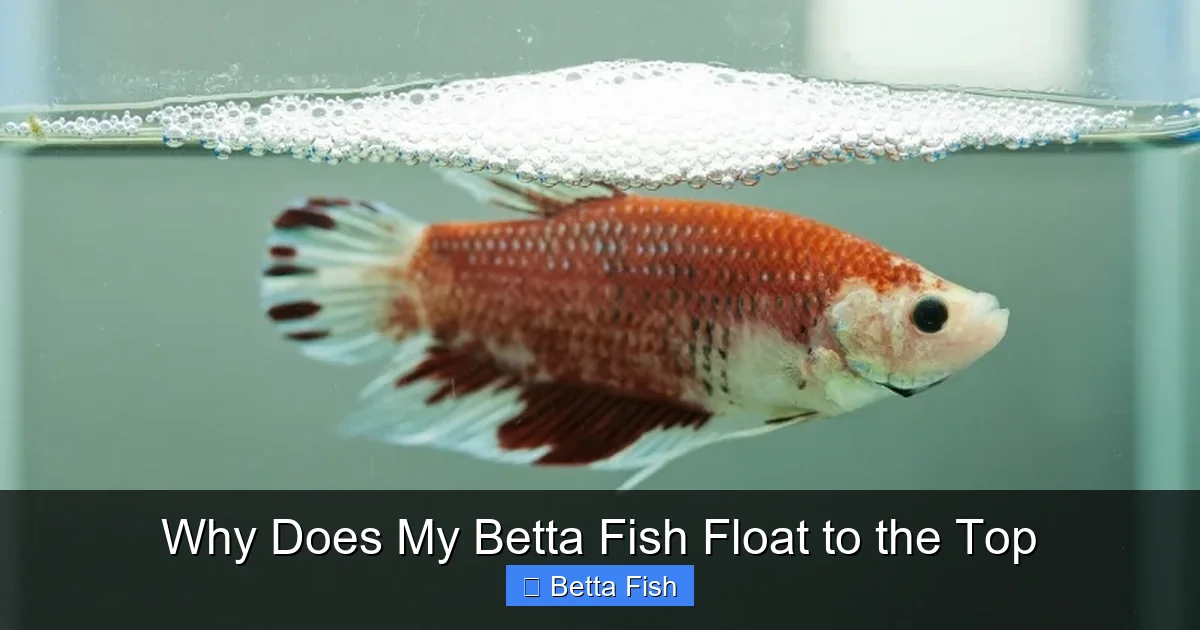
Visual guide about Why Does My Betta Fish Float to the Top
Image source: infishtank.com
Testing and fixing water parameters
- Ammonia & nitrite: Both should read 0 ppm. Even a small spike can irritate gills.
- pH: Aim for 6.5‑7.5. Sudden shifts stress the fish.
- Temperature: Keep it steady between 76‑82°F (24‑28°C). Cold water reduces metabolism and can cause floating.
- Oxygen: A gentle air stone or a small filter with surface agitation adds the oxygen bettas need.
Perform a partial water change (25‑30 %) if any parameter is out of range. This simple step often stops the floating within a few hours.
2. Swim‑Bladder Disorder – When the Fish Can’t Control Its Buoyancy
What is the swim‑bladder?
The swim‑bladder is a gas‑filled organ that lets fish stay at any depth without swimming. If it becomes damaged, infected, or fills with excess fluid, the betta can either sink or float uncontrollably.

Visual guide about Why Does My Betta Fish Float to the Top
Image source: wordscr.com
Signs of swim‑bladder trouble
- Floating upside‑down or sideways
- Difficulty staying upright
- Loss of appetite
- Frequent gulping of air at the surface
Home remedies and when to seek help
Often the issue is caused by over‑feeding or feeding inappropriate foods (like live foods with hard shells). Try fasting the fish for 24‑48 hours, then offer a small amount of boiled peas (skin removed) to relieve constipation, a common cause of swim‑bladder blockage.
If the problem persists after a few days, consider a veterinarian who can perform a gentle syringe‑injection of water into the swim‑bladder or prescribe medication for bacterial infection.
3. Temperature Stress – Too Cold or Too Hot?
Why temperature swings are dangerous
Betta fish are tropical and cannot tolerate rapid temperature changes. A sudden drop can slow metabolism, making the fish sluggish and more likely to float to the top for oxygen. Conversely, overheating can increase metabolism to a point where the fish exhausts itself.
Maintaining stable temperatures
Use a reliable submersible heater with a thermostat. Check the temperature twice daily with a calibrated aquarium thermometer. If you notice the heater cycling on and off frequently, it may be undersized for the tank volume.
For a quick fix, place a floating heater or a warm water bath (in a separate container) around the tank to raise the temperature gradually—no more than 2°F per hour.
4. Stress Factors – Crowding, Aggression, and Poor Environment
Betta’s need for space and privacy
Even though bettas are often kept alone, they can become stressed by a noisy environment, bright lights, or constant movement around the tank. Stress triggers the release of cortisol, which can affect buoyancy control.
Creating a calm habitat
- Provide plenty of hiding spots: silk plants, caves, or PVC tubing.
- Use a dimmable LED light on a 12‑hour cycle.
- Limit the tank to a single betta unless you have a well‑planned community setup.
For more on why bettas like to stay on top of the tank, check out our article Why Betta Fish Always On Top. Understanding this natural behavior helps you differentiate normal activity from stress‑induced floating.
5. Illness and Infections – Bacterial, Fungal, or Parasite Issues
Common diseases that cause floating
External infections (like velvet or ich) can damage gill tissue, reducing oxygen uptake and forcing the fish to the surface. Internal infections, such as columnaris, can also affect the swim‑bladder and overall buoyancy.
Spotting early symptoms
- White or gray patches on the body (velvet)
- Frayed fins or torn edges
- Excessive mucus or a “bloated” appearance – see our guide Why Does My Betta Fish Look Bloated for details.
- Lethargy and loss of appetite
Treatment basics
Isolate the sick betta in a hospital tank. Treat with a broad‑spectrum antibacterial like Maracyn 2 for bacterial infections, or a fungicide if fungal growth is present. Always follow the medication dosage instructions and complete the full course.
6. Overfeeding and Poor Diet – The Hidden Floaters
How food affects buoyancy
Feeding too much or giving foods that are difficult to digest (e.g., large live foods, too many pellets) can cause constipation, leading to swim‑bladder blockage. A bloated belly pushes the fish upward.
Feeding schedule and diet tips
- Feed 2‑3 small portions per day, no more than the size of the fish’s eye.
- Include high‑quality betta pellets, occasional frozen or live brine shrimp, and a weekly pea treat.
- Remove uneaten food after 5 minutes to prevent water quality decay.
If you suspect overfeeding, fast the fish for 24 hours, then resume with a reduced portion size. Watch for improvement over the next 48 hours.
7. When to Call in an Expert
Most floating issues resolve with water changes, temperature adjustments, or diet tweaks. However, if your betta continues to float after 48 hours of corrective action, shows additional symptoms (white spots, shredded fins, loss of color), or appears lethargic, it’s time to seek professional help.
Veterinary clinics that specialize in fish can run water tests, perform internal examinations, and prescribe targeted medication. Early intervention often saves a betta’s life.
Conclusion: Quick Action Saves Your Betta
Seeing your betta fish float to the top can feel like a heart attack, but with a systematic approach you can often diagnose and fix the problem yourself. Start with water quality, check temperature, assess diet, and look for signs of illness. Simple steps—like a partial water change or a brief fast—can make a huge difference.
Remember, a healthy betta thrives in clean, warm water with plenty of hiding places and a balanced diet. Keep a weekly log of water parameters and behavior, and you’ll catch problems before they become emergencies. If you ever feel stuck, don’t hesitate to consult a specialist or explore our other resources, such as Why Did My Betta Fish Jump Out Of The Tank for related stress signs.
Frequently Asked Questions
Why is my betta fish floating at the surface?
Floating usually indicates stress from poor water quality, low oxygen, temperature issues, or a health problem like swim‑bladder disorder.
Can a betta survive if it keeps floating?
Yes, if you quickly address the underlying cause. Most bettas recover after a water change, temperature adjustment, or diet correction.
How long should I wait before treating my betta for swim‑bladder issues?
Try a 24‑hour fast and a pea treat first. If the fish is still floating after 48 hours, consider medication or veterinary help.
Do bettas need a filter to prevent floating?
A gentle filter that creates surface agitation adds oxygen and helps keep water parameters stable, reducing the chance of floating.
Is it normal for bettas to be at the top of the tank sometimes?
Yes, bettas naturally explore the surface to gulp air. However, constant floating or inability to swim normally signals a problem.
What other signs should I watch for besides floating?
Look for loss of color, torn fins, white spots, bloating, loss of appetite, or gasping at the surface. Any of these combined with floating warrants immediate action.