Why Does My Betta Fish Hang Around the Filter
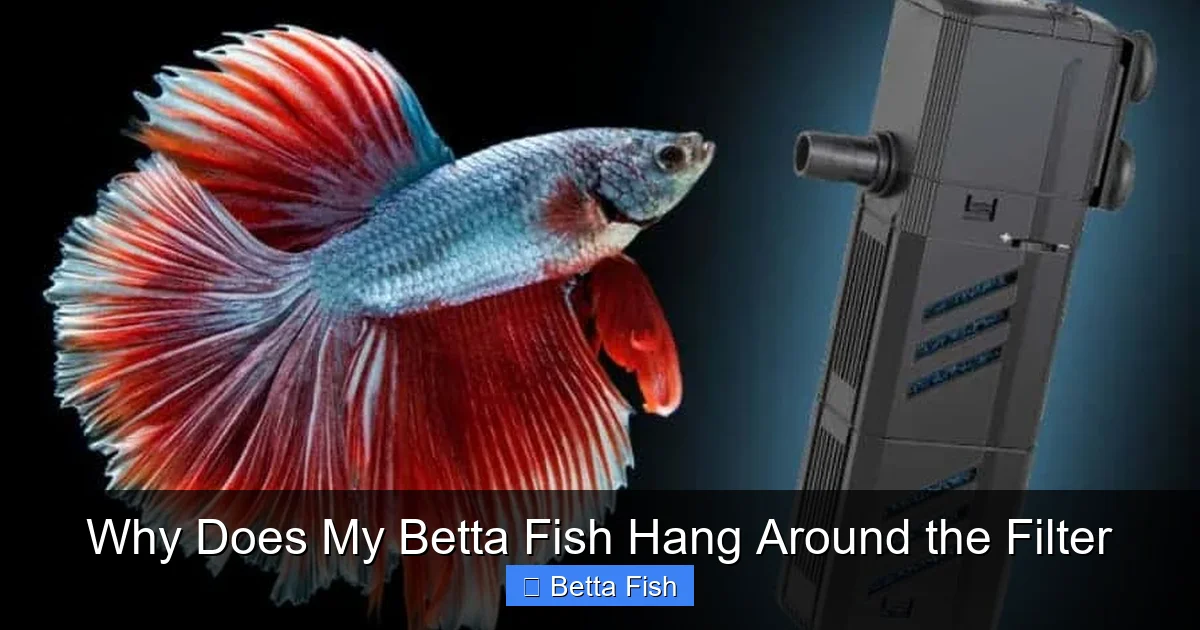
Betta fish often linger near the filter because it provides optimal water flow, oxygen, and a sense of security. Understanding this behavior helps you fine‑tune tank conditions, prevent stress, and enjoy a thriving pet. Simple tweaks to flow, hiding spots, and feeding routines can make a big difference.
Key Takeaways
- Flow comfort: Gentle water movement near the filter mimics the betta’s natural habitat.
- Oxygen boost: Filters increase dissolved oxygen, which bettas love.
- Security zone: The filter’s noise and currents create a “safe corner” for shy bettas.
- Potential stress signs: Too strong a current may indicate a problem.
- Tank setup tips: Adjust flow, add plants, and provide alternative hideouts.
- Health check: Watch for changes that could signal illness.
- Filter choice: Not all filters are equal; low‑flow options suit bettas best.
📑 Table of Contents
- Introduction: The Mystery of the Filter‑Side Betta
- 1. The Natural Habitat Connection
- 2. Oxygen – The Invisible Magnet
- 3. Comfort From Flow: Not Too Strong, Just Right
- 4. The Filter as a “Hideout”
- 5. When the Behavior Signals a Problem
- 6. Choosing the Right Filter for a Betta
- 7. Practical Tips to Keep Your Betta Happy
- Conclusion
Introduction: The Mystery of the Filter‑Side Betta
Imagine you’ve just set up a beautiful 5‑gallon betta tank. The water is crystal clear, the plants are swaying, and your vibrant finned friend darts about. Then you notice him spending most of his day pressed up against the filter. “Why does my betta fish hang around the filter?” you wonder. It’s a common question that many new betta owners ask.
In this article we’ll explore the science behind this behavior, what it tells you about your tank’s health, and practical steps you can take to keep your betta comfortable. By the end, you’ll feel confident that a filter‑loving betta is usually a happy betta – unless something else is off.
1. The Natural Habitat Connection
How wild bettas live
Betta splendens come from the shallow, slow‑moving rice paddies and streams of Thailand. Those waters are warm, slightly acidic, and have gentle currents created by wind and occasional rain. In the wild, bettas often rest near the edges of these streams where the water is moving just enough to bring fresh oxygen but not so strong that it drags them away.

Visual guide about Why Does My Betta Fish Hang Around the Filter
Image source: inpetcare.com
Why the filter mimics that environment
A properly sized aquarium filter reproduces a similar micro‑current. The water flowing out of the filter creates a “sweet spot” where the water is well‑oxygenated and gently moving. Your betta instinctively seeks that spot because it feels familiar and safe.
2. Oxygen – The Invisible Magnet
Betta breathing basics
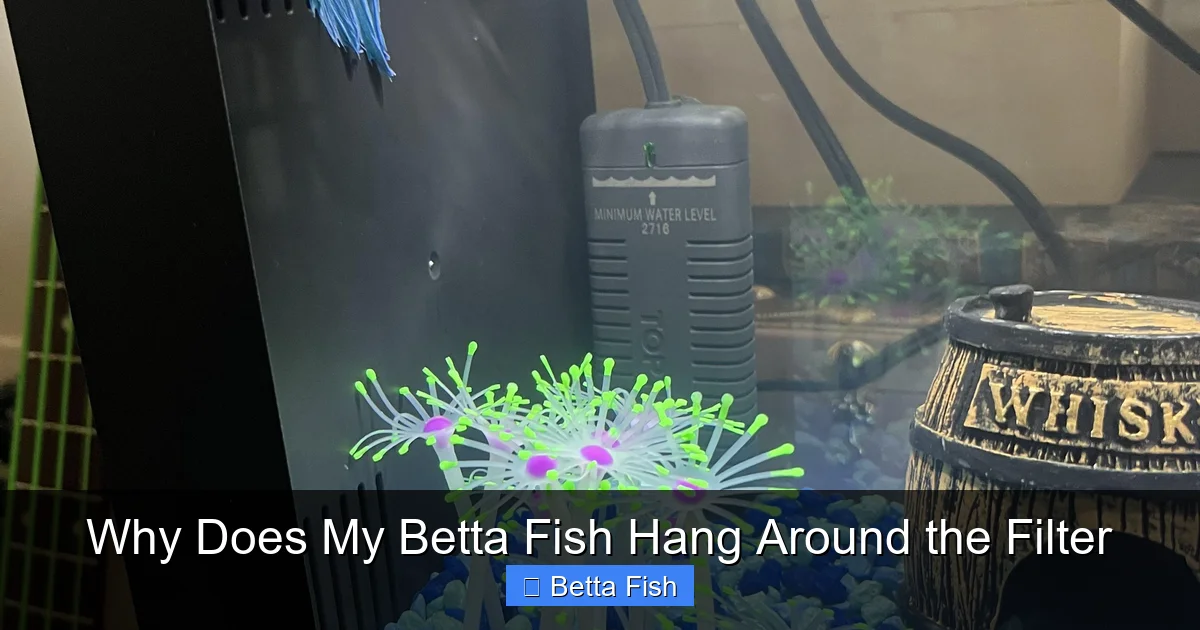
Betta fish have a labyrinth organ that lets them gulp air from the surface, but they still benefit from dissolved oxygen in the water. Higher oxygen levels mean less effort to breathe and more energy for color, fin display, and breeding.
Visual guide about Why Does My Betta Fish Hang Around the Filter
Image source: i.redd.it
Filter output and oxygen levels
Even a modest hang‑on back (HOB) filter or a sponge filter adds tiny bubbles and surface agitation, raising the dissolved oxygen. When your betta hangs near the filter, he’s positioning himself where the water is richest in oxygen. This is especially important in warm tanks (78‑82°F) where oxygen solubility drops.
3. Comfort From Flow: Not Too Strong, Just Right
What “right” flow feels like
A flow that is too vigorous will push a betta around, causing stress and fin damage. Conversely, a dead‑still tank can lead to poor water quality and low oxygen. The ideal flow is a gentle “ripple” that you can feel on your fingertip but that does not move the fish dramatically.
Adjusting your filter
- Use a spray bar or diffuser to break the water into finer streams.
- Turn the flow control knob down a notch or two.
- Place a piece of PVC pipe or a sponge over the outflow to soften the current.
These tweaks create a calm zone where your betta can hover comfortably.
4. The Filter as a “Hideout”
Noise and vibration as security cues
Betta fish are naturally territorial and can be shy. The low hum of a filter provides a constant background noise, similar to the gentle rush of water in their native habitats. This auditory cue can soothe a nervous fish, making the area around the filter a preferred “hideout.”
Providing alternative shelters
If you notice your betta spending all day by the filter and ignoring other décor, consider adding more hiding places. Live plants, driftwood, and ceramic caves give the fish multiple “safe zones” and prevent over‑reliance on the filter area.
5. When the Behavior Signals a Problem
Signs of stress or illness
While hanging near the filter is often normal, certain signs warrant a closer look:
- Rapid, frantic swimming around the outflow.
- Loss of color or faded fins.
- Frequent gulping of air at the surface.
- Clamped fins or hovering near the water line.
If any of these appear, check water parameters, filter performance, and possible disease. For example, a betta that suddenly stops making bubble nests may be stressed by a too‑strong current. Learn more about bubble‑nest issues in our article on why did my betta fish stop making bubble nest.
Filter malfunction
A clogged filter can reduce flow, lowering oxygen and causing the betta to cling to the remaining weak current. Regular maintenance—cleaning the media and checking impeller blades—keeps the flow steady.
6. Choosing the Right Filter for a Betta
Low‑flow options
Not every filter is betta‑friendly. Sponge filters, internal power filters with adjustable flow, and small HOB units with a “quiet” setting work best. Avoid large canister filters that create powerful streams.
Do bettas need a filter at all?
While bettas can survive in unfiltered water for short periods, a filter greatly improves water quality and reduces the need for frequent water changes. Read more about the pros and cons in our guide does a betta fish need a filter.
7. Practical Tips to Keep Your Betta Happy
Daily observations
Spend a few minutes each day watching where your betta spends time. A brief “filter hang” is fine; constant lingering may mean the rest of the tank feels unsafe.
Water changes and parameters
Maintain temperature (78‑82°F), pH (6.5‑7.5), and ammonia at 0 ppm. Stable water reduces stress and makes the filter less of a “lifeline.”
Feeding tricks
Feed near the surface opposite the filter outlet. This encourages the fish to explore more of the tank and not just the filter zone.
Enrichment ideas
- Floating plants or a silk leaf for the betta to rest on.
- Occasional “current breaks” by turning the filter off for 10‑15 minutes during feeding.
- Introduce a small, smooth stone to break up the flow pattern.
Conclusion
Seeing your betta fish hang around the filter is usually a sign that the tank’s water flow, oxygen level, and ambient noise are hitting the sweet spot your fish craves. By understanding the natural reasons behind this behavior, you can fine‑tune your aquarium to provide a balanced environment—one that offers gentle currents, plenty of oxygen, and multiple hiding places. Regular maintenance, thoughtful filter selection, and attentive observation will keep your betta thriving, vibrant, and less likely to develop stress‑related issues.
Remember, a happy betta is a healthy betta. Keep an eye on the little clues, adjust the flow when needed, and enjoy the graceful dance of your finned companion.
Frequently Asked Questions
Why does my betta fish stay near the filter all day?
Because the filter creates a gentle current, higher oxygen, and a soothing background noise that mimics the betta’s natural habitat.
Is a strong filter bad for bettas?
Yes. Too much flow can stress bettas, cause fin damage, and make them expend unnecessary energy. Use a low‑flow setting or add a diffuser.
Can I turn the filter off for a while?
Short periods (10‑15 minutes) during feeding are fine and can give your betta a calm break. Just remember to turn it back on to maintain water quality.
My betta stopped making bubble nests. Could the filter be the cause?
Possibly. A strong current can disrupt bubble‑nest building. Reduce flow or move the outflow away from the surface and see if nests return.
How often should I clean the filter for a betta tank?
Every 2‑4 weeks, depending on bioload. Rinse the media in tank water (not tap water) to preserve beneficial bacteria.
Do bettas need a filter at all?
While they can survive without one, a filter greatly improves water stability and oxygen levels, making life easier for both you and the fish. See our article does a betta fish need a filter for more details.