Can a Betta Fish Eat Bread Crumbs
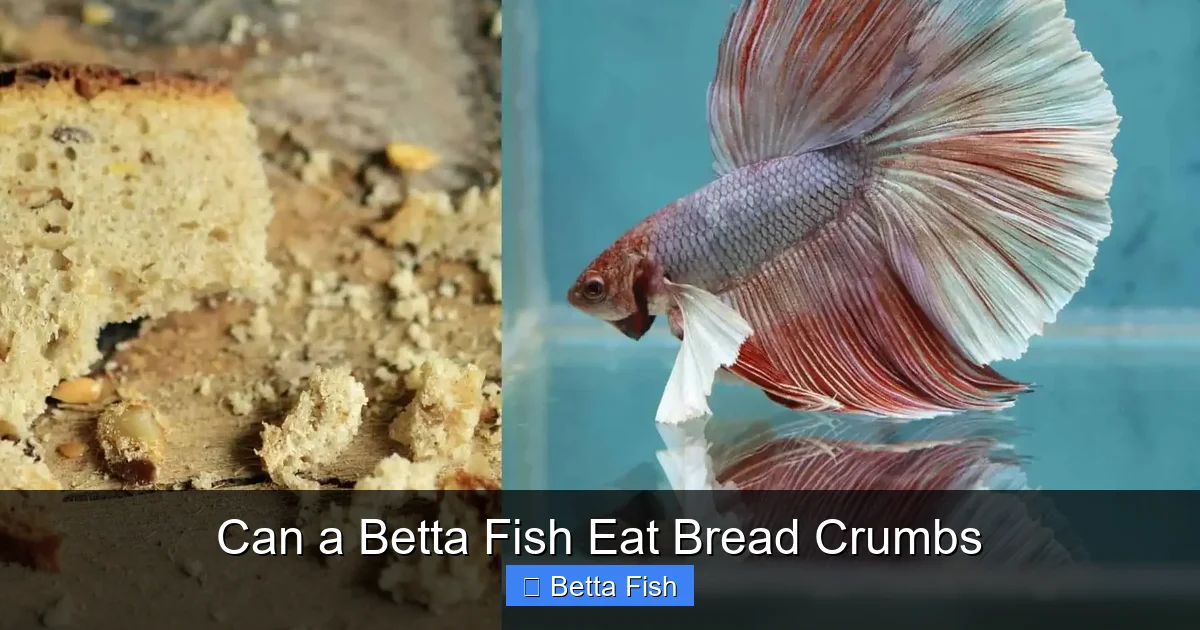
Betta fish are carnivores, so bread crumbs are not a suitable staple. While a tiny bite won’t kill them, regular feeding can cause digestive issues and water quality problems. Choose protein‑rich foods and use crumbs only as an occasional treat, if at all.
Key Takeaways
- Betta diet basics: Bettas need protein‑rich, animal‑based foods, not carbohydrates.
- Bread crumbs are risky: They can swell, cause constipation, and pollute the tank.
- Occasional treat: If you must offer crumbs, use a tiny amount and monitor your fish.
- Better alternatives: Live or frozen brine shrimp, daphnia, and high‑quality betta pellets.
- Feeding frequency: Small meals 2‑3 times a day prevent over‑feeding and keep water clean.
- Water quality matters: Uneaten crumbs decay quickly, raising ammonia and harming your betta.
- Know the signs: Look for bloating, lethargy, or cloudy water as red flags of improper diet.
📑 Table of Contents
Introduction: Why the Question Comes Up
If you’ve ever watched a betta fish dart after a floating speck, you might wonder, “Can a betta fish eat bread crumbs?” The answer isn’t a simple yes or no. Bettas are small, colorful predators that thrive on protein, yet many owners try to share human snacks because they’re convenient.
In this guide we’ll break down the biology of betta nutrition, look at what happens when they munch on bread crumbs, and give you safe, easy alternatives. By the end you’ll know exactly how to keep your finned friend healthy while still satisfying a curious appetite.
1. Understanding Betta Nutrition
1.1 What Bettas Naturally Eat
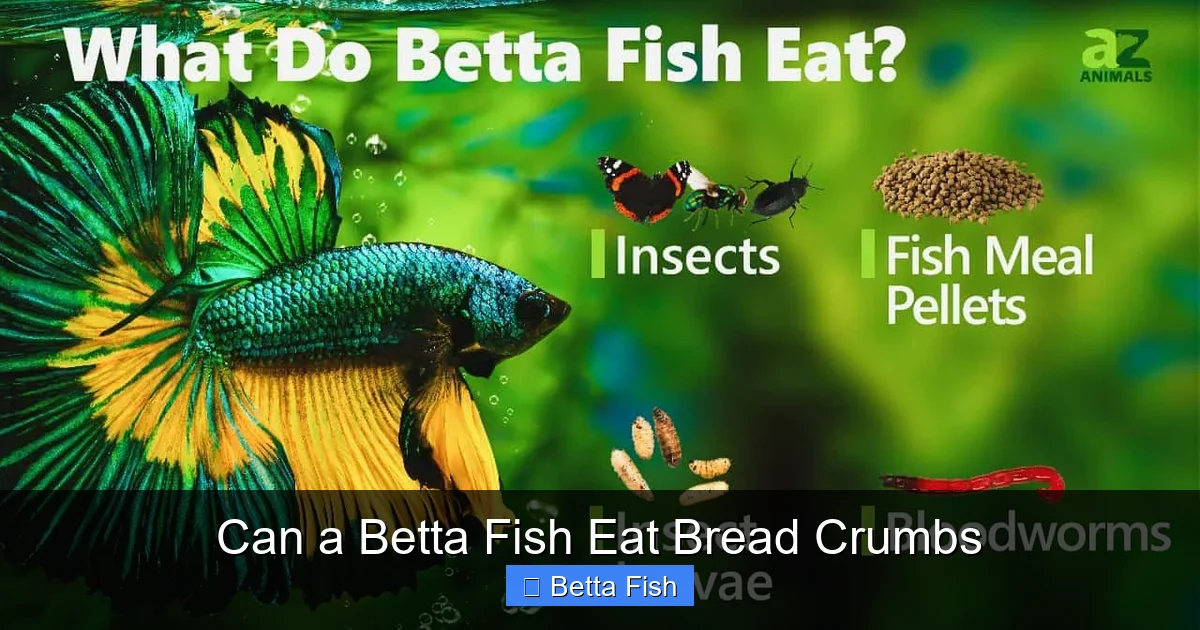
Bettas (Betta splendens) are native to shallow, warm waters of Thailand. In the wild they hunt tiny insects, larvae, and small crustaceans. Their digestive system is built for protein and fat, not for plant matter or processed carbs.
Visual guide about Can a Betta Fish Eat Bread Crumbs
Image source: a-z-animals.com
1.2 Commercial Betta Foods
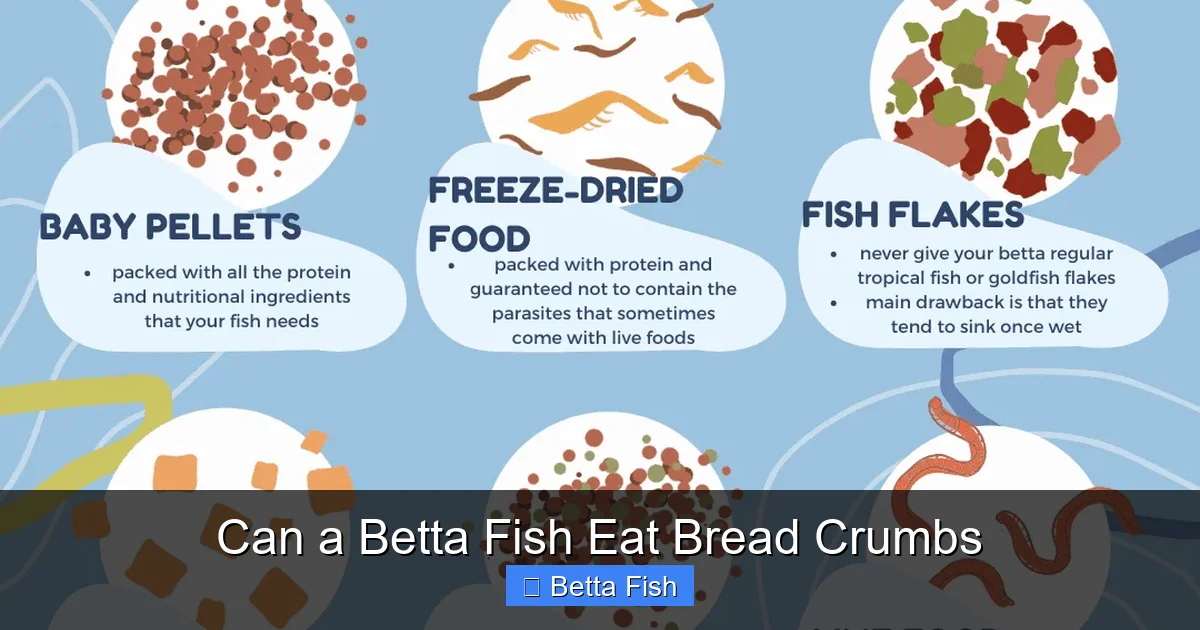
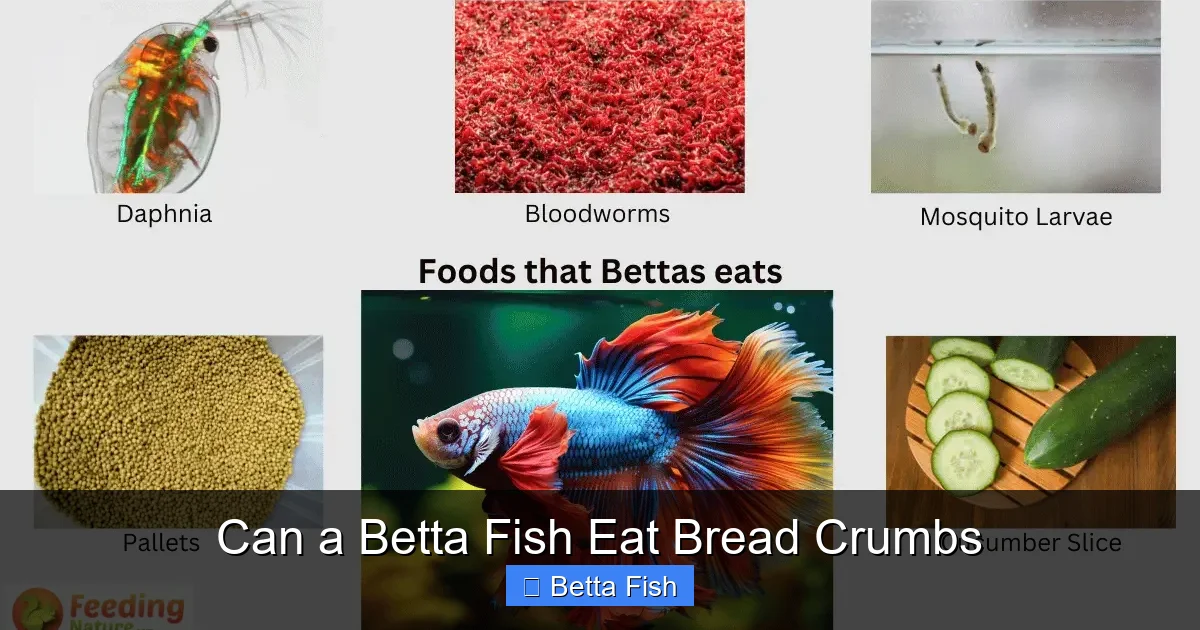
Most pet stores sell pellets, frozen or freeze‑dried bloodworms, brine shrimp, and daphnia. These foods mimic the betta’s natural diet and provide the essential amino acids they need. For a deeper dive on what bettas can eat, see our article on What Can Betta Fish Eat.
1.3 How Much Should a Betta Eat?
A healthy adult betta needs only 2‑3 small meals per day. Over‑feeding leads to constipation, swim‑bladder problems, and cloudy water. The rule of thumb: feed an amount that the fish can consume within two minutes.
2. The Science Behind Bread Crumbs
2.1 Composition of Bread
White or whole‑grain bread is mostly carbohydrates, with a little protein and fat. It also contains yeast, salt, and sometimes sugar. None of these ingredients match the nutritional profile a betta requires.
Visual guide about Can a Betta Fish Eat Bread Crumbs
Image source: tankarium.com
2.2 How Bread Behaves in Water
When dropped into a tank, a crumb absorbs water, swells, and becomes a soft, gelatinous mass. This can block a betta’s tiny gut, leading to constipation or even a life‑threatening blockage.
2.3 Impact on Water Quality
Uneaten crumbs decompose quickly, releasing ammonia and nitrites. Even a few crumbs can spike nitrate levels, stressing the fish and encouraging harmful bacteria.
3. Can a Betta Eat Bread Crumbs Safely?
3.1 Short‑Term vs. Long‑Term Feeding
In the short term, a single, tiny crumb is unlikely to cause immediate death. However, regular feeding creates cumulative problems: poor digestion, obesity, and dirty water.
Visual guide about Can a Betta Fish Eat Bread Crumbs
Image source: feedingnature.com
3.2 Signs Your Betta Is Struggling
- Swollen abdomen: The fish looks bloated or “puffy.”
- Lethargy: Less active, spending most time at the bottom.
- Cloudy water: Indicates excess waste from decomposing food.
3.3 What to Do If You’ve Already Fed Crumbs
Remove any remaining crumbs with a net or siphon. Perform a partial water change (20‑30%) to dilute ammonia. Offer a high‑protein snack like a frozen brine shrimp to help move the crumb through the gut.
4. Safer Alternatives to Bread Crumbs
4.1 Live or Frozen Foods
Brine shrimp, daphnia, and microworms are excellent because they’re easy to digest and rich in protein. Freeze‑dry them for convenience, but always rehydrate before feeding.
4.2 High‑Quality Betta Pellets
Pellets are formulated to sink slowly, encouraging natural hunting behavior. Look for brands that list “whole fish” or “crustacean meal” as the first ingredient.
4.3 Occasional Treats
If you really want to give a human‑style treat, try a tiny piece of peeled, cooked salmon or a single mosquito larva. These are still animal‑based and won’t upset the gut.
4.4 Linking to Related Topics
Wondering whether you can feed other human foods? Check out our guide on Can You Feed A Betta Fish Bread for a broader look at bread, toast, and similar items.
5. Practical Feeding Tips for a Healthy Betta
5.1 Establish a Feeding Schedule
Feed at the same times each day (e.g., morning and evening). Consistency helps you gauge how much your betta actually eats.
5.2 Portion Control
Use a tweezer or a small spoon to drop 2‑3 pellets per meal. If using frozen foods, thaw a pinch and let the betta gulp it whole.
5.3 Monitor Water Parameters
Test ammonia, nitrite, and nitrate weekly. If levels rise after feeding, cut back on treats and increase water changes.
5.4 Keep the Tank Clean
Remove any uneaten food within five minutes. A clean tank reduces the risk of disease and keeps your betta’s environment stable.
Conclusion: The Bottom Line
So, can a betta fish eat bread crumbs? The short answer is: it’s not recommended. While an occasional, microscopic crumb won’t instantly kill a betta, the risks far outweigh any novelty. Stick to protein‑rich, betta‑specific foods and reserve human snacks for rare, carefully chosen treats.
By understanding your betta’s natural diet and following the feeding guidelines above, you’ll enjoy a vibrant, active fish that thrives in a clean, well‑maintained tank. Happy feeding!
Frequently Asked Questions
Can a betta fish eat a single bread crumb?
Yes, a single tiny crumb is unlikely to cause immediate harm, but it offers no nutritional value and can cause digestive issues if given regularly.
What are the signs of constipation in bettas?
Bloating, a swollen abdomen, and reduced activity are common signs. Cloudy water may also indicate undigested food breaking down.
How often can I give my betta a treat?
Limit treats to once a week and keep the portion smaller than a pea. Treats should always be high‑protein, not carbohydrate‑based.
Is it safe to feed my betta frozen bloodworms?
Yes, frozen bloodworms are an excellent protein source and are easy for bettas to digest when properly thawed.
Will feeding bread crumbs affect my tank’s water quality?
Absolutely. Bread crumbs decompose quickly, raising ammonia and nitrite levels, which can stress or even kill your betta.
Where can I find more information about betta diets?
Visit our comprehensive guide on What Can Betta Fish Eat for a full list of safe foods and feeding tips.