
Why Do Betta Fish Lay on Their Side
Betta fish lying on their side is often a red flag for stress, illness, or poor water conditions. By checking temperature, water quality, and health symptoms, you can quickly identify the cause and restore your fish’s vitality.
Key Takeaways
- Common causes: Bad water parameters, low temperature, disease, or injury often make bettas flop.
- Immediate checks: Test water, verify heater function, and look for physical signs before panicking.
- Health symptoms: Swollen abdomen, faded colors, and ragged fins can accompany side‑lying.
- Prevention tips: Regular water changes, proper heating, and a stress‑free environment keep bettas upright.
- When to act: If the fish doesn’t recover within a few hours, seek treatment or consult a vet.
- Related behaviors: Floating, staying at the top, or making bubble nests often signal similar issues.
- Helpful resources: Our guides on water quality, temperature, and betta health provide deeper insight.
📑 Table of Contents
- Introduction: The Upside‑Down Betta Mystery
- 1. Water Quality: The Silent Culprit
- 2. Temperature Trouble: Too Cold, Too Hot
- 3. Illness and Disease: When Health Takes a Turn
- 4. Stress Factors: Crowding, Lighting, and Tank Setup
- 5. Nutritional Issues: Overfeeding or Poor Diet
- 6. Injury or Physical Damage
- Putting It All Together: A Quick Action Plan
- Conclusion: Keep Your Betta Upright and Happy
Introduction: The Upside‑Down Betta Mystery
Imagine coming home to find your vibrant betta fish lying flat on its side, looking like a tiny, colorful pancake. It’s unsettling, and most owners wonder, “why do betta fish lay on their side?” The answer isn’t always simple, but it’s almost always a sign that something in the fish’s environment or health needs attention.
In this article we’ll walk through the most common reasons behind this behavior, how to spot the warning signs, and what you can do right now to help your finned friend. Think of it as a friendly chat over a cup of tea—clear, simple, and full of practical tips you can start using today.
1. Water Quality: The Silent Culprit
Why clean water matters
Betta fish are especially sensitive to ammonia, nitrite, and nitrate spikes. Even a small amount of waste can turn the water toxic, causing the fish to lose buoyancy and flop onto its side.
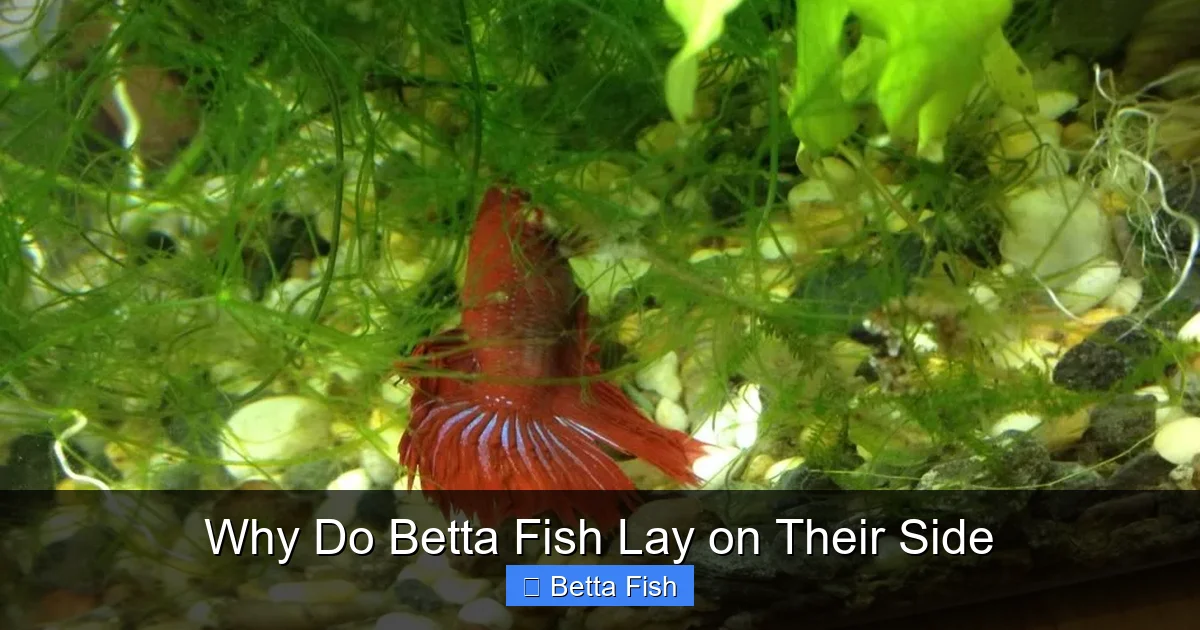
Visual guide about Why Do Betta Fish Lay on Their Side
Image source: bettafish.org
How to test and fix
- Test kits: Use a liquid or strip test kit weekly. Aim for ammonia = 0 ppm, nitrite = 0 ppm, nitrate < 20 ppm.
- Partial water changes: Replace 25‑30 % of the tank water every week. This dilutes harmful compounds.
- Filter maintenance: Clean or replace filter media monthly to keep bio‑filtration strong.
When you notice your betta lying on its side, the first thing to do is test the water. If any parameter is out of range, correct it immediately and observe the fish for improvement.
2. Temperature Trouble: Too Cold, Too Hot
Betta’s sweet spot
Betta fish thrive at 76‑82 °F (24‑28 °C). Temperatures below 75 °F slow metabolism, making the fish lethargic and prone to floating or side‑lying. Over‑heating can cause stress and organ failure.
Checking the heater
- Place a reliable aquarium thermometer in the tank’s middle, not near the heater.
- Ensure the heater is rated for at least 5 gallons and set it to the middle of the range.
- Use a heater guide to choose the right model.
If the water is too cold, turn the heater on and let the temperature rise gradually (no more than 2 °F per hour). If it’s too hot, lower the heater or add a small fan to increase surface evaporation.
3. Illness and Disease: When Health Takes a Turn
Common ailments that cause side‑lying
Several diseases affect buoyancy:
- Swim bladder disorder: Inflammation or infection of the swim bladder makes the fish lose balance.
- Velvet (Oodinium) infection: A parasitic disease that clouds the skin and can weaken the fish.
- Fin rot or fungal infections: These can spread to the body, causing swelling and loss of buoyancy.
Spotting the signs
Look for faded colors, ragged fins, white patches, or a bloated abdomen. If any of these appear with side‑lying, treat promptly.
First‑aid steps
- Quarantine the sick betta in a separate hospital tank.
- Raise the water temperature a degree or two (helps many parasites).
- Use a broad‑spectrum antibiotic or antiparasitic medication as directed.
For a deeper dive into disease symptoms, see our article on how to know if your betta fish is dying.
4. Stress Factors: Crowding, Lighting, and Tank Setup
Stress triggers that make bettas flop
Betta fish are solitary by nature. Overcrowding, aggressive tank mates, bright flickering lights, or constant disturbances can stress them to the point of losing buoyancy.
Creating a calm environment
- Tank size: Minimum 5‑gallon tank with a lid to prevent jumps.
- Decor: Provide soft plants or silk leaves for hiding.
- Lighting: Use a gentle 8‑hour day/night cycle; avoid rapid changes.
Stress can also cause your betta to float on its side, similar to the behavior described in why betta fish floating on its side. Reducing stress often restores normal swimming within a few hours.
5. Nutritional Issues: Overfeeding or Poor Diet
How food affects buoyancy
Overfeeding leads to constipation and a bloated abdomen, which pushes the fish’s center of gravity forward, making it tilt or lie on its side. Low‑quality pellets can also lack essential nutrients, weakening the swim bladder.
Feeding best practices
- Feed 2‑3 small portions daily, no more than the size of the fish’s eye.
- Offer a varied diet: high‑protein betta pellets, occasional bloodworms, and blanched peas for digestion.
- Remove uneaten food after 5 minutes to keep water clean.
For more feeding tips, check out how do you feed a betta fish.
6. Injury or Physical Damage
What can cause a betta to lie down?
Sharp decorations, aggressive tank mates, or accidental bumps can bruise a betta’s body or damage the swim bladder.
Preventing injuries
- Use smooth, rounded décor; avoid cracked glass or sharp ornaments.
- Keep tank mates in a separate tank; bettas are territorial.
- Inspect the tank daily for any broken items.
Putting It All Together: A Quick Action Plan
- Test water parameters. Fix any out‑of‑range values.
- Check temperature. Adjust the heater if needed.
- Observe for disease signs. Quarantine and treat if necessary.
- Assess stressors. Simplify décor, reduce lighting intensity, and ensure solitude.
- Review feeding routine. Cut back on portions and add fiber‑rich foods.
- Monitor recovery. Most healthy bettas will right themselves within 2‑4 hours once conditions improve.
Conclusion: Keep Your Betta Upright and Happy
Seeing a betta fish lay on its side can feel alarming, but it’s often a solvable problem. By systematically checking water quality, temperature, health, stress, diet, and tank safety, you’ll quickly pinpoint the cause and restore your fish’s natural, graceful swimming.
Remember, prevention is easier than cure. Regular maintenance, a stable environment, and attentive observation will keep your betta thriving and, most importantly, upright. If you’ve tried the steps above and your betta still won’t right itself, consider seeking advice from a professional aquarist or a vet specialized in fish health.
Frequently Asked Questions
Why does my betta fish suddenly lie on its side?
Sudden side‑lying is usually a response to poor water quality, temperature shock, illness, or stress. Test the water and check the heater first.
Can low temperature cause my betta to float on its side?
Yes. Temperatures below 75 °F slow metabolism and can affect buoyancy. Raise the water temperature gradually to the 76‑82 °F range.
Is swim bladder disease the same as floating on the side?
Swim bladder issues often cause both floating and side‑lying. Look for a bloated belly and treat with a fasted diet or medication.
How long should I wait before treating a side‑lying betta?
If the fish doesn’t right itself within 2‑4 hours after correcting water and temperature, start a quarantine treatment for possible disease.
Can overfeeding make my betta lie on its side?
Yes. Overfeeding leads to constipation and a heavy abdomen, which can tip the fish. Feed smaller portions and add peas to aid digestion.
Do bettas need a heater to prevent side‑lying?
Betta fish need a stable temperature, so a reliable heater is essential in most homes. A heater helps maintain the optimal 76‑82 °F range.