How Warm of Water Do Betta Fish Need
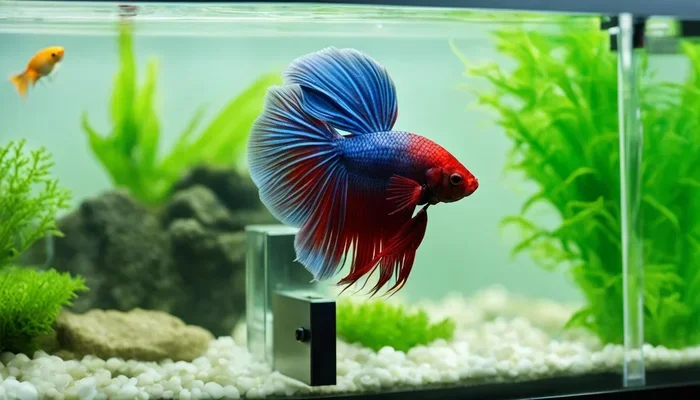
Betta fish need warm water between 76°F and 82°F (24°C to 28°C) to thrive. Keeping the temperature stable within this range supports their immune system, colors, and overall health. Use a reliable heater and thermometer to maintain the perfect conditions every day.
Betta fish are beautiful, colorful creatures that bring life to any room. But keeping them healthy starts with one simple thing: the right water temperature. If you have ever wondered how warm of water do betta fish need, you are in the right place.
The answer is more specific than most people think. Betta fish come from warm, tropical regions in Southeast Asia. That means they need a steady, warm environment to stay happy and active. In this guide, we will walk you through everything you need to know about betta fish temperature, from the ideal range to the tools you need to keep it stable.
Whether you are a first-time fish owner or a seasoned hobbyist, understanding water temperature for betta fish is one of the most important parts of betta fish care. Let us dive in and make sure your finned friend is living in the perfect conditions.
Key Takeaways
- Ideal Temperature Range: Betta fish need water between 76°F and 82°F (24°C to 28°C) for optimal health.
- Consistency Matters: Sudden temperature drops or spikes can cause serious stress and illness.
- Use a Heater: A small aquarium heater is essential, especially in cooler rooms or during winter.
- Monitor Regularly: A fish tank thermometer helps you catch problems before they harm your fish.
- Avoid Cold Water: Water below 74°F can weaken your betta’s immune system and lead to disease.
- Watch for Signs: Clamped fins, lethargy, and loss of appetite often signal temperature problems.
📑 Table of Contents
- Why Water Temperature Matters for Betta Fish
- What Happens When the Water Is Too Cold
- What Happens When the Water Is Too Hot
- Best Tools to Maintain the Right Temperature
- How to Keep the Temperature Stable
- Seasonal Temperature Tips for Betta Fish
- Common Mistakes Bettas Owners Make With Temperature
- Signs Your Betta Is Experiencing Temperature Stress
- The Role of Water Type and Temperature Together
- Final Thoughts on Betta Fish Water Temperature
Why Water Temperature Matters for Betta Fish
Betta fish are tropical fish. That means they evolved in warm climates with consistent temperatures. When the water is too cold or too hot, it affects their body in real ways. Temperature controls their metabolism, immune system, and energy levels.
Think of it like this. You would not want to live in a place that is freezing cold all year round. Your betta feels the same way. The right betta fish environment keeps their body functioning properly. It helps them digest food, fight off illness, and display their stunning colors.
When the temperature drops too low, your betta’s metabolism slows down. They become sluggish and may stop eating. Over time, cold water can lead to serious health issues like fin rot and fungal infections. On the other hand, water that is too hot holds less oxygen, which can make it hard for your fish to breathe.
The Ideal Temperature Range
The sweet spot for betta fish water temperature is between 76°F and 82°F (24°C to 28°C). This range mimics the warm, slow-moving waters of their natural habitat in Thailand, Cambodia, and Vietnam. Within this range, your betta will be active, eat well, and show off vibrant colors.
Most experts agree that 78°F (25.5°C) is the gold standard. It sits right in the middle of the safe zone and works well for almost all betta fish. If you are unsure where to start, set your heater to 78°F and adjust slightly based on your fish’s behavior.
What Happens When the Water Is Too Cold
Cold water is the biggest enemy of betta fish. Many people underestimate how sensitive these fish are to temperature drops. Even a few degrees below the safe range can cause problems.
When water temperature falls below 74°F (23°C), your betta starts to feel the effects. Here is what can happen:
- Slowed metabolism: Your betta will move slowly and sleep more than usual.
- Weakened immune system: Cold water makes it easier for bacteria and parasites to attack your fish.
- Loss of appetite: A cold betta often refuses to eat, which leads to malnutrition over time.
- Color fading: One of the first signs of temperature stress is dull, faded colors.
- Clamped fins: If your betta holds its fins close to its body, it is likely feeling cold or stressed.
In severe cases, prolonged exposure to cold water can be fatal. This is why many owners invest in a reliable heater. If you live in a cooler climate, keeping your betta warm is not optional. It is a necessity.
For more information on how to maintain the right warmth, check out our guide on how to keep water warm for betta fish.
What Happens When the Water Is Too Hot
While cold water is dangerous, water that is too hot is just as harmful. Temperatures above 84°F (29°C) start to create problems for your betta.
Hot water holds less dissolved oxygen. This means your fish has to work harder to breathe. You might notice your betta gasping at the surface more often. That is a clear sign the water is too warm.
High temperatures also increase your betta’s metabolism too much. This causes stress, which weakens the immune system over time. Aggressive behavior can increase in warm water as well. Your usually calm betta might start chasing tankmates or flaring at reflections more often.
During summer months, room temperature can rise enough to push your tank into the danger zone. If you do not have air conditioning, consider using a fan or cooling device to keep the water in the safe range. You can also learn more about whether warm water can be harmful in our article on can warm water kill a betta fish.
Best Tools to Maintain the Right Temperature
Keeping your betta’s water at the right temperature is easy when you have the right tools. You do not need expensive equipment. A few simple items make a big difference.
Aquarium Heater
A small aquarium heater is the most important tool for any betta tank. Most betta tanks hold between 5 and 10 gallons, so a 25-watt to 50-watt heater works perfectly. Look for a heater with an adjustable thermostat so you can set it to your desired temperature.
Place the heater near the filter output or near the water flow. This helps distribute the warm water evenly throughout the tank. Avoid placing it directly against the glass, as this can cause hot spots.
Fish Tank Thermometer
A thermometer is just as important as the heater. It lets you check the temperature without guessing. Stick-on thermometers are affordable and easy to read. Digital thermometers offer more precision if you want to be extra careful.
Check your thermometer at least once a day. Make it part of your routine, just like feeding your fish. This simple habit can prevent many temperature-related problems.
Thermostat Controllers
For the most precise control, consider a thermostat controller. This device sits between the heater and the outlet. It turns the heater on and off automatically to maintain a set temperature. This is especially helpful if you live in an area with big temperature swings between day and night.
Using a thermostat is one of the best ways to keep your betta fish habitat stable and safe. It removes the guesswork and gives you peace of mind.
How to Keep the Temperature Stable
Setting the right temperature is only half the battle. Keeping it stable is just as important. Temperature swings stress betta fish more than a slightly off temperature ever could.
Here are some practical tips to maintain a steady water temperature for betta fish:
- Avoid placing the tank near windows: Direct sunlight can cause wild temperature swings during the day.
- Keep the tank away from drafts: Air conditioning vents and open windows can cool the water quickly.
- Do a gradual water change: When adding new water, make sure it is close to the tank temperature. Sudden cold water additions can shock your fish.
- Use a lid: Evaporation can lower the water temperature over time. A tight-fitting lid helps retain heat.
- Check your heater regularly: Heaters can malfunction. Test yours monthly to make sure it is working properly.
For step-by-step guidance on maintaining water quality and temperature together, read our article on how to take care of betta fish water.
Quick Tips for Temperature Stability
- Set your heater to 78°F and leave it on 24/7.
- Do not turn the heater off at night. Your betta needs consistent warmth around the clock.
- Wait 15 minutes after a water change before adjusting the heater.
- Keep a backup heater on hand in case your main one breaks.
- Use a thermometer that is easy to read from a distance.
Seasonal Temperature Tips for Betta Fish
The seasons can have a big impact on your betta’s water temperature. Each season brings different challenges that you need to prepare for.
Winter Care
Winter is the most dangerous season for betta fish. Room temperatures drop, and that cold air cools the water fast. If you live in a northern climate, your tank might need extra help staying warm.
During winter, check the temperature twice a day. Make sure your heater is powerful enough for the room size. If the room gets very cold, consider moving the tank to a warmer area of your home. Never place the tank near a space heater or radiator, as direct heat can cause uneven temperatures and damage the tank.
Summer Care
Summer brings the opposite problem. Hot rooms can push the water temperature above the safe range. If your house gets warm, monitor the temperature closely. Use a small fan to blow across the water surface, which helps cool it through evaporation.
You can also do partial water changes with slightly cooler water to bring the temperature down. Just make sure the new water is not cold. It should be within a degree or two of the tank temperature to avoid shocking your fish.
Common Mistakes Bettas Owners Make With Temperature
Even experienced fish keepers sometimes make mistakes with water temperature. Here are the most common ones to avoid:
- Not using a heater at all: Some people think room temperature is enough. For most homes, it is not. Betta fish need a heater year-round.
- Using a heater that is too big or too small: A heater that is too powerful can overheat the tank. One that is too weak will struggle to maintain warmth.
- Ignoring the thermometer: A heater with a built-in thermostat is not always accurate. A separate thermometer gives you a second opinion.
- Changing too much water at once: Replacing more than 25% of the tank water at once can cause sudden temperature shifts.
- Placing the tank in drafty areas: Doorways and hallways with frequent drafts can create cold spots in the tank.
If you want to learn more about proper water maintenance, visit our guide on how to do a water change for betta fish.
Signs Your Betta Is Experiencing Temperature Stress
Betta fish are good at showing when something is wrong. Watching for early signs of temperature stress can save your fish’s life. The sooner you catch a problem, the faster you can fix it.
Here are the most common signs to watch for:
- Lethargy: Your betta stays at the bottom of the tank and barely moves.
- Loss of color: Bright colors fade to pale or dull tones.
- Clamped fins: Fins stay folded close to the body instead of flowing naturally.
- Rapid breathing: Your betta breathes quickly or gasps at the surface.
- Refusing food: A healthy betta is usually eager to eat. Ignoring food is a red flag.
- White spots or patches: These can indicate ich, which thrives when the fish is stressed by cold water.
If you notice any of these signs, check the temperature first. Often, a simple adjustment solves the problem quickly. For more on how to keep your betta healthy, read our complete guide on how do I take care of a betta fish.
The Role of Water Type and Temperature Together
Temperature is not the only factor. The type of water you use also plays a role in your betta’s comfort. Betta fish need water that is clean, free of chlorine, and within the right temperature range.
Tap water is the most common choice, but it must be treated with a water conditioner before adding it to the tank. Conditioners remove harmful chemicals like chlorine and chloramine that can damage your betta’s gills and skin. Once treated, the water should be brought to the correct temperature before it goes into the tank.
Some owners prefer using filtered or spring water. These options can be great because they are already free of harmful chemicals. Just make sure the temperature matches the tank before you introduce it. For more on choosing the right water, check out what kind of water do betta fish need.
Final Thoughts on Betta Fish Water Temperature
Getting the water temperature right is one of the simplest and most impactful things you can do for your betta fish. A steady temperature between 76°F and 82°F keeps your fish healthy, colorful, and active. With the right heater, a good thermometer, and a little daily attention, you can create the perfect environment for your betta to thrive.
Remember that consistency is key. Small daily checks make a huge difference over time. Your betta fish depends on you to maintain its world. Give it the warm, stable environment it needs, and it will reward you with years of beauty and companionship.
Take action today. Check your tank temperature, make sure your heater is working, and adjust as needed. Your betta will thank you for it.
Frequently Asked Questions
What is the best temperature for betta fish?
The best temperature for betta fish is between 76°F and 82°F (24°C to 28°C). Most experts recommend setting your heater to 78°F as the ideal starting point. This range keeps your betta active, healthy, and displaying vibrant colors.
Can betta fish survive in cold water?
Betta fish can survive in cold water for a short time, but prolonged exposure weakens their immune system and leads to illness. Cold water slows their metabolism and makes them lethargic. Always keep the water within the safe temperature range to ensure long-term health.
Do I need a heater for my betta fish tank?
Yes, a heater is essential for most betta fish tanks. Room temperature is usually too cool for bettas, especially during winter. A small 25-watt to 50-watt heater keeps the water stable and safe. Even in warm months, a heater provides consistency that protects your fish.
How can I tell if my betta fish water is too cold?
Signs of cold water include clamped fins, lethargy, loss of appetite, and faded colors. If your betta is staying near the bottom and barely moving, the water might be too cold. Use a thermometer to check and adjust your heater accordingly.
Can I use warm tap water for my betta fish?
You can use warm tap water, but it must be treated with a water conditioner first. Tap water contains chlorine and other chemicals that harm betta fish. Let the water reach the right temperature before adding it to the tank, and always treat it properly.
How often should I check my betta fish tank temperature?
Check the temperature at least once a day. Making this a daily habit helps you catch problems early. Temperature changes can happen gradually, so regular checks ensure your betta stays comfortable and healthy all year round.