
Why Do Betta Fish Lay on the Bottom
Betta fish often rest on the tank bottom for many reasons, from normal behavior to hidden health issues. Understanding the cues, checking water quality, and providing proper enrichment can turn a bottom‑dwelling betta into a lively, thriving companion.
Key Takeaways
- Normal resting: Betta fish may simply be resting or sleeping on the bottom, especially at night.
- Water quality matters: Poor parameters (ammonia, nitrite, low temperature) push bettas to the substrate.
- Health red flags: Lethargy, loss of color, or abnormal swimming combined with bottom‑laying can signal disease.
- Tank setup: A properly sized tank, hiding spots, and gentle water flow encourage natural swimming.
- Nutrition & stress: Over‑ or under‑feeding, and constant stressors, often make bettas seek the bottom.
- Observation is key: Regularly watch your betta’s behavior to catch problems early.
- Quick fixes: Simple steps like a water change, temperature tweak, or adding live plants can lift a bottom‑dwelling betta.
📑 Table of Contents
- Introduction: When Your Betta Chooses the Bottom
- 1. Normal Resting and Sleeping Behavior
- 2. Water Quality Issues
- 3. Health Concerns and Disease
- 4. Stress From Tank Setup
- 5. Feeding Habits and Nutrition
- 6. Behavioral Changes Linked to Environment
- Practical Checklist: Is Your Betta Just Resting or in Trouble?
- Conclusion: Turning Bottom‑Dwelling Into Healthy Swimming
Introduction: When Your Betta Chooses the Bottom
Seeing your beautiful betta fish glide to the bottom of the tank can feel a little alarming. After all, we picture these little warriors flaring their fins and darting around the water column. But why do betta fish lay on the bottom isn’t always a sign of disaster. Sometimes it’s just a natural pause, a response to the environment, or a subtle SOS.
In this guide we’ll break down the most common reasons for bottom‑laying, how to tell a healthy rest from a warning sign, and what you can do right now to improve your betta’s quality of life. Think of it as a friendly chat over a cup of tea—simple, clear, and packed with actionable tips.
1. Normal Resting and Sleeping Behavior
Betta sleep cycles
Betta fish, like most fish, have a circadian rhythm. They are most active during the day and tend to rest at night. A common place to rest is the substrate, where they can feel the tank’s surface and stay hidden from perceived predators.
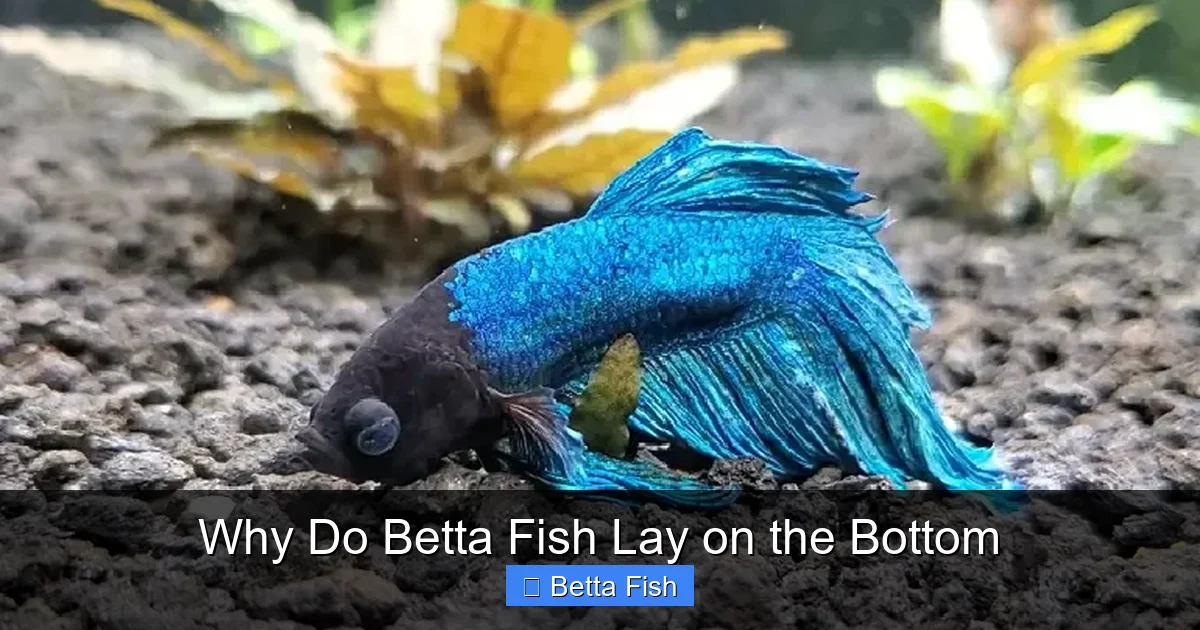
Visual guide about Why Do Betta Fish Lay on the Bottom
Image source: bettafishworld.com
How to recognize healthy rest
- Fish is still but breathing normally (gills moving smoothly).
- Color is vibrant, not faded.
- No signs of gulping air at the surface.
If your betta is simply lounging on the bottom during the evening and resumes normal activity after the lights turn on, it’s most likely just a normal sleep pattern.
2. Water Quality Issues
Ammonia, nitrite, and nitrate spikes
Betta fish are sensitive to chemical changes. High ammonia or nitrite levels can cause irritation of the gills, making the fish seek the bottom where water movement is slower.

Visual guide about Why Do Betta Fish Lay on the Bottom
Image source: japanesefightingfish.org
Temperature and pH
Betas thrive in 76‑82°F (24‑28°C) water with a pH of 6.5‑7.5. Water that is too cold or too acidic can make them sluggish, prompting bottom‑laying.
Testing and quick fixes
- Test water weekly with a reliable kit.
- Perform a 25‑30% water change if ammonia > 0.25 ppm.
- Use a heater to maintain stable temperature.
Improving water quality often instantly lifts a betta that was hiding at the bottom.
3. Health Concerns and Disease
Common illnesses that cause bottom‑dwelling
Several conditions make bettas spend more time on the substrate:

Visual guide about Why Do Betta Fish Lay on the Bottom
Image source: i.ytimg.com
- Ich (white spot disease): Itchy skin leads fish to rub against surfaces.
- Fin rot: Infected fins become heavy, causing the fish to sink.
- Swim bladder disorder: Affects buoyancy, making the fish float low or stay on the bottom.
Spotting red flags
Look for faded coloration, frayed fins, clamped gills, or excessive mucus. If any of these accompany bottom‑laying, it’s time to act.
When to seek treatment
Isolate the betta in a hospital tank, raise the temperature to 82°F (28°C), and begin appropriate medication (e.g., anti‑ich treatment). For swim bladder issues, fasting for 24‑48 hours and then offering a peeled pea can help.
4. Stress From Tank Setup
Tank size and décor
Betta fish need at least a 5‑gallon tank with plenty of hiding places. A tiny bowl or a tank without plants can feel exposed, prompting the fish to stay low.
Water flow and currents
Strong filters create currents that bettas dislike. If the flow pushes water toward the bottom, the fish may sit there to avoid the rush.
Solutions
- Upgrade to a 5‑gallon (or larger) tank.
- Add live or silk plants for cover.
- Use a sponge filter or adjust the flow to a gentle stream.
5. Feeding Habits and Nutrition
Overfeeding and water quality
Excess food decays, raising ammonia and nitrate levels—both of which push bettas to the bottom.
Undereating
When a betta isn’t getting enough nutrients, it becomes weak and may rest more often.
Feeding tips
- Feed 2‑3 small portions daily, no more than the size of the fish’s eye.
- Use high‑quality betta pellets or frozen brine shrimp.
- Remove uneaten food after 5 minutes.
6. Behavioral Changes Linked to Environment
Seasonal lighting
Longer nights can increase bottom‑laying as the fish prepares for rest.
Presence of other fish
Even though bettas are solitary, the sight of other fish through the glass can cause stress, making them hide at the bottom.
Useful reference
For a deeper look at similar behavior, see our article on why betta fish laying at bottom. It discusses how lighting and tank mates influence this habit.
Practical Checklist: Is Your Betta Just Resting or in Trouble?
- Check water parameters (ammonia, nitrite, nitrate, temperature, pH).
- Observe breathing: steady gill movement = normal; rapid or labored = concern.
- Inspect fins and coloration for signs of disease.
- Review tank size, décor, and water flow.
- Monitor feeding schedule and food quality.
- Note any recent changes (new décor, temperature shifts, nearby activity).
Conclusion: Turning Bottom‑Dwelling Into Healthy Swimming
Understanding why do betta fish lay on the bottom helps you differentiate between a peaceful nap and a cry for help. By keeping water clean, providing a comfortable environment, feeding responsibly, and watching for health signs, you give your betta the best chance to thrive.
Remember, a happy betta will explore the entire water column, flare its fins, and maybe even build a bubble nest. If you notice persistent bottom‑laying despite optimal conditions, don’t hesitate to seek veterinary advice. Your attentive care makes all the difference.
Frequently Asked Questions
Why is my betta fish staying at the bottom all day?
It could be normal rest, poor water quality, or an early sign of disease. Test the water, check for color loss, and observe breathing to narrow down the cause.
Can temperature affect a betta’s tendency to lay on the bottom?
Yes. Water below 76°F (24°C) can slow metabolism, making the fish less active and more likely to rest on the substrate.
What is the difference between a betta floating on its side and laying on the bottom?
Floating on its side often signals severe illness or swim‑bladder issues, while bottom‑laying can be a normal rest or a milder stress response. See our guide on why betta fish floating on its side for details.
How often should I change the water to prevent bottom‑dwelling?
Perform a 25‑30% water change weekly, or more often if you notice rising ammonia or cloudy water.
Do bettas prefer to stay at the top of the tank?
Betta fish often explore the top, especially when hunting for food or building bubble nests. Persistent top‑only behavior can indicate boredom; adding plants and hiding spots encourages bottom and mid‑level swimming. Read more about why betta fish always on top.
Can a betta’s diet cause it to lay on the bottom?
Overfeeding leads to water quality issues, while underfeeding leaves the fish weak. Both can result in more time spent on the substrate. Feed small, high‑quality portions twice a day.