Why Do Betta Fish Lay Sideways

Betta fish may lie on their side for several reasons, from simple water issues to serious health problems. Identifying the cause quickly lets you act, ensuring your betta stays vibrant and active.
Key Takeaways
- Water quality matters: Poor parameters are the top reason bettas rest sideways.
- Stress triggers: Sudden changes, aggressive tank mates, or improper lighting can cause side‑lying.
- Health issues: Swim bladder disorder, parasites, and fin rot often show up as a sideways posture.
- Quick fixes: Adjust temperature, perform water changes, and check diet before assuming the worst.
- Prevention is key: Regular testing, proper tank setup, and a balanced diet keep sideways episodes rare.
- When to seek help: Persistent side‑lying despite corrections signals a need for veterinary attention.
- Internal resources: Our guides on swim bladder problems, bubble nests, and floating issues provide deeper insight.
📑 Table of Contents
- Introduction: The Odd Pose That Worries Betta Owners
- 1. Water Quality: The Silent Culprit
- 2. Swim Bladder Disorder: The Floaty Problem
- 3. Stress and Environmental Factors
- 4. Health Issues Beyond the Swim Bladder
- 5. Nutrition: Feeding the Right Way
- 6. Prevention: Keeping Your Betta Upright for Life
- Conclusion: From Sideways to Swimming Strong
Introduction: The Odd Pose That Worries Betta Owners
If you’ve ever watched your betta fish drift to the bottom and lie on its side, you probably felt a wave of concern. Betta fish are known for their vivid colors and dramatic flares, so seeing them “lay sideways” feels like something is seriously wrong. The good news is that a sideways position is often a symptom, not a disease. By understanding the why, you can act fast and often prevent a simple issue from becoming a fatal one.
In this article we’ll explore the most common reasons bettas end up on their side, how to diagnose the problem, and what steps you can take to get your fish back to swimming proudly. We’ll also link to related topics—like swim‑bladder troubles and floating problems—so you have a complete toolbox at your fingertips.
1. Water Quality: The Silent Culprit
Why clean water matters
Betta fish are native to shallow, slow‑moving waters of Southeast Asia. In the wild, the water is soft, slightly acidic, and well‑oxygenated. In a home aquarium, the same conditions must be replicated. Poor water quality is the single biggest factor that makes a betta lay sideways.

Visual guide about Why Do Betta Fish Lay Sideways
Image source: fishtanksetups.com
- Ammonia and nitrite spikes irritate the gills and make it hard for the fish to maintain buoyancy.
- Incorrect pH (outside 6.5‑7.5) can stress the fish’s internal organs, including the swim bladder.
- Temperature fluctuations (below 75°F or above 82°F) disrupt metabolism and can cause a betta to lose balance.
How to test and correct
Invest in a reliable test kit and check ammonia, nitrite, nitrate, and pH weekly. If any value is out of range, perform a 25‑30% water change with conditioned water. Keep the tank temperature stable using an aquarium heater and a thermometer.
Quick tip
Set a reminder on your phone for a weekly water change. Consistency beats occasional deep clean‑ups every few months.
2. Swim Bladder Disorder: The Floaty Problem
What is the swim bladder?
The swim bladder is a gas‑filled organ that lets a fish control its depth without swimming. When the bladder is damaged or filled with excess fluid, the fish may drift sideways, float upside‑down, or sink to the bottom.

Visual guide about Why Do Betta Fish Lay Sideways
Image source: aquatic-eden.com
Common causes
- Overfeeding – too much food can expand the intestine and press on the bladder.
- Constipation – dry pellets can get stuck, leading to a “full” abdomen.
- Infections – bacterial or parasitic infections inflame the bladder.
- Physical injury – a sudden bump against tank décor can bruise the organ.
Diagnosing swim bladder issues
Observe the fish’s posture: if it tilts to one side, floats erratically, or sinks slowly, the swim bladder is likely involved. Compare with our detailed guide on why is my betta fish floating sideways for more visual cues.
Home remedies
- Fasting for 24‑48 hours to clear the digestive tract.
- Peas – a skinned, boiled pea (about the size of a grain of rice) can act as a natural laxative.
- Temperature bump – raising the tank temperature by 2‑3°F for a short period can speed up digestion.
When to seek a vet
If the sideways position persists after 48 hours of fasting and pea treatment, or if you see redness, bloating, or loss of appetite, it’s time to consult an aquarium‑savvy veterinarian.
3. Stress and Environmental Factors
Stressors that turn a betta sideways
Betta fish are territorial and sensitive. Stress can manifest as a sideways lay because the fish is too weak or disoriented to swim properly.
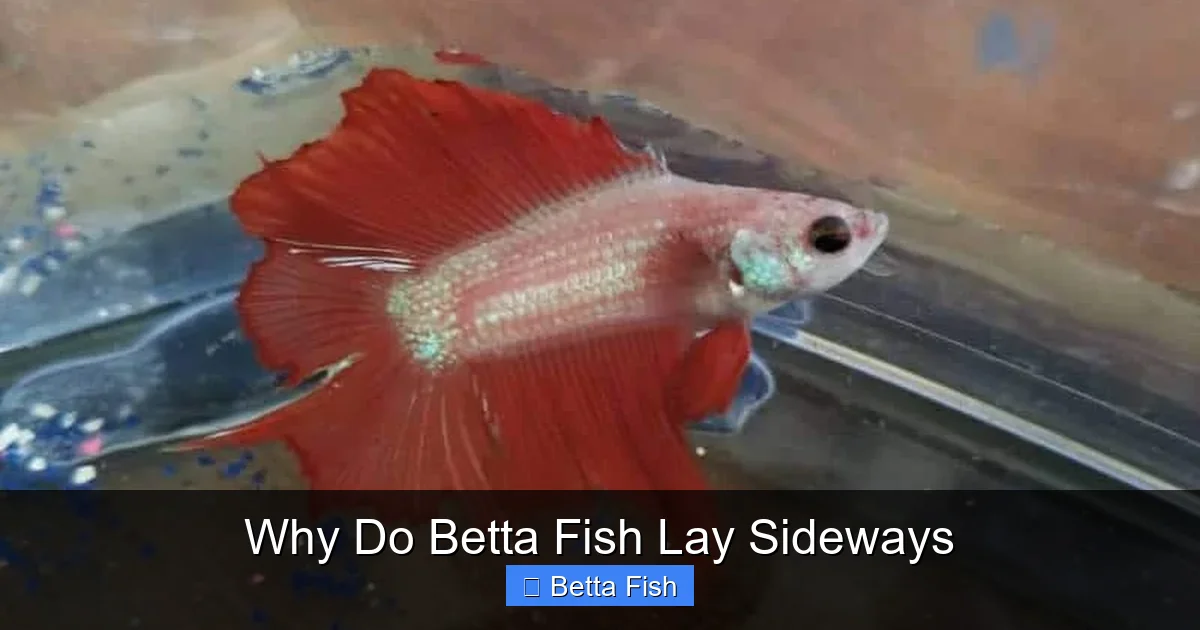
Visual guide about Why Do Betta Fish Lay Sideways
Image source: ouraquariumlife.com
- Tank mates – aggressive or fast‑moving fish can chase a betta, causing exhaustion.
- Improper lighting – sudden bright light or constant darkness disrupts circadian rhythms.
- Noise and vibrations – heavy foot traffic or nearby appliances can unsettle the fish.
Creating a stress‑free zone
Provide plenty of hiding spots with live plants or silk decorations. Keep the tank in a quiet area away from windows with direct sunlight. Use a dimmable LED light set on a 12‑hour day/night cycle.
Link to related behavior
Understanding why a betta might “flair” can also help you spot stress early. Read more in our article why do betta fish flare.
4. Health Issues Beyond the Swim Bladder
Parasites and bacterial infections
Internal parasites can cause inflammation of the gut, pressing on the swim bladder and leading to a sideways posture. Bacterial infections often start with poor water quality and can spread quickly.
Fin rot and external injuries
Fin rot weakens the fish’s ability to maneuver, making it more likely to fall on its side. Look for ragged, discolored fins as a sign.
Diagnosing with observation
Check for these signs:
- White or black spots on the body (possible ich or velvet).
- Reddened or inflamed belly.
- Excess mucus or slime coat loss.
Treatment basics
For parasites, a short course of a broad‑spectrum antiparasitic medication (e.g., metronidazole) works well. For bacterial infections, consider a mild aquarium antibiotic after consulting a vet. Always quarantine new fish for at least two weeks to prevent disease introduction.
5. Nutrition: Feeding the Right Way
Balanced diet reduces sideways incidents
Betta fish thrive on high‑protein foods like frozen or live brine shrimp, bloodworms, and quality betta pellets. Overreliance on dry pellets can cause constipation, leading to swim bladder problems.
Feeding schedule
Feed small amounts 2‑3 times a day, only what the fish can eat in 2‑3 minutes. Remove uneaten food promptly to keep water quality high.
Supplemental foods
- Frozen daphnia – excellent for digestion.
- Spirulina flakes – adds vitamins and fiber.
- Peas – as mentioned earlier, a handy remedy for constipation.
Link to feeding guide
Need more details on proper feeding? Check out how do you feed a betta fish for a step‑by‑step guide.
6. Prevention: Keeping Your Betta Upright for Life
Routine maintenance checklist
- Test water parameters weekly.
- Perform 20‑30% water changes every 5‑7 days.
- Clean the substrate with a siphon to remove waste.
- Inspect décor for sharp edges.
- Monitor temperature and adjust heater as needed.
Tank setup tips
Use a 5‑gal minimum tank with a gentle filter that doesn’t create a strong current. Betta fish prefer calm waters; a sponge filter works well. Add live plants like Java fern or Anubias to improve water quality and provide cover.
When to act
The moment you spot your betta lying sideways, start a water change and check temperature. If the posture doesn’t improve within a few hours, move to the swim bladder and health sections above.
Conclusion: From Sideways to Swimming Strong
Seeing your betta fish lay sideways can be alarming, but most cases have a clear, fixable cause. By keeping water clean, feeding properly, reducing stress, and watching for signs of illness, you give your fish the best chance to stay upright and vibrant. Remember, quick action often prevents a minor hiccup from turning into a serious health crisis. Keep an eye on your tank, act promptly, and enjoy the dazzling displays of a healthy betta.
Frequently Asked Questions
Why does my betta fish suddenly lie on its side?
Sudden sideways lying is usually due to poor water quality, swim bladder trouble, or stress. Start with a water change and check temperature, then look for signs of constipation or infection.
Can a betta fish recover from swim bladder disorder?
Yes, many bettas recover with fasting, a pea treat, and a stable environment. If there’s no improvement after 48 hours, seek veterinary help.
Is it normal for bettas to rest sideways occasionally?
Occasional brief rests are normal, but a prolonged sideways position indicates a problem that needs attention.
How often should I change the water to prevent sideways behavior?
Change 20‑30% of the water weekly and test parameters each time. More frequent changes may be needed if you notice spikes in ammonia or nitrite.
What temperature is safest for preventing side‑lying?
Maintain a stable temperature between 75°F‑80°F (24°C‑27°C). Sudden drops or spikes can stress the fish and affect buoyancy.
Should I isolate a betta that is laying sideways?
Yes, move the fish to a clean, hospital tank with the same water parameters. This reduces stress and makes treatment easier.