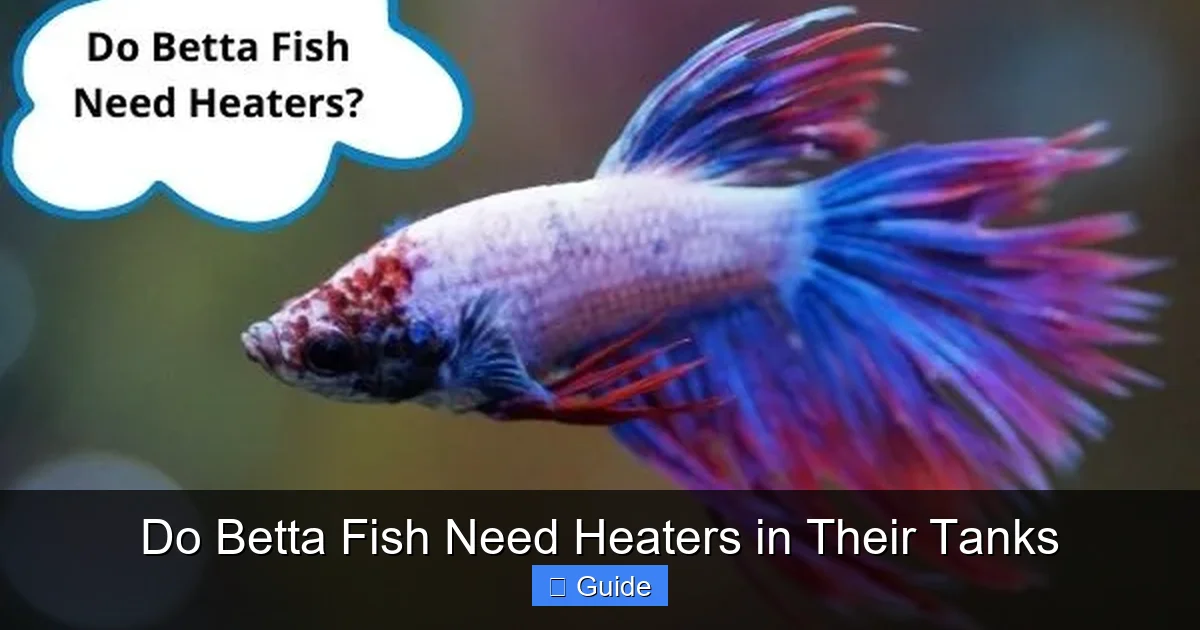
Do Betta Fish Need Heaters in Their Tanks
Yes, betta fish absolutely require a heater in their tank. As tropical fish, they need a consistently warm environment between 76-82°F (24-28°C) to maintain a strong immune system, digest food properly, and display their natural, active behaviors. Without a reliable heater, bettas become stressed, lethargic, and susceptible to fatal diseases. A properly sized and monitored aquarium heater is not optional—it is a non-negotiable piece of essential equipment for responsible betta care.
Key Takeaways
- Betta fish are tropical: Native to the warm, shallow waters of Southeast Asia, bettas require a stable tank temperature between 76-82°F (24-28°C) year-round to thrive.
- Heaters prevent dangerous stress: Cold water suppresses a betta’s immune system, slows metabolism, and causes lethargy, making them highly vulnerable to common illnesses like fin rot and dropsy.
- Consistency is critical: It’s not just about warmth; rapid temperature swings are equally harmful. A quality heater with a thermostat provides the stable environment bettas need.
- Heater size matters: Choose a heater with the correct wattage for your tank volume (typically 5 watts per gallon). An oversized heater can cook your fish; an undersized one will fail to maintain temperature.
- Safety first: Always use a heater guard, fully submerge the heater, and pair it with a separate aquarium thermometer for accurate monitoring. Never run a heater outside of water.
- Room temperature is insufficient: Even in warm climates, room temperature fluctuates daily and nightly, rarely staying within the safe, constant range a betta requires.
- A heater is an investment in health: The small cost of a reliable heater is insignificant compared to the cost of treating preventable illnesses or losing your fish.
📑 Table of Contents
- Betta Fish 101: Understanding Their Tropical Origins
- The Critical Role of Temperature in Betta Health
- Choosing the Right Heater for Your Betta Tank
- Safe Heater Setup and Ongoing Maintenance
- When a Heater Isn’t an Option (But Really Should Be)
- Debunking Common Heater Myths and Fears
- Conclusion: The Heater is Non-Negotiable
Betta Fish 101: Understanding Their Tropical Origins
To truly grasp why betta fish need heaters, we must first look at where they come from. The betta splendens, or Siamese fighting fish, hails from the rice paddies, shallow ponds, and slow-moving streams of Thailand, Cambodia, Vietnam, and Malaysia. These are tropical environments. The sun beats down, warming the shallow, often stagnant water to consistently high temperatures. In their native habitat, the water temperature is reliably warm, typically ranging from 75°F to 86°F (24°C to 30°C) throughout the year. There is no central heating or air conditioning in the wild—the environment provides a stable thermal blanket.
This history is written into their biology. Bettas are labyrinth fish, meaning they have a special organ that allows them to breathe atmospheric air. This adaptation helped them survive in warm, oxygen-poor waters, but it doesn’t change their fundamental need for warm water. Their metabolism, immune function, digestive system, and overall vitality are all fine-tuned for tropical conditions. When we keep them in a glass box in our living room, we are responsible for replicating that crucial aspect of their natural world. A common and dangerous misconception is that because bettas are often sold in small cups at room temperature, they are fine in a cold tank. This is the first and most critical mistake new betta owners make. Those cups are a temporary, stressful holding situation, not a suitable permanent home. Do betta fish need heaters? Their biology screams a resounding yes.
The “Room Temperature” Myth Debunked
Many new owners think, “My house is 72°F (22°C), that’s comfortable for me, so it must be fine for my betta.” This logic is flawed and often fatal for the fish. First, 72°F is at the very bottom, or even below, the safe temperature range for a betta. Second, and more importantly, room temperature is not stable. Your thermostat might read 72°F, but that’s an average. Overnight, temperatures drop. Near a window or drafty door, it’s colder. In summer, a room can spike. These daily and nightly fluctuations of just a few degrees are a massive source of chronic stress for a tropical fish. A betta’s body cannot efficiently regulate its internal temperature; it is a slave to its environment. Constant minor chills and brief warm spells weaken it over time, setting the stage for disease. A dedicated aquarium heater eliminates this variable entirely.
The Critical Role of Temperature in Betta Health
So, what exactly happens inside a betta when the water is too cold? It’s not just about them being “less active.” A drop in temperature triggers a cascade of physiological problems that compromise every system in their body.

Visual guide about Do Betta Fish Need Heaters in Their Tanks
Image source: m.media-amazon.com
Immune System Suppression
This is the most dangerous effect. A betta’s immune system functions optimally within its target temperature range. When water is too cold, the production and activity of white blood cells slow dramatically. The fish’s primary defense against bacteria, fungi, and parasites becomes nearly inert. This is why “cold water” is almost always listed as the primary cause of common betta ailments. A minor opportunistic infection that a warm, healthy betta could easily fight off becomes a devastating, systemic illness in a chilled one. Fin rot, velvet disease, and internal dropsy are far more likely to take hold and prove fatal.
Metabolism and Digestion
Cold water slows a betta’s metabolism to a crawl. Their digestive system grinds to a near-halt. Food they eat sits in their gut undigested, leading to constipation, bloating, and potential swim bladder issues. A constipated betta is a miserable betta, often struggling to maintain buoyancy. Furthermore, a slowed metabolism means they require less food, but owners often don’t adjust feeding, leading to overfeeding and water quality issues as the uneaten food decays. In warm water (within the safe range), digestion is efficient, energy is well-utilized, and waste is processed normally.
Energy, Activity, and Coloration
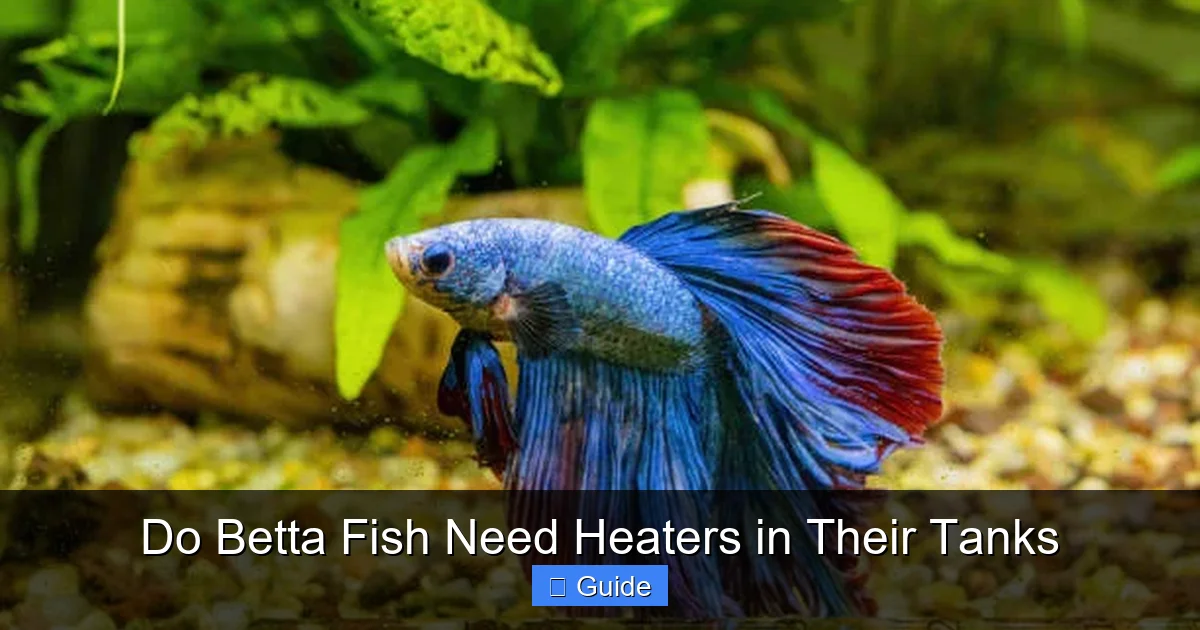
Have you ever seen a vibrant, flaring, curious betta in a cold tank? Probably not. Cold saps their energy. They become listless, hiding at the bottom or in a corner, their beautiful fins held close. Their colors may dull as blood flow restricted by cold water reduces vibrancy. A betta in its ideal temperature range is a spectacle of life: actively exploring, flaring at its reflection, building bubble nests (males), and displaying its fins with pride. This isn’t just for our entertainment; it’s a direct indicator of robust health and well-being. A heater is the switch that turns this active, colorful display on.
Choosing the Right Heater for Your Betta Tank
Assuming you’re now convinced a heater is essential, the next question is: which one? The market is flooded with options. Choosing incorrectly can be as bad as having no heater at all.
Visual guide about Do Betta Fish Need Heaters in Their Tanks
Image source: theaquariumguide.com
Wattage: Getting the Right Size
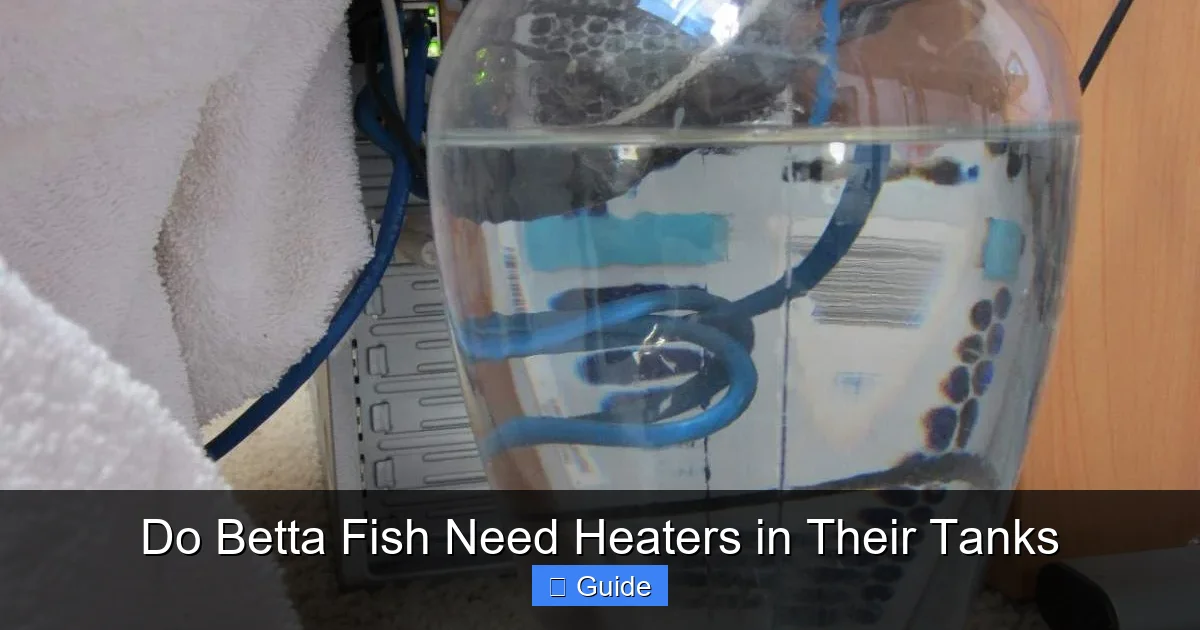
The cardinal rule for heater sizing is approximately 5 watts of heating power per gallon of water. However, it’s more accurate to go by the heater’s stated tank size range. Always choose a heater rated for the *minimum* gallon size of your tank, or slightly higher. For the very common 5-gallon betta tank, a 25-watt (5-gallon) heater is perfect. For a 10-gallon community tank with a betta, a 50-watt heater is standard. Why is this important? An undersized heater will struggle to maintain temperature, running constantly and burning out prematurely, leaving your tank cold. An oversized heater, while it will heat the water, can do so too rapidly and lacks the fine control needed, potentially causing dangerous temperature spikes if the thermostat fails. It’s about finding the Goldilocks zone—just right.
Types of Aquarium Heaters
- Submersible Heaters: These are the most common and versatile. The entire unit sits underwater, typically near the water flow (like a filter outlet) for even heat distribution. They come in adjustable and preset models.
- Preset (“Fixed”) Heaters: These are set to a specific temperature (usually around 78°F) at the factory and cannot be adjusted. They are simple and often used in small, pre-packaged kits. For a dedicated betta tank, an adjustable heater is strongly recommended. It allows you to fine-tune the temperature based on your specific room conditions and the betta’s behavior.
- In-Tank Filter Heaters: Some filters have a heating element built-in. These can be space-saving but have a major drawback: if the filter is turned off for cleaning or maintenance, the heating stops immediately. A standalone heater provides more consistent, independent heating.
Essential Safety Features to Look For
Do not buy a cheap, no-name heater. Look for these features:
- Automatic Thermostat: This is the brain. It turns the heater on and off to maintain the set temperature. A reliable, precise thermostat is worth every penny.
- Heater Guard/Shroud: A plastic or metal cage around the heating element. This protects your betta from direct contact with the hot glass tube, preventing burns if the fish accidentally rests against it. It also protects the heater from damage.
- Dry-Fire Protection: A safety circuit that automatically shuts the heater off if it is removed from the water or if the water level drops too low. This prevents the heater from burning out or, in worst cases, cracking and causing an electrical hazard.
- Clear Temperature Setting Dial: Easy to read and adjust without having to remove the heater from the tank.
Safe Heater Setup and Ongoing Maintenance
Installing the heater is just step one. Proper placement and maintenance are what make it safe and effective for the long term.
Visual guide about Do Betta Fish Need Heaters in Their Tanks
Image source: thegoldfishtank.com
Placement is Everything
Where you put the heater dramatically affects how well it works.
- Near Water Flow: Position the heater close to the outlet of your filter or a powerhead. Moving water circulates the heated water throughout the tank, preventing “hot spots” near the heater and cold spots in corners. This creates an even, stable temperature from top to bottom.
- Away from Obstructions: Do not tuck the heater behind tall decorations, dense plants, or inside a cave. This blocks heat dissipation and creates a dangerously hot microclimate right at the heater while the rest of the tank lags behind.
- Fully Submerged: Unless the heater is specifically designed as a “partial submersible” model (read the instructions!), it must be completely underwater. The heating element must be surrounded by water to dissipate heat safely. Running a heater out of the water will cause it to overheat and fail.
- Use a Thermometer: This is non-negotiable. Never trust the heater’s dial alone. Place a reliable, independent aquarium thermometer (digital or glass) on the opposite side of the tank from the heater. This gives you a true reading of the ambient water temperature, far from the heater’s influence. Check it daily.
Routine Checks and Long-Term Care
A heater is a set-and-forget device in theory, but a responsible owner performs regular checks.
- Daily Glance: Each day, look at your thermometer and visually check your betta. Is he active? Are his fins open? Does the temperature reading match your heater’s setting? A quick once-over takes seconds.
- Weekly Cleaning: Algae and mineral deposits (from evaporation) can build up on the heater glass. This acts as insulation, reducing efficiency and causing the heater to work harder. Gently wipe the glass with an algae pad or soft cloth during your weekly water change. Never use soap or chemicals.
- Monitor for “Short Cycling”: If you notice the heater turning on and off very frequently in a short period, or the temperature swinging wildly, your tank may be too small for the heater, there’s inadequate water flow, or the heater is failing. Replace it immediately.
- Have a Backup Plan: Heaters can and do fail. For tanks under 10 gallons, having a second, small heater on hand is wise. For larger tanks or during power outages, consider a battery-powered air stone (to agitate the surface and slow heat loss) or emergency heat packs designed for shipping live fish. Never use a household space heater to heat the room around the tank—it’s inefficient and a major fire risk.
When a Heater Isn’t an Option (But Really Should Be)
We must address the reality that some hobbyists are in situations where they feel a dedicated heater isn’t feasible: very small “nano” tanks, temporary quarantine cups, or extremely tight budgets. While these scenarios are understandable, they require honest assessment of the risks.
The Problem with “Nano” Tanks and “No-Heater” Setups
Tanks under 2.5 gallons are notoriously difficult to keep temperature-stable. There is very little water volume to act as a thermal buffer. The temperature can skyrocket or plummet in minutes based on room conditions. A small, low-wattage heater designed for nano tanks exists, but even these require careful monitoring. The idea that a betta can live happily in a unheated, tiny vase or bowl is one of the most persistent and harmful myths in the aquarium hobby. It is a recipe for a short, stressed, and sickly life. If you cannot provide a heater, you cannot provide a suitable permanent home for a betta. Full stop.
Emergency or Temporary Solutions (And Their Severe Limitations)
In a true emergency, like a heater failure in winter, you might need short-term fixes. These are not long-term solutions:
- Incubator or Brooder: For hatchlings, these maintain precise heat. A small one could temporarily house a sick betta.
- Heating Pad Under the Tank: This is risky. It can create uneven hot spots on the glass, potentially cracking it, and doesn’t heat the water column evenly. Only use if specifically designed for aquariums and with a separate thermostat controller.
- Warm Water Changes: You can add small amounts of pre-warmed (to tank temperature) water during a water change to give a minor boost. This is a temporary band-aid, not a heating strategy.
The takeaway here is that all these “alternatives” are workarounds for failure. The goal is to have a reliable, automated heater as your primary heating source from day one. Investing in a $20 heater for a $5 betta is the most basic act of responsible pet ownership.
Debunking Common Heater Myths and Fears
Even with the facts, some betta owners have lingering fears about heaters. Let’s address them directly.
“My betta lived in a cold tank for years and was fine.”
This is a classic case of confusing survival with thriving. A betta can survive in suboptimal conditions for a surprisingly long time, often just long enough for chronic, low-grade illnesses to develop. “Fine” might mean a fish that is perpetually pale, clamped, and prone to getting sick, not a vibrant, energetic, and truly healthy specimen. You are witnessing a life of constant, low-level stress, not wellness.
“Heaters are dangerous and can electrocute the fish or cause fires.”
Modern aquarium heaters from reputable brands are engineered with multiple safety redundancies. The dry-fire protection is the key feature. As long as you fully submerge the heater, use a heater guard, and ensure the cord and plug are dry and in good condition, the risk is infinitesimal. The real danger lies in using a broken heater or one with a damaged cord. The solution is to buy a quality heater and inspect it regularly, not to forgo heating altogether. The risk of death from cold-water stress is astronomically higher than any electrical risk from a properly maintained heater.
“They’re too expensive to run.”
The electricity cost of running a small 25-watt heater 24/7 is minimal. Let’s do a very rough estimate: a 25-watt heater uses 0.025 kilowatts per hour. If it runs 24 hours a day (it won’t, thanks to the thermostat), that’s 0.6 kWh per day. At a national average of $0.15 per kWh, that costs about 9 cents per day, or roughly $2.70 per month. In reality, the heater cycles on and off, so the cost is even lower—likely $1-$3 per month. The cost of a heater itself is a one-time purchase of $15-$40. This is one of the least expensive aspects of fishkeeping.
Conclusion: The Heater is Non-Negotiable
Let’s circle back to the central question: do betta fish need heaters? The evidence from their natural history, their physiology, and decades of collective hobby experience provides a crystal-clear answer. Yes. A heater is as essential to a betta’s aquarium as water itself. It is not a luxury item; it is a fundamental piece of life-support equipment. Providing a stable, warm temperature between 76-82°F (24-28°C) is the single most important thing you can do to ensure your betta lives a long, colorful, and healthy life. It supports their immune system, fuels their metabolism, and allows their natural personality to shine. Skipping this step is not “keeping it simple.” It is guaranteeing a future of suffering and preventable death for a creature that depends entirely on you for its well-being. Choose a quality adjustable heater, size it correctly for your tank, place it wisely with good water flow, and monitor it with a separate thermometer. This simple, affordable act of care is the foundation upon which all other successful betta husbandry is built.
Frequently Asked Questions
Can a betta fish survive without a heater?
Survive? Possibly, for a time, especially if your home is consistently warm. But they will not thrive. They will live in a constant state of stress, with a weakened immune system, poor digestion, and muted colors. Their lifespan will be significantly shortened, and they will be highly prone to disease. Survival is not the goal; thriving is.
What is the ideal temperature for a betta fish?
The ideal and safe temperature range for a betta fish is between 76°F and 82°F (24°C to 28°C). Most experienced keepers aim for the middle of that range, around 78-80°F (25.5-27°C), which is a comfortable, stable target that supports optimal activity and health.
What size heater do I need for a 5-gallon betta tank?
For a standard 5-gallon (19-liter) betta tank, a 25-watt heater rated for a 5-gallon tank is the correct and safe choice. This provides enough power to maintain temperature without being oversized and causing dangerous spikes.
Is it safe to leave a betta heater on all the time?
Yes, absolutely. A properly functioning aquarium heater with a built-in thermostat is designed to run continuously. It will automatically turn its heating element on and off as needed to maintain the set temperature. You should never manually turn it off and on, as this causes large temperature swings that stress the fish.
How can I tell if my betta is cold?
Signs your betta is too cold include extreme lethargy (lying at the bottom or in a corner), clamped fins (held tightly against the body), loss of appetite, faded or dull colors, and a lack of interest in its surroundings. If you see these signs, immediately check your water temperature with a thermometer.
What should I do if my betta tank heater breaks?
First, check the temperature with a separate thermometer. If the water is dropping below 76°F (24°C), you must act quickly. Perform small, frequent water changes with water that is pre-warmed to the tank’s current temperature (using a separate thermometer for the new water). Wrap the tank in blankets or a towel to insulate it (do not cover the top completely). Purchase a replacement heater immediately and install it as soon as possible. For future prevention, consider keeping a backup heater on hand for tanks under 10 gallons.