Why Is My Betta Fish Fins Rotting

Betta fin rot is a common but treatable problem caused by poor water, infection, or injury. Spot the early signs, correct the tank conditions, and apply proper treatment to restore healthy, vibrant fins.
Key Takeaways
- Identify early: Faded, frayed or blackened edges signal the start of fin rot.
- Water quality matters: High ammonia, nitrite or low temperature accelerate bacterial growth.
- Isolation helps: Quarantining the sick betta prevents spread to tank mates.
- Treatment options: Salt baths, antibiotics, and proper diet can reverse mild cases.
- Prevention is key: Regular water changes, a balanced diet, and a stress‑free environment keep fins healthy.
- Monitor progress: Daily checks ensure the infection is receding and the fish is eating.
- Seek help early: If fins keep deteriorating, consult a vet or experienced hobbyist.
📑 Table of Contents
Introduction: When Betta Fins Start to Decay
Seeing the beautiful, flowing fins of a betta turn ragged or black can feel like a punch to the gut. Most owners think “it’s just a little damage” and wait, but fin rot can spread quickly and become fatal if left untreated. In this friendly guide we’ll walk through what fin rot looks like, why it happens, and exactly how you can stop it in its tracks. Think of it as a chat over coffee with a fellow betta lover—simple, clear, and full of practical tips.
We’ll cover everything from water chemistry to home‑made remedies, and we’ll sprinkle in a few real‑world examples so you can picture each step. By the end, you’ll feel confident that you can diagnose the problem, act fast, and give your betta the best chance at a full recovery.
1. Understanding Fin Rot: The What and Why
What is fin rot?
Fin rot is a bacterial infection that attacks the delicate tissue of a betta’s fins. The most common culprits are Aeromonas and Pseudomonas bacteria, which thrive in warm, dirty water. The infection starts at a weak spot—often a tear or a frayed edge—and spreads outward, turning the fin tissue white, black, or mushy.

Visual guide about Why Is My Betta Fish Fins Rotting
Image source: ntvb.tmsimg.com
Why does it happen?
There are three big reasons:
- Poor water quality: High ammonia or nitrite, low dissolved oxygen, and fluctuating temperature create a perfect breeding ground.
- Physical injury: Rough handling, aggressive tank mates, or sharp décor can nick the fins.
- Stress and compromised immunity: Over‑feeding, lack of hiding places, or constant bright light weaken the fish’s natural defenses.
Understanding these triggers helps you target the root cause, not just the symptoms.
2. Spotting the Early Signs
Look for color changes
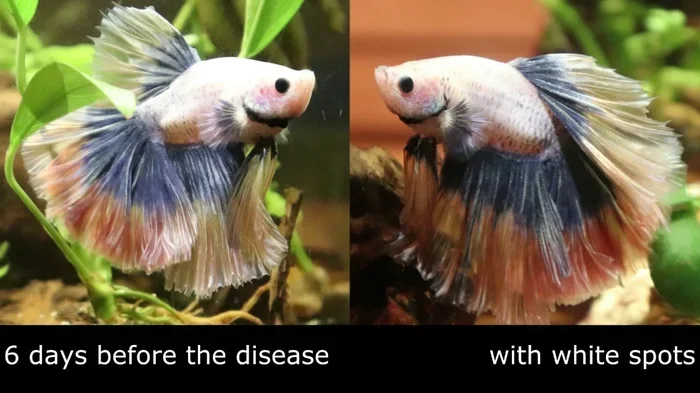
The first clue is usually a loss of the vibrant hue along the fin edges. You might notice a pale, almost translucent fringe, or a dark, necrotic line that looks like a tiny black scab.

Visual guide about Why Is My Betta Fish Fins Rotting
Image source: mobiletrans.wondershare.com
Texture tells a story
Healthy fins feel smooth and flexible. Rotting fins become soft, frayed, or ragged—sometimes they even look “torn” without an obvious cause. If you gently run a finger (clean, of course) along the fin and feel a mushy spot, that’s a red flag.
Behavioral cues
Betta fish are usually active swimmers. A fish with fin rot may hover near the surface, hide more often, or stop flaring its fins during displays. Pair this with a reduced appetite, and you have a clear picture that something is wrong.
3. Checking Your Tank: Water Quality First
Test the basics
Grab a liquid test kit and check ammonia, nitrite, nitrate, and pH. Ideal betta parameters are:

Visual guide about Why Is My Betta Fish Fins Rotting
Image source: m.media-amazon.com
- Ammonia: 0 ppm
- Nitrite: 0 ppm
- Nitrate: < 20 ppm (ideally < 10 ppm)
- pH: 6.5‑7.5
- Temperature: 76‑82 °F (24‑28 °C)
If any values are out of range, begin a partial water change immediately—about 25‑30 % of the tank volume.
Why a water change helps
Fresh, clean water dilutes harmful compounds and reduces bacterial load. It also restores proper oxygen levels, which are essential for the fish’s immune response.
Link to related issue
For more on how water quality can affect your betta’s overall health, see our guide on why is my betta fish water cloudy.
4. Immediate Home Remedies
Salt bath (the “quick fix”)
A 1‑gram (about ½ teaspoon) of aquarium salt per gallon of dechlorinated water creates a mild antiseptic environment. Soak your betta for 5‑10 minutes once a day for three days. Watch closely—if the fish becomes overly stressed, shorten the soak.
Antibiotic treatment
Over‑the‑counter options like Maracyn 2 (active ingredient: erythromycin) are effective against the common bacteria. Follow the label: typically 5 ml per gallon for a 5‑day course. Always finish the full dose, even if the fins look better early on.
Improving diet
Feed high‑quality betta pellets plus occasional frozen or live foods (brine shrimp, daphnia). A protein‑rich diet boosts immunity and speeds tissue repair.
5. Long‑Term Prevention Strategies
Regular maintenance schedule
Change 20‑30 % of the water weekly, clean the substrate with a gravel vacuum, and wipe algae off the glass. Keep the filter running at a flow rate that creates gentle currents—too strong can damage fins, too weak can let waste linger.
Tank setup tips
- Provide plenty of hiding spots (live plants, silk caves).
- Use a heater with an accurate thermostat to avoid temperature swings.
- Limit bright lighting to 8‑10 hours a day to reduce stress.
Quarantine new arrivals
Any new fish or live plants should spend at least two weeks in a separate quarantine tank. This prevents hidden pathogens from entering the main display.
Related fin issues
If you’re also seeing fin fraying without obvious rot, check out our article on why are my betta fish fins falling off for more insights.
6. When to Call in the Pros
Signs that home care isn’t enough
If the infected area spreads beyond the tips, the fins become completely black and mushy, or the fish stops eating altogether, it’s time to seek professional help. A veterinarian experienced with fish can prescribe stronger antibiotics or suggest advanced treatments.
Cost‑effective alternatives
Many hobbyists turn to community forums for advice on dosage adjustments or natural remedies like tea tree oil (used in very low concentrations). Always double‑check any suggestion against reputable sources.
Conclusion: Take Action, Save Those Fins
Fin rot is frightening, but it’s also one of the most preventable diseases in the betta world. By keeping the water clean, watching for early symptoms, and treating promptly, you can restore your fish’s dazzling fins and enjoy many more vibrant displays. Remember: a healthy environment equals a happy betta—so stay vigilant, act quickly, and your finned friend will thank you with a full‑flared, colorful show.
Frequently Asked Questions
What does the first stage of fin rot look like?
It usually starts as a pale or white edge on the fin that becomes soft and may develop a tiny black spot. The fish might still swim normally but will show less fin movement.
Can I treat fin rot without medication?
For very mild cases, a salt bath and excellent water quality can sometimes halt the infection. However, most bacterial rot responds best to an antibiotic course.
How long does it take for fins to heal?
With proper treatment, new healthy fin tissue can begin to grow within 7‑10 days. Full recovery may take 2‑3 weeks, depending on severity.
Is fin rot contagious to other fish?
Yes, the bacteria can spread through water. Quarantining the sick betta and maintaining pristine water helps protect tank mates.
Why are my betta’s fins curling instead of rotting?
Fin curling often points to a different issue, such as a nutritional deficiency or water quality problem. See our guide on why are my betta fish fins curling for details.
Should I remove the damaged part of the fin?
No. Trimming the fin can cause additional stress and open wounds. Let the fish’s natural healing process work while you improve tank conditions and treat the infection.