Why Do Betta Fish Jump
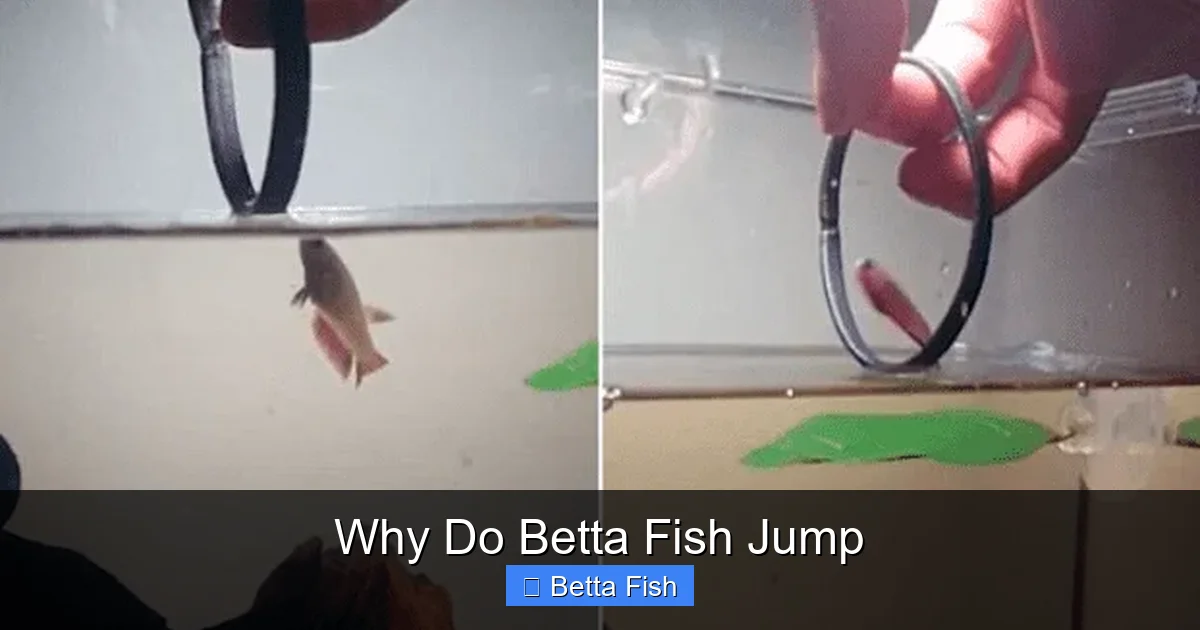
Betta fish jump for many reasons—stress, poor water, curiosity, or breeding instincts. Understanding these triggers helps you prevent accidents and create a healthier home for your vibrant pet.
Key Takeaways
- Stress is a top trigger: Loud noises, sudden movements, or aggressive tank mates can make a betta leap.
- Poor water quality fuels jumps: High ammonia, low oxygen, or extreme temperature swings push bettas to escape.
- Breeding behavior matters: Male bettas may jump while building or guarding a bubble nest.
- Tank setup is crucial: Open tops, slick surfaces, and insufficient cover encourage jumping.
- Quick fixes save lives: Lid, water conditioner, and proper feeding reduce jump incidents.
- Observe and act: Regular checks let you spot stress signs before a jump occurs.
- Internal resources help: Related articles explain bubble nests, fighting, and tank safety.
📑 Table of Contents
Introduction: The Mystery of the Leaping Betta
If you’ve ever watched a betta fish suddenly launch itself out of the water, you probably felt a mix of surprise and worry. These tiny, colorful fighters are known for their bold personalities, but a jump can signal that something isn’t right in their environment. In this article we’ll explore the most common reasons betta fish jump, how to spot the warning signs, and practical steps you can take to keep your pet safe.
We’ll break down everything from water chemistry to breeding instincts, and we’ll sprinkle in real‑world tips that even a beginner can follow. By the end, you’ll feel confident that your betta’s tank is a place of comfort—not a launch pad.
1. Stress: The Biggest Jump Trigger
What stress looks like in bettas
Stress in bettas can appear as frantic swimming, faded colors, or frequent surface breathing. When a fish feels threatened, its natural response is to try to escape, and jumping becomes a quick way out.

Visual guide about Why Do Betta Fish Jump
Image source: memfish.net
Common stressors
- Loud noises or vibrations: TVs, vacuum cleaners, and heavy foot traffic can startle a betta.
- Sudden changes in lighting: Turning lights on/off abruptly confuses them.
- Aggressive tank mates: Even though many keep bettas alone, some try community setups that end in fights.
Read more about why betta fish fight in our article Why Do Betta Fish Fight to avoid these stressors.
2. Water Quality Issues
Ammonia, nitrite, and nitrate spikes
Bad water chemistry is a silent killer. High ammonia or nitrite levels cause irritation to the gills, prompting the fish to seek cleaner air—often by jumping.
Temperature swings
Bettas love stable warmth, ideally between 76‑82°F (24‑28°C). Sudden drops make them frantic. Use a reliable heater and a thermometer to keep the temperature steady.
Low oxygen levels
Stagnant water or overcrowding reduces dissolved oxygen. A betta will dart to the surface and may launch itself if it can’t get enough air.
For more on ideal temperatures, see What Temperatures Do Betta Fish Like.
3. Breeding Instincts and Bubble Nests
Why males jump while nesting
Male bettas build bubble nests at the water’s surface. During nest construction they become hyper‑alert and may leap to protect the nest from perceived threats.
Signs of a breeding male
- Flared fins and brighter colors
- Frequent surface trips
- Construction of a fluffy bubble cluster
Learn more about bubble nests in Why Do Betta Fish Make Bubble Nests.
4. Tank Setup Mistakes
Open tops and slick lids
Many beginners use glass aquariums without a secure lid. Even a tiny gap lets a curious betta push through and jump out.
Insufficient hiding places
Bettas need caves, plants, or decorations to feel safe. A barren tank feels like a stage, encouraging the fish to explore beyond the water.
Improper tank size
While bettas can survive in small containers, a cramped space increases stress. Aim for at least 5 gallons with a lid.
5. Feeding Habits and Nutrition
Overfeeding and water fouling
Uneaten food decays, raising ammonia levels and creating a foul smell—both jump triggers.
Undernourishment
A hungry betta may become more active, darting around and occasionally leaping in search of food.
Check out How Do You Feed A Betta Fish for proper feeding routines.
6. How to Prevent Jumps: Practical Tips
Secure the tank
- Use a tight‑fitting lid or mesh cover.
- Place the aquarium on a stable surface away from drafts.
Maintain optimal water conditions
- Test water weekly for ammonia, nitrite, and nitrate.
- Change 25‑30% of the water every week.
- Condition tap water to remove chlorine and chloramines.
Provide enrichment
- Add live or silk plants for hiding.
- Include a smooth rock or cave for the betta to claim.
- Rotate decorations occasionally to keep curiosity satisfied.
Monitor behavior
Watch for signs like constant surface breathing, faded colors, or frantic flaring. Early detection lets you adjust conditions before a jump occurs.
Conclusion: Keep Your Betta Safe and Happy
Betta fish jump for reasons that are usually fixable—stress, water problems, breeding urges, or a simple lack of cover. By paying close attention to their environment and behavior, you can create a calm, clean, and secure home that eliminates the need for a leap of faith. Remember to check water parameters regularly, secure a proper lid, and give your betta plenty of places to hide. With these steps, your vibrant swimmer will stay where it belongs: gracefully gliding in its tank, not soaring out of it.
Frequently Asked Questions
Why does my betta fish jump out of the tank?
Most jumps are caused by stress, poor water quality, or a desire to escape a perceived threat. Fixing the underlying issue usually stops the behavior.
Can a betta fish survive after jumping out?
Only if it lands in a moist environment quickly. Prolonged exposure to air can damage gills and lead to death, so prevention is key.
Do betta fish need a lid on their tank?
Yes. A secure lid prevents accidental escapes and keeps out debris or curious pets that could stress your fish.
Is jumping a sign of breeding behavior?
Male bettas often jump while building or guarding a bubble nest. Look for bright colors and a fluffy nest at the surface.
How often should I change my betta’s water to prevent jumps?
Change 25‑30% of the water weekly and test parameters regularly to keep ammonia and nitrate levels low.
What can I do if my betta keeps jumping despite a lid?
Check for hidden stressors: loud noises, temperature spikes, or aggressive neighbors. Adjust the environment and consider a larger tank with more hiding spots.