How Do You Feed a Betta Fish
Feeding a betta fish correctly is simple when you know the right foods, portion sizes, and schedule. This guide walks you through choosing the best diet, feeding frequency, and practical tips to keep your betta thriving and colorful.
Key Takeaways
- Balanced diet matters: Combine high‑quality pellets, frozen or live foods, and occasional treats for optimal health.
- Feed small amounts: Only what your betta can eat in 2‑3 minutes, 2‑3 times per day.
- Watch water temperature: Warm water (78‑80°F/25‑27°C) improves digestion and appetite.
- Clean the tank regularly: Remove uneaten food to prevent water quality problems.
- Adjust for life stage: Fry need more frequent, protein‑rich meals; adults need less frequent, varied feedings.
- Observe behavior: Fasting, lethargy, or bloating signal feeding issues.
- Never overfeed: Overeating leads to constipation, swim‑bladder disease, and cloudy water.
📑 Table of Contents
- Introduction: Why Feeding Matters for Betta Health
- 1. Understanding a Betta’s Natural Diet
- 2. Choosing the Right Foods
- 3. How Much to Feed: Portion Control Made Easy
- 4. Feeding Schedule: When and How Often
- 5. Preparing and Serving Food Safely
- 6. Maintaining Water Quality While Feeding
- Conclusion: Feeding Your Betta for a Long, Colorful Life
Introduction: Why Feeding Matters for Betta Health
Betta fish, also known as Siamese fighting fish, are popular because of their vivid colors and feisty personalities. Their beauty, however, depends heavily on what they eat. A proper diet not only brings out the brightest hues but also prevents common health problems such as constipation, fin rot, and swim‑bladder issues.
In this article we’ll break down everything you need to know about feeding a betta fish—from the best foods and how much to give, to feeding schedules, water considerations, and troubleshooting tips. Think of it as a friendly chat over a cup of coffee, with plenty of practical examples you can start using today.
1. Understanding a Betta’s Natural Diet
What Betta Ancestors Ate in the Wild
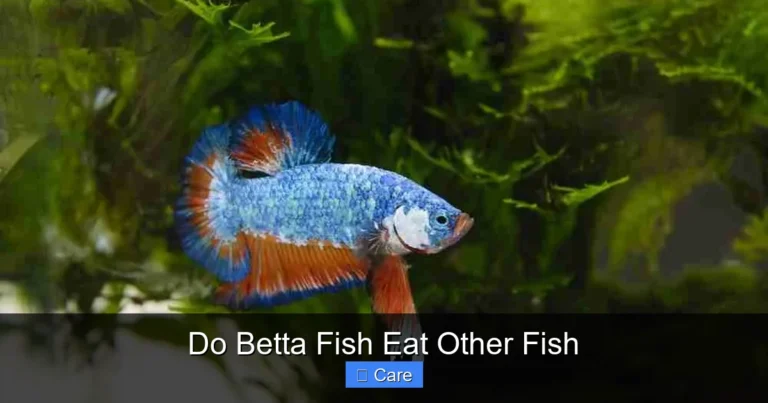
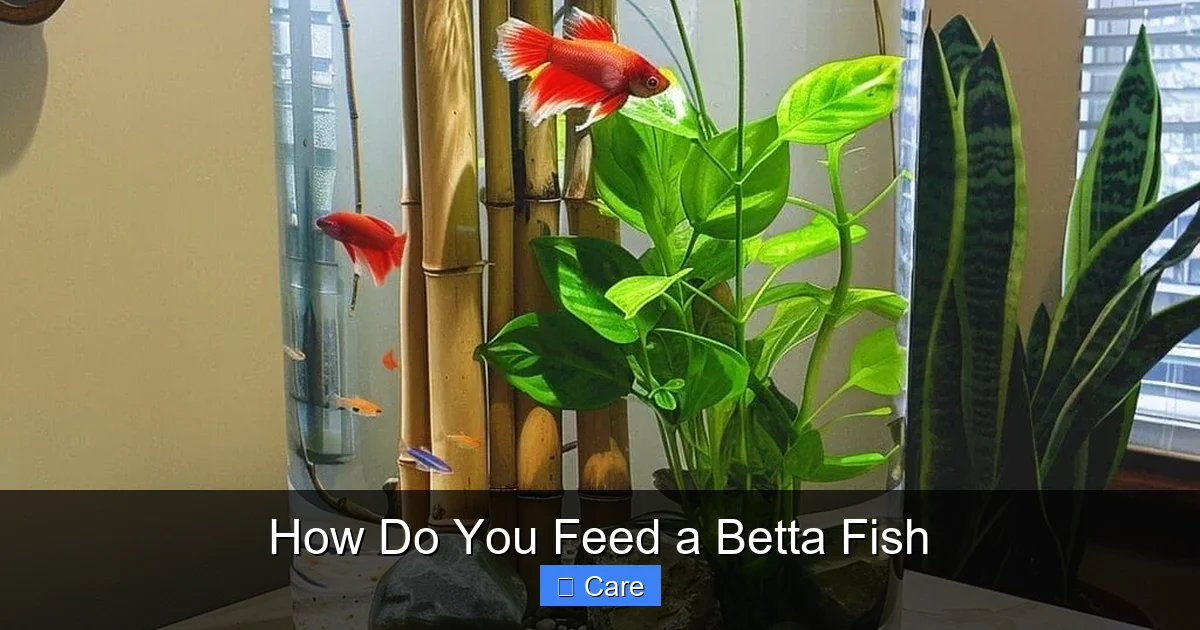
In their native Thailand, bettas hunt small insects, larvae, and tiny crustaceans on the water’s surface. Their mouths are built for snapping up live prey quickly. This instinct explains why they love moving foods and why a diet that mimics their natural intake keeps them active and healthy.
Visual guide about How Do You Feed a Betta Fish
Image source: i.pinimg.com
Translating Wild Food to the Home Aquarium
Because you can’t easily collect pond insects, commercial betta foods are formulated to replicate the protein‑rich diet of wild bettas. High‑quality pellets, frozen bloodworms, daphnia, and occasional live brine shrimp are the most common substitutes.
2. Choosing the Right Foods
Premium Betta Pellets
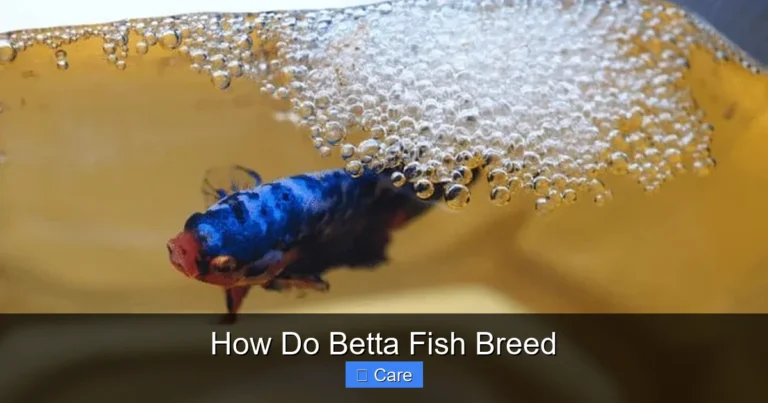
Pellets are the cornerstone of any betta feeding plan. Look for products that list “betta‑specific” or “tropical fish” on the label, contain at least 40% protein, and have minimal filler (no excessive wheat or soy). Brands such as Omega One Betta Buffet and Hikari Betta Bio-Gold are widely recommended.
Visual guide about How Do You Feed a Betta Fish
Image source: wikihow.com
Frozen and Live Options
- Bloodworms: High in protein, great as a treat 1‑2 times per week.
- Brine shrimp: Easy to digest, perfect for young bettas or during recovery.
- Daphnia: Provides fiber that helps prevent constipation.
- Microworms: Tiny, ideal for fry or picky adults.
Freeze‑dried versions are convenient; just soak them for a few seconds before feeding.
What to Avoid
Steer clear of generic tropical fish flakes (they’re too large and low in protein), bread, or any food that contains artificial colors and flavors. These can cloud water and cause digestive upset.
3. How Much to Feed: Portion Control Made Easy
The Two‑Minute Rule
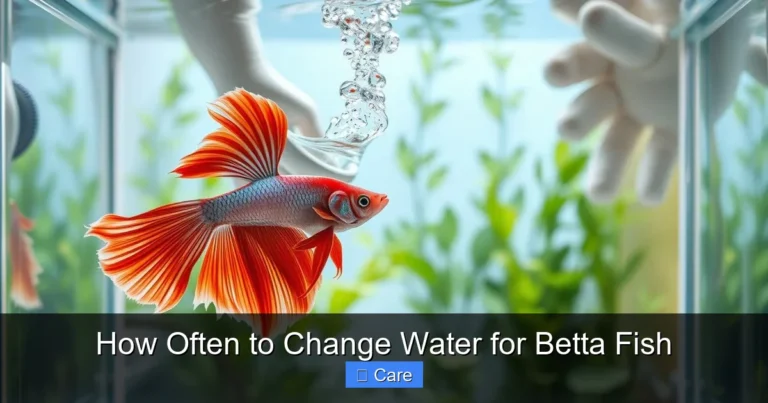
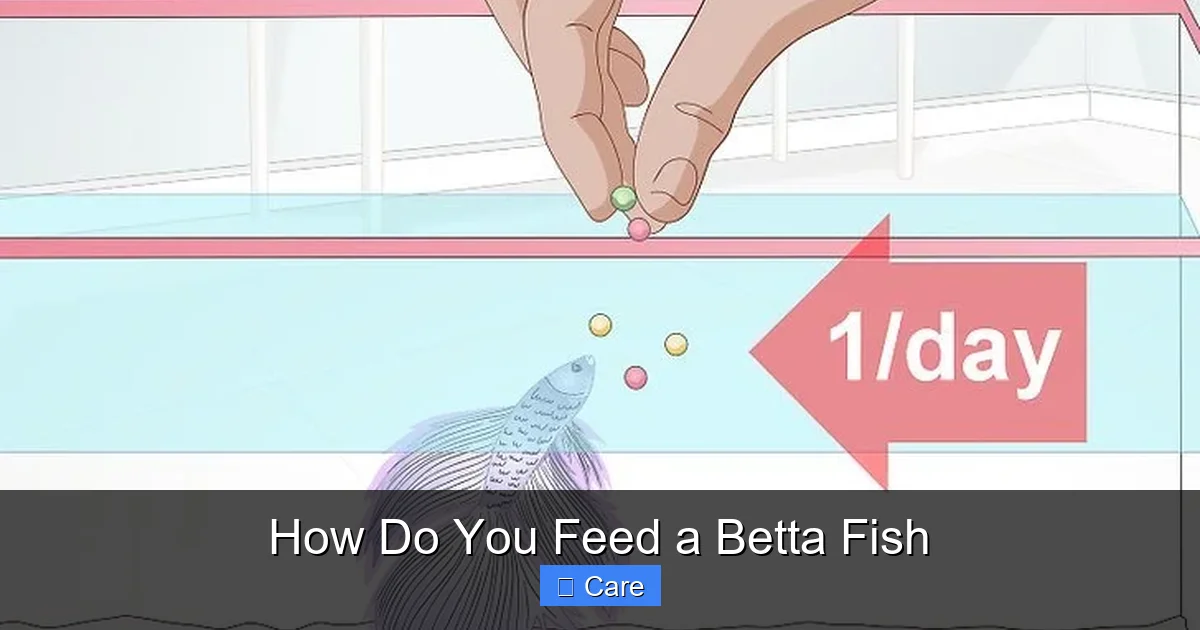
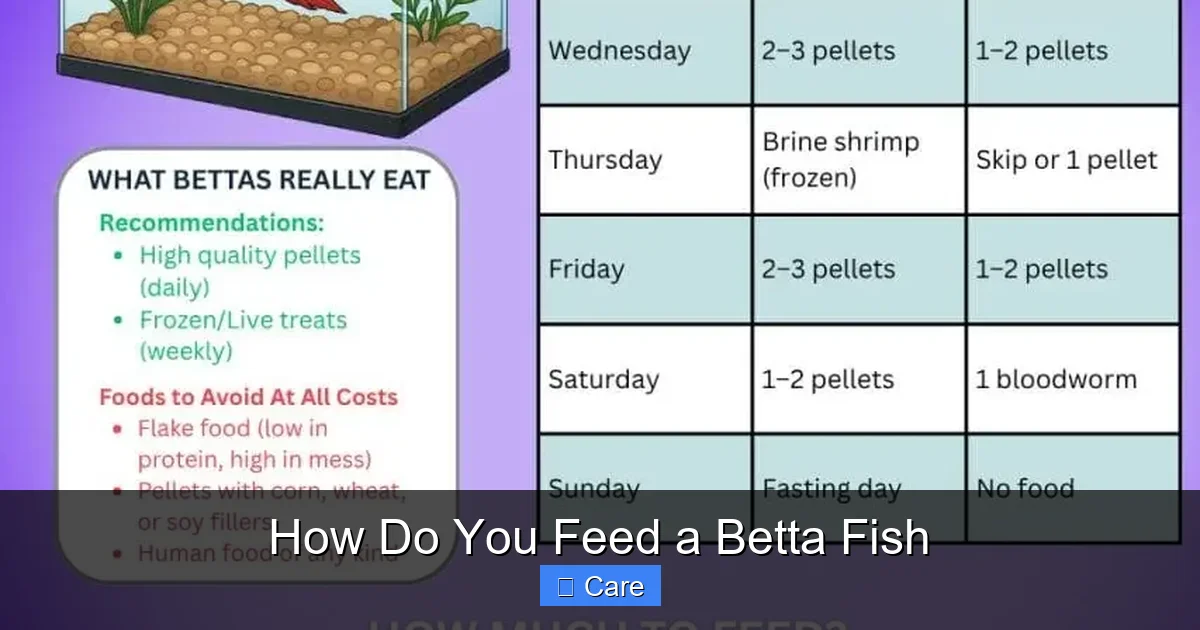
Offer only as much food as your betta can swallow in 2‑3 minutes. For most adult bettas, that’s about 2–3 pellets per feeding or a small pinch of frozen food. If food remains after the timer, remove it promptly.
Visual guide about How Do You Feed a Betta Fish
Image source: ekk4j69ebaa.exactdn.com
Adjusting Portions by Size and Age
- Fry (0‑4 weeks): Feed 3‑4 times daily, 4‑5 small bites each time.
- Juveniles (1‑3 months): Reduce to 2‑3 feedings per day, 3–4 pellets each.
- Adults (3+ months): Feed 2‑3 times daily, 2–3 pellets or equivalent.
Signs of Over‑ or Under‑Feeding
Overfeeding leads to bloating, white‑curdled feces, and cloudy water. Underfeeding shows up as a thin, dull body and reduced activity. Adjust portions quickly if you notice any of these signs.
4. Feeding Schedule: When and How Often
Standard Adult Schedule
Most owners find success feeding their adult betta twice a day—once in the morning and once in the evening. This mimics the natural pattern of hunting at dawn and dusk.
Special Situations
- Breeding season: Increase feedings to 3 times daily with protein‑rich foods.
- Sick or recovering betta: Offer small, frequent meals (4–5 times) of easily digestible foods like boiled pea mash.
- Weekend or vacation: Use an automatic feeder set to release 2–3 pellets per session, but test it first to avoid over‑dispensing.
Practical Tip: Use a Timer
Setting a kitchen timer or phone alarm helps you stay consistent, especially if you have a busy schedule. Consistency reduces stress and keeps the digestive system regular.
5. Preparing and Serving Food Safely
Thawing Frozen Foods
Place frozen bloodworms or brine shrimp in a small cup of tank water for 10–15 seconds. This removes the icy layer and lets the food sink slowly, giving your betta a realistic hunting experience.
Rinsing Pellets
If you use dry pellets, you can briefly rinse them in a fine mesh strainer to remove dust. This helps keep the water clearer.
Feeding Tools
- Tweezers or feeding tongs: Perfect for precise portion control.
- Small feeding dish: Useful for larger tanks where food may drift.
Cleaning Up After Feeding
After the 2‑minute window, use a net or siphon to remove any leftover bits. This prevents excess waste from decaying and fouling the water.
6. Maintaining Water Quality While Feeding
Why Water Matters for Digestion
Betta metabolism works best at 78‑80°F (25‑27°C). Warmer water speeds up digestion, while cooler water can cause food to sit in the gut longer, increasing the risk of constipation.
Regular Water Changes
Perform a 25‑30% water change once a week, or more often if you notice food debris or cloudiness. Use a gentle water conditioner to protect your betta’s delicate skin.
Monitoring Parameters
- Ammonia & nitrite: Keep at 0 ppm.
- Nitrate: Below 20 ppm.
- pH: 6.5‑7.5 is ideal.
Tip: Use a Siphon for Spot Cleaning
During weekly changes, run the siphon over the substrate to pull up any uneaten food that has settled. This simple habit keeps the tank sparkling and your betta healthier.
Conclusion: Feeding Your Betta for a Long, Colorful Life
Feeding a betta fish isn’t rocket science, but it does require attention to diet quality, portion size, and timing. By offering high‑protein pellets, occasional live or frozen treats, and sticking to a consistent feeding schedule, you’ll see your betta’s colors become more vibrant and its behavior more lively.
Remember the two‑minute rule, keep the water warm and clean, and always watch for signs of over‑ or under‑feeding. With these simple steps, you’ll enjoy a healthy, happy betta for years to come.
Frequently Asked Questions
How often should I feed an adult betta fish?
Feed an adult betta 2‑3 times per day, offering only what it can eat in 2‑3 minutes each session.
Can I feed my betta fish only pellets?
Pellets provide a balanced base, but adding occasional live or frozen foods (bloodworms, brine shrimp) improves coloration and mimics natural hunting behavior.
What is the best way to prevent constipation in bettas?
Offer a small amount of daphnia or a peeled, cooked pea once a week. Also avoid overfeeding and keep the water temperature around 78‑80°F.
Is it safe to use an automatic feeder for bettas?
Yes, if the feeder dispenses the correct amount (2‑3 pellets). Test it first to ensure it doesn’t release too much food.
How do I know if my betta is over‑fed?
Signs include a bloated abdomen, white‑curdled feces, and cloudy water. Reduce portion size and increase water changes if you see these symptoms.
What should I do if my betta stops eating?
Check water parameters, temperature, and tank cleanliness. Offer a favorite live food like brine shrimp. If the loss of appetite persists, consider a vet check for illness.