Is My Betta Fish Constipated
Is my betta fish constipated? It is a common problem that many betta owners face. Constipation in betta fish shows up as a swollen belly, not eating, and staying still at the bottom of the tank. The good news is that most cases are easy to fix with simple changes to diet and care. This guide covers all the signs, causes, and treatments so you can help your fish feel better fast.
Key Takeaways
- Recognizing constipation early helps you treat it before it becomes serious.
- Overfeeding is the #1 cause of betta fish constipation and should be avoided.
- A simple fasting period of 2-3 days can often clear up constipation naturally.
- Diet changes like adding blanched peas make a big difference in digestion.
- Warm water and proper tank conditions support healthy bowel movements.
- Knowing when to see a vet is important if home treatments do not work.
📑 Table of Contents
Is My Betta Fish Constipated? Here Is How to Tell
Every betta fish owner has worried at some point. You look at your fish and something just seems off. Maybe the belly looks too big. Or your betta is not eating like it usually does. These are signs that your betta fish may be constipated. It is a very common issue, and the good news is that it is usually easy to fix.
Betta fish constipation happens when waste builds up in the digestive tract. This can cause discomfort, bloating, and even more serious health problems if left untreated. The betta fish digestive system is sensitive, and what your fish eats plays a huge role in how well it functions. Understanding the signs early can save you a lot of stress and keep your fish healthy.
In this article, we will cover everything you need to know. From the common symptoms of constipation to the best treatments and prevention tips. By the end, you will know exactly what to do if your fish is struggling. Let us dive in.
What Does a Constipated Betta Fish Look Like?
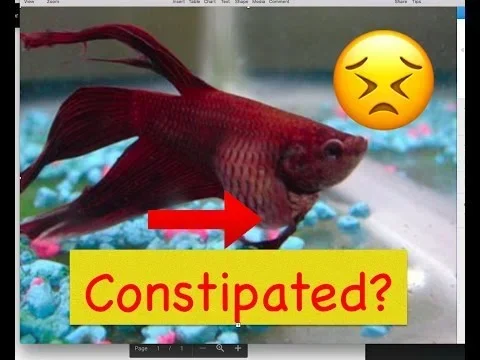
A constipated betta fish gives off several clear warning signs. The most obvious one is a swollen or bloated belly. The belly may look tight and round, almost like a small ball. In some cases, you might notice that the fish’s body looks curved or bent to one side.
Another sign is loss of appetite. If your betta fish is not eating, constipation could be the reason. A healthy betta fish is usually eager at feeding time. When constipation sets in, your fish may ignore food completely or only nibble a little. You might also notice your betta fish not moving as much as usual. Lethargy and staying at the bottom of the tank are common with digestive issues.
Some fish may also have trouble swimming properly. You might see your betta fish swimming sideways or struggling to stay upright. This happens because a bloated belly can affect the swim bladder. The swim bladder is an organ that helps fish control their balance. When the belly is too full, it presses on this organ and causes swimming problems.
What Causes Constipation in Betta Fish?
Understanding the root cause is the first step toward fixing the problem. Most of the time, constipation in bettas comes down to simple lifestyle factors. Let us look at the main causes.
Overfeeding
This is the number one reason betta fish get constipated. Bettas have small stomachs, and many owners overestimate how much food they need. A betta’s stomach is about the size of its eye. Yet people often feed too much at once or too frequently throughout the day.
When a betta eats more than it can digest, the food sits in the gut and hardens. This creates a blockage. Over time, this leads to constipation and bloating. The best rule of thumb is to feed your betta small amounts twice a day. Only give what your fish can eat in two minutes.
Poor Diet and Lack of Fiber
What you feed your betta matters a lot. Many commercial betta pellets are low in fiber and high in fillers. A diet that lacks variety can lead to digestive issues over time. Bettas need fiber to keep things moving through their system naturally.
Live or frozen foods like bloodworms and brine shrimp are great but should not be the only food. These are high in protein but low in roughage. Without enough fiber, waste moves slowly through the betta fish digestive system, which can cause blockages.
Not Enough Movement
Bettas that live in small tanks with little room to swim may have slower digestion. Movement helps stimulate the gut. A betta fish that stays in one spot for too long may have a harder time passing waste. This is why tank size and enrichment matter for your fish’s overall health.
How to Treat a Constipated Betta Fish
If you have confirmed that your betta is constipated, do not panic. Most cases can be treated at home with simple methods. Here are the best approaches.
Fast Your Fish
The first and easiest treatment is to fast your betta fish for 2-3 days. This gives the digestive system time to clear out any built-up waste. Many fish owners worry about skipping meals, but bettas can easily go several days without food. In fact, fasting is one of the most effective constipation remedies for bettas.
During the fast, make sure the tank water stays clean. Do water changes as needed to keep conditions healthy. After the fast, offer a small amount of food and watch how your fish responds.
Feed Blanched Peas
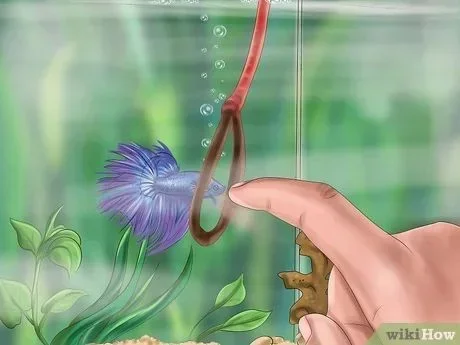
Blanched peas are a classic and highly effective treatment for betta constipation. The fiber in peas helps push waste through the digestive tract naturally. Here is how to do it:
- Take a fresh or frozen green pea and remove the skin.
- Boil it for 1-2 minutes until it is soft.
- Let it cool and then cut it into tiny pieces.
- Feed a small piece to your betta.
Most bettas love peas and will eat them eagerly. You can do this once a day for a few days. This is a gentle and natural way to relieve betta fish blockages and get things moving again.
Raise the Water Temperature
Warm water helps speed up digestion in betta fish. If your tank is on the cooler side, try raising the temperature slightly. Aim for around 78-80 degrees Fahrenheit. The warmth helps the metabolism work faster and can ease constipation naturally.
Just be careful not to raise the temperature too quickly or too high. Sudden changes in water temperature can stress your fish. Make adjustments gradually over a few hours.
Reduce Stress in the Tank
A stressed betta fish has a harder time digesting food properly. Common stressors include aggressive tank mates, bright lights, and loud noises near the tank. Try to create a calm environment with gentle lighting and plenty of hiding spots.
If you notice your betta fish not active or hiding a lot, check for stress factors in the tank. A relaxed fish will have an easier time with digestion and overall health.
How to Prevent Constipation in the Future
Prevention is always better than cure. Once your betta is feeling better, you will want to make sure constipation does not come back. Here are some simple steps to keep your fish healthy and regular.
Feed a Balanced Diet
Variety is key when it comes to your betta’s diet. Do not rely on pellets alone. Mix in high-quality frozen or live foods like bloodworms, brine shrimp, and daphnia. You can also add blanched peas regularly as a fiber source. A balanced betta diet supports healthy digestion and prevents waste from building up.
Try to feed your betta a mix of proteins and fiber. This mimics what they would eat in the wild and keeps the gut functioning well. A varied diet also makes feeding time more exciting for your fish.
Stick to a Feeding Schedule
Consistency matters. Feed your betta at the same times each day, and do not skip or overfeed. A regular feeding schedule helps the digestive system work on a predictable rhythm. Most experts recommend feeding twice a day with small portions.
If you are going on vacation, use an automatic feeder or ask someone to feed your fish in small amounts. Never leave a large pile of food in the tank, as it will dirty the water and cause digestive problems.
Keep the Tank Clean and the Right Size
A clean tank with proper filtration supports good digestion. Waste and toxins in the water can stress your fish and slow down the gut. Do regular water changes and keep the tank at least 5 gallons in size. A larger tank gives your betta more room to swim, which naturally aids digestion.
If you want to learn more about keeping your tank healthy, check out our guide on why there is foam in your betta fish tank. Clean water is one of the best defenses against digestive problems.
Monitor Your Fish Daily
Spend a few minutes each day watching your betta. Look for any changes in behavior, appetite, or appearance. Catching constipation early makes treatment much easier. If you notice your betta is not eating or seems uncomfortable, take action right away. Early intervention prevents the problem from getting worse.
Also, pay attention if your fish seems to be looking at you more than usual. Bettas can communicate discomfort through their behavior, and glass surfing or staring can sometimes signal stress or illness. For more on this behavior, read our article on why your betta fish is looking at you.
When to See a Vet
Most cases of constipation resolve within a few days of home treatment. However, there are times when you should seek professional help. If your betta fish is not pooping for more than a week despite fasting and dietary changes, it may be time to consult a vet.
Watch for signs of a more serious condition. If your fish has a curved body, visible lumps, or white spots along with constipation, these could point to a deeper issue. A constipated betta fish that stops moving entirely needs urgent attention. In some cases, constipation can be a symptom of swim bladder disease or internal infections that require medication.
Do not hesitate to reach out to a fish vet if home treatments are not working. It is always better to be safe than sorry when it comes to your fish’s health.
Common Mistakes Bettas Owners Make
There are a few mistakes that many betta owners make when dealing with constipation. Avoiding these can save your fish a lot of discomfort.
- Overfeeding with freeze-dried foods: These foods expand in the stomach and can cause blockages. Always soak freeze-dried food before feeding.
- Ignoring the problem: Some owners wait too long hoping the issue resolves on its own. Early treatment is much easier.
- Using laxatives meant for humans: Never give your betta fish any medication designed for humans. It can be harmful or even fatal.
- Changing too much water at once: Large water changes can shock your fish and worsen stress. Stick to small, regular changes.
Avoiding these simple mistakes goes a long way in keeping your betta healthy and constipation-free.
Quick Tips for a Happy, Healthy Betta
Here are some quick tips to keep your betta fish in top shape and avoid digestive issues:
- Feed small amounts twice a day, no more than your fish can eat in two minutes.
- Include blanched peas or other fiber-rich foods in the weekly diet.
- Keep the tank temperature stable between 78 and 80 degrees Fahrenheit.
- Do 25% water changes every week to maintain clean water.
- Give your betta plenty of room to swim and explore.
- Watch for early signs of digestive trouble and act fast.
Following these simple steps will help your betta stay regular and happy. A well-cared-for fish is less likely to suffer from constipation or other digestive problems.
Remember that every fish is different. Some bettas are more prone to digestive issues than others. Pay attention to your individual fish’s needs and adjust care as needed. If you are ever unsure about your fish’s health, trust your instincts and seek advice from experienced aquarists or a fish veterinarian.
Taking good care of your betta means paying attention to the small things. A healthy diet, clean water, and a stress-free environment are the foundation of a happy fish. When you notice something is off, act quickly and give your betta the care it deserves. Your fish will thank you with vibrant colors and energetic behavior every day.
For more information on common betta health concerns, check out our article on is my betta fish sick. Knowing the signs of illness early can make all the difference in your fish’s recovery and long-term well-being.
Frequently Asked Questions
How can I tell if my betta fish is constipated?
The most common signs are a swollen belly, loss of appetite, and less activity than usual. Your fish may also have trouble swimming or stay at the bottom of the tank. If you notice these signs together, constipation is likely the cause.
Can I treat betta fish constipation at home?
Yes, most cases can be treated at home. Try fasting your fish for 2-3 days and then feeding a small piece of blanched pea. Raising the water temperature slightly can also help. These simple steps work for the majority of constipation cases.
How long can a betta fish go without eating?
Betta fish can safely go 3-5 days without food. This is actually a useful tool for treating constipation. A short fast gives the digestive system time to clear out any blockages naturally without causing harm to your fish.
Is constipation in betta fish dangerous?
If caught early, constipation is not dangerous and is easy to treat. However, if left untreated for a long time, it can lead to more serious issues like swim bladder disease or internal infections. Always act quickly when you notice the signs.
What should I feed a constipated betta fish?
The best foods are blanched peas and high-quality betta pellets soaked in water. Avoid freeze-dried foods that expand in the stomach. Keep portions small and feed only once or twice a day during recovery.
Can overfeeding really cause constipation in bettas?
Yes, overfeeding is the leading cause of constipation in betta fish. Bettas have very small stomachs, and excess food does not get fully digested. This can create blockages and lead to bloating, constipation, and other health problems.
=== CONCLUSION ===
Is my betta fish constipated? Now you know the answer and what to do about it. Constipation is a common but manageable problem when you catch it early. Watch for the signs, adjust the diet, and use simple treatments like fasting and blanched peas. A healthy diet, clean water, and regular monitoring will keep your betta fish happy and free from digestive issues. Take action today and your fish will be swimming with energy in no time.