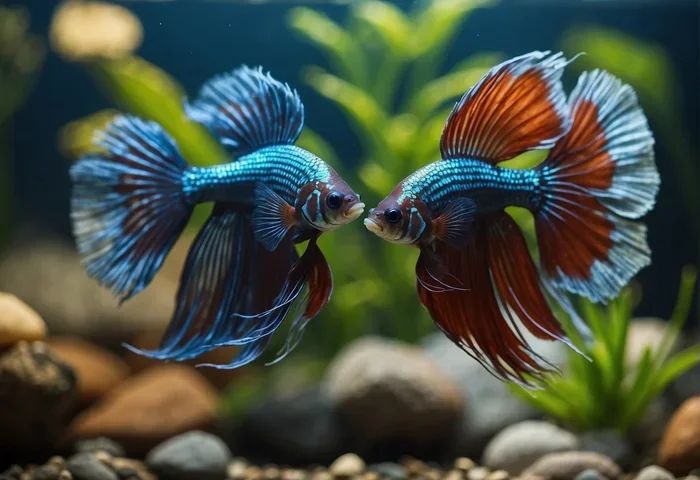
Why Are Betta Fish Kept in Cups
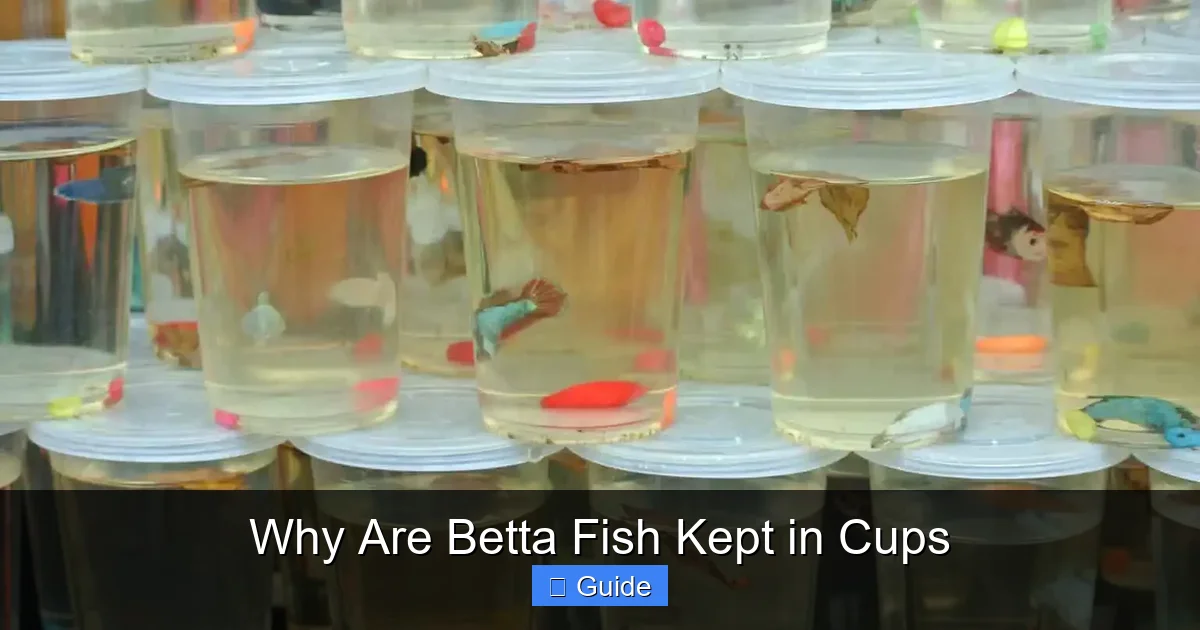
The practice of keeping betta fish in tiny cups is a decades-old marketing tactic, not a suitable living condition. Originating from their natural ability to survive in shallow, temporary puddles, retailers exploit this hardiness to display them conveniently. However, this causes severe stress, health problems, and significantly shortens their lifespan. Proper betta care requires a heated, filtered tank of at least 5 gallons with enrichment. Moving away from the cup is essential for their well-being.
Key Takeaways
- The cup is a marketing display, not a home: Retailers use small cups for cheap, space-efficient displays, capitalizing on the betta’s ability to *survive* in poor conditions, not *thrive*.
- Bettas have complex needs beyond survival: They require warm, stable water (78-80°F), gentle filtration, and mental stimulation to prevent stress and disease.
- Cup confinement causes chronic suffering: It leads to lethargy, faded colors, torn fins, susceptibility to disease, and a drastically reduced lifespan (often weeks vs. 3-5 years).
- The “labyrinth organ” is often misunderstood: While it allows survival in low-oxygen water, it does not mean bettas prefer or are adapted to live in tiny, dirty containers.
- A proper setup is affordable and simple: A 5-gallon tank with a heater, gentle filter, and a few plants/ hiding spots provides a humane and enriching environment.
- Consumer demand drives change: Refusing to buy bettas in cups and educating others pressures stores to adopt better display and care standards.
📑 Table of Contents
- The Shocking Sight in the Store: A Common Practice
- The Allure of the Small Space: Why Retailers Do It
- The Biology of a Betta: Why the Cup is a Tragedy
- The Devastating Health Consequences of Cup Confinement
- Debunking the Myths: “But They’re Fine in Cups!”
- The Proper Betta Care Guide: From Cup to Kingdom
- The Road to Change: Advocacy and Ethical Choices
The Shocking Sight in the Store: A Common Practice
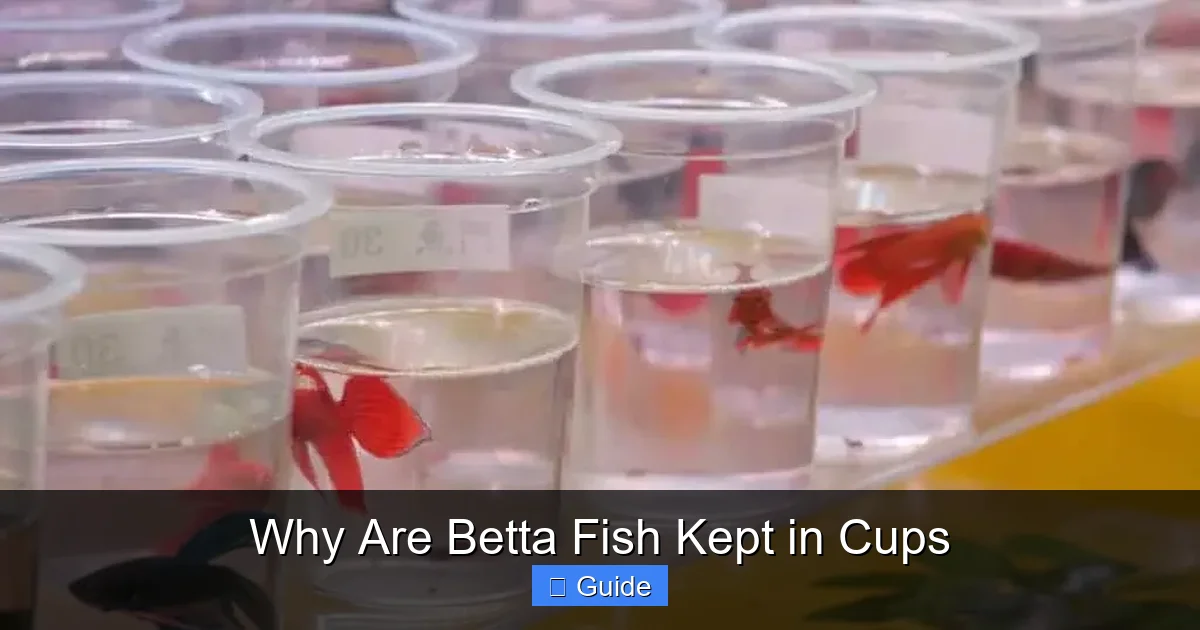
Walk into any major pet store, and you’ll likely see them: rows of small, plastic cups lined up on shelves, each containing a single, brilliantly colored betta fish. They float listlessly, sometimes resting at the bottom, sometimes flaring at their reflection. This image has become so normalized that many first-time fish owners don’t question it. The question “why are betta fish kept in cups?” seems to have a simple answer: because that’s how they’re sold. But the real story is a complex mix of historical marketing, biological misunderstanding, and animal welfare concerns. This practice is one of the most persistent and harmful myths in the aquarium hobby. This guide will pull back the curtain on the cup, exploring its origins, the devastating impact on the fish, and, most importantly, what proper betta care truly entails.
A Brief History of the “Fighting Cup”
The origin traces back to Southeast Asia, where wild bettas (Betta splendens) were bred for aggression in matches that could last hours. These contests were held in small containers—sometimes just jars or divided pots—where the fish could see each other but not fight continuously. The fish’s natural habitat, the shallow rice paddies and slow-moving streams of Thailand, could dry up, forcing them to survive in small, warm, oxygen-poor puddles until the rains returned. This incredible hardiness is what made them perfect for the grueling fights and, later, for shipping. In the 19th and early 20th centuries, they were imported to the West in tiny containers because they could survive the journey. Retailers co-opted this shipping method as a permanent display strategy. The small cup was cheap, space-efficient, and the fish *appeared* to survive in it. The focus shifted from their natural behavior and needs to their sheer ability to *endure*.
The Allure of the Small Space: Why Retailers Do It
Understanding the “why” requires looking at it from a business perspective, not a biological one. The cup system is economically attractive for large-scale retailers.
Visual guide about Why Are Betta Fish Kept in Cups
Image source: bettasource.com
Cost and Space Efficiency
A standard 3-ounce plastic cup costs pennies. Filling it with a small amount of water and a single male betta minimizes overhead. On a shelf, you can fit dozens of these cups where a single 5-gallon tank would go. This maximizes inventory per square foot, a critical metric for big-box stores. The initial setup cost is negligible compared to installing and maintaining a proper aquarium system with heaters, filters, and lighting.
The Illusion of Low Maintenance
There’s a pervasive myth sold alongside the betta in a cup: “They’re perfect beginner fish! They can live in a bowl.” Retailers often market them as low-maintenance, almost a “desk pet.” This message is dangerously misleading. It convinces well-intentioned but uninformed buyers that a cup or vase is a lifelong home. The store’s responsibility for the fish’s welfare often ends at the point of sale. The cup becomes a disposable, temporary home that the new owner is encouraged to replicate, unaware they are setting the fish up for failure.
Visual Impact and Impulse Buying
Let’s be honest: a row of vibrant, flowing fins in tiny cups is visually striking. It creates an “impulse buy” environment. The fish are presented as individual, decorative objects rather than living creatures with needs. The small container makes the fish seem more manageable, less of a commitment than a full aquarium setup. This visual merchandising tactic is highly effective but ethically questionable when it comes to living animals.
The Biology of a Betta: Why the Cup is a Tragedy
To understand why the cup is so harmful, we must look at what a betta fish actually is. They are not simply hardy survivors; they are intelligent, territorial, and physically complex animals.

Visual guide about Why Are Betta Fish Kept in Cups
Image source: bettafishworld.com
The Labyrinth Organ: A Tool for Survival, Not Luxury
The betta’s most famous feature is its labyrinth organ, a specialized structure that allows it to gulp air from the surface and extract oxygen. This adaptation lets them survive in stagnant, oxygen-depleted waters—like a drying puddle. However, this does not mean they prefer such conditions. It is an emergency backup system, akin to a human’s ability to hold their breath. Constantly relying on this organ in warm, dirty cup water is energetically costly and stressful for the fish. In clean, well-oxygenated water with proper filtration, they use their gills normally, which is far less taxing. The cup exploits this survival trait while ignoring all their other needs.
Territorial and Active by Nature
Male bettas are famously territorial, but in the wild, a territory encompasses a much larger area—a section of a slow-moving stream or a dense patch of plants. They are active explorers, patrols their space, and engage in elaborate displays. A cup offers zero room to patrol, zero hiding places, and nothing to explore. This lack of space and stimulation leads to profound boredom and chronic stress. Stress is the silent killer in aquariums, suppressing the immune system and making the fish vulnerable to diseases like fin rot and ich.
Temperature and Water Quality Non-Negotiables
Betttas are tropical fish from equatorial regions. Their ideal water temperature is a stable 78-80°F (25.5-26.5°C). A small cup of water at room temperature (often 70-72°F) is chronically cold for them, slowing their metabolism and immune function. Furthermore, the cup has no filtration. The fish’s own waste (ammonia) and uneaten food quickly poison the water. In a properly cycled, filtered tank, beneficial bacteria convert toxic ammonia. In a cup, ammonia builds up rapidly, burning the fish’s gills and skin. Water changes in a cup are difficult to do properly and frequently enough to counteract this, leading to a toxic, stressful existence.
The Devastating Health Consequences of Cup Confinement
The suffering caused by cup life is not abstract; it manifests in clear, observable ways that affect the fish’s physical and mental well-being.
Visual guide about Why Are Betta Fish Kept in Cups
Image source: i.pinimg.com
Stress and Its Physical Manifestations
Chronic stress from confinement, poor water, and cold triggers a constant “fight or flight” response. This drains the fish’s energy reserves. You’ll often see cup-kept bettas lethargically resting on the bottom, a sign of severe stress and lethargy. Their vibrant colors fade or become dull. Their fins, which should be long and flowing, may become clamped tightly against the body (a classic stress posture) or begin to shred and decay due to poor water quality and stress-induced fin rot.
Stunted Growth and a Shortened Lifespan
Fish kept in undersized, poor-quality environments often exhibit stunted growth. Their bodies don’t develop to their full potential. More critically, their lifespan is dramatically reduced. A betta kept in a proper aquarium with good care can live 3-5 years, sometimes longer. A betta sold in a cup and kept in a similarly poor home often survives only a few weeks to a few months. The cumulative damage of cold, toxic water, and stress is simply too much for their system to handle long-term. They don’t die of “old age”; they die of preventable complications directly caused by their environment.
Increased Susceptibility to Disease
Stress and poor water quality are a one-two punch for disease. A weakened immune system cannot fight off common pathogens. The high ammonia levels in a cup directly damage gill and skin tissue, creating open wounds for bacteria and parasites to invade. Common ailments include:
- Fin Rot: Fins become ragged, blackened, and decay. Caused by bacteria in poor water.
- Ich (White Spot Disease): A parasitic infection that appears as white dots, thrives in stressed fish.
- Velvet: A gold-dust-like parasite that coats the fish, causing severe irritation and rubbing.
- Dropsy: A symptom of severe internal damage (often from organ failure due to poor water), causing pinecone-like scales and swelling.
These are not just “betta diseases”; they are diseases of neglect and improper husbandry.
Debunking the Myths: “But They’re Fine in Cups!”
Proponents of the cup system often rely on a handful of persistent myths. Let’s dismantle them with biology and ethics.
Myth 1: “They live in puddles in the wild, so a cup is similar.”
This is the most common and dangerous misconception. Yes, wild bettas can be found in shallow, temporary waters during dry seasons. But these “puddles” are connected to larger ecosystems. They are filled with rainwater, plant life, insects, and have some water movement and gas exchange. They are temporary. The betta’s instinct is to survive there until the rains return and they can move to a larger habitat. A cup is a permanent, sterile, isolated, and utterly barren environment with no connection to a larger, healthier ecosystem. It’s the difference between a survival shelter and a forever home.
Myth 2: “They can breathe air, so water quality doesn’t matter as much.”
As discussed, the labyrinth organ is for survival in low-oxygen water, not an excuse for poor water quality. Ammonia toxicity is a separate, deadly issue. Ammonia burns the fish’s gills and skin regardless of how it breathes. A cup’s water becomes toxic from waste within hours. The air-breathing ability does nothing to protect the fish from ammonia poisoning. It’s like saying a human can hold their breath, so it’s okay to live in a room filled with carbon monoxide.
Myth 3: “They are solitary and don’t need space or friends.”
While male bettas must be housed alone (due to aggression towards other males), this does not mean they are “loners” who don’t need space. Solitary in this context means they cannot cohabit with tankmates that will provoke aggression or have similar long, flowing fins. It does not mean they are content in a 16-ounce cup. They still need a territory to patrol, plants to rest under, and objects to explore. Their intelligence requires stimulation. A barren cup is sensory deprivation.
The Proper Betta Care Guide: From Cup to Kingdom
The transition from cup to proper home is straightforward and does not require an expensive, high-tech setup. It requires understanding and meeting their fundamental needs.
Tank Size: The Absolute Minimum
The oft-cited “minimum” of 2.5 gallons is a bare minimum that still requires impeccable maintenance. The widely accepted, humane standard is a 5-gallon (19-liter) tank or larger. This provides enough water volume to dilute toxins, stable temperatures, and space for swimming and exploration. A 10-gallon is even better and allows for carefully selected tankmates (like snails or certain shrimp). Anything smaller than 2.5 gallons is unsuitable and borders on cruelty, regardless of filtration or heating.
Heating and Filtration: Non-Negotiable Equipment
Heater: A reliable, adjustable aquarium heater is mandatory. Use a 25-watt heater for a 5-gallon tank. A thermometer (digital or glass) is essential to monitor temperature. Never rely on room temperature.
Filter: A gentle filter is crucial for biological filtration (cultivating beneficial bacteria). A sponge filter is ideal for bettas—it provides gentle flow, excellent biological filtration, and a place for the fish to rest. Hang-on-back (HOB) or internal power filters can be used if the flow is baffled (reduced) with a sponge or adjusted to the lowest setting. The filter must run 24/7 to establish a stable nitrogen cycle.
Water Quality and the Nitrogen Cycle
You cannot have a healthy betta without a cycled tank. The nitrogen cycle is the process where beneficial bacteria convert toxic fish waste (ammonia) -> nitrite -> less toxic nitrate. This process takes 4-6 weeks. During this time, you must test water parameters (using a liquid test kit like API Freshwater Master Test Kit) and perform partial water changes to keep ammonia and nitrite at zero. Once cycled, weekly 25-50% water changes with a gravel vacuum are essential to remove nitrate and detritus. Never remove all the water or clean all the filter media at once, as this kills the beneficial bacteria.
Enrichment and Decor: Creating a Stimulating Home
A bare tank is a boring tank. Bettas need:
- Hiding Spots: Live or silk plants (avoid plastic with sharp edges), caves, PVC pipes, or betta logs. They provide security and break up lines of sight.
- **Gentle Lighting:** Bright light can stress them. Use a tank light on for a standard day/night cycle, but ensure there are shaded areas.
- Substrate: Sand or fine gravel. Avoid sharp gravel that can tear their delicate fins.
- Floating Resting Places: Betta leaves or a floating log. They often rest near the surface, and a designated spot reduces stress.
Consider adding dried Indian almond leaves; they release tannins that can lower pH slightly and have mild antibacterial properties, mimicking their natural blackwater habitat.
The Road to Change: Advocacy and Ethical Choices
Changing this entrenched practice requires action from consumers and the industry.
Vote with Your Wallet
The single most powerful action is to never buy a betta fish displayed in a cup. If you want a betta, seek out reputable local fish stores (LFS) that keep them in heated, filtered display tanks. Ask the store manager about their betta care. If they are keeping them in cups, politely explain your concerns and say you’ll shop elsewhere. Demand better. Online retailers that ship bettas properly (in insulated boxes with breathers and heat/cold packs) are also a better option than supporting in-store cup displays.
Educate and Advocate
Share this information. When you see a friend about to buy a cup betta, gently explain the facts. Correct the “they’re fine in a bowl” myth whenever you hear it. Support and sign petitions asking major pet chains to change their betta display policies. Some chains have made incremental improvements (larger containers, dividers, heaters), but the cup remains standard. Public pressure works.
Rescue and Rehabilitate
If you already have a cup-kept betta, do not feel guilty—feel motivated to provide the best care possible now. Quarantine the new fish in a separate hospital tank for 2-4 weeks, treating for common diseases (like a mild salt bath or appropriate medication if symptoms appear) before introducing it to a fully cycled, heated, filtered main tank. The transformation in a properly cared-for betta—fins regrowing, colors intensifying, active behavior—is one of the most rewarding experiences in fishkeeping.
Frequently Asked Questions
Can betta fish live their whole life in a cup?
No. While they may *survive* for a short time, a cup causes chronic stress, poor water quality, and stunted growth, leading to a severely shortened lifespan of weeks or months instead of years. It is not a suitable permanent home.
How long can a betta fish survive in the cup from the store?
It varies, but most bettas sold in cups have a shortened lifespan. Many die within the first few weeks or months in a home if kept in a similarly inadequate setup. With immediate transfer to a proper tank, they can often recover and live for several years.
What is the smallest tank I can ethically keep a betta in?
The absolute minimum is 2.5 gallons, but a 5-gallon tank is the widely recommended and humane standard. This allows for stable water parameters, heating, filtration, and essential enrichment.
Do betta fish in cups need a heater?
Yes, absolutely. Bettas are tropical fish requiring a stable water temperature of 78-80°F (25.5-26.5°C). The cold temperatures of a room-temperature cup severely compromise their immune system and metabolism.
Can I put a betta from a cup with other fish?
Only after it has been quarantined and is in a properly sized, cycled tank (5+ gallons). Male bettas are generally solitary and will attack other male bettas and fish with long, flowing fins. They can sometimes live with peaceful, fast-moving community fish like harlequin rasboras or certain snail/shrimp species in a larger, well-planted tank, but their cup history means they may be more aggressive or stressed.
Why do pet stores still use cups if they’re so bad?
Primarily due to cost and space efficiency. Cups are extremely cheap, take up minimal shelf space, and create an eye-catching display that drives impulse sales. It’s a business decision based on economics, not animal welfare. Consumer demand for better practices is the only way to change this.