Which One Is Better Fish Oil or Omega 3
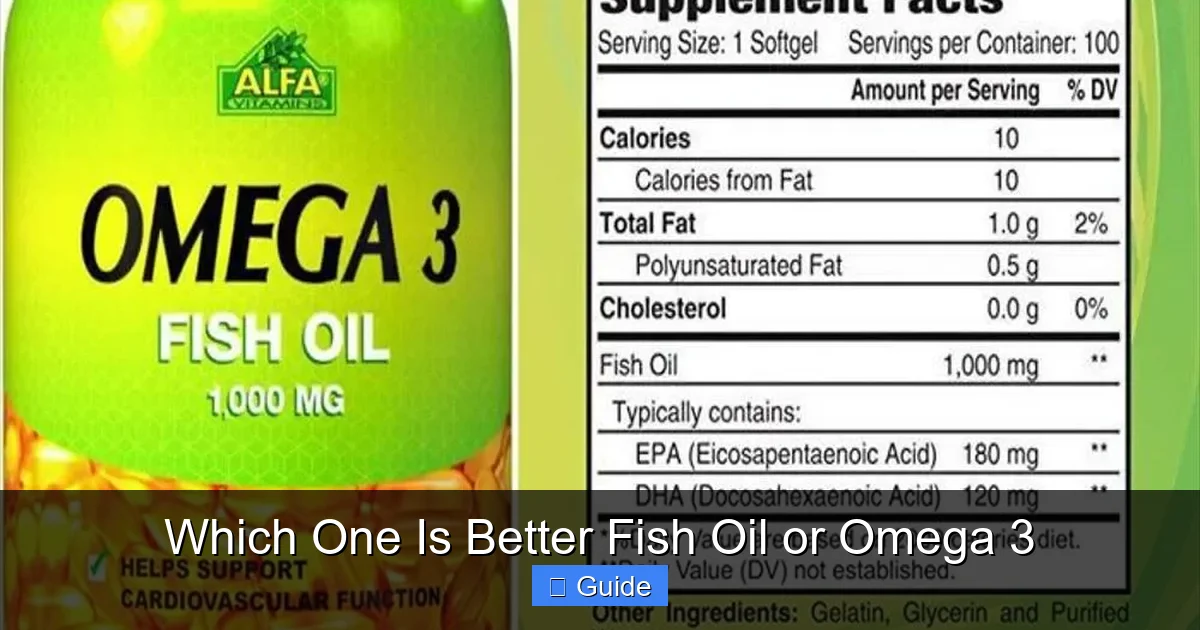
Fish oil is a specific source of omega-3 fatty acids, not a separate competitor. The “better” choice depends entirely on your dietary needs, health goals, and lifestyle. This guide clarifies the confusion between the category (omega-3s) and a popular source (fish oil), compares all major supplement types, and gives you a clear framework to decide what’s best for you.
You’ve seen the headlines: “Omega-3s are essential!” “Fish oil is the miracle supplement!” You walk into the pharmacy or scroll online, and you’re faced with bottles labeled “Fish Oil,” “Omega-3,” “Krill Oil,” “Algae Oil.” It’s incredibly confusing. The core question—which one is better, fish oil or omega-3?—is actually based on a fundamental misunderstanding. It’s like asking, “Which is better, a car or an engine?” One is a complete product, and the other is a key component inside it. Let’s clear the air right now: Omega-3s are the essential fatty acids your body needs. Fish oil is simply one of the most common ways to get them.
This isn’t just a semantic trick. Understanding this difference is the key to making a smart, informed choice for your health. You’re not choosing between two rival products; you’re choosing the best *source* and *form* of the nutrient you’re seeking. Are you getting enough? Which type is right for your heart, your brain, your joints? This comprehensive guide will walk you through everything you need to know, stripping away the marketing jargon and giving you a clear, actionable framework. We’ll dive into the science of omega-3s, compare every major supplement source on the market, and end with a simple decision tree to help you pick what’s truly best for you.
Key Takeaways
- Understanding which one is better fish oil or omega 3: Provides essential knowledge
📑 Table of Contents
- The Big Confusion: Omega-3s vs. Fish Oil—Demystifying the Terminology
- The Omega-3 Family: EPA, DHA, and ALA—Why the Type Matters
- Fish Oil: The Classic Source—Pros, Cons, and What to Look For
- Beyond Fish: Other Omega-3 Sources Compared
- How to Choose: A Practical Framework for Your Decision
- Who Should Take What? Personalized Recommendations
- The Bottom Line: It’s About the EPA and DHA, Not the Label
The Big Confusion: Omega-3s vs. Fish Oil—Demystifying the Terminology
Before we compare anything, we must fix the foundational error in the question itself. Let’s define our terms with crystal clarity.
What Are Omega-3 Fatty Acids?
Omega-3s are a family of polyunsaturated fats. They are “essential,” meaning your body cannot make them on its own; you must get them from your diet. There are three primary omega-3s you need to know about:
- ALA (Alpha-Linolenic Acid): Found primarily in plant oils (flaxseed, chia seeds, walnuts, hemp). Your body can convert ALA into the other two, but this process is notoriously inefficient—typically less than 5-10% for EPA and a minuscule 0.5-5% for DHA. So, while ALA is a good start, it’s not a reliable way to boost your EPA and DHA levels.
- EPA (Eicosapentaenoic Acid): Primarily found in marine sources: fatty fish (salmon, mackerel, sardines), fish oil, krill oil, and algae. EPA is heavily researched for its role in reducing inflammation, supporting cardiovascular health, and influencing mood regulation.
- DHA (Docosahexaenoic Acid): Also from marine sources. DHA is a critical structural component of the brain, retina, and cell membranes. It’s vital for cognitive function, fetal brain development, and overall neural health.
When health experts talk about the benefits of “omega-3s,” they are almost exclusively referring to the powerful duo, EPA and DHA. ALA is important, but it plays a different, supporting role.
What Is Fish Oil?
Fish oil is exactly what it sounds like: oil extracted from the tissues of oily fish. It is a source, a carrier. It contains a mixture of omega-3s (primarily EPA and DHA), along with other fats, and sometimes vitamin A and D. When you buy a “fish oil supplement,” you are buying a product that delivers EPA and DHA. The label will always list the breakdown: “Total Fish Oil 1000 mg” is mostly irrelevant. What matters is “EPA 300 mg, DHA 200 mg.”
The confusion arises because the supplement industry uses “Omega-3” as a broad marketing label. A bottle might say “Omega-3 Fish Oil” or simply “Omega-3 Supplement.” In common parlance, people say “I take omega-3” meaning they take a fish oil capsule. But technically, an “omega-3 supplement” could be algae oil, krill oil, or even a high-dose ALA plant oil capsule. So, the question isn’t “fish oil OR omega-3.” The real questions are:
- What form of omega-3 (EPA/DHA vs. ALA) do I need?
- What is the best *source* of that omega-3 for my specific situation?
From here on out, when we discuss “omega-3 supplements,” we will be focusing on those that provide pre-formed, direct EPA and DHA, as these are the compounds with the most robust health evidence.
The Omega-3 Family: EPA, DHA, and ALA—Why the Type Matters
Not all omega-3s are created equal. Understanding the distinct roles of EPA and DHA is crucial for tailoring your supplementation.

Visual guide about Which One Is Better Fish Oil or Omega 3
Image source: cdn.shopify.com
EPA: The Inflammation Modulator
Think of EPA as your body’s internal firefighter. It’s a precursor to compounds called eicosanoids, which help resolve inflammation. Chronic, low-grade inflammation is a root cause of many modern diseases, from heart disease to arthritis to depression. Numerous studies show that high-dose EPA (often in prescription formulations) can significantly lower triglycerides, a key blood fat linked to heart disease. Some research, like the REDUCE-IT trial, suggests EPA-only formulations may have unique cardiovascular benefits. For conditions heavily tied to inflammation—like rheumatoid arthritis—EPA is often the star player.
DHA: The Structural Builder
DHA is the predominant omega-3 in the brain (about 40% of the polyunsaturated fats) and the retina. It’s like a critical building block for your neural and visual hardware. During pregnancy and early childhood, DHA is absolutely essential for optimal brain and eye development. Throughout life, it supports cognitive function, memory, and may help protect against neurodegenerative decline. DHA also integrates into cell membranes, making them more fluid and functional.
The EPA:DHA Ratio—Does It Matter?
This is a hot topic. Traditional fish oils often have a ratio like 1.5:1 or 2:1 (EPA:DHA). Krill oil tends to have more DHA relative to EPA. Some newer formulations skew heavily toward EPA (like the prescription drug Vascepa). There is no universal “best” ratio. Your ideal ratio may depend on your goal:
- For high triglycerides & general inflammation: A higher EPA ratio (e.g., 3:1 or even EPA-only) may be more beneficial based on current evidence.
- For brain health, pregnancy, or infant development: Ensuring a robust dose of DHA (at least 200-300 mg daily, often more) is the priority. A supplement with more DHA or a balanced ratio makes sense.
- For general wellness: A balanced ratio (closer to 1:1 or 2:1 EPA:DHA) found in many standard fish oils is perfectly adequate for most people.
Don’t overcomplicate it. First, ensure you’re getting a meaningful total dose of combined EPA+DHA (generally 500-1000 mg daily for general health, more for therapeutic goals). Then, you can fine-tune the ratio based on your specific needs.
Fish Oil: The Classic Source—Pros, Cons, and What to Look For
Fish oil is the undisputed heavyweight champion of the omega-3 world. It’s widely available, relatively inexpensive, and has the longest history of research. But not all fish oils are created equal. The devil is in the details—the form, the purity, and the freshness.

Visual guide about Which One Is Better Fish Oil or Omega 3
Image source: lh3.googleusercontent.com
Forms of Fish Oil: Triglyceride vs. Ethyl Ester
This is the single most important technical distinction you need to understand. The omega-3s in natural fish are in the “triglyceride” form. When fish oil is processed, it can be left in this natural form or converted into “ethyl ester” form (a synthetic molecule) to concentrate the EPA/DHA content.
- Natural Triglyceride (TG) Form: This is the form your body recognizes and absorbs most efficiently. Studies consistently show that TG-form fish oil has significantly higher bioavailability—meaning more of the EPA and DHA actually get into your bloodstream—than ethyl ester form. It’s also less likely to cause fishy burps.
- Ethyl Ester (EE) Form: This is a cheaper, more concentrated form. The molecules are not as readily absorbed, especially if taken on an empty stomach. Many high-concentration “pharmaceutical-grade” fish oils are in EE form because it allows for extreme potency. If you choose an EE, take it with a meal containing fat to improve absorption.
Practical Tip: Check the label. It may say “re-esterified triglyceride” or “natural triglyceride.” If it just says “fish oil concentrate” without specification, it’s likely ethyl ester. For general use, TG-form is preferable.
Purity and Freshness: Avoiding Rancidity and Toxins
Fish oil is perishable. Exposure to heat, light, and air can cause oxidation—the fats turn rancid. Rancid oil smells fishy (not a good thing), tastes bad, and may be pro-inflammatory, the opposite of what you want. It can also contain environmental contaminants like mercury, PCBs, and dioxins.
- Look for Third-Party Certification: This is non-negotiable. Trustworthy seals include IFOS (International Fish Oil Standards), GOED (Global Organization for EPA and DHA Omega-3s), USP (United States Pharmacopeia), or NSF. These organizations test for purity, potency, and freshness. A brand that invests in this testing is serious about quality.
- Smell and Taste: High-quality, fresh fish oil should have a clean, mild scent, if any. If it has a strong, pungent fish odor, it’s likely oxidized. Some brands use lemon or other flavors to mask poor quality—be wary.
- Antioxidants: Good brands add natural antioxidants like vitamin E (tocopherols) to protect the oil from oxidation.
The Sustainability Question
Overfishing is a real concern. Look for brands that source from well-managed fisheries and carry sustainability certifications like the Marine Stewardship Council (MSC) or are members of Friend of the Sea. Some brands use fish stocks certified as sustainable or use by-products (parts of fish not typically eaten) to reduce pressure on primary food sources.
Beyond Fish: Other Omega-3 Sources Compared
If you don’t eat fish, have allergies, are vegan/vegetarian, or are concerned about sustainability or contaminants, you have excellent alternatives. Let’s compare them head-to-head with traditional fish oil.
Visual guide about Which One Is Better Fish Oil or Omega 3
Image source: i5.walmartimages.com
Krill Oil: The Phospholipid-Packed Challenger
Krill are small crustaceans. Their oil contains omega-3s bound to phospholipids, whereas fish oil omega-3s are bound to triglycerides.
- The Theory: Phospholipids are a major component of your cell membranes. The argument is that krill oil’s phospholipid structure makes it more bioavailable and easier for your cells to incorporate.
- The Evidence: Some small studies suggest better blood level increases with krill oil at lower doses, but large-scale, definitive comparisons are lacking. The difference in real-world outcomes may be minimal.
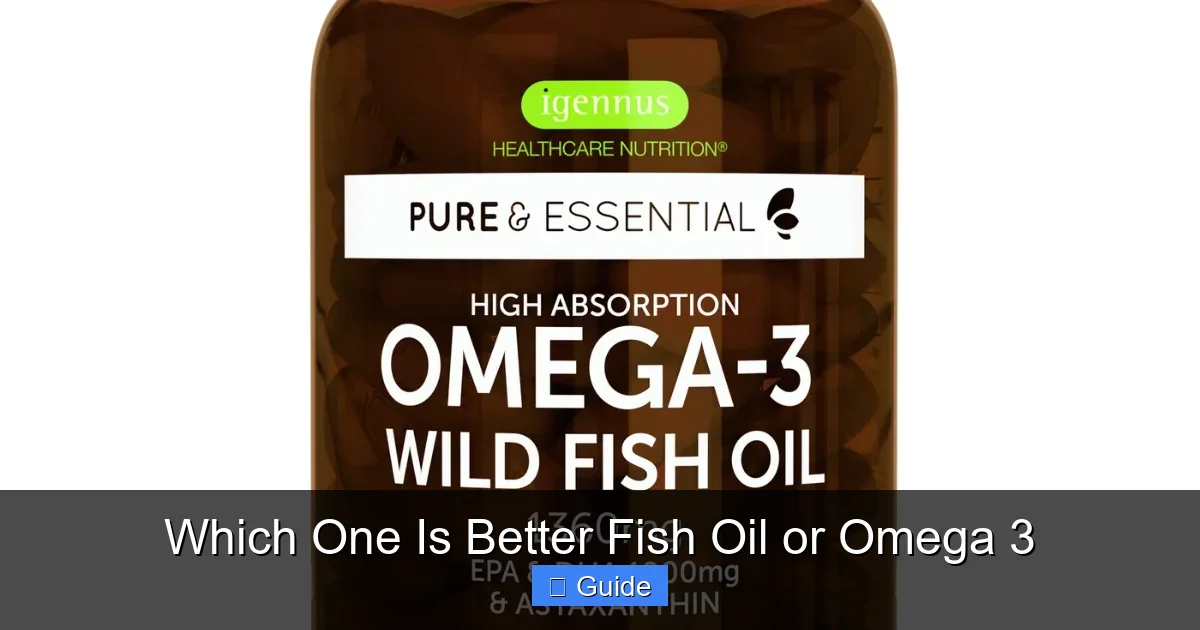
- The Pros: Naturally contains astaxanthin, a powerful antioxidant that protects the oil from oxidation. Typically very low in contaminants. The phospholipid form may be easier on the stomach for some.
- The Cons: Significantly more expensive per mg of EPA/DHA. The total EPA/DHA content per capsule is usually much lower than a standard fish oil capsule. Sustainability of large-scale krill harvesting is a debated ecological issue.
- Verdict: A high-quality, expensive option. For most people, the extra cost over a potent, fresh fish oil is hard to justify based on current evidence. It’s a viable alternative for those with severe fish burp issues or specific phospholipid concerns.
Algae Oil: The Vegan/Vegetarian Champion
This is the original source! Fish get their omega-3s from eating algae. Algae oil is a direct, plant-based source of EPA and DHA.
- The Theory: Provide the exact same EPA and DHA molecules as fish oil, but without the fish, the risk of ocean-borne contaminants, or the ecological impact.
- The Evidence: Studies confirm that algae oil effectively raises blood levels of EPA and DHA in humans, making it a perfectly suitable alternative.
- The Pros: The only true vegan/vegetarian source of direct EPA/DHA. Free from fish allergens. Typically very clean and sustainable (grown in controlled tanks). Modern brands have improved taste and concentration.
- The Cons: Historically more expensive and less potent (lower mg per capsule) than fish oil, though the gap is closing. Flavor can still be a minor issue for some.
- Verdict: The absolute best choice for anyone avoiding animal products. With improving technology, it’s becoming a competitive and ethical option for everyone. It directly solves the ALA conversion problem for plant-based eaters.
Plant-Based Oils (Flax, Chia, Hemp): The ALA Source
These are excellent, healthy oils, but they come with a critical caveat.
- What they provide: High levels of ALA, the precursor omega-3.
- The Conversion Problem: As mentioned, your body’s conversion of ALA to EPA is poor (5-10%), and to DHA is terrible (0.5-5%). This process is also hindered by high intake of omega-6 fats (common in processed foods) and certain health conditions.
- When they’re useful: For general health in someone with a low-inflammatory diet, as a source of fiber and other nutrients. They are not a reliable way to boost brain or heart health via DHA/EPA.
- The Verdict: Do not rely on flaxseed oil or similar if your goal is to increase EPA/DHA for specific cognitive, cardiovascular, or anti-inflammatory benefits. They are a complementary part of a healthy diet, not a replacement for marine-based omega-3s.
How to Choose: A Practical Framework for Your Decision
Enough with the theory. Let’s get practical. Here is a step-by-step checklist to evaluate any omega-3 supplement, regardless of its source.
Step 1: Calculate Your Target Dose of EPA+DHA
This is the most important number. Forget “Total Fish Oil.” Find the label that says “EPA” and “DHA” per serving. Here are general guidelines (always consult a doctor for personal medical advice):
- General Health & Maintenance: 500-1000 mg combined EPA+DHA daily.
- Cardiovascular Support / High Triglycerides: 1000-4000 mg combined EPA+DHA daily (therapeutic doses often require prescription strength).
- Pregnancy & Breastfeeding: At least 200-300 mg of DHA daily, often more.
- Cognitive Support / Anti-Inflammatory: 1000-2000 mg combined, with a focus on DHA for brain, EPA for inflammation.
Step 2: Prioritize Form (Triglyceride > Phospholipid > Ethyl Ester)
For your daily supplement, seek out Natural Triglyceride (TG) form fish oil or a high-quality algae oil (which is naturally in a phospholipid-like form). If you get an Ethyl Ester (EE) product, ensure you take it with a substantial meal containing fat.
Step 3: Demand Third-Party Testing
Look for IFOS, GOED, USP, or NSF on the bottle or the company’s website. This verifies the label claims and guarantees the oil is free from harmful levels of contaminants and is not rancid.
Step 4: Check for Freshness Indicators
Buy from reputable retailers with high turnover (avoid dusty bottles). Smell the capsule if you can (some companies offer smell-proof packaging). Look for added antioxidants like vitamin E. Prefer dark glass bottles over clear plastic.
Step 5: Compare Cost Per Milligram of EPA+DHA
Do the math. If Brand A costs $20 for 60 capsules with 300 mg EPA+DHA per capsule, and Brand B costs $30 for 60 capsules with 600 mg EPA+DHA per capsule, Brand B is the better value despite the higher sticker price. Calculate: (Total Cost) / (Total EPA+DHA in bottle) = Cost per mg.
Step 6: Match the Source to Your Lifestyle & Ethics
- Eat fish 2-3x/week? You likely don’t need a supplement, or a low-dose (250-500 mg) is sufficient for insurance.
- Vegan/Vegetarian? Choose a certified algae oil.
- Severe fish burps? Try TG-form fish oil, enteric-coated capsules, or switch to krill or algae oil. Take with food.
- Pregnant/Concerned about sustainability? Algae oil is a fantastic, pure choice. If using fish oil, choose a brand with strong MSC certification and a clean purity record.
- On a tight budget? A basic, third-party tested TG-form fish oil from a reputable brand (often store brands at large retailers) is perfectly effective. Don’t overpay for flashy marketing.
Who Should Take What? Personalized Recommendations
Let’s make this concrete. Who benefits most from which type?
The Omnivore (Eats Fish Occasionally)
Recommendation: A standard, high-quality TG-form fish oil with 500-1000 mg EPA+DHA daily is perfect for filling nutritional gaps. It’s cost-effective and well-researched.
The Vegan/Vegetarian
Recommendation: A dedicated algae oil supplement is essential. Aim for a product providing at least 250-500 mg combined EPA+DHA daily. This is the only way to reliably get DHA.
The Person with High Triglycerides
Recommendation: This requires therapeutic dosing, often 2000-4000 mg EPA+DHA daily. Start with a high-potency fish oil (TG or EE form, taken with food). Discuss with a doctor, as prescription omega-3s (like Lovaza or Vascepa) may be appropriate and are covered by insurance.
The Pregnant or Breastfeeding Woman
Recommendation: Focus on DHA. A purified fish oil or algae oil with at least 300 mg DHA per serving is ideal. Ensure the brand has impeccable purity testing (mercury-free).
The Person with Fish Allergies or Severe Burps
Recommendation: Algae oil is the clear winner—no fish proteins, no fishy aftertaste. High-quality krill oil is a second option, though it’s more expensive and lower in total EPA/DHA.
The Budget-Conscious Health Seeker
Recommendation: Don’t overthink it. Buy a large bottle of third-party tested TG-form fish oil from a reputable discount retailer or online brand that transparently lists its EPA/DHA content. This provides the core benefit at the lowest cost.
The Bottom Line: It’s About the EPA and DHA, Not the Label
So, which is better, fish oil or omega-3? The question is flawed. The answer is: you need EPA and DHA. Your job is to find the most effective, pure, fresh, and affordable way to get the specific dose of EPA and DHA that aligns with your health goals.
For the vast majority of people seeking general health benefits, a high-quality, triglyceride-form fish oil from a reputable, third-party tested brand is the simplest, most proven, and most cost-effective choice. If you are vegan, allergic to fish, or have specific ethical concerns, algae oil is a scientifically equivalent and excellent alternative. Krill oil is a niche, premium product with potential but unproven superiority. Plant-based ALA oils are healthy foods but not a substitute for EPA/DHA.
Stop comparing “fish oil vs. omega-3.” Start comparing “EPA and DHA content per dollar, in a fresh, pure, bioavailable form.” Use the framework above, check those labels, and make your choice with confidence. Your brain, your heart, and your cells will thank you for the clarity.
Frequently Asked Questions
Can I get enough omega-3s from eating fish alone?
Yes, if you eat 2-3 servings per week of fatty, cold-water fish like salmon, mackerel, sardines, or herring. However, many people dislike fish, have dietary restrictions, or are concerned about mercury/contaminants, making a supplement a practical and safe alternative.
Is algae oil really as good as fish oil?
Yes, for providing direct EPA and DHA. Algae oil contains the exact same omega-3 molecules as fish oil, just sourced directly from the original producer. Studies show it effectively raises blood levels of EPA and DHA. It is the preferred choice for vegans, vegetarians, and those avoiding fish allergens.
What is the best time of day to take my omega-3 supplement?
The best time is with a meal that contains dietary fat. Fat stimulates bile production, which significantly improves the absorption of the fat-soluble omega-3s. Taking it with breakfast or lunch is ideal to avoid potential nighttime digestive discomfort. Consistency is more important than the exact time.
Why does my fish oil give me fishy burps?
This usually indicates poor quality (rancidity) or that you’re taking an ethyl ester form on an empty stomach. Switch to a triglyceride-form oil, take it with a large meal containing fat, or try enteric-coated capsules that dissolve past the stomach. If the problem persists, try krill or algae oil.
Can I take omega-3 supplements with blood thinners like aspirin or warfarin?
High doses of omega-3s (especially EPA) can have a mild blood-thinning effect. You should always consult your doctor before starting any new supplement if you are on prescription blood thinners or have a bleeding disorder. For most people on low-dose aspirin, a standard fish oil dose (1000 mg EPA+DHA) is usually safe, but medical guidance is essential.
How do I know if my fish oil is rancid?
Fresh, high-quality fish oil should be virtually odorless and tasteless. If your capsules smell strongly fishy, have a bitter, sour, or metallic taste, or cause persistent indigestion, they are likely oxidized (rancid). Rancid oil is pro-inflammatory and should be discarded. Always buy from brands with strong third-party freshness certifications like IFOS.