No, you should not use standard drinking water (like tap, bottled spring, or distilled) directly for your betta fish. Untreated drinking water contains harmful chemicals like chlorine or chloramine, lacks essential minerals, and has an unpredictable pH that can burn your betta’s gills, stress them, and lead to disease. The only safe approach is to treat tap water with a reliable water conditioner to neutralize toxins and, if needed, adjust mineral content and pH to match a betta’s natural, soft, acidic habitat. Proper water preparation is the single most important factor in your betta’s long-term health and vibrancy.
Key Takeaways
- Never use untreated tap water: Chlorine and chloramine in municipal drinking water are lethal to bettas and must be neutralized with a water conditioner.
- Avoid distilled and reverse osmosis (RO) water: These are void of all minerals, causing osmotic shock and severe health issues; they must be remineralized.
- Bottled “spring” water is inconsistent and risky: Mineral content and pH vary wildly between brands and can be dangerously high or low for sensitive bettas.
- Water conditioner is non-negotiable: A quality dechlorinator is the essential, inexpensive first step for any water source going into a betta tank.
- Betta-native water is soft and slightly acidic: Aim for a pH between 6.5 and 7.5 and low general hardness (GH) to mimic their slow-moving rice paddy habitats.
- Consistency is critical: Sudden changes in water parameters are more dangerous than slightly “off” parameters. Cycle your tank and perform regular, partial water changes with properly treated water.
- Test your water: Use an affordable liquid test kit to know exactly what’s in your tap water (chlorine/chloramine, pH, GH, KH) and your tank’s parameters.
📑 Table of Contents
The Critical Question: What’s Actually in Your Drinking Water?
So, you’ve brought home a beautiful betta fish with its flowing fins and bold personality. You’ve picked out a tank, some plants, and a cute little castle. Then it hits you: “What water do I put in there?” The most logical answer seems to be the water you drink every day—your tap water, or maybe some bottled spring water. It’s clean, right? It’s what humans consume. How bad could it be for a little fish? This question, “Can I use drinking water for betta fish?” is one of the most common and most dangerous misconceptions for new betta owners. The short, stark answer is: you cannot use standard drinking water directly in a betta tank. The “why” behind this is a masterclass in ichthyology 101 and is absolutely fundamental to becoming a successful, responsible betta keeper. Let’s dive into the chemistry of your faucet and the delicate biology of your betta.
Betta splendens, the Siamese fighting fish, hails from the shallow, warm, slow-moving waters of Thailand’s rice paddies, floodplains, and ditches. This environment is crucial to understand. It’s not the pristine, mineral-free spring you might imagine. It’s water that is soft (low in dissolved minerals like calcium and magnesium), slightly acidic (pH often between 6.0 and 7.0), and filled with tannins from decaying plant matter that give it a soft, tea-colored tint. The water chemistry is stable and consistent. Your municipal drinking water or a bottle of spring water is the polar opposite of this natural habitat. Using it untreated is like trying to grow a tropical orchid in a desert—you might get lucky for a minute, but the plant will rapidly deteriorate.
The Toxic Trio: Chlorine, Chloramine, and Heavy Metals
Your city’s water treatment plant adds chlorine or chloramine to the water supply to kill harmful bacteria and pathogens, making it safe for you to drink. For a betta, these chemicals are nothing short of poison. They attack the fish’s delicate gill membranes, causing burns and impairing oxygen absorption. A betta placed in untreated tap water will gasp at the surface, clamp its fins, and can die within hours or days from respiratory failure. Many municipalities have switched from chlorine to the more stable chloramine, which is harder to remove and requires a specific water conditioner that can break the chlorine-ammonia bond. Furthermore, trace heavy metals like copper, which can leach from pipes, are toxic to fish even at parts-per-million levels. A good water conditioner doesn’t just remove chlorine; it also detoxifies ammonia, nitrites, and heavy metals.
The Mineral Minefield: Hardness and pH
Beyond toxins, the fundamental mineral content (measured as General Hardness or GH) and pH of drinking water are often completely wrong for a betta. “Hard” water, common in many regions, is rich in calcium and magnesium. While some fish thrive in it, bettas are adapted to soft water. High mineral content stresses their internal osmotic regulation (the process of balancing salt and water in their bodies). It can lead to issues like bloating, constipation, and impaired kidney function over time. pH is equally critical. Betta’s natural acidic environment helps them thrive and even aids in disease resistance. If your tap water is alkaline (pH 8.0+), it can cause ammonia toxicity to spike (since ammonia is less toxic at lower pH, but more toxic at higher pH), burn the fish’s skin and fins, and disrupt their slime coat. Bottled spring waters can have wildly unpredictable and often high mineral loads and pH, making them a gamble you shouldn’t take.
Demystifying Water Sources: A Breakdown
Let’s systematically evaluate every common “drinking water” source you might consider for your betta’s tank. We’ll look at the good, the bad, and the absolutely ugly.
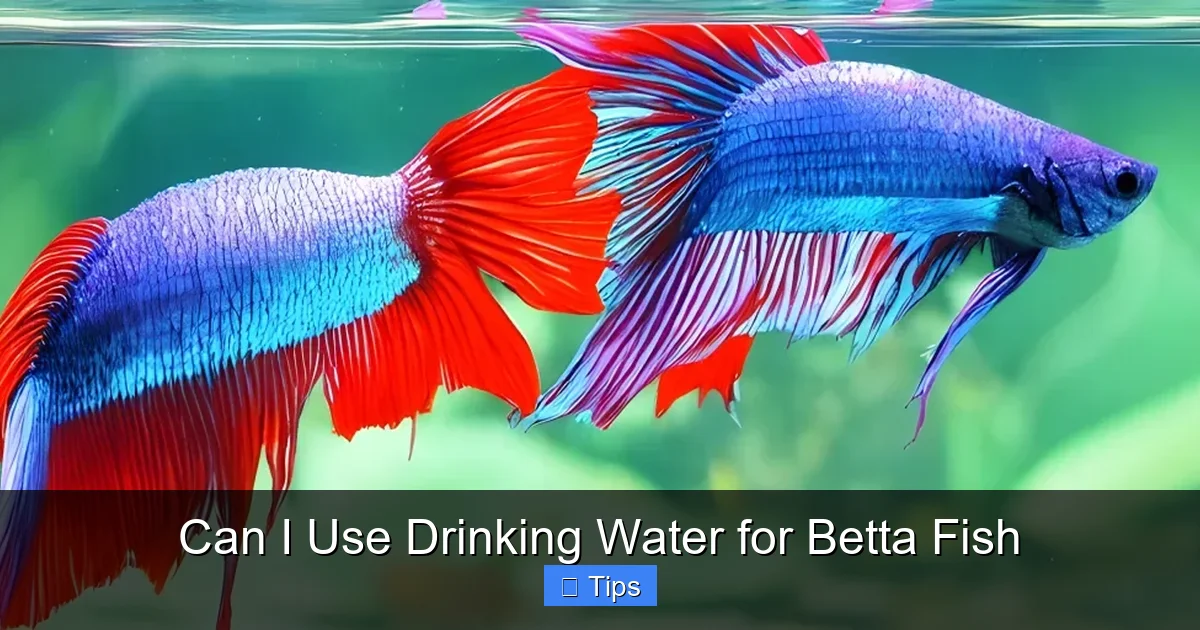
Visual guide about Can I Use Drinking Water for Betta Fish
Image source: tankofish.com
Tap Water: The Most Common (and Treatable) Source
For most people, tap water is the only practical, cost-effective source. And here’s the good news: with proper treatment, tap water is perfectly suitable for bettas. The key is knowing what’s in it. First, contact your local water utility for a Consumer Confidence Report (CCR) or “water quality report.” This tells you exactly what chemicals are used (chlorine vs. chloramine), the baseline pH, and hardness. If you can’t get that, a simple aquarium liquid test kit will tell you your tap water’s pH, GH, and KH (carbonate hardness, which buffers pH). Armed with this knowledge, you can choose the right water conditioner. For chloramine, you need a conditioner that explicitly states it detoxifies ammonia and chloramine (most major brands like Seachem Prime, API Stress Coat+, or Tetra AquaSafe Plus do). You then mix this conditioner into the new water before adding it to the tank.
Practical Example: Your tap water test shows pH 8.2 and GH 15 dGH (very hard). Your betta needs softer, more acidic water. Your treatment plan: 1) Use a robust dechlorinator/chloramine remover. 2) Incorporate natural softening methods like adding Indian Almond (Catappa) leaves or driftwood, which release tannins and gently lower pH. 3) Consider using a reverse osmosis (RO) water system and then carefully remineralizing it to a low, stable target (see below). Avoid chemical pH-lowering products, as they can cause dangerous swings.
Bottled Water: A Costly and Unreliable Gamble
It seems so simple: buy a jug of “natural spring water” and pour it in. But bottled water is a terrible choice for several reasons. First, it’s exorbitantly expensive for the volume needed in a betta tank (which should be at least 5 gallons). Second, and more importantly, its chemistry is a black box. One brand might have a pH of 7.0 and low minerals, another might have a pH of 8.5 and high calcium content. There is no standardization. You are literally blindfolding yourself and guessing at your betta’s water parameters. Furthermore, many bottled waters are essentially filtered tap water with minerals added back in for taste. You are paying a premium for inconsistency. The only very rare exception would be if you tested every bottle (impractical) and found one that perfectly matched betta parameters, but even then, the cost is prohibitive. Rule of thumb: Never use bottled drinking water for a fish tank.
Distilled and Reverse Osmosis (RO) Water: The “Pure” Trap
Distilled and RO water are the purest forms of H2O available. They have had virtually all minerals, salts, and contaminants removed. This sounds ideal, but it’s dangerously close to the opposite. Pure water is “hungry” water. When it enters a betta’s body, which has a specific internal salinity, it will aggressively pull essential minerals and electrolytes *out* of the fish’s tissues through osmosis—a process called osmotic shock. This can cause severe swelling, organ failure, and death. Additionally, pure water has no buffering capacity, meaning its pH can swing wildly with even minor additions (like fish waste or food), creating a toxic environment. Distilled and RO water must always be remineralized with a commercial aquarium salt mix or a specifically designed remineralizer product (like Seachem Equilibrium for freshwater) before any fish is added. For a beginner, this adds unnecessary complexity. Stick with treated tap water.
The Gold Standard: How to Properly Prepare Water for Your Betta
Now that we’ve established what not to use, let’s build the foolproof, safe protocol for preparing betta water. This process is the same whether you’re doing your first tank fill or a weekly 25-50% water change.
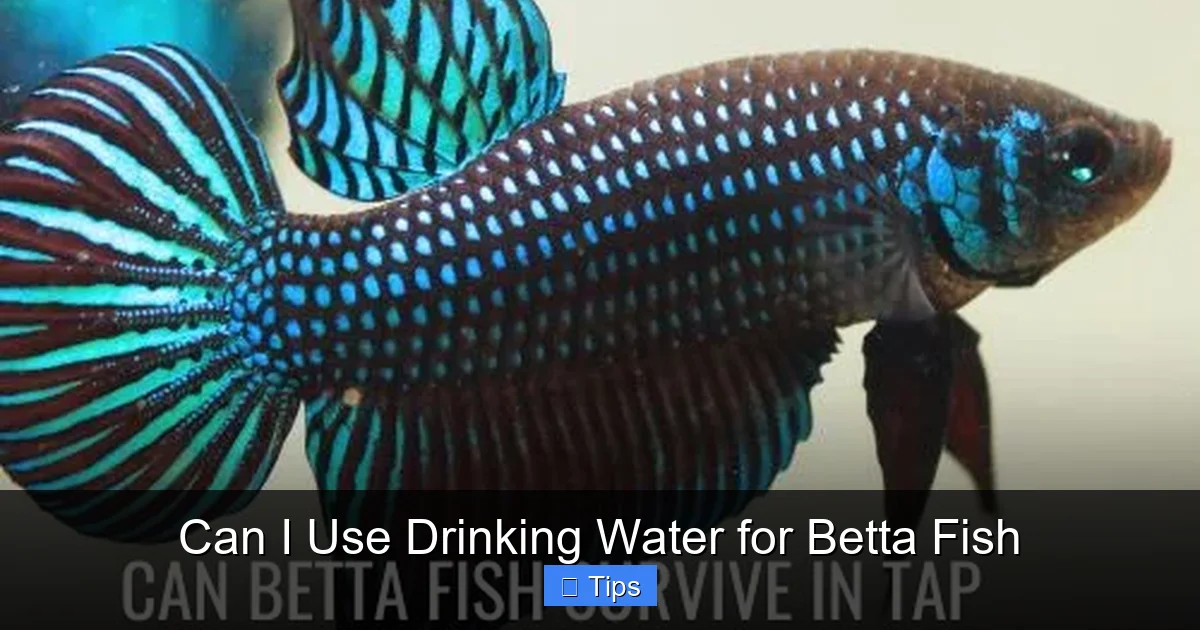
Visual guide about Can I Use Drinking Water for Betta Fish
Image source: fishkeepingsecrets.com
Step 1: Know Your Source. Test Your Tap.
Invest in a good liquid test kit (like the API Freshwater Master Test Kit). It’s a one-time cost that pays for itself in saved fish lives. Test your tap water for pH, GH, and KH. Also, call your water company or check their website for the annual water quality report to confirm if they use chlorine or chloramine. This is your baseline intelligence.
Step 2: The Non-Negotiable: Water Conditioner
Choose a reputable water conditioner. Read the label. It must state it removes or neutralizes chlorine and chloramine. Seachem Prime is a gold standard because it also detoxifies ammonia and nitrite for 48 hours, which is a huge safety net during water changes. Follow the dosage instructions precisely. Typically, you add the conditioner to the new water before it touches your fish or tank. For a bucket of new water, add the correct amount of conditioner, stir well, and let it sit for 5-10 minutes to ensure full reaction. Never add conditioner directly to the tank if you have fish already, as the localized high concentration can harm them.
Step 3: Temperature Matching is Crucial
Betta are tropical fish and require stable, warm water (78°F – 80°F or 25.5°C – 26.5°C). The new water you add during a water change must be within 1-2 degrees Fahrenheit of the tank’s existing temperature. A drastic temperature change is a massive shock. Use an inexpensive floating thermometer in your new water bucket to check. If you need to warm or cool it, do so *before* adding conditioner and adding it to the tank. Never use boiling water to warm it—that’s dangerous and will strip oxygen.
Step 4: Optional but Helpful: pH and Hardness Adjustment
If your tap water is very hard (GH > 12 dGH) or very alkaline (pH > 8.0), you may need to take gentle steps to soften it over time. The best methods are natural and slow:
- Indian Almond Leaves (Catappa): A single leaf in a 5-gallon tank will slowly release tannins, lowering pH and GH slightly while also providing antibacterial benefits and mimicking the betta’s natural habitat.
- Driftwood: Select aquarium-safe driftwood (like Malaysian or Mopani). It leaches tannins over months, gently acidifying the water.
- Peat Moss: Can be used in a filter media bag, but it’s messier and harder to control.
Avoid: Chemical pH down products. They cause violent, dangerous swings and can harm your fish. If your tap water is extremely unsuitable (e.g., pH 9.0, GH 20), the most reliable long-term solution is to invest in a small reverse osmosis (RO) system and then use a remineralizer like Seachem Equilibrium to build the perfect, stable soft water from scratch. This is for advanced keepers.
Common Mistakes That Kill Bettas: Water Change Edition
Even with the right water, how you change it can be fatal. Here are the classic errors:
Visual guide about Can I Use Drinking Water for Betta Fish
Image source: fishkeepingsecrets.com
Mistake 1: The Full Tank Flush
Draining 100% of the tank water and refilling it is one of the worst things you can do. It destroys the established beneficial bacteria colony (your biofilter) that processes toxic fish waste, leading to a dangerous “new tank syndrome” ammonia spike. It also causes extreme stress from the complete loss of environment and parameter shifts. Always perform partial water changes of 25-50% weekly.
Mistake 2: Forgetting to Dechlorinate
It seems obvious, but it happens. You get busy, you think “it’s just a little tap water,” and you add it directly. This is a guaranteed way to poison your fish. Make dechlorinating the new water the very first step in your water change routine. Set up your siphon, start draining, and while that’s happening, fill your clean bucket with tap water and add conditioner.
Mistake 3: Using Cold or Hot Water
Never use straight cold tap water (too shocking) or hot tap water (can contain higher levels of dissolved metals and copper from your hot water heater). Use lukewarm tap water to get you in the right temperature ballpark, then fine-tune with a thermometer.
Mistake 4: Washing Filter Media in Tap Water
When you clean your filter, never rinse the ceramic rings, sponges, or bio-balls in untreated tap water. The chlorine will kill the beneficial bacteria living on them. Instead, rinse them gently in the bucket of old tank water you just siphoned out during the water change. This preserves the bacteria and cleans the media.
Conclusion: It’s All About the Cycle
So, can you use drinking water for betta fish? The final, definitive answer is: You can use your tap water, but only after it has been treated with a water conditioner to remove chlorine/chloramine and, if necessary, gently adjusted to be soft and slightly acidic. Bottled, distilled, and RO water require special, often complicated handling and are not recommended for beginners.
The journey to a healthy betta begins and ends with water quality. Your fish lives in its water; it breathes it, drinks it, and is in constant contact with it. There is no filter, no fancy food, no tank decoration that can compensate for poor water chemistry. By understanding that your “clean” drinking water is a chemical cocktail toxic to your betta, and by consistently applying the simple ritual of testing, conditioning, and temperature-matching, you remove the #1 cause of betta illness and death. You are not just changing water; you are replicating the serene, soft rice paddy of Thailand in a glass box. That is the essence of betta care. Start with your water test kit today, and give your vibrant companion the pristine environment it deserves to thrive for years.
Frequently Asked Questions
Can I use bottled spring water for my betta tank?
No, bottled spring water is not recommended. Its mineral content (hardness) and pH are completely unpredictable and vary between brands. It can be too hard, too alkaline, or lack essential minerals, causing stress and health problems. It’s also prohibitively expensive for regular water changes.
Is distilled water safe for betta fish?
No, pure distilled water is dangerous for betta fish. It lacks all dissolved minerals, causing osmotic shock where water floods into the fish’s cells, leading to swelling and death. Distilled water must be carefully remineralized with a product like Seachem Equilibrium before any fish is added.
What is the best water conditioner for betta fish?
The best conditioner is one that neutralizes both chlorine and chloramine. Seachem Prime is a top choice because it also detoxifies ammonia and nitrite for 48 hours, providing a safety buffer during water changes. Always follow the dosage instructions based on the volume of new water you are treating.
My tap water is very hard. What should I do?
For moderately hard water, use a water conditioner and add natural tannin sources like Indian Almond leaves or driftwood to the tank. These slowly leach tannins, gently lowering pH and GH over time. For extremely hard water (GH over 15 dGH), consider using a reverse osmosis (RO) system combined with a freshwater remineralizer to create perfectly soft water from scratch.
How often should I change my betta’s water?
In a properly cycled tank (minimum 5 gallons), perform a 25-50% water change once a week. This dilutes waste products and maintains water quality. Never change 100% of the water at once. Always use properly conditioned new water that matches the tank’s temperature.
Do betta fish need salt in their water?
No, bettas do not require salt in their freshwater. They are freshwater fish. Adding aquarium salt is sometimes used as a preventative or treatment for certain external parasites or to reduce stress, but it is not a permanent requirement for their health. Focus on pristine, properly conditioned freshwater first.