What Fish Is Good with Betta Fish
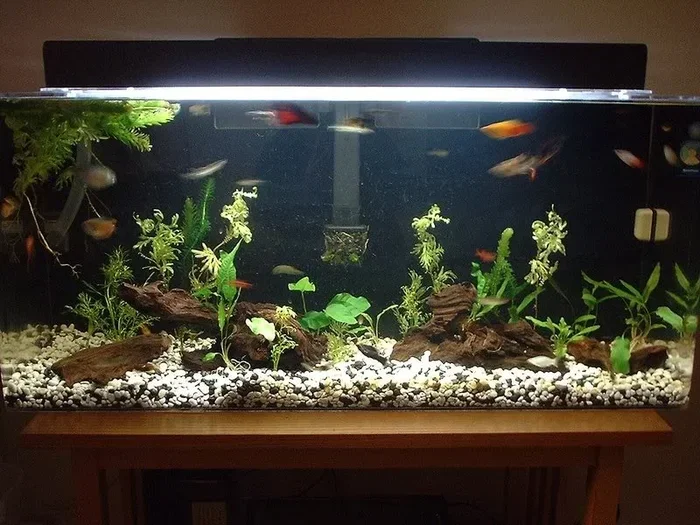
Finding the right fish to pair with your betta is easier than you think. The best betta fish tank mates are peaceful, small, and share similar water needs. This guide covers the top choices, common mistakes, and expert tips to keep your community tank thriving.
So you have a beautiful betta fish swimming around your tank, and you want to add some friends. That is a great idea! But not every fish gets along with a betta fish. Some fish will cause stress, while others will keep the peace just fine.
The good news is that there are plenty of great options out there. Whether you want snails, shrimp, or small schooling fish, you can build a community tank that looks amazing and keeps everyone happy. Let us walk through the best choices step by step.
Key Takeaways
- Peaceful bottom dwellers like corydoras and kuhli loaches make excellent betta companions.
- Snails and shrimp are low-risk tank mates that add interest without triggering aggression.
- Avoid bright, long-finned fish that mimic betta colors and provoke territorial behavior.
- A larger tank (10+ gallons) gives your betta space and reduces stress for all inhabitants.
- Monitor behavior closely during the first few weeks when introducing new fish.
- Match water parameters carefully — bettas prefer warm, slightly soft water between 76-82°F.
- Overcrowding is one of the biggest mistakes new fish keepers make.
📑 Table of Contents
Why Tank Mates Matter for Betta Fish
Betta fish are often called Siamese fighting fish for a reason. Males are naturally territorial, especially in small spaces. A betta fish that feels crowded or threatened may flare at other fish, stop eating, or even injure a tank mate.
But here is the thing — bettas are not always aggressive. In a well-set-up tank with enough space and the right companions, they can live peacefully alongside other creatures. The key is choosing compatible fish for betta that share similar needs and temperaments.
What Makes a Good Betta Tank Mate?
Not just any fish will work. A good betta fish tank mate should meet a few basic criteria:
- Similar water conditions. Bettas like warm water around 76-82°F with a neutral to slightly acidic pH.
- Peaceful temperament. Avoid fish that are nippy, overly active, or aggressive.
- No bright colors or long fins. Fish that look like bettas can trigger territorial responses.
- Different swimming levels. Fish that stay at the top, middle, or bottom of the tank reduce direct competition.
- Small size. Big fish may bully or eat your betta, while very tiny fish may get picked on.
When you keep these factors in mind, finding the right match becomes much simpler.
Best Fish That Get Along with Bettas
Let us look at the top choices for fish that live with betta. These species have a proven track record of peaceful coexistence.
1. Corydoras Catfish
Corydoras, or corys, are small bottom-dwelling fish that mind their own business. They spend most of their time scavenging the substrate, which means they stay out of your betta’s way. Pygmy corys and peppered corys are especially good choices because they stay small and are very peaceful.
Corys are also schooling fish, so they feel more confident when kept in groups of four or more. They add movement to the bottom of the tank without creating any drama in the upper levels.
2. Kuhli Loaches
Kuhli loaches are eel-like fish that love to hide during the day and come out at night. They are gentle, quirky, and rarely bother other fish. A group of three to five kuhlis can add a lot of personality to a community tank.
Because they are most active at night, they have little direct interaction with your betta during the day. This makes them an almost ideal match for male betta tank mates.
3. Ember Tetras
Ember tetras are tiny, orange-red fish that stay in the middle and upper parts of the tank. They are peaceful, hardy, and easy to care for. Their small size means they will not compete with your betta for space or food.
One important tip: keep a school of at least six ember tetras. A larger group looks more natural and keeps the fish less stressed. They also add a beautiful splash of color without looking too flashy for your betta.
4. Harlequin Rasboras
Harlequin rasboras are another excellent schooling fish for a betta tank. They have a calm nature and a distinctive black patch on their silver body. They swim in the middle of the tank, which keeps them separate from your betta’s preferred territory.
These fish are resilient and adapt well to a range of water conditions. They make a wonderful addition when you are looking for peaceful fish for betta setups.
5. Neon Tetras
Neon tetras are a classic choice for community tanks. They are small, colorful, and generally peaceful. However, they do prefer slightly cooler water than bettas, so you will need to find a middle ground on temperature.
Keep neon tetras in groups of at least six. When the school is large enough, they tend to stay together and avoid bothering your betta. They are a safe bet for most community setups.
Invertebrates: Snails and Shrimp
Not all great tank mates have fins! Invertebrates like snails and shrimp can be wonderful companions for bettas. They are low-maintenance, interesting to watch, and pose almost no threat to your fish.
Are Snails Good with Betta Fish?
Snails are one of the safest choices for a betta tank. They clean up leftover food and algae, which helps keep the tank healthy. Nerite snails and mystery snails are the most popular options.
Nerite snails stay small and cannot reproduce in freshwater, which prevents overpopulation. Mystery snails are a bit larger and add a fun, interactive element to the tank. Bettas usually ignore snails because they move slowly and do not look like a threat.
Are Shrimp Good with Betta Fish?
Shrimp can work well with bettas, but there is a catch. Bettas are natural hunters, and small shrimp may become a snack. However, many hobbyists successfully keep cherry shrimp and amano shrimp with bettas.
The trick is to provide plenty of hiding spots. Plants, caves, and driftwood give shrimp a place to retreat. Amano shrimp are larger and more likely to survive with a betta than smaller species like cherry shrimp. If you want to learn more about shrimp good with betta fish, just make sure your tank has lots of cover.
Fish to Avoid With Bettas
Knowing what not to pair with your betta is just as important as knowing what works. Some fish create stress, aggression, or even danger in a shared tank.
Avoid Other Bettas or Similar-Looking Fish
Never keep two male bettas in the same tank. They will fight, and one of them will likely get seriously hurt. Also, avoid fish with bright colors and long flowing fins, such as guppies or angelfish. These fish can trigger your betta’s territorial instincts because they look like a rival.
Avoid Aggressive or Fast Fish
Fish like tiger barbs, serpae tetras, and goldfish are poor choices. Tiger barbs are known fin nippers, and they will tear up your betta’s beautiful fins. Goldfish grow too large and produce too much waste for a betta tank.
Avoid Very Large or Dominant Fish
Big fish like cichlids or angelfish may see your betta as food or a threat. Even medium-sized fish can bully a betta simply because they are faster and stronger. Stick to small, calm species for the best results.
If you are ever unsure about a specific pairing, check our guide on what is a good tank mate for a betta fish for more detailed advice.
Setting Up a Successful Community Tank
Choosing the right fish is only half the battle. How you set up the tank matters just as much for keeping the peace.
Tank Size and Layout
A tank of at least 10 gallons is recommended for a betta with tank mates. A larger tank gives everyone more space to establish their own territories. It also dilutes aggression because fish cannot corner each other as easily.
Add plenty of plants, caves, and decorations. Live plants like java fern and anubias are excellent because they provide hiding spots and improve water quality. A well-decorated tank makes all inhabitants feel safer and less stressed.
Water Parameters
Consistent water quality is essential. Bettas prefer warm water between 76-82°F, a pH of 6.5-7.5, and soft to moderate hardness. Make sure any tank mates you choose can thrive in these same conditions.
Regular water changes of 25-30% per week help maintain stable parameters. Use a reliable test kit to monitor ammonia, nitrite, and nitrate levels. Clean water keeps all fish healthy and reduces the chance of disease.
Feeding Tips
Bettas are carnivores and need a protein-rich diet. Pellets and frozen or live foods like bloodworms and brine shrimp are ideal. Make sure your tank mates also get enough to eat. Bottom-dwellers like corys may need sinking pellets or wafers so they are not competing with your betta for food.
Feed small amounts two to three times a day. Remove any uneaten food after a few minutes to keep the water clean. A well-fed fish is a calm fish.
Common Mistakes to Avoid
Even experienced fish keepers can make mistakes when setting up a community tank. Here are the most common errors to watch out for:
- Overcrowding the tank. Too many fish creates stress and raises ammonia levels fast. Stick to a manageable number of inhabitants.
- Introducing fish too quickly. Always quarantine new fish for two to four weeks before adding them to your main tank. This prevents the spread of disease.
- Ignoring aggression signs. If your betta chases other fish constantly, or if other fish nip at the betta’s fins, it is time to separate them.
- Skipping hiding spots. Without plants and decorations, fish have nowhere to retreat, which increases tension.
- Mismatched water needs. Fish that require different temperatures or pH levels will struggle in the same tank. Always research each species before adding it.
Avoiding these mistakes will save you a lot of trouble and keep your community tank healthy for years to come.
Expert Insights on Betta Compatibility
Experienced aquarists agree that the secret to a successful betta community tank comes down to three things: space, hiding spots, and careful selection. Dr. Tim Hovanec, a marine biologist and aquarium expert, notes that “bettas are individuals with unique personalities. Some will tolerate tank mates just fine, while others prefer to live alone.”
This means you should always observe your specific betta’s behavior before adding companions. A calm, well-fed betta in a spacious tank is far more likely to accept tank mates than a stressed betta in a cramped bowl.
Another expert tip: introduce new fish while your betta is well-fed. A full betta is less likely to view a new arrival as a threat. Also, rearrange the decorations slightly when adding new fish — this resets territories and reduces established aggression.
Final Thoughts
Choosing the right fish that can live with a betta does not have to be complicated. Start with peaceful, small species like corydoras, kuhli loaches, ember tetras, or harlequin rasboras. Add snails or shrimp for extra interest. Avoid aggressive or flashy fish that trigger your betta’s instincts.
Set up your tank with enough space, plenty of plants, and stable water conditions. Monitor your fish closely during the first few weeks and be ready to make changes if needed. With the right approach, you can create a beautiful community tank where your betta and its companions all thrive together.
The best fish for betta tank setups are the ones that share similar needs and respect each other’s space. Take your time, do your research, and enjoy the process of building a tank that works for everyone. Your betta will thank you with vibrant colors and relaxed behavior, and you will enjoy a stunning, lively aquarium every day.
For more information on keeping your betta happy and healthy, check out our guide on what fish is compatible with a betta fish and our tips on choosing the best tank for betta fish.
Frequently Asked Questions
Can betta fish live with guppies?
It is generally not recommended. Guppies have bright colors and long fins that can trigger your betta’s territorial behavior. Male bettas may chase or nip at guppies, causing stress to both species. If you want to try it, choose female guppies with duller colors and provide plenty of hiding spots.
How many tank mates can a betta have?
In a 10-gallon tank, two to three small tank mates is a good starting point. A 20-gallon tank can support a small group of peaceful fish plus a few invertebrates. Always monitor behavior closely and be ready to separate fish if aggression occurs.
Can bettas live with angelfish?
Angelfish are not ideal tank mates for bettas. They can grow quite large, become territorial, and may nip at betta fins. They also prefer slightly different water conditions. It is best to avoid pairing them unless you have a very large tank with plenty of space and hiding spots.
Do bettas get lonely?
Bettas are not schooling fish, so they do not need companions in the same way that some other species do. However, a well-decorated tank with plants and hiding spots can keep a betta mentally stimulated. If you choose to add tank mates, make sure they are peaceful and compatible.
What is the best tank size for a betta with tank mates?
A 10-gallon tank is the minimum recommended size for a betta with a few tank mates. A 20-gallon tank provides even more space and makes it easier to maintain stable water parameters. Larger tanks are always better for community setups because they reduce stress and aggression.
Can I keep two female bettas together?
Yes, female bettas can sometimes live together in a group, known as a sorority. However, this requires a tank of at least 20 gallons with plenty of plants and hiding spots. Even then, there is no guarantee they will get along. Watch for signs of aggression and be prepared to separate them if needed.
=== CONCLUSION ===
Finding the right fish that is good with betta fish is all about matching temperaments, water needs, and tank size. Peaceful bottom dwellers like corydoras and kuhli loaches, small schooling fish like ember tetras and harlequin rasboras, and low-maintenance invertebrates like snails and shrimp all make excellent choices. Avoid aggressive, flashy, or oversized fish that can stress your betta or compete for territory.
Set up your tank thoughtfully with plenty of plants, caves, and open swimming space. Keep water conditions stable and monitor your fish daily during the first few weeks. With the right setup and the right companions, your betta will thrive in a lively, beautiful community tank. Start with one or two new additions, observe how they interact, and build from there. Happy fish keeping!