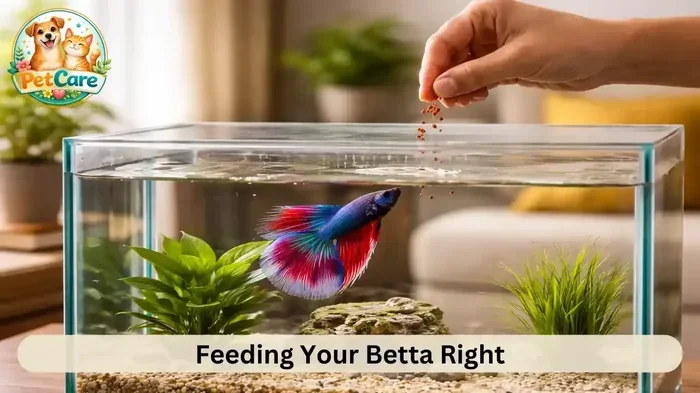
Will Bettas Kill Other Fish
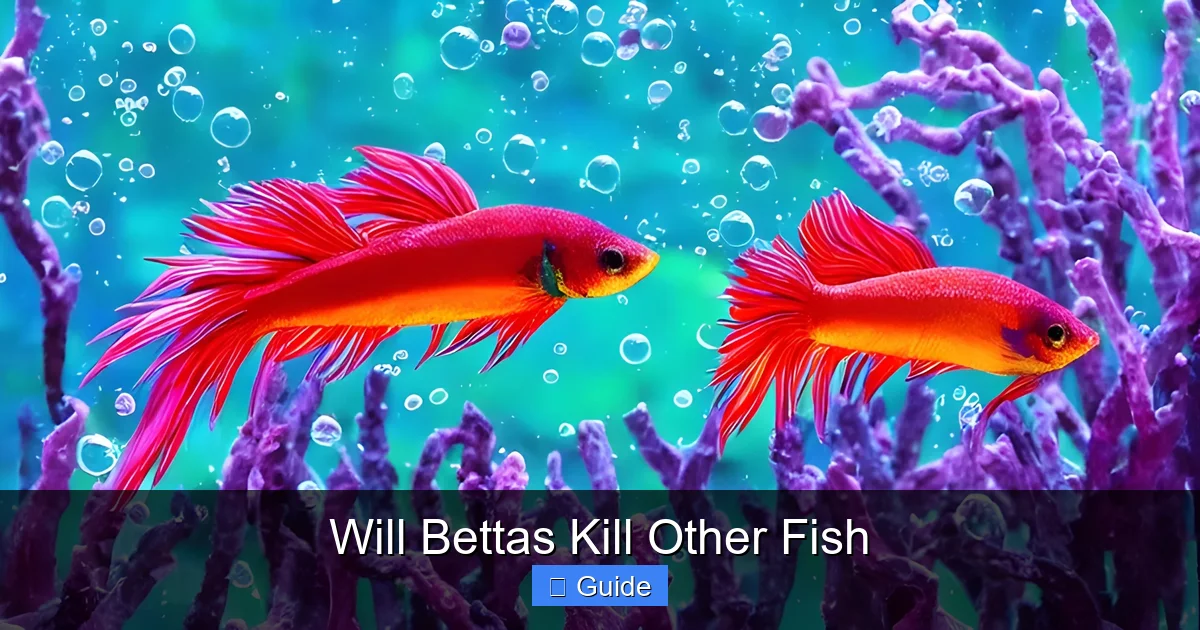
Yes, betta fish can and do kill other fish, but it’s not a guaranteed outcome. Their notorious aggression, particularly in males, stems from centuries of selective breeding for fighting. Successfully housing bettas with tank mates requires meticulous planning: choosing the right species, providing an enormous tank (minimum 20 gallons), creating abundant visual barriers, and understanding individual betta personalities. Ignoring these factors almost always leads to stress, injury, or death for tank inhabitants.
So, you’ve fallen in love with the stunning, flowing fins of a Siamese fighting fish. You’ve set up a beautiful tank, maybe even added a few little neon tetras or some ghost shrimp, thinking it will be a peaceful community. Then, one morning, you find a tetras’ fin torn to shreds, or worse. The question isn’t just academic—it’s a daily reality for many betta owners: will bettas kill other fish? The honest, and sometimes frustrating, answer is: it depends. But understanding what it depends on is the key to either preventing a tragedy or successfully creating a vibrant community tank with your betta as a (mostly) peaceful resident.
This reputation for violence isn’t unfounded. The betta, or Betta splendens, has been selectively bred for centuries in Southeast Asia for its aggressive fighting prowess. The wild ancestors are far less aggressive, but the domesticated lines we keep as pets carry that fiery temperament in their genes. However, like any animal, environment, upbringing, and individual personality play enormous roles. This guide will dive deep into the factors that determine whether your betta will be a bully, a bystander, or a benign tank mate, giving you the practical knowledge to make an informed and safe decision for your aquatic family.
Key Takeaways
- Bettas are individuals: Not all bettas are equally aggressive. Some are mild, others are relentless. You must observe your specific fish’s personality.
- Tank size is non-negotiable: A 5-gallon tank is for a solo betta. For any tank mate, you need a minimum of 20 gallons to dilute aggression and provide territories.
- Species selection is critical: Avoid anything with long, flowing fins (like guppies) or bright colors that resemble a rival betta. Target peaceful, fast-moving, and non-territorial fish.
- Visual barriers are essential: Plants, driftwood, and decorations must break line-of-sight to prevent a betta from constantly patrolling and challenging every fish it sees.
- The introduction process is key: Never just drop a new fish in. Use a divider or a hospital tank for initial observation. Be prepared to separate immediately at the first sign of persistent chasing or fin-nipping.
- Bettas can be successful community members: With the correct setup, tank mates, and a compatible betta, they can coexist peacefully and even add dynamic interest to the tank.
- Always have a backup plan: Keep a separate “hospital” or quarantine tank ready. If aggression occurs, you must be able to remove the injured fish or the betta immediately.
📑 Table of Contents
- The Nature of the Betta: Understanding the “Fighting Fish” Instinct
- The Crucial Role of Tank Size and Setup
- Choosing the Right Tank Mates: The Compatibility Checklist
- The Introduction Process: A Step-by-Step Guide to Peace
- Warning Signs: When to Intervene and Separate
- Special Cases: Shrimp, Snails, and “Non-Fish” Tank Mates
- Conclusion: Patience, Planning, and Prudence
The Nature of the Betta: Understanding the “Fighting Fish” Instinct
Before we talk about other fish, we must understand the betta itself. Its behavior is not random malice; it’s driven by deep-seated instincts. Recognizing these is the first step in managing them.
A History of Combat
Centuries ago, in the rice paddies of Thailand (then Siam), people would pit male bettas against each other in matches. These weren’t fights to the death, but contests of endurance where one fish would back down. The losers were spared, but the winners—the most aggressive, persistent, and flamboyant—were bred. This artificial selection has wired modern bettas for territorial defense and rivalry, especially males. Females are also capable of aggression but are generally less intensely programmed for it.
Territory is Everything
In a betta’s mind, its entire tank is its kingdom. It will patrol its borders, flare its gills and fins at any intruder (even its own reflection), and defend resources like a prime resting spot near the water surface or a favorite plant. This territorial drive is the primary cause of conflict with tank mates. A fish that wanders into “betta territory” or looks like a competitor (bright colors, long fins) is a target.
Personality Varies Wildly
Here’s the most important concept: not all bettas are the same. You can have two bettas from the same store, in identical setups, and one will ignore a shrimp while the other will relentlessly hunt it. Some are laid-back “dragons” who barely flare at a net. Others are “Nemo” types, named for their seemingly endless aggression. You must observe your specific betta’s reactions to stimuli (a mirror, a new object) to gauge its baseline temperament.
The Crucial Role of Tank Size and Setup
If you plan to attempt a community tank, the single most important factor is space. The common misconception that a betta can live in a tiny vase or a 2.5-gallon “nano” tank with others is a recipe for disaster.
Visual guide about Will Bettas Kill Other Fish
Image source: diyseattle.com
Why Size Matters: Dilution and Escape
In a small tank, there is no escape. The betta sees every square inch as its own. A 5-gallon tank is the absolute minimum for a *solo* betta to thrive. For any tank mates, you are looking at a minimum of 20 gallons, and 29+ gallons is significantly safer. Why? In a larger volume:
- Territories become larger and more flexible: The betta cannot patrol and dominate the entire space.
- Other fish have room to flee: A chased fish can outswim a betta in a long tank, finding hiding spots before exhaustion sets in.
- Water parameters are more stable: Stress from poor water quality amplifies aggression in all fish.
Think of it like a studio apartment versus a mansion. In the studio, you’re constantly in your roommate’s space. In the mansion, you can avoid each other easily.
Aquascaping for Peace: The Art of the Visual Barrier
You cannot have a community betta tank with an open, barren layout. The goal is to break the line of sight. Your tank must look like a dense underwater forest, not an empty arena.
- Floating Plants: Absolutely essential. Plants like Salvinia, Duckweed, or Floating Crystalwort create a canopy at the water’s surface—the betta’s preferred layer. This provides cover for other fish to rest and travel without being seen from below. It also makes the betta feel more secure.
- Tall Stems and Bushes: Use plants like Amazon Swords, Rotala, or Vallisneria to create vertical walls of greenery from substrate to surface.
- Driftwood and Rock Caves: Provide horizontal and vertical complexity. A piece of Malaysian driftwood with nooks and crannies, or a stack of slate rocks creating caves, offers instant bolt-holes for potential victims.
- Avoid Open Swimming Areas: If your tank is 90% open water, you have created a fighting pit. Fill that space with plants and decorations.
The betta should be able to turn a corner and suddenly “lose” sight of its tank mates. This reduces the number of “challenges” it issues per hour.
Choosing the Right Tank Mates: The Compatibility Checklist
This is where most beginners fail. They pick fish based on looks, not on behavioral compatibility. Your tank mate selection must follow a strict set of rules to avoid becoming a snack or a target.
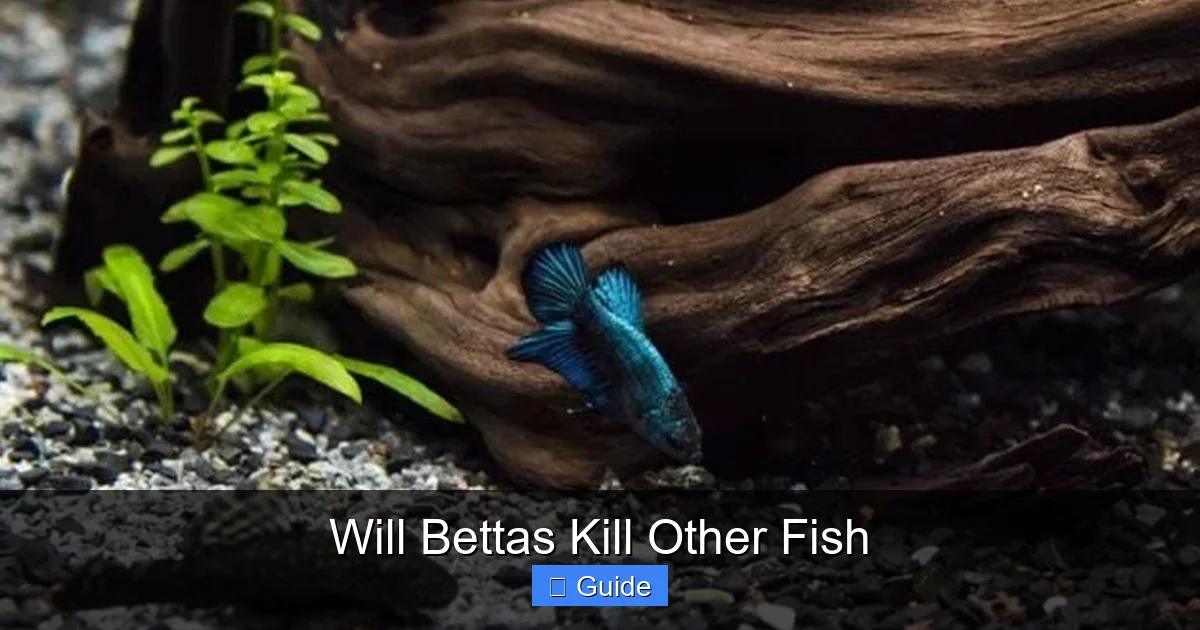
Visual guide about Will Bettas Kill Other Fish
Image source: articles.hepper.com
The Cardinal Rules of Betta Tank Mates
When evaluating a species, ask these questions:
- Does it have long, flowing fins? NO. Fancy guppies, male veil-tail angelfish, or fancy goldfish are magnets for a betta. The betta will see them as a rival male (even if they’re female) and attack the flowing fins. This is the #1 mistake.
- Is it brightly colored, especially with reds and blues? CAUTION. Bettas are attracted to their own color palette. A bright red male swordtail might be seen as a challenge. Opt for more muted, “boring” colors like silver, black, or pale yellow.
- Is it a slow, deliberate swimmer? NO. Fish like dwarf gouramis (which are actually betta cousins and can be feisty), fancy goldfish, or some corydoras are too slow to escape a sudden lunge. They will become stressed and injured.
- Is it a schooling fish that needs a group? PROCEED WITH CAUTION. A school of 6+ neon tetras or harlequin rasboras can work because they are hyper-fast, stay in the mid-to-upper levels (away from the betta’s surface zone), and their constant movement in a group can confuse a lone predator. But a single, slow-moving schooling fish is a goner.
- Does it have a reputation for fin-nipping? NO. Some “community” fish, like certain tiger barbs or serpae tetras, are notorious for nipping. They will bite the betta’s magnificent fins, starting a revenge cycle of aggression.
- Is it a bottom-dweller? OFTEN A GOOD CHOICE. Species that occupy different water layers reduce interaction. Good candidates include certain corydoras catfish, kuhli loaches, or rubbernose plecos (not common plecos, which can grow huge and have armor that bettas may try to bite, injuring themselves).
Proven Compatible Species (With Caveats)
Based on the rules above, here are some of the most commonly successful tank mates. Remember: your betta’s personality is the final judge.
- Snails (Nerite, Ramshorn, Mystery): Excellent. They are slow, have shells, and are generally ignored. They also help clean algae. Mystery snails are large and may be investigated but are safe.
- Shrimp (Ghost, Amano, Cherry – with caution): A mixed bag. Large shrimp like Amanos are often fine. Small cherry shrimp may be seen as food, especially by a hungry or aggressive betta. Start with a large group (10+) so some will survive and reproduce if not all get eaten.
- Corydoras Catfish: A top choice. These gentle, social bottom-feeders are too busy sifting sand to bother a betta. They are fast when startled. Keep them in groups of 6+.
- Kuhli Loaches: Eel-like, nocturnal, and shy. They hide in the substrate during the day and are completely out of the betta’s way.
- Harlequin Rasboras: A classic. They are fast, peaceful, and stay in schools. Their orange/red color is a slight risk, but their speed usually wins out.
- Ember Tetras: Small, peaceful, and school tightly. Their tiny size means they are less likely to be seen as a threat, but always in a school of 8+.
- White Cloud Mountain Minnows: Cold-water fish (unlike tropical bettas), but their temperature range overlaps. They are very fast, active, and occupy the top/mid levels. Their subdued colors are a plus.
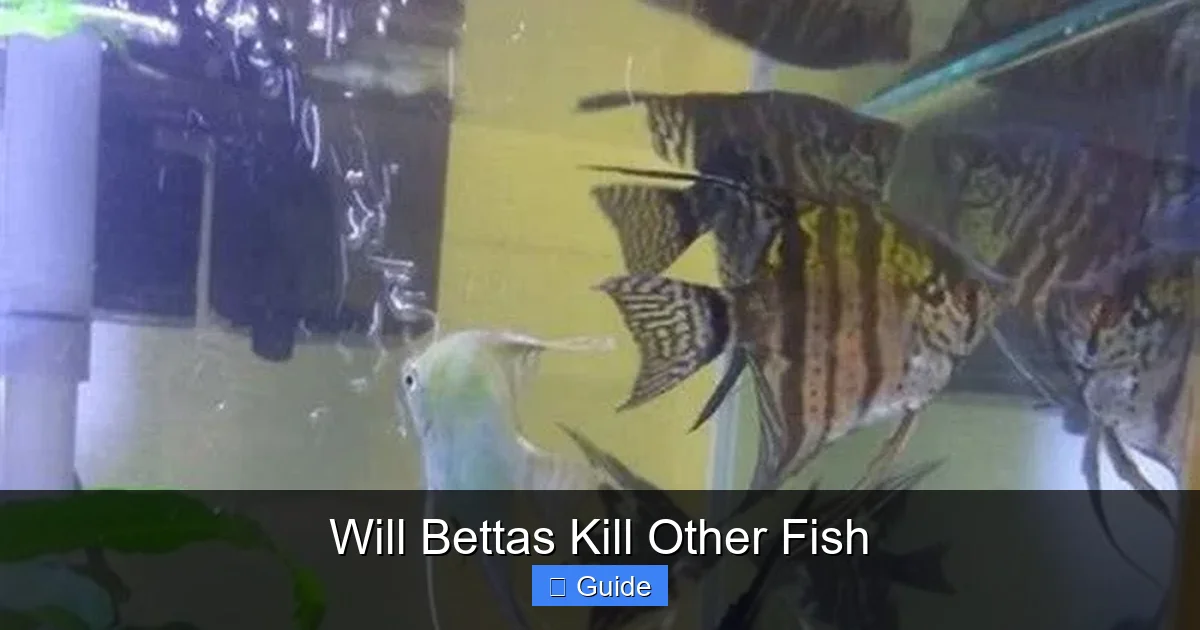
Avoid: Fancy guppies, other gouramis (including dwarf gouramis, which can be aggressive themselves), angelfish, betta splendens (other males or even females in small tanks), barbs (except maybe a very large school of peaceful ones like cherry barbs, but even then), and most other “flashy” fish.
The Introduction Process: A Step-by-Step Guide to Peace
You have your 20+ gallon tank, it’s heavily planted, and you’ve chosen a school of corydoras. Now what? How you introduce the fish is almost as important as your initial choice. Rushing this process is a common cause of failure.
Visual guide about Will Bettas Kill Other Fish
Image source: petshun.com
Step 1: Quarantine and Observation (The Solo Period)
Before adding any tank mate, your betta must be in the tank alone for at least 2-4 weeks. This serves multiple purposes:
- It allows the betta to establish its territory without stress from other fish.
- You can accurately assess its personality. Does it flare at its reflection constantly? Does it hide or actively patrol? A betta that is intensely aggressive in a solo tank is a poor candidate for community life.
- You ensure the betta is healthy and eating well before adding stress.
Step 2: The First Glimpse – Using a Divider or Hospital Tank
Never directly add a new fish to a betta’s established tank. The best method:
- Option A (Divider): Use a clear, sealed aquarium divider. Place the new fish (e.g., your cory school) on one side and the betta on the other. They can see each other but cannot interact. Let this go for 24-48 hours. Watch the betta’s reaction. Intense, persistent flaring and posturing at the divider is a red flag.
- Option B (Hospital Tank): Keep the new fish in a separate “hospital” or quarantine tank next to the main tank. After a few days, use a net to gently transfer the new fish into a clear cup or breeding box that floats in the main tank. This allows the betta to see the new fish up close in a contained space. Again, observe for 30 minutes to an hour.
If the betta flares initially but then loses interest and goes about its business, that’s a good sign. If it never stops trying to attack the barrier, you must reconsider.
Step 3: The Release (With an Escape Route)
If the barrier test is promising:
- Turn off the tank lights.
- Gently net the new fish from the cup/divider side and release it into the main tank.
- Keep the lights off for several hours or overnight to reduce visual stimulation.
- The next day, observe closely from a distance. Do not hover over the tank, as your presence can increase the betta’s stress/aggression.
Some initial flaring and chasing is normal as the betta investigates the “intruder.” This can last a few hours to a day. The key is whether it escalates into relentless pursuit that prevents the other fish from eating or resting. If the new fish is constantly cornered and stressed, you must separate them.
Warning Signs: When to Intervene and Separate
Even with perfect planning, you must be a vigilant detective. Know the signs that the situation is deteriorating and requires immediate action.
Aggressive Behaviors to Monitor
- Persistent Chasing: The betta is actively chasing one or more fish for more than 50% of the time, over several hours. A few curious chases are normal; a relentless marathon is not.
- Flaring at a Specific Fish: If the betta seems to have “picked a target” and constantly flares its gills and flares its fins at that one individual, that fish is in grave danger.
- Fin Nipping: Look for torn, ragged, or missing fins on the other fish. A single nip can be an accident; repeated damage is intentional aggression.
- Other Fish Hiding Constantly: If your once-active corydoras are now permanently wedged under a rock or in a plant, they are terrified and stressed. Stress lowers their immune system and leads to disease.
- The Betta “Laying in Wait”: If the betta is sitting motionless, often near a hiding spot, waiting for another fish to come close, this is predatory ambush behavior.
The Separation Protocol
If you see these signs, act immediately. Do not hope “they’ll work it out.” They won’t.
- Have a plan ready. You must have a cycled, heated, filtered backup tank (a 10-gallon is a good size) or at least a large hospital tank ready to house either the victim or the aggressor.
- Remove the most stressed fish first. This is often the tank mate being chased. Use a net and move it to the backup tank. Observe it for injuries.
- Re-evaluate the betta. With the other fish gone, does the betta’s behavior return to normal (calm patrolling)? If so, the betta was the clear aggressor. You now have a solo betta tank. You can try introducing a different species later, but be prepared for this outcome.
- Consider removing the betta. In some cases, a particularly nasty betta will terrorize an entire community. If multiple fish are stressed or injured, it may be more humane to move the betta to its own permanent setup. This is not a failure; it’s responsible pet ownership.
Special Cases: Shrimp, Snails, and “Non-Fish” Tank Mates
What about invertebrates? They are often the safest first addition to a betta tank, but they come with their own considerations.
Freshwater Snails: The Unsung Heroes
Snails are arguably the perfect betta tank mate. They are slow, have a hard shell (which a betta cannot bite through), and they perform a vital service by eating algae and detritus. Nerite snails are excellent because they don’t reproduce in freshwater. Mystery snails and Ramshorn snails are also great, but they may lay eggs above the waterline that the betta might peck at (harmless). A betta may investigate a snail, prodding it with its snout, but will quickly lose interest. Always have more than one, as they are social.
Freshwater Shrimp: A Gamble
Shrimp are a bigger gamble. Large species like Amano shrimp (which can grow to 2-3 inches) are often too big to be seen as food and are fast enough to dodge. They are also great algae cleaners. Smaller shrimp, like Cherry or Ghost shrimp, are a different story. A betta’s natural diet includes insects and crustaceans. A small, colorful shrimp is essentially a moving piece of food.
- Success Strategy: Start with a large group (10-15) of cherry shrimp in a heavily planted 20+ gallon tank. Some will be eaten, but the population can reproduce quickly enough to sustain itself if the betta only picks off a few.
- Warning: Do not add one or two shrimp as “decor.” They will be hunted immediately and stressed to death. The betta may also learn to hunt them relentlessly, ignoring other fish.
Conclusion: Patience, Planning, and Prudence
So, will bettas kill other fish? The definitive answer is yes, they absolutely can and often do if conditions are wrong. But the more accurate, hopeful answer is they don’t have to. The betta’s reputation is earned, but it is not an unchangeable sentence. Keeping a betta in a community tank is a calculated risk that requires you to be a strategist, not just a hobbyist.
Your success hinges on three pillars: Space (a truly large tank), Sanctuary (a densely planted fortress with hiding places), and Selection (choosing the right, non-threatening species). You must then introduce carefully, watch obsessively, and be prepared to separate at a moment’s notice. A solo betta in a beautifully planted 5-gallon tank is a perfectly valid and wonderful choice. A betta in a 29-gallon jungle with a school of harlequin rasboras and a colony of amano shrimp can be a breathtaking and dynamic display.
Ultimately, you are responsible for the well-being of every creature in that glass box. That means putting aside the desire for a “cute community” and making the cold, logical decision based on your specific betta’s behavior. If your betta shows even a hint of relentless aggression, the safest path is a bachelor pad. But if you have a mellow individual, the right environment, and the right tank mates, you can defy the stereotype and enjoy a peaceful, thriving community centered around one magnificent, misunderstood fish.
Frequently Asked Questions
Can female bettas live with other fish?
Yes, female bettas are generally less aggressive than males and can often be kept in small groups (a “sorority”) of 4-5 in a heavily planted 20+ gallon tank. They can also sometimes tolerate peaceful community fish better than males, but the same rules of tank size, hiding places, and careful selection apply. Individual personalities vary greatly.
What about betta fish with guppies?
This combination is highly discouraged and usually ends in disaster. Male guppies have long, colorful fins that trigger a betta’s territorial and rivalry instincts. The betta will relentlessly nip the guppy’s fins, leading to injury, stress, and fatal fin rot. Even female guppies with pronounced finnage can be targets.
Will a betta kill shrimp?
A betta will try to eat small shrimp, especially cherry or ghost shrimp. It’s in their nature. Whether they succeed depends on tank size, plant cover, and shrimp population. In a large, well-planted tank with a large group (10+) of shrimp, the population may sustain some losses. Large shrimp like Amanos are generally safe due to their size and speed. Never assume a betta won’t see a shrimp as food.
Can two male bettas live together?
No, never. Two male bettas in the same tank will fight until one is severely injured or dead. This is the origin of their “fighting fish” name. They are intensely territorial towards their own species. The only exception is a very large, custom-built tank (100+ gallons) divided into separate territories with solid barriers, but even this is risky and not recommended for beginners.
How big of a tank do I need for a betta with other fish?
The absolute minimum is a 20-gallon long tank. A 29-gallon or larger is significantly better and provides more stability and space. A 5-gallon or 10-gallon tank is only suitable for a single, solitary betta. Any attempt to add tank mates to a small tank will almost certainly result in aggression and death.
My betta flares at me/the glass/its reflection. Does that mean it’s aggressive?
Not necessarily. Flaring (puffing out gills and fins) is a natural threat display. Flaring at its reflection is common and usually just the betta defending its territory from what it perceives as an intruder. This doesn’t automatically mean it will be aggressive towards other, different-looking fish. However, a betta that is constantly flaring and patrolling aggressively in its solo tank is a red flag for potential community compatibility.