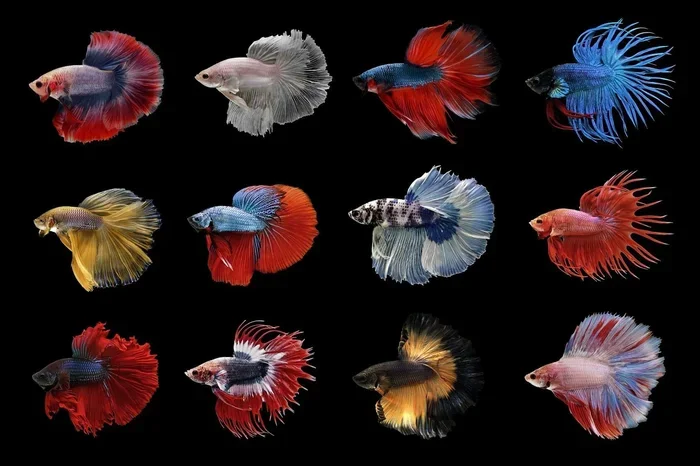
Can Betta Fish Breathe Out of Water

Yes, betta fish can breathe out of water for a limited time. Their special labyrinth organ lets them absorb oxygen from the air. However, staying out of water too long can seriously harm your betta fish.
Have you ever wondered if your betta fish can breathe out of water? It is a question many fish owners ask, especially after a close call or a scary discovery. The short answer is yes, but with important caveats. Bettas are not like most fish. They have a special ability that sets them apart from other freshwater fish. Understanding this ability helps you care for your pet better and keep it safe.
Betta fish are popular pets around the world. Their bright colors and flowing fins make them stand out. But their unique breathing system often surprises new owners. In this guide, we will explore everything you need to know about how bettas breathe, how long they can survive outside water, and what you can do to prevent accidents.
Key Takeaways
- Labyrinth Organ: Bettas have a unique organ that lets them breathe air directly from the surface.
- Limited Survival Time: A betta can survive out of water for a few hours at most, but damage starts quickly.
- Jumping Risk: Bettas may jump out of tanks, especially in poor water conditions or stressed environments.
- Prevention Works: Proper tank lids, water quality, and habitat setup keep your betta safe.
- Quick Action Matters: If your betta falls out of water, return it to water immediately for the best chance of recovery.
- Water Quality Is Key: Clean, well-oxygenated water reduces the urge for bettas to leave the water.
📑 Table of Contents
- How Betta Fish Breathe: The Labyrinth Organ
- Can Betta Fish Survive Out of Water?
- How Long Can a Betta Fish Live Out of Water?
- Why Do Bettas Jump Out of Water?
- What to Do If Your Betta Gets Out of Water
- How to Keep Your Betta Safe and Healthy
- Common Mistakes Bettas Owners Make
- Expert Insight: The Betta’s Natural Habitat
- Conclusion
How Betta Fish Breathe: The Labyrinth Organ
Most fish rely only on their gills to extract oxygen from water. Betta fish are different. They have a special organ called the labyrinth organ. This amazing structure sits near the gills and works like a primitive lung. It lets bettas absorb oxygen directly from the air.
This is why betta fish can survive in low-oxygen water. They can rise to the surface and take a gulp of air. The labyrinth organ then processes that oxygen and sends it into the bloodstream. Without this organ, bettas would struggle in stagnant water.
Why the Labyrinth Organ Matters
The labyrinth organ evolved because bettas live in shallow, slow-moving waters in the wild. Rice paddies, marshes, and drainage ditches often have low oxygen levels. The ability to breathe air helped them survive these tough conditions. This is also why betta fish can live in small volumes of water for short periods, though that is not ideal for long-term health.
Here are key facts about how this organ works:
- Air gulping: Bettas swim to the surface and take in air through their mouths.
- Oxygen absorption: The labyrinth organ extracts oxygen from the inhaled air.
- Carbon dioxide release: The organ also helps release waste gases.
- Backup system: Gills still handle most oxygen needs in good water conditions.
The labyrinth organ is a survival tool, not a reason to keep your betta out of water. Think of it as a backup system. Your betta still needs water to thrive.
Can Betta Fish Survive Out of Water?
The short answer is yes, betta fish can survive out of water for a limited time. But “survive” does not mean “thrive.” Every minute out of water puts stress on their body. The labyrinth organ can keep them going, but their gills still need moisture to function properly.
So how long can a betta actually stay out of water? Several factors play a role:
- Humidity levels: High humidity keeps the gills moist longer.
- Temperature: Warm air dries out gills faster than cool, damp air.
- Fish health: A healthy betta may last longer than a sick one.
- Size of the fish: Larger bettas may have slightly more reserves.
Most experts agree that a betta fish can survive out of water for anywhere from a few minutes to a couple of hours. But damage begins almost immediately. The gills dry out, and the labyrinth organ cannot fully compensate for the loss of water support.
What Happens When a Betta Leaves the Water
When a betta is out of water, several things start to go wrong. The gills lose moisture and begin to stick together. This reduces their ability to absorb oxygen even from the air. The fish becomes stressed, its color may fade, and its movements become sluggish.
If the betta stays out too long, organ failure can occur. The labyrinth organ itself can dry out and stop working. At that point, recovery becomes very unlikely. This is why quick action is so important if your betta ever leaves the water.
How Long Can a Betta Fish Live Out of Water?
Time is critical. A betta fish out of water needs to get back into water as fast as possible. Most betta fish can survive out of water for about 15 minutes to 2 hours, depending on conditions. But even within that window, harm can happen.
Here is a rough timeline of what happens when a betta is out of water:
- 0-5 minutes: The betta may still be active. It tries to find moisture. The gills are still moist and functioning.
- 5-15 minutes: The gills begin to dry. The fish may gulp air more frantically. Stress hormones start rising.
- 15-30 minutes: Movement slows down. The fish may appear limp or unresponsive. Gill damage becomes more serious.
- 30 minutes to 2 hours: Organ damage escalates. Recovery chances drop significantly. The labyrinth organ may start to fail.
- Beyond 2 hours: Survival is unlikely without immediate intervention. Long-term damage is almost certain even if the fish appears to recover.
If your betta fish has been out of water, act quickly. Gently place it back into clean, conditioned water. Watch for signs of distress like rapid gill movement or lying at the bottom. Sometimes a betta recovers fully if returned to water in time.
For more details on survival timelines, check out our guide on how long a betta fish can survive out of water.
Why Do Bettas Jump Out of Water?
It can be shocking to find your betta fish on the floor. But bettas do jump. In the wild, they often leap out of shallow puddles to move between water sources. This natural behavior means that even in a tank, a betta may make a bold leap.
Several common reasons drive this behavior:
- Poor water quality: Dirty or low-oxygen water pushes bettas to seek better conditions.
- Small tank size: Bettas in cramped spaces feel stressed and may try to escape.
- High water temperature: Warm water holds less oxygen, making bettas gulp air more often.
- Curiosity or aggression: Bettas may react to movement outside the tank.
- Lack of tank lid: An open tank is an open invitation for a jump.
Understanding these triggers helps you prevent accidents. For more on this behavior, read our article on why your betta fish jumps out of the water.
Preventing Your Betta from Jumping
A good tank lid is the single best way to prevent jumps. Use a tight-fitting cover with no gaps. Bettas can squeeze through surprisingly small openings. Here are some practical tips:
- Use a mesh or perforated lid that allows air exchange but keeps the fish inside.
- Leave a small gap between the water surface and the lid for air.
- Check the lid regularly for gaps or loose spots.
- Keep the water level a few inches below the rim of the tank.
These simple steps go a long way in keeping your betta fish safe. A lid also helps maintain stable water quality and temperature.
What to Do If Your Betta Gets Out of Water
Finding your betta on the floor or outside the tank is scary. But staying calm is the first step. Here is exactly what to do:
- Act fast: Time matters. The sooner you return the fish to water, the better the chances of recovery.
- Gently scoop the betta: Use a soft net or your clean, wet hands. Avoid squeezing or rough handling.
- Check for injuries: Look for cuts, scrapes, or signs of distress like clamped fins or pale coloring.
- Return to clean water: Place the betta back into its tank or a quarantine container with fresh, conditioned water.
- Observe closely: Watch for normal gill movement and breathing for the next 30 minutes to an hour.
- Test water parameters: Check ammonia, nitrite, and pH levels. Poor water quality may have caused the stress that led to the escape.
If the betta does not recover within an hour, contact a veterinarian who specializes in fish. Quick response gives your betta fish the best shot at a full recovery.
When to Seek Veterinary Help
Not every out-of-water incident has a happy ending. Seek professional help if you notice any of these signs:
- The betta does not respond or move after 30 minutes back in water.
- Gill movement remains rapid or irregular after an hour.
- The fish shows visible injuries like torn fins or open wounds.
- The betta refuses to eat for more than 24 hours after the incident.
Early intervention can save a life. Do not wait too long if something seems off.
How to Keep Your Betta Safe and Healthy
Prevention is always better than cure. A well-setup tank with good water quality reduces the chances of your betta leaving the water. Here are the best practices for a safe betta fish habitat:
Tank Setup Essentials
- Tank size: At least 5 gallons for a single betta. Larger is always better.
- Tank lid: A secure, fitted lid is non-negotiable.
- Filter: A gentle sponge filter keeps water clean without strong currents.
- Heater: Maintain water temperature between 76 and 82 degrees Fahrenheit.
- Plants and hiding spots: Live or silk plants provide comfort and reduce stress.
Water Quality Tips
Clean water keeps your betta healthy and less likely to jump. Follow these steps:
- Test water parameters weekly with a reliable test kit.
- Perform 25-30% water changes every week.
- Use a water conditioner to remove chlorine and chloramine from tap water.
- Avoid sudden temperature changes during water changes.
- Keep ammonia and nitrite levels at zero.
Good water quality also supports healthy gill function. When your betta gets enough oxygen from the water, it is less likely to feel the need to gulp air at the surface or attempt to leave the tank.
Feeding and Stress Reduction
A well-fed, unstressed betta is a happy betta. Feed small amounts twice a day. Use high-quality betta pellets or frozen bloodworms as treats. Avoid overfeeding, which can foul the water quickly.
Reduce stress by keeping the tank in a quiet area away from loud noises and direct sunlight. Avoid placing the tank near heaters or vents that cause temperature swings. A calm environment leads to a healthier, less jumpy betta.
For more tips on habitat setup, see our guide on whether betta fish can stay in small volumes of water.
Common Mistakes Bettas Owners Make
Even well-meaning owners can make mistakes that put their betta fish at risk. Here are the most common ones:
- No tank lid: This is the number one cause of bettas ending up on the floor.
- Too small a tank: Bowls and cups are not suitable for long-term betta health.
- Ignoring water changes: Dirty water stresses bettas and can trigger escape behavior.
- Overcrowding: Keeping aggressive tank mates with bettas increases stress levels.
- Using untreated tap water: Chlorine and chloramine in tap water harm gills and weaken the fish.
Avoiding these mistakes creates a safer environment. Your betta fish will be healthier, happier, and far less likely to jump out of the tank.
Expert Insight: The Betta’s Natural Habitat
To truly understand why betta fish can breathe out of water, it helps to look at where they come from. Wild bettas live in warm, shallow waters across Southeast Asia. These include rice paddies, floodplains, and slow-moving streams. The water is often warm and low in oxygen.
In these environments, the labyrinth organ gives bettas a huge advantage. When a puddle shrinks during the dry season, bettas can survive in the remaining muddy water. They can even move short distances across land to reach a new water source. This incredible adaptation is what makes them unique among freshwater fish.
However, this does not mean your pet betta should ever be out of water. In a home aquarium, conditions are very different from the wild. The water is filtered, heated, and oxygenated. Your betta has no reason to leave. In fact, any time spent out of water is a sign that something in the tank needs attention.
For more on how long bettas can endure being out of water, check out can betta fish survive out of water.
Conclusion
So, can betta fish breathe out of water? Yes, thanks to their remarkable labyrinth organ. But this ability is a survival backup, not a reason to keep them out of water. A betta can survive for a limited time outside of water, but every minute counts. Quick action and a well-maintained tank are your best tools for keeping your fish safe.
Remember to always use a secure tank lid, maintain excellent water quality, and watch for signs of stress. These simple steps go a long way in preventing accidents. Your betta fish depends on you for a safe and healthy home. Give it the care it deserves, and it will thrive for years to come.
If you ever find your betta out of water, stay calm and act fast. Return it to clean water immediately and monitor its condition closely. With prompt care, many bettas recover fully from short out-of-water incidents.
Frequently Asked Questions
How long can a betta fish breathe out of water?
A betta fish can survive out of water for about 15 minutes to 2 hours, depending on humidity, temperature, and the fish’s overall health. However, damage starts within minutes, so always return your betta to water as quickly as possible.
Do betta fish breathe air or water?
Betta fish breathe both. They use their gills to extract oxygen from water and their labyrinth organ to absorb oxygen from the air. This dual system is what makes them unique among freshwater fish.
Why did my betta fish jump out of the tank?
Bettas may jump due to poor water quality, stress, small tank size, or high water temperature. They may also jump out of curiosity or in response to movement outside the tank. A secure lid prevents this behavior from becoming dangerous.
Can a betta fish survive after being out of water for hours?
Survival after several hours is unlikely. The gills and labyrinth organ dry out over time, and organ damage becomes severe. If your betta has been out for more than an hour, seek help from a fish veterinarian immediately.
How can I prevent my betta from jumping out of its tank?
Use a tight-fitting tank lid with no gaps. Keep the water level a few inches below the rim. Maintain excellent water quality and reduce stress with proper tank size, temperature, and gentle tank mates.
Is it normal for betta fish to breathe heavily at the water surface?
Occasional surface breathing is normal because bettas use their labyrinth organ to gulp air. However, frequent or labored breathing at the surface often signals low oxygen levels, poor water quality, or a problem with the tank setup.
=== INTERNAL LINKS USED ===
Internal Links Used (4):