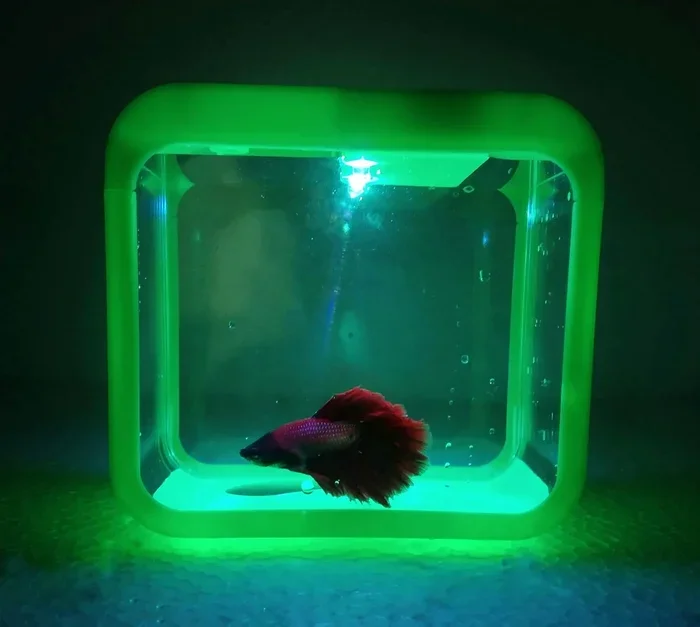
Do Betta Fish Fight with Other Fish

Do betta fish fight with other fish? The answer is not a simple yes or no. Betta fish aggression depends on tank setup, tank mates, and individual temperament. This guide covers everything you need to know about betta fighting behavior, compatible companions, and how to keep the peace in your aquarium.
Have you ever wondered do betta fish fight with other fish? If you own a betta or are thinking about adding one to your aquarium, this is a question you need answered. Betta fish are beautiful, colorful, and full of personality. But they also carry a reputation as fierce fighters. This reputation comes from their history. In Southeast Asia, people bred bettas for combat hundreds of years ago. That legacy lives on in their DNA today.
The good news is that not every betta will fight everything in sight. Betta fish behavior varies widely from one fish to the next. Some bettas are calm and curious. Others are territorial and quick to flare. Understanding your fish is the first step toward creating a peaceful aquarium. In this guide, we will explore everything about betta aggression, which fish they fight with, and how you can prevent problems.
Whether you are a beginner or a seasoned aquarist, this article will give you practical advice. We will cover betta tank mates, signs of fighting, and proven strategies to keep your aquarium harmonious. Let us dive in.
Key Takeaways
- Betta fish can fight with other fish: Their territorial nature makes them prone to aggression, especially toward fish with similar colors or long fins.
- Tank setup matters: A well-planned aquarium with hiding spots and enough space reduces betta aggression significantly.
- Not all fish are safe companions: Some species trigger betta fighting behavior, while others make excellent betta tank mates.
- Watch for warning signs: Flaring, chasing, and fin nipping are clear signals that your betta is stressed or territorial.
- Prevention works better than cure: Choosing the right compatible tank mates from the start saves you headaches later.
- Each betta is different: Personality plays a big role in how your fish interacts with others in the tank.
📑 Table of Contents
Why Do Betta Fish Fight?
Betta fish aggression does not come out of nowhere. There are clear reasons behind their fighting behavior. Understanding these reasons helps you manage your tank better.
Territorial Instincts
Betta fish are naturally territorial. In the wild, they claim small areas of shallow water. They defend these spaces fiercely. When another fish enters their territory, a betta sees it as a threat. This triggers betta fighting behavior. The fish may flare its gills, spread its fins, and chase the intruder.
The Role of Flaring
Flaring is a betta’s way of showing dominance. When a betta flares, it spreads its gill plates and fins to look as large as possible. It does this to intimidate rivals. Some flaring is normal. Constant flaring, however, causes stress. Stress leads to health problems and a shorter lifespan.
Hormonal and Seasonal Triggers
Male bettas produce hormones that increase aggression during breeding season. Even in a home aquarium, these hormonal shifts can make your fish more territorial. Water temperature and tank conditions also play a role. Poor water quality raises stress levels and triggers more fighting.
Do Betta Fish Fight with Other Fish?
The short answer is yes, they can. But the full answer is more nuanced. Do betta fish fight with other fish depends on several factors. These include species, size, color, and tank setup.
Fish That Trigger Betta Aggression
Certain fish species are more likely to set off a betta’s fighting instincts. Here are common triggers:
- Fish with bright colors: Bettas may see colorful fish as rivals. Guppies, for example, have vivid tails that can trigger aggression.
- Fish with long fins: Long-finned fish resemble bettas. This can cause your betta to see them as competition.
- Fish that invade personal space: Active swimmers that dart around can stress out a betta. This includes some tetra species.
- Bottom-dwelling fish that touch the betta’s area: Cory catfish and certain loaches may wander into a betta’s claimed zone.
Fish That Betta Fish Usually Leave Alone
On the other hand, some fish coexist peacefully with bettas. These species tend to mind their own business. They do not challenge the betta or resemble it visually.
- Neon tetras: Small, fast, and non-threatening. They stay in schools and avoid the betta.
- Ghost shrimp: Bottom dwellers that keep to themselves. Bettas usually ignore them.
- Snails: Slow-moving and peaceful. They do not trigger territorial responses.
- African dwarf frogs: They stay near the bottom and rarely interact with the betta.
For a deeper look at betta fish interactions, check out our article on Do Betta Fight Other Fish.
Common Signs of Fighting in the Aquarium
Knowing the signs of betta fighting behavior helps you act fast. Early intervention prevents injuries and reduces stress.
Physical Signs
- Flaring gills: The betta spreads its gill plates repeatedly.
- Fin nipping: Other fish bite at the betta’s fins or vice versa.
- Biting and chasing: The betta pursues other fish around the tank.
- Clamped fins: A stressed betta holds its fins close to its body.
- Loss of color: Aggression and stress can cause fading in the fish’s vibrant hues.
Behavioral Signs
- Constant hiding: Other fish hide because they feel threatened.
- Refusing food: Stressed fish often stop eating.
- Resting on the substrate: A defeated or exhausted fish may lie at the bottom.
- Rapid breathing: This signals stress or physical injury from fighting.
What Happens When Bettas Fight to the Death
In extreme cases, betta fish fight till death. This is more common in confined spaces. Two male bettas placed in the same tank will often fight until one dies. Even in community tanks, severe fights can cause fatal injuries. Fin damage, infections, and exhaustion are real risks. This is why choosing the right tank setup is so important.
If you want to learn more about the severity of these encounters, read our detailed piece on Do Betta Fish Fight Till Death.
How to Prevent Fighting in Your Betta Tank
Prevention is always better than dealing with injuries or losses. Here are proven strategies to reduce betta fish aggression.
1. Choose the Right Tank Size
A cramped tank makes any fish aggressive. For a betta alone, a 5-gallon tank is the minimum. If you plan to add tank mates, go bigger. A 10-gallon or 20-gallon tank gives everyone space to establish their own areas. More space means fewer confrontations.
2. Add Plenty of Hiding Spots
Plants, caves, and decorations break up lines of sight. When fish cannot see each other constantly, tension drops. Live plants work best. They also improve water quality. Floating plants add another layer of separation. This gives your betta a sense of security.
3. Avoid Bright Colors and Long Fins in Tank Mates
Choose tank mates that do not resemble your betta. Avoid fish with bright colors or flowing fins. These traits trigger the betta’s competitive instincts. Instead, pick plain-colored, fast-swimming species that stay out of the betta’s way.
4. Feed Separately
Food competition causes fights. Feed your betta on one side of the tank and other fish on the opposite side. This ensures everyone eats enough. It also reduces tension during mealtime. Use a feeding ring if needed to keep food in one area.
5. Monitor Behavior Daily
Watch your fish every day. Look for signs of stress or aggression. Catching problems early makes a huge difference. If one fish seems targeted, separate it immediately. A small quarantine tank can save lives.
6. Keep Water Quality High
Clean water reduces stress. Test your water parameters regularly. Maintain a temperature between 76 and 82 degrees Fahrenheit. Perform weekly water changes of 25 percent. Stable conditions keep your betta calm and healthy.
Best Tank Mates for Betta Fish
Finding the right compatible tank mates for your betta takes research. Not every peaceful fish works with a betta. Here are some of the best options.
| Fish/Creature | Why It Works | Care Level |
|---|---|---|
| Neon Tetras | Small, fast, and stay in schools away from the betta | Easy |
| Ghost Shrimp | Keep to the bottom and avoid confrontation | Very Easy |
| African Dwarf Frogs | Bottom dwellers that rarely interact with the betta | Easy |
| Snails (Nerite, Mystery) | Slow-moving and peaceful; do not trigger aggression | Very Easy |
| Cory Catfish | Stay on the bottom and mind their own business | Moderate |
| Kuhli Loaches | Nocturnal and shy; avoid the betta during the day | Moderate |
For more information on specific species, visit our guide on Do Betta Fish Get Along With Other Fish.
Each of these species brings something unique to your tank. They add movement, color, and interest without triggering your betta’s fighting instincts. The key is to introduce them gradually. Watch interactions closely during the first few days. Adjust the setup if you notice any tension.
What to Do If Your Betta Is Already Fighting
If your betta is already showing signs of aggression, do not panic. There are steps you can take right away.
Step 1: Identify the Trigger
Look at which fish your betta targets. Is it a specific species? Does the aggression spike at feeding time? Identifying the trigger helps you find the right solution.
Step 2: Rearrange the Tank
Moving decorations around resets territories. Your betta will spend time exploring the new layout instead of chasing other fish. This simple trick often reduces aggression quickly.
Step 3: Add More Hiding Places
Increase the number of plants and caves. This gives the targeted fish places to escape. It also gives your betta new areas to claim, which can reduce its focus on chasing.
Step 4: Separate if Necessary
If fighting continues, remove the aggressor or the victim. A temporary separation lets everyone calm down. You can then reassess your tank setup before trying again.
For more on serious confrontations, check out Do Betta Fish Kill And Eat Other Fish to understand the worst-case scenarios.
Expert Insights on Betta Fish Aggression
Experienced aquarists agree on a few key points about betta fish behavior. First, every betta has a unique personality. Some are naturally docile. Others are born fighters. You cannot change a betta’s basic temperament, but you can manage the environment.
Second, betta fish aggression often stems from boredom. A bare tank with nothing to explore makes any fish restless. Adding enrichment like plants, caves, and gentle water flow keeps your betta mentally stimulated. A happy betta is a less aggressive betta.
Third, many people underestimate the importance of tank placement. A tank near a window or high-traffic area exposes your betta to constant movement and reflections. This can trigger territorial behavior. Place your aquarium in a calm, quiet spot where your fish feels safe.
Key Takeaways
- Betta fish do fight with other fish: Their territorial nature makes them prone to aggression, especially toward fish with similar colors or long fins.
- Tank setup matters: A well-planned aquarium with hiding spots and enough space reduces betta aggression significantly.
- Not all fish are safe companions: Some species trigger betta fighting behavior, while others make excellent betta tank mates.
- Watch for warning signs: Flaring, chasing, and fin nipping are clear signals that your betta is stressed or territorial.
- Prevention works better than cure: Choosing the right compatible tank mates from the start saves you headaches later.
- Each betta is different: Personality plays a big role in how your fish interacts with others in the tank.
- Act quickly when problems arise: Early intervention prevents injuries and keeps your aquarium peaceful.
Conclusion
So, do betta fish fight with other fish? The answer is yes, they can. But with the right knowledge and setup, you can create a harmonious aquarium. Understanding your betta’s personality and needs is the foundation of good fish keeping. Choose compatible tank mates, provide plenty of space and hiding spots, and monitor behavior daily.
Betta fish aggression is manageable. It does not have to mean the end of a community tank. With patience and observation, you can enjoy a beautiful, thriving aquarium. Your betta will be healthier, happier, and less likely to fight. The reward is a vibrant underwater world that brings joy every day.
Start with small steps. Introduce one new tank mate at a time. Watch closely. Adjust as needed. Every tank is different, and what works for one aquarist may not work for another. Trust your instincts, learn from your fish, and enjoy the journey.
Remember, a peaceful aquarium is not luck. It is the result of smart choices and consistent care. You now have the knowledge to make those choices with confidence.
Frequently Asked Questions
Can betta fish live peacefully with other fish?
Yes, many bettas live peacefully with the right tank mates. The key is choosing species that do not resemble the betta or compete for space. Small, fast-moving fish like neon tetras and peaceful bottom dwellers like cory catfish are excellent choices. Always monitor behavior when introducing new fish.
Why does my betta fish flare at other fish?
Flaring is a natural betta behavior. Your fish sees another fish as a rival or threat. Bright colors, long fins, or similar body shapes can trigger this response. Some flaring is normal, but constant flaring causes stress. Reduce triggers by adjusting the tank setup and choosing less provocative tank mates.
Will a betta fish kill other fish in the tank?
In severe cases, yes. Bettas can cause fatal injuries through persistent chasing and biting. Infections from fin damage can also be deadly. This is why prevention and early intervention are so important. A well-planned tank greatly reduces the risk of fatal encounters.
What fish should you never keep with a betta?
Avoid keeping bettas with fish that have bright colors, long fins, or aggressive temperaments. Guppies, angelfish, and other bettas are common bad choices. Also avoid fish that swim in the betta’s territory constantly. Research any species before adding it to a betta tank.
How can I stop my betta from fighting other fish?
Start by increasing tank size and adding more hiding spots. Rearrange decorations to reset territories. Feed fish on opposite sides of the tank. If aggression continues, separate the fish temporarily. Sometimes, the best solution is to rehome the aggressive tank mate.
Do female betta fish fight with other fish?
Female bettas can fight, but they are generally less aggressive than males. They can live in groups called sororities with proper setup. Female bettas may still fight with other fish if those fish resemble them or invade their territory. Always observe behavior and be prepared to separate fish if needed.