Where Are Betta Fish from in the Wild

Betta fish originate from the shallow, warm waters of Southeast Asia, including countries like Thailand, Cambodia, and Vietnam. They thrive in rice paddies, floodplains, and slow-moving streams. Understanding their wild origins helps you provide better care for these beautiful fish.
Have you ever wondered where are betta fish from in the wild? These stunning fish with their flowing fins and vivid colors seem almost too beautiful to be real. But the truth is, betta fish come from some of the most unexpected places on Earth. They don’t start in pet stores. They start in muddy ponds, shallow rice paddies, and slow-moving streams across Southeast Asia.
Understanding where betta fish live in the wild changes everything about how you care for them at home. It helps you recreate the right water conditions, the right temperature, and even the right kind of food. Whether you are a new betta owner or a seasoned hobbyist, knowing the wild origins of your fish makes you a better keeper. Let us dive into the fascinating story of betta fish in their natural habitat.
Key Takeaways
- Betta fish are native to Southeast Asia: They come from countries like Thailand, Vietnam, Cambodia, and Malaysia.
- They live in shallow, warm waters: Rice paddies, floodplains, and slow streams are their natural homes.
- Wild betta fish habitats are very different from tanks: They need warm, soft, and slightly acidic water in nature.
- Knowing their wild origins improves tank care: You can replicate natural conditions for happier, healthier fish.
- Wild betta fish face real threats: Habitat loss and pollution put pressure on their populations.
- Betta fish have fascinating wild behaviors: From territorial displays to hunting small prey, their instincts are remarkable.
📑 Table of Contents
- The Natural Origins of Betta Fish
- Where Do Betta Fish Live in the Wild
- Countries Where Wild Betta Fish Are Found
- What the Wild Habitat Looks Like
- How Wild Betta Fish Behave
- Why Knowing Their Wild Origins Matters
- Wild Betta Fish vs. Pet Store Betta Fish
- How Long Do Betta Fish Live in the Wild
- Can Betta Fish Survive in the Wild
- Conclusion
The Natural Origins of Betta Fish
Betta fish have a rich history that stretches back thousands of years. They are not bred in labs or created by accident. These fish evolved naturally in specific regions of Asia. Their wild origins shape everything from their colors to their behavior.
Betta Fish Native Range
The native range of betta fish covers a wide area in Southeast Asia. The most common species, Betta splendens, is found across Thailand, Vietnam, Cambodia, Laos, and Malaysia. These countries share warm, humid climates with plenty of standing water. That is exactly what betta fish need to survive.
In the wild, betta fish are not found in fast rivers or deep lakes. They prefer shallow, still, or slow-moving bodies of water. This includes rice paddies, drainage ditches, and marshy areas. The water is often warm, sometimes warm, and usually filled with plants and debris.
Why Betta Fish Are So Special
Betta fish belong to the gourami family. They have a special organ called the labyrinth organ. This allows them to breathe air directly from the surface. In the wild, this adaptation is a lifesaver. It lets betta fish survive in oxygen-poor water where other fish would struggle.
This is why where betta fish live in the wild matters so much. Their natural environments are low in oxygen and high in warmth. Replicating these conditions in a home tank helps your fish feel safe and stay healthy. It also explains why bettas can live in small bowls, though bigger tanks are always better.
Where Do Betta Fish Live in the Wild
Where are betta fish in the wild? The answer is more specific than you might think. They are not scattered across every continent. They are concentrated in specific regions with the right climate and water conditions.
Shallow Water Habitats
Wild betta fish love shallow water. In nature, they are often found in water that is only a few inches deep. This could be a puddle after a rainstorm or a thin layer of water in a rice field. The shallow depth warms up quickly in the sun, which bettas prefer.
These shallow habitats also expose bettas to air at the surface. Their labyrinth organ depends on access to atmospheric air. Deep water would make breathing difficult for them. So the shallow, warm pools are their ideal home.
Rice Paddies and Floodplains
Rice paddies are one of the most common betta fish habitats in the wild. Farmers in Southeast Asia flood their fields during growing season. These flooded areas create perfect conditions for betta fish. The water is warm, still, and rich with tiny organisms to eat.
Floodplains along rivers and streams also host wild betta populations. When rivers overflow, fish move into the surrounding land. They find small pools and slow channels to call home. These temporary habitats are part of the natural cycle of life for bettas.
Tropical Ecosystems
Betta fish live in tropical ecosystems that are warm and humid year-round. The average temperature in these regions stays between 75 and 85 degrees Fahrenheit. This warmth keeps the water at a temperature bettas can thrive in.
Tropical forests and wetlands provide plenty of cover for bettas. They hide among fallen leaves, submerged roots, and dense vegetation. This natural cover is important for their sense of security. In the wild, bettas use plants and debris to build bubble nests too.
Countries Where Wild Betta Fish Are Found
Where are wild betta fish found? The list includes several countries in and around Southeast Asia. Each region has its own unique populations and slightly different conditions.
Thailand and Its Betta Populations
Thailand is the heartland of wild betta fish. The country is home to the greatest variety of betta species. Many of the bettas we keep as pets today come from wild populations in Thailand. The name “Siamese fighting fish” comes from the old name for Thailand.
In Thailand, wild bettas live in canals, ponds, and flooded fields. They can even be found in urban areas where standing water collects. However, urbanization and pollution have reduced some of these natural habitats over time.
Other Southeast Asian Regions
Vietnam is another major home for wild betta fish. The Mekong Delta region provides ideal conditions with its warm, slow-moving waters. Cambodia and Laos also host wild populations, especially in rural areas with agricultural waterways.
Malaysia and Indonesia have smaller betta populations on the Malay Peninsula and parts of Borneo. Each region has its own local species and color variations. Some of these wild bettas look very different from the brightly colored fish we see in stores.
What the Wild Habitat Looks Like
The natural environment of a wild betta fish is very different from a glass tank. Understanding what their habitat looks like helps you create a better home for your pet.
Water Conditions in the Wild
Wild betta fish live in water that is warm and slightly acidic. The pH usually ranges from 6.0 to 7.0. The water is soft and often stained brown from tannins released by fallen leaves and decomposing plant matter.
In their natural betta fish habitat, there is little water flow. The surface is calm and still. This matches the low-oxygen conditions that their labyrinth organ is designed to handle. The water temperature stays consistently warm, rarely dropping below 75 degrees.
Plants and Natural Cover
Wild betta habitats are dense with vegetation. Floating plants like water lettuce and duckweed shade the surface. Submerged plants like anacharis and hornwort provide hiding spots and hunting grounds.
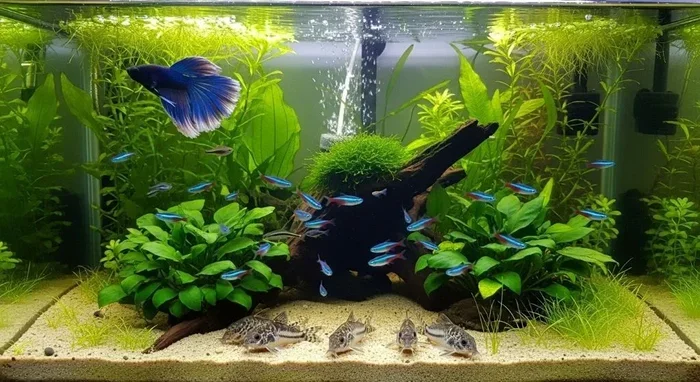
Fallen leaves and organic debris cover the bottom. This creates a natural environment that bettas recognize as safe. When you add plants and leaf litter to a betta tank, you are mimicking their wild betta fish habitat and helping them feel at home.
How Wild Betta Fish Behave
Wild betta fish behave very differently from pet store bettas. In nature, they face real challenges every day. Their behavior is shaped by survival, not by breeding for beauty.
Territorial Behavior
Betta fish are naturally territorial. In the wild, males claim small patches of territory and defend them fiercely. They flare their gills and spread their fins to intimidate rivals. This behavior is not aggression for no reason. It is a survival strategy.
Territorial fights in the wild can be intense. Two male bettas will display and sometimes bite each other’s fins. The weaker fish usually retreats rather than risking serious injury. This instinct is why you should never keep two male bettas in the same tank.
Feeding Habits in the Wild
What do wild betta fish eat? They are carnivorous by nature. Their diet consists of small insects, larvae, and tiny crustaceans. They hunt at the water’s surface, snatching up any prey that lands on or near the water.
In captivity, you can replicate this diet with high-quality pellets, frozen bloodworms, and brine shrimp. Feeding your betta a varied diet that mimics what they would find in the wild keeps them healthy and active. If you want to know more about their diet, check out what betta fish eat in the wild.
Why Knowing Their Wild Origins Matters
Understanding where betta fish come from in the wild is not just interesting trivia. It has real practical value for anyone who keeps bettas as pets.
Better Tank Setup
When you know the wild conditions bettas prefer, you can set up a tank that feels familiar to them. Use warm water between 78 and 80 degrees Fahrenheit. Add gentle filtration or no filter at all, since wild bettas live in still water. Include live plants, hiding spots, and open surface area for breathing.
A well-planned tank that mimics the wild habitat reduces stress. Less stress means a healthier, happier fish that lives longer. Your betta will show brighter colors and more natural behavior when its environment feels right.
Conservation Awareness
Wild betta fish populations face real threats today. Habitat destruction from agriculture and development is a major concern. Pollution from farming runoff contaminates their water. Climate change alters the temperature and rainfall patterns they depend on.
Some wild betta species are now considered vulnerable or endangered. Learning about their origins helps us appreciate the importance of conservation. Responsible fishkeeping and supporting habitat preservation efforts can make a difference for these remarkable fish.
Wild Betta Fish vs. Pet Store Betta Fish
The betta fish you see in a pet store looks very different from its wild ancestors. Selective breeding has produced fish with long, flowing fins and brilliant colors. But these traits come at a cost. Wild bettas are actually quite different in appearance and behavior.
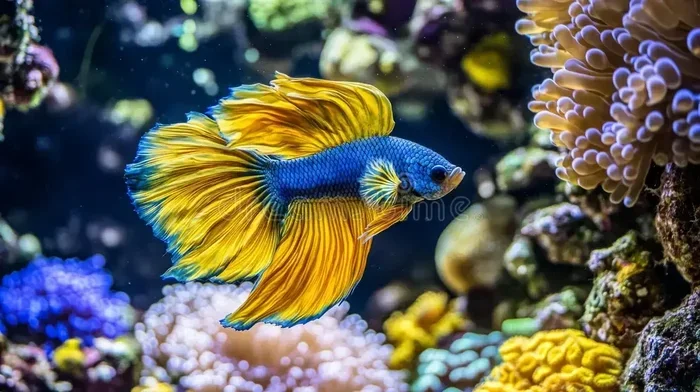
Wild bettas are smaller and more subdued in color. They are greens, browns, and dull reds that help them blend into their surroundings. Their fins are short and functional, built for swimming through dense vegetation. Pet store bettas are bred to look dramatic, not to survive in the wild.
This is an important distinction. If you ever consider releasing a pet betta into the wild, think again. Pet store bettas are not equipped to survive in nature. They are vulnerable to predators, disease, and harsh conditions. If you want to learn more about this, read about whether you can release a betta fish into the wild.
On the other hand, understanding the wild origins of bettas helps us appreciate what nature intended. It reminds us that these fish are survivors. They have thrived in challenging environments for thousands of years. Respecting their wild heritage makes us better caretakers.
How Long Do Betta Fish Live in the Wild
Wild betta fish typically live shorter lives than pet bettas. In nature, they face predators, disease, food scarcity, and harsh weather. Most wild bettas live about two to three years. Pet bettas, with consistent food and safe conditions, can live five years or more with proper care.
If you are curious about the lifespan differences, check out how long betta fish live in the wild for a deeper look. The contrast between wild and captive life highlights why responsible fishkeeping is so important.
Can Betta Fish Survive in the Wild
Some pet bettas end up in the wild, either by accident or on purpose. But can they actually survive? The answer depends on the climate and the specific conditions. In tropical regions with warm, still water, some pet bettas can survive for a while. But they are not prepared for wild predators, competition for food, or sudden weather changes.
If you want to learn more about whether bettas can truly thrive outside of captivity, explore whether betta fish can survive in the wild. The answer is more nuanced than you might expect.
Conclusion
The story of where betta fish come from in the wild is a story of resilience and adaptation. These fish evolved in shallow, warm, oxygen-poor waters across Southeast Asia. They developed unique features like the labyrinth organ that allow them to breathe air and survive where other fish cannot. Their natural habitats in rice paddies, floodplains, and tropical wetlands are fascinating and fragile.
Knowing the wild origins of betta fish transforms how you care for them at home. You learn to match their water conditions, diet, and environment to what they know best. You also gain a deeper respect for the challenges wild bettas face every day. From habitat loss to pollution, these beautiful fish need our attention and care.
Whether you are setting up a new tank or just curious about your fish’s background, understanding their wild roots is the first step. Provide warm, clean, plant-filled water. Feed a varied, protein-rich diet. And always remember that your pet betta descends from a wild survivor. Treat their origins with respect, and your fish will thrive.
If you want to explore more about betta fish in their natural settings, start with where betta fish are found in the wild and build your knowledge from there. The more you know, the better you can care for your finned friend.
Frequently Asked Questions
Where do betta fish come from originally?
Betta fish originally come from Southeast Asia, particularly Thailand, Vietnam, Cambodia, and Malaysia. They evolved in shallow, warm, slow-moving waters like rice paddies and floodplains.
Can betta fish live in the wild?
Yes, betta fish can live in the wild, but only in tropical regions with warm, still water. Pet bettas released into the wild often struggle because they lack the survival skills of wild-born fish.
What kind of water do wild betta fish prefer?
Wild betta fish prefer warm, soft, slightly acidic water. The temperature stays between 75 and 85 degrees Fahrenheit, and the water is often stained brown from natural tannins.
Are wild betta fish the same as pet store bettas?
No, wild bettas are smaller, duller in color, and have shorter fins. Pet store bettas are selectively bred for bright colors and long, flowing fins that would not help them survive in the wild.
Why do betta fish live in shallow water in the wild?
Betta fish live in shallow water because it warms up quickly and provides easy access to the surface for breathing air. Their labyrinth organ needs atmospheric air, and shallow pools meet both needs perfectly.
What threats do wild betta fish face today?
Wild betta fish face habitat destruction, water pollution, and climate change. Agricultural development and urbanization are reducing the natural wetlands and rice paddies where they live.
=== CONCLUSION ===
Where are betta fish from in the wild? They come from the warm, shallow waters of Southeast Asia, where they have survived and thrived for thousands of years. Their natural habitats in rice paddies, floodplains, and tropical wetlands shaped every part of who they are. From their labyrinth organ to their territorial instincts, wild bettas are remarkable survivors. By learning about their origins, you become a more informed and compassionate fish owner. Apply what you have learned here, and your betta will thank you with vibrant colors, active behavior, and a long, healthy life.