Betta fish are native to Southeast Asian rice paddies and shallow streams, but they struggle to survive outside these specific environments. In the wild they face predators, water fluctuations, and competition that captive bettas rarely encounter, making long‑term survival unlikely without careful habitat protection.
Key Takeaways
- Natural range is limited: Betta fish originate from a few countries in Southeast Asia.
- Specialized habitat needs: They require warm, low‑oxygen, densely vegetated shallow water.
- High predation pressure: In the wild they are prey for larger fish, birds, and invertebrates.
- Human impact hurts survival: Habitat loss, pollution, and the aquarium trade reduce wild populations.
- Captive bettas are not built for the wild: Selective breeding and artificial diets lower their chances of thriving outside.
- Conservation helps: Protecting rice‑paddy ecosystems and responsible breeding can support wild stocks.
- Re‑introduction is risky: Successful release requires matching water parameters and predator‑free zones.
📑 Table of Contents
- Introduction: From Fancy Tanks to Natural Waters
- 1. The Natural Home of Betta Fish
- 2. Challenges Betta Fish Face in the Wild
- 3. Captive Betta Fish: How Domestication Changes Survival Odds
- 4. Can a Pet Betta Be Released Successfully?
- 5. Conservation Efforts and What Hobbyists Can Do
- Conclusion: The Short Answer and the Bigger Picture
Introduction: From Fancy Tanks to Natural Waters
When you watch a betta flare its gorgeous fins, it’s easy to think of these fish as tiny, ornamental pets that belong only in a glass bowl. Yet, the story began long before the first aquarium hobbyist. Betta fish—officially Betta splendens—are wild creatures that evolved in the warm, slow‑moving waters of Southeast Asia. The question many hobbyists ask is simple: can betta fish survive in the wild? The answer isn’t a straight “yes” or “no.” It depends on habitat, predators, water quality, and human influence.
In this article we’ll dive into the natural world of bettas, compare it with life in captivity, and explore what it would take for a pet betta to make it back to its ancestral home. By the end you’ll understand why most bettas can’t simply be released, and what you can do to help protect the few wild populations that still exist.
1. The Natural Home of Betta Fish
Where Betta Fish Are Native To
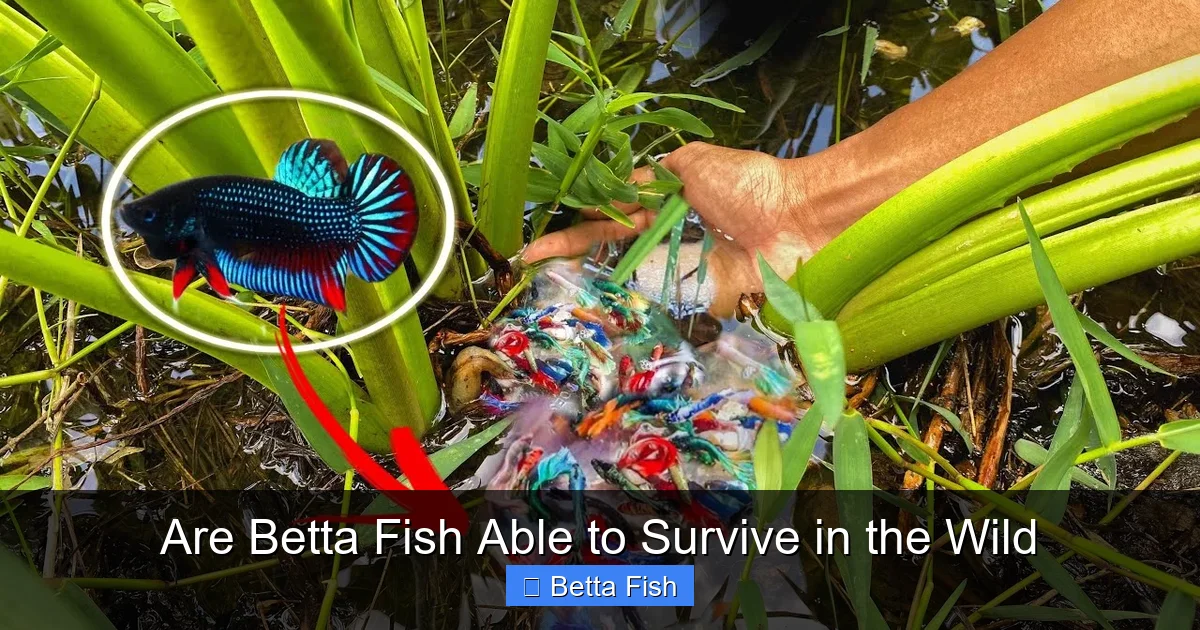
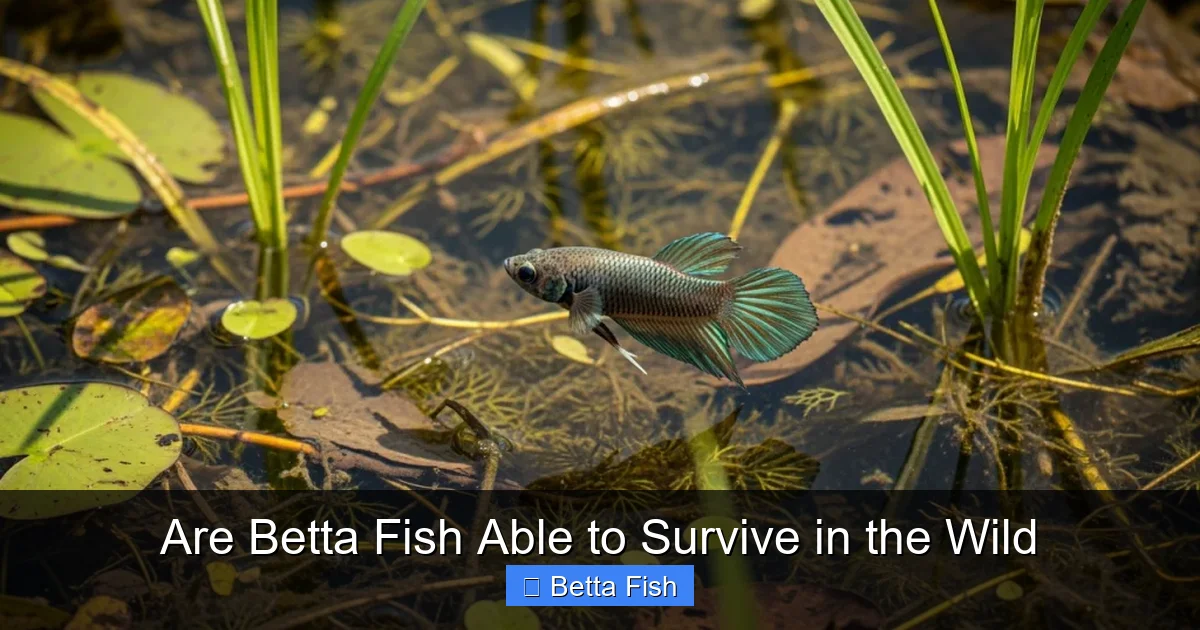
Betta fish are native to the river basins of Thailand, Laos, Cambodia, and parts of Vietnam. Their preferred habitats are shallow, stagnant pools, rice paddies, and slow‑flowing tributaries. These waters are warm (24‑30 °C), slightly acidic to neutral (pH 6.0‑7.5), and often low in dissolved oxygen.
Visual guide about Are Betta Fish Able to Survive in the Wild
Image source: i.ytimg.com
Because the water is often still, bettas have developed a special organ called the labyrinth organ, which lets them gulp air from the surface. This adaptation is a key reason they can live in oxygen‑poor environments—something many other fish cannot do.
Typical Habitat Features
- Dense vegetation: Floating leaves, moss, and submerged plants provide cover from predators and breeding sites.
- Soft, muddy substrate: Allows bettas to rest on the bottom without injuring their delicate fins.
- Seasonal water changes: During the monsoon, water depth and temperature shift dramatically, prompting breeding cycles.
For a deeper look at the exact locations, see our guide on where are betta fish in the wild.
2. Challenges Betta Fish Face in the Wild
Predators and Competition
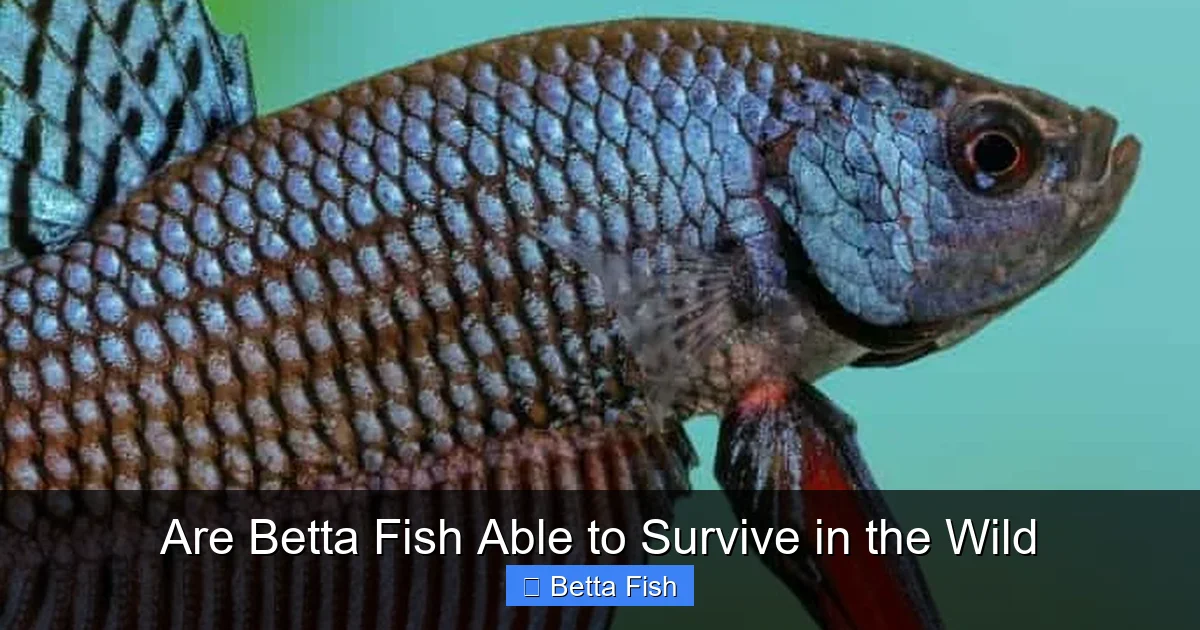
In their native wetlands, bettas share space with larger fish such as gouramis, catfish, and snakeheads. Birds, frogs, and even water insects will snap at a lone betta. Their bright colors, while attractive to us, can also make them easy targets.
Visual guide about Are Betta Fish Able to Survive in the Wild
Image source: aquariadise.com
Water Quality Fluctuations
Wild water bodies are far from stable. Rainfall can cause sudden drops in temperature, while drought can raise temperature and concentrate toxins. Betta fish can tolerate a range, but extreme swings often prove fatal.
Human Impacts
Modern agriculture has turned many rice paddies into monocultures, reducing the natural vegetation bettas need. Pesticides and fertilizers add chemical stress, while the aquarium trade removes thousands of juveniles each year, shrinking wild gene pools.
3. Captive Betta Fish: How Domestication Changes Survival Odds
Selective Breeding
Most pet bettas are the result of generations of selective breeding for color, fin length, and temperament. While this makes them stunning, it also reduces genetic diversity and can weaken traits needed for wild survival, such as disease resistance.
Visual guide about Are Betta Fish Able to Survive in the Wild
Image source: yourfishguide.com
Dietary Differences
In captivity, bettas eat formulated pellets, frozen bloodworms, and brine shrimp—nutrients that are more consistent than the insects and larvae they catch in the wild. If released, they may struggle to locate appropriate food sources.
Behavioral Conditioning
Pet bettas become accustomed to stable temperatures, regular feeding, and the lack of predators. This conditioning can make them overly bold or too timid when confronted with natural threats.
4. Can a Pet Betta Be Released Successfully?
Assessing Suitability
Before thinking about releasing a betta, you must evaluate:
- Is the water temperature within the natural range?
- Does the site have dense vegetation and shallow pools?
- Are there predators that could instantly eliminate the fish?
- Is the water free from pollutants and chemicals?
Steps for a Responsible Release
- Quarantine: Keep the fish isolated for at least two weeks to ensure it’s disease‑free.
- Acclimation: Gradually adjust the fish to the new water parameters over 24‑48 hours.
- Soft‑release: Place the betta in a protected, predator‑free section of the habitat for a few days before full release.
Even with perfect preparation, success rates are low. Most released bettas either fall prey to predators or cannot adapt to the natural diet.
5. Conservation Efforts and What Hobbyists Can Do
Protecting Natural Habitats
Conservation groups work with farmers to create “betta-friendly” rice paddies—fields that retain natural vegetation and limit chemical runoff. Supporting such initiatives helps maintain the ecosystems bettas rely on.
Responsible Breeding Practices
Choosing reputable breeders who avoid over‑collecting wild stock and who maintain genetic diversity can reduce pressure on native populations. For more tips on caring for your betta, read our article on are betta fish easy to care for.
Educating the Community
Sharing accurate information about why releasing pet fish is harmful can prevent well‑meaning but misguided releases. Encourage new owners to adopt, not release, and to provide proper long‑term care.
Conclusion: The Short Answer and the Bigger Picture
While betta fish are technically capable of surviving short periods in their natural habitats, the odds of a domesticated betta thriving long‑term in the wild are slim. Predation, water fluctuations, dietary challenges, and reduced genetic fitness all stack against them. The best way to ensure bettas continue to exist—both in tanks and in nature—is to protect their native wetlands, practice responsible breeding, and educate fellow hobbyists.
So, can betta fish survive in the wild? They can survive *if* the environment matches the precise conditions they evolved for, and if they retain the wild‑type traits lost through captive breeding. For most pet bettas, the safest and most humane choice is to enjoy them at home and support conservation projects that keep their natural homes alive.
Frequently Asked Questions
Can I release my pet betta into a local pond?
No. Local ponds often have different temperature, pH, and predator species, making survival unlikely and potentially harming native ecosystems.
Do betta fish still exist in the wild today?
Yes, small wild populations survive in Thailand, Laos, Cambodia, and Vietnam, mainly in rice paddies and shallow streams.
What makes wild bettas different from pet bettas?
Wild bettas have a broader genetic pool, stronger disease resistance, and are adapted to fluctuating water conditions, unlike the selectively bred, color‑focused pet varieties.
How can I help protect wild betta habitats?
Support sustainable rice farming practices, avoid purchasing fish sourced from wild capture, and donate to organizations that preserve Southeast Asian wetlands.
Is it legal to release pet fish into the wild?
In many regions it is illegal because released fish can become invasive or spread disease. Always check local regulations before considering release.
Can bettas survive without a filter if placed in a natural pond?
Their labyrinth organ lets them breathe surface air, but they still need clean water. A heavily polluted pond will quickly become fatal, even for wild‑type bettas.

