Can Shrimp Be with Betta Fish
Yes, certain shrimp species can often coexist with betta fish, but success is not guaranteed. It heavily depends on the individual betta’s temperament, the specific type of shrimp, and a carefully prepared aquarium environment. Hardy shrimp like Amano or Ghost shrimp are the best candidates, while small, colorful shrimp like Cherry are high-risk. A heavily planted, spacious tank with plenty of hiding spots is essential to provide shrimp with refuge from a curious or aggressive betta. Constant monitoring, especially during the initial introduction, is critical for the safety of your shrimp.
So, you’ve got a majestic, flowing-finned betta fish in a lovely tank, and you’re thinking about adding some little underwater janitors and interesting movement to the scene. The idea of a thriving nano-ecosystem with shrimp scuttling about is incredibly appealing. But then you remember your betta’s reputation: the “Siamese Fighting Fish.” The burning question echoes in your mind: Can shrimp be with betta fish? It’s one of the most common questions in the betta hobby, and the answer is a nuanced, cautious, and deeply personal “maybe.” This guide will walk you through every single factor that determines whether your betta will become a peaceful roommate or a shrimp-seeking predator. We’ll cover the science of betta temperament, the specific shrimp that stand a chance, the absolute essentials of tank setup, and the step-by-step process for a careful introduction. By the end, you’ll have the knowledge to make an informed, responsible decision for your aquatic family.
Key Takeaways
- Compatibility is a gamble: There is no 100% guarantee a betta will tolerate tank mates. The betta’s unique personality is the biggest variable.
- Shrimp species matter immensely: Choose large, hardy, non-colorful shrimp like Amano, Ghost, or Bamboo shrimp. Avoid small, red, or slow-moving shrimp like most Neocaridina species.
- Tank setup is non-negotiable: A minimum of 10 gallons, dense planting (live or silk), and abundant hardscape (driftwood, rocks, caves) are required to give shrimp escape routes and break line of sight.
- Introduction must be strategic: Add shrimp to an already established, cycled tank with a well-fed betta. Use a drip acclimation method and consider adding shrimp at night.
- You must be a vigilant observer: Watch for signs of betta aggression (flaring, chasing, nipping) for the first 48 hours. Be prepared to remove the shrimp immediately if problems arise.
- Shrimp have different needs: Research the specific care requirements (water parameters, diet) of your chosen shrimp species to ensure they align with standard betta care.
- Population control is unlikely: If you have a male and female shrimp of a breeding species, they will reproduce. A betta may eat the tiny shrimplets, but some will likely survive if hiding places are sufficient.
📑 Table of Contents
Understanding the Betta: More Than Just a “Fighter”
To predict if a betta will tolerate a shrimp, we must first understand the betta itself. The moniker “Siamese Fighting Fish” comes from their historic use in aggressive sparring matches in Southeast Asia. This history has shaped their genetics and behavior, but it doesn’t tell the whole story of the modern pet betta.
The Genetic Spectrum of Temperament
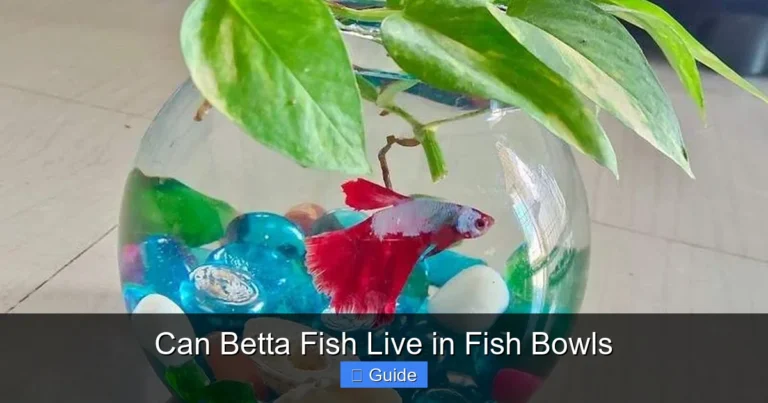
Selective breeding for the past century has focused overwhelmingly on one trait: extreme, flowing beauty. Long, delicate fins and vibrant, shimmering colors are the prizes. Unfortunately, this aesthetic focus often came at the cost of behavioral robustness. Many modern bettas have been bred for looks over hardiness or temperament. This means their aggression levels can be highly unpredictable. One betta might ignore a fly landing on its nose; another might relentlessly harass a plastic plant it perceives as a rival. This individual variability is the core reason why compatibility guides can only offer probabilities, not promises. You are working with a living, breathing individual with its own personality.
Triggers for Betta Aggression
What sets a betta off? Understanding these triggers is key to managing the environment.
- Movement: Bettas are visual hunters. Quick, darting movements—like a shrimp scurrying across the glass—can trigger a predatory chase response. This is why larger, slower-moving shrimp are often better candidates.
- Color & Shape: Bright reds, oranges, and blues can mimic the coloration of another male betta. A shrimp with vibrant coloration, especially on its body or tail, is essentially wearing a “challenge flag.” Long, flowing appendages (like the antennae of some shrimp or the fins of a fancy guppy) can also be mistaken for rival betta fins.
- Territory: Bettas are labyrinth fish that claim a specific territory, often centered around the water’s surface and a preferred resting spot (a leaf, a hammock, a cave). An intruder entering this “bubble” of space may be chased away.
- Boredom/Stress: A betta in a small, bare, or unstimulating tank has nothing to do but patrol its territory and react to any movement. A bored betta is almost always a more aggressive betta.
Best (and Worst) Shrimp Candidates for a Betta Tank
Not all shrimp are created equal in the eyes of a betta. Your choice of shrimp is your single most important decision after the betta itself. We can categorize them into tiers of risk.
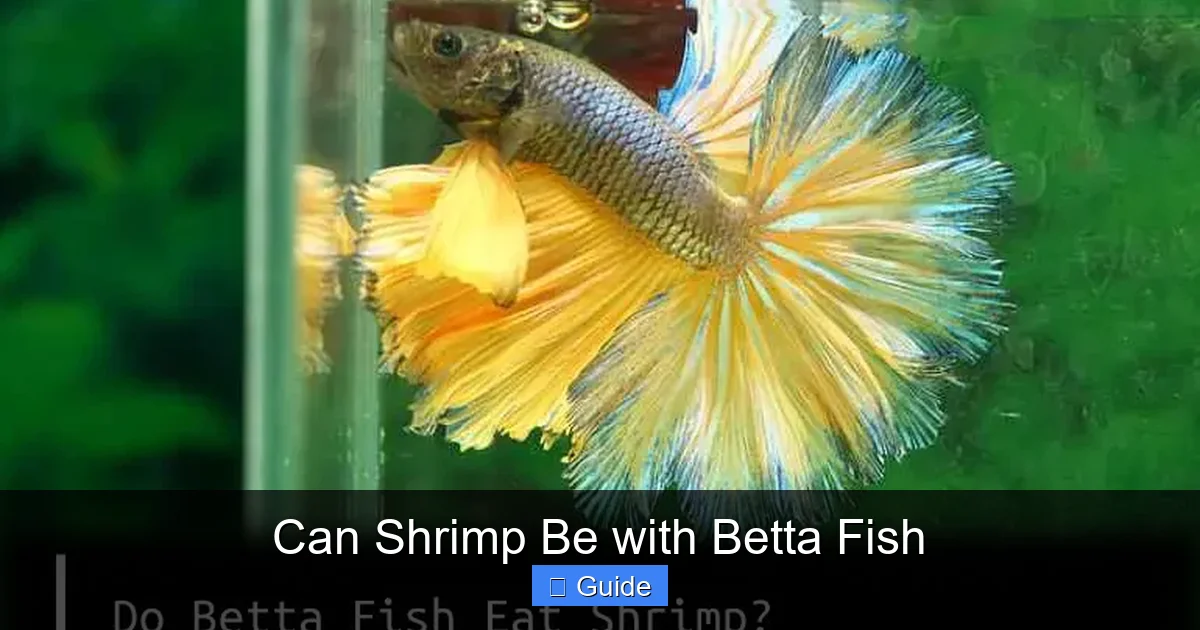
Visual guide about Can Shrimp Be with Betta Fish
Image source: fishkeepingguide.net
Tier 1: The Low-Risk, Hardy Workhorses
These are your best bets. They share key characteristics: they are relatively large (for shrimp), have dull or transparent coloration, are fast and agile, and are primarily algae grazers or scavengers, not delicate filter feeders.
- Amano Shrimp (Caridina multidentata): The gold standard for betta tanks. They grow to 2-3 inches, are translucent with rust-colored speckles, and are incredibly active algae eaters. Their speed and size make them very difficult for a betta to catch. They require slightly cooler water (68-78°F) but thrive in standard tropical parameters. They cannot breed in freshwater, so you won’t have a population explosion.
- Ghost Shrimp (Palaemonetes spp.): Another excellent, inexpensive option. Completely transparent, fast, and growing to about 1.5-2 inches. They are prolific scavengers. Their transparency is a huge advantage—a betta is less likely to “see” them as a threat or food if they are effectively invisible. They are also very easy to breed, but shrimplets may be eaten.
- Bamboo Shrimp (Atyopsis moluccensis): A fascinating filter-feeder that grows to 3-4 inches. They are peaceful, have a reddish-brown color, and spend much of their time perched on decorations with their fan-like feeding appendages outstretched. Their size and sedentary nature mean they are not seen as prey by most bettas. Critical Note: They require a well-established tank with plenty of suspended microorganisms and may need supplemental powdered shrimp food.
Tier 2: The Moderate-Risk, Colorful Colonists
These shrimp are popular but carry a significantly higher risk. They are small, often brightly colored, and are primarily in the genus Neocaridina (Cherry, Blue Velvet, Orange Sakura, etc.).
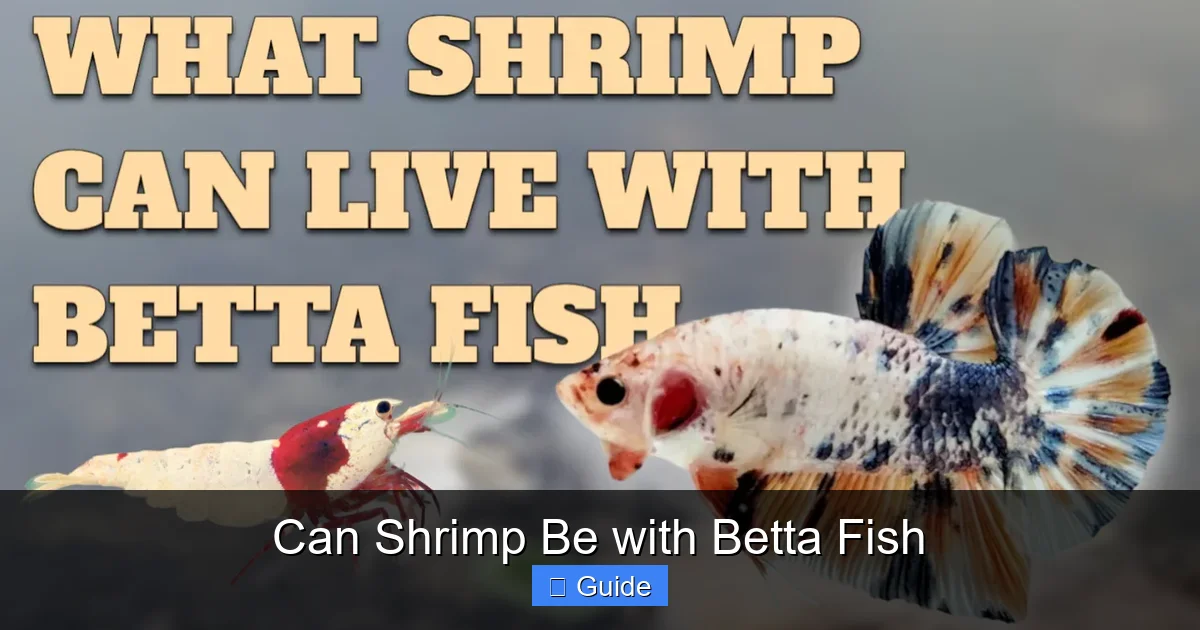
- Why they are risky: Their small size (1 inch max) and vibrant reds, blues, and oranges are a perfect storm for triggering a betta’s aggression. They are also slower breeders and more sensitive to water parameters. A curious or hungry betta can easily nip one. However, in a *massively planted, spacious* tank with a particularly docile betta, a colony can sometimes be established. It is a high-stakes gamble.
Tier 3: The High-Risk & Incompatible
Avoid these entirely with a betta.
- Small, delicate shrimp: Sexy Shrimp (Thor amboinensis) are tiny and colorful. Bee Shrimp (Caridina cantonensis) are small and have stark black/white patterns. These are essentially betta snacks.
- Freshwater Clams/Mussels: They bury themselves and create a bioload. A betta may peck at their siphons, causing stress and death.
- Any shrimp with long, flowing, colorful fins: This directly mimics a rival betta and is a guaranteed trigger.
The Non-Negotiable Tank Setup: Creating a Shrimp Sanctuary
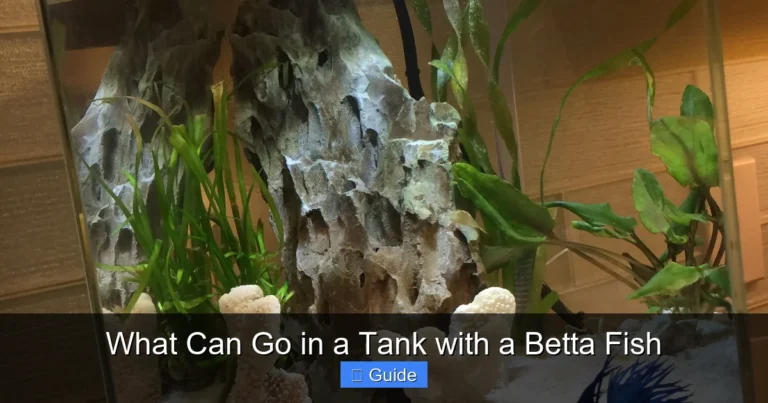
If you decide to proceed, your tank is no longer just a betta habitat; it is a community tank designed with the shrimp’s survival as a primary goal. The phrase “heavily planted” is not an exaggeration here; it is a requirement.
Visual guide about Can Shrimp Be with Betta Fish
Image source: japanesefightingfish.org
Tank Size: Bigger is Unquestionably Better
The absolute minimum is a 10-gallon (40-liter) tank. A 5-gallon tank is a guarantee of conflict—there is zero room for shrimp to escape a betta’s constant patrol. In a 10-gallon, you have zones: the betta’s surface territory, the mid-water column, and the bottom/plant-scape where shrimp can live. A 20-gallon long offers even more horizontal space, which is more valuable than vertical height for establishing territories. More space dilutes the betta’s perceived dominance and gives shrimp more routes to evade.
The Forest Floor: Dense Planting & Hardscape
Your goal is to break the line of sight. A betta cannot chase what it cannot see constantly.
- Plants: Use a mix. Floating plants (Salvinia, Duckweed, Red Root Floater) are fantastic. They diffuse light, reduce a betta’s ability to see down into the tank, and give shrimp a surface-level jungle to hide in. Stem plants (Rotala, Limnophilia, Ludwigia) grown densely create thick underwater forests. Mosses (Java Moss, Christmas Moss, Marimo Moss Balls) are shrimp paradises—they provide grazing ground and microscopic hiding places for shrimplets. Broad-leaf plants (Anubias, Java Fern) attached to driftwood provide large, flat surfaces and cover.
- Hardscape: Driftwood, lava rock, and ceramic caves are essential. Create a complex landscape with nooks, crannies, and overhangs. Shrimp will perch on driftwood and hide in the smallest gaps a betta cannot access.
Substrate and Filtration
Use a fine, inert substrate like sand or small-grain gravel. Avoid sharp edges that can damage the delicate legs and shells of shrimp. For filtration, a sponge filter is the community tank gold standard. It provides excellent biological filtration, creates gentle flow (betas hate strong currents), and the sponge itself is a massive bio-film and micro-organism factory that shrimp will graze on endlessly. It also prevents shrimp from being sucked into a power filter intake.
The Careful Introduction: A Step-by-Step Process
You have a cycled, planted, spacious tank. You have a healthy betta and your chosen hardy shrimp. Now, the most critical phase begins.
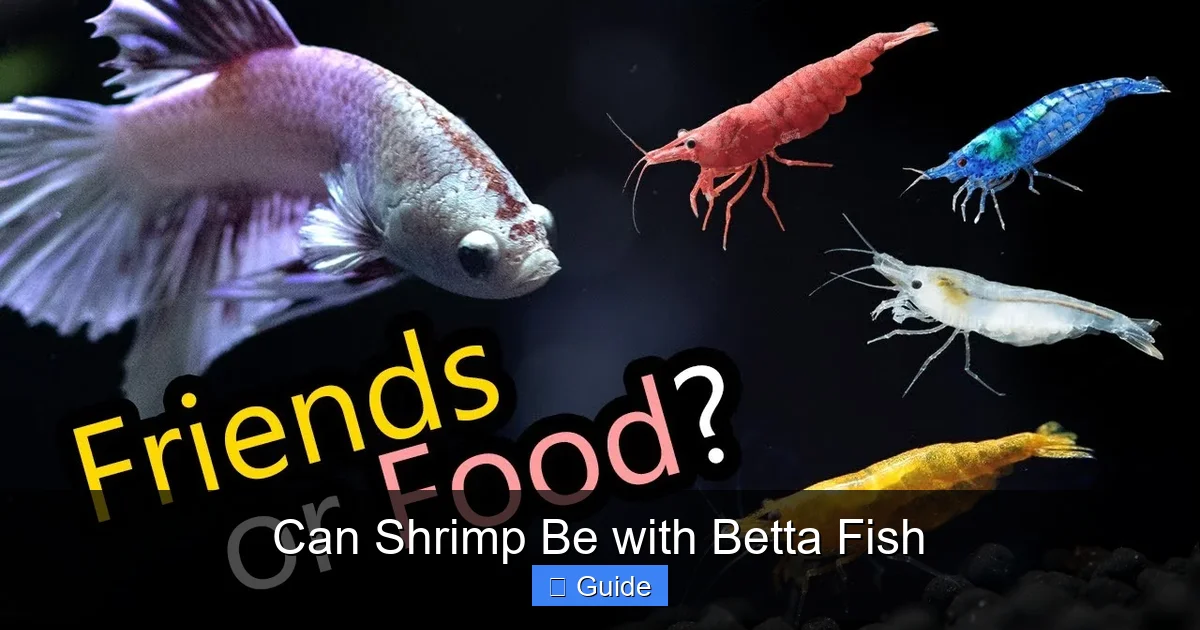
Visual guide about Can Shrimp Be with Betta Fish
Image source: i.ytimg.com
Step 1: The Betta’s Baseline
Your betta must be in the tank alone for at least a few weeks before any introduction. This establishes its territory and allows you to assess its baseline personality. Is it constantly flaring at its own reflection? Does it chase your finger? A betta that is highly aggressive towards its own image or your hand is a very poor candidate for tank mates. You want a betta that is alert but calm, that rests peacefully, and shows only mild curiosity about outside movement.
Step 2: The Perfect Timing
Introduce the shrimp when the betta is calm and well-fed. Feed your betta a substantial meal right before you plan to add the shrimp. A full betta is a less predatory betta. The best time is in the evening, just before you turn off the tank lights. This gives the shrimp the cover of darkness to find hiding spots and acclimate without being immediately spotlighted by a curious predator.
Step 3: The Drip Acclimation
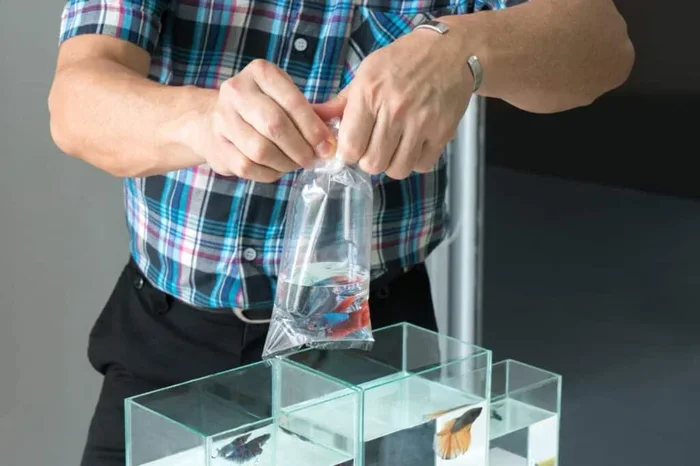
Never dump shrimp directly from the bag into the tank. The water parameters (temperature, pH, hardness) must be slowly matched. Set up a simple drip line from your tank to the shrimp bag (or a clean container holding them). Allow tank water to drip in at a rate of 1-2 drops per second for 1-2 hours. This slow process is vital for shrimp, which are more sensitive to parameter shocks than fish. After acclimation, use a net to gently transfer the shrimp into the tank, ideally near a piece of dense cover or a mossy cave.
Step 4: The 48-Hour Watch Period
For the next two days, you must be a silent, motionless observer. Do not tap on the glass. Keep other household activity near the tank to a minimum.
- Good Signs: The betta notices the shrimp, may swim over to investigate, but then loses interest and swims away. The shrimp immediately dives into plants or hardscape and stays there for hours.
- Bad Signs (Act Immediately): The betta relentlessly chases the shrimp, cornering it. The betta flares its gills and fins at the shrimp. The betta repeatedly nips at the shrimp. If you see this, you must remove the shrimp that same day. Have a hospital tank or a breeding box ready. Do not hope “they’ll work it out.” They won’t. The shrimp will be killed or stressed to death.
Long-Term Monitoring and Maintenance
Assuming the initial 48 hours pass with only mild curiosity from the betta, your work is not done.
Behavioral Cues to Watch For
Even after a peaceful start, a betta’s mood can shift. Watch for:
- Stalking: The betta slowly, deliberately follows a shrimp’s path.
- Nipping: Quick, darting bites at the shrimp’s tail or legs.
- Flaring at hiding spots: The betta sits outside a cave or thicket where shrimp are hiding, flaring its gills. This is a sign of intense frustration and could lead to attempts to dig them out.
If these behaviors become persistent, the risk is still high. You may need to consider rehoming the shrimp.
Feeding a Community
Bettas are carnivores. Shrimp are omnivores/scavengers. You need to feed for both.
- For the Betta: High-quality pellets or frozen foods (bloodworms, brine shrimp). Feed once or twice a day, only what it can eat in 2-3 minutes.
- For the Shrimp: They will clean up betta food debris, but this is not enough. Supplement with:
- Algae wafers or shrimp pellets (sinking).
- Blanched vegetables (zucchini, spinach, cucumber) tied to a rock or placed on the substrate.
- Powdered foods (like Shrimp King Complete) that float and settle for the shrimp to graze on.
Ensure food reaches the shrimp’s level. You can use a feeding ring or target feed the shrimp in a specific corner away from the betta’s usual surface patrol.
Water Quality: The Ultimate Peacekeeper
Clean water reduces stress for all inhabitants. A stressed betta is an aggressive betta. A stressed shrimp is a dead shrimp. Perform regular 25% water changes weekly. Test water parameters (Ammonia, Nitrite, Nitrate, pH) regularly. Shrimp are particularly sensitive to copper and other heavy metals found in some medications and tap water. Always use a water conditioner that detoxifies heavy metals. Ensure your filter intake is covered with a sponge to prevent any shrimp from being sucked in.
Conclusion: Is It Worth the Risk?
The question “Can shrimp be with betta fish?” is less about a simple yes or no and more about a calculated risk assessment. For the dedicated aquarist willing to invest in a proper setup, choose the right species, and commit to vigilant observation, the reward is a stunning, dynamic, and functional nano-ecosystem. Watching Amano shrimp glide gracefully through a jungle of plants while a flamboyant betta surveys its kingdom from a leaf above is a uniquely satisfying aquascaping achievement.
However, you must enter this endeavor with your eyes wide open. Have a backup plan—a separate, cycled tank ready—to house the shrimp if things go wrong. Accept that some bettas, through no fault of their own, simply cannot cohabit with anything but their own reflection. The most responsible choice is always the one that prioritizes the safety and well-being of the shrimp, the more vulnerable party in this potential relationship. If your tank is small, bare, or your betta shows any consistent signs of aggression, the kindest act is to admire shrimp and bettas separately. But if you meet all the criteria outlined here, you may just be able to create one of the most beautiful and balanced community tanks in the freshwater world.
Frequently Asked Questions
What is the absolute best shrimp to try with a betta?
The Amano shrimp is widely considered the safest and most successful tank mate for a betta due to its large size (2-3 inches), fast and agile nature, dull coloration, and its primary role as an algae eater that doesn’t trigger a betta’s predatory or territorial instincts.
Can I keep a colony of Cherry Shrimp with my betta?
It is possible but carries a high risk. Cherry shrimp are small, bright red, and slow-moving, making them prime targets. Success depends entirely on having a very docile betta and an extremely large (20+ gallons), densely planted tank where shrimp can remain hidden. Do not expect the colony to thrive; many will likely be lost.
My betta flared at the shrimp once. Should I remove them?
A single, brief flare of curiosity is not an immediate death sentence. However, you must monitor intensely for the next 48 hours. If the flaring is followed by persistent chasing, cornering, or nipping, you must remove the shrimp immediately. The key is to distinguish between a brief “What are you?” investigation and a sustained predatory or territorial attack.
Do I need a special tank for shrimp?
You need a tank that is designed *for* shrimp *and* the betta. This means a minimum of 10 gallons, a sponge filter (to prevent suction), a deep sand or fine gravel substrate, and an overwhelming amount of live plants and hardscape for hiding. A standard bare betta tank is a death trap for shrimp.
Will my betta eat baby shrimp (shrimplets)?
Almost certainly, yes. Even the most peaceful betta will likely view tiny, free-swimming shrimplets as food. However, if you have an extremely dense jungle of plants (especially mosses), a small percentage of shrimplets will survive to adulthood by hiding in the micro-fauna. This is how a colony can slowly establish over time despite heavy predation.
What should I do if my betta starts attacking the shrimp?
Act immediately. Have a separate, cycled “hospital” or backup tank ready. Use a net to carefully catch the shrimp and move them to safety. Do not delay to “see if it stops.” The stress of being chased is fatal to shrimp even if they aren’t physically caught. Once removed, you must accept that the betta and shrimp cannot live together. You can try re-homing the shrimp or, in very rare cases, attempt a re-introduction much later after rearranging the entire tank scape to disrupt territories, but this is a last resort with low success odds.