How Long Do Betta Fish Live in the Wild
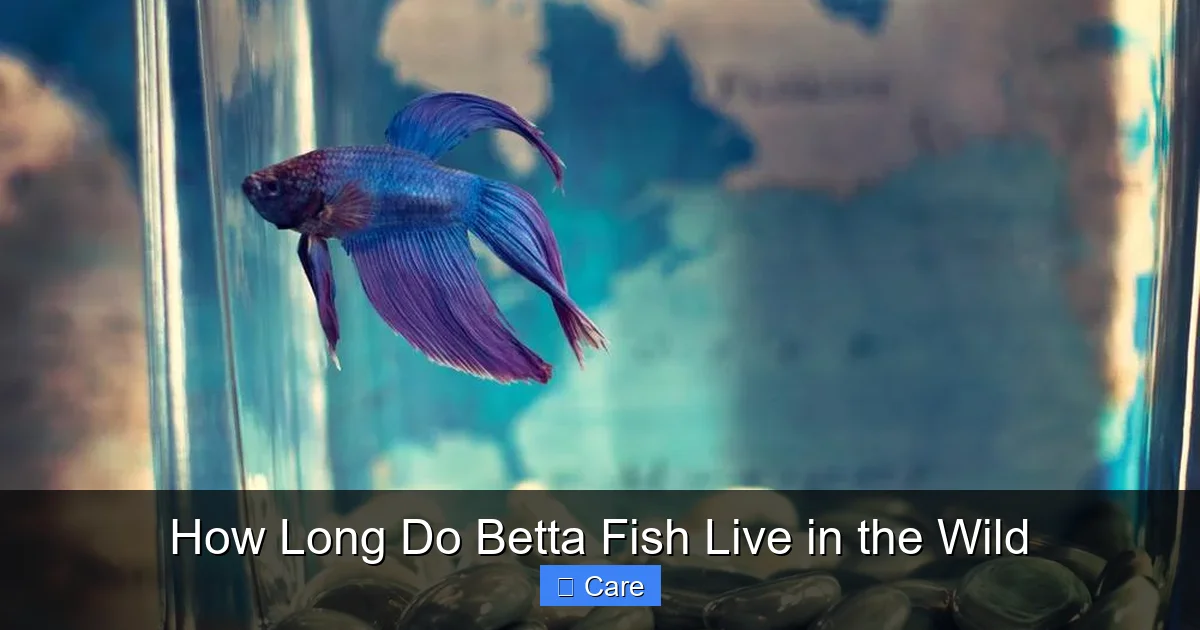
Betta fish in their natural habitats typically live 2‑4 years, though many variables can shorten or extend this span. In the wild they face predators, seasonal changes, and limited food, which differ greatly from the stable conditions of a home aquarium. Understanding these factors helps hobbyists appreciate their pets’ true nature.
Key Takeaways
- Typical lifespan: Wild bettas usually survive 2‑4 years, with some reaching up to 5 years in optimal conditions.
- Environmental stressors: Predation, water quality fluctuations, and habitat loss are the biggest threats to longevity.
- Diet matters: Access to varied insects and larvae supports better health than the limited feed many captive bettas receive.
- Temperature range: Stable warm water (24‑30 °C) promotes longer lives; sudden drops can be fatal.
- Comparison to tanks: In well‑maintained aquariums bettas often live 3‑5 years, sometimes longer with expert care.
- Conservation note: Habitat destruction in Southeast Asia is reducing wild populations, making lifespan data harder to gather.
- Practical tip: Replicating natural water parameters and providing live food can boost the health of captive bettas.
📑 Table of Contents
Introduction: Why the Wild Lifespan Matters
When you first meet a betta (Betta splendens), you’re often dazzled by the bright fins and bold personality. Most owners think of these fish as indoor companions, yet their ancestors roamed the rice paddies, streams, and flood‑plain pools of Thailand, Cambodia, and Vietnam. Knowing how long do betta fish live in the wild gives us a window into the challenges they face and helps us provide better care at home.
In this article we’ll explore the natural lifespan of wild bettas, the key factors that shape it, and how those lessons translate to aquarium keeping. We’ll also answer common questions and give you practical steps to make your pet’s life as long and happy as possible.
1. The Natural Habitat of Betta Fish
Where do bettas call home?
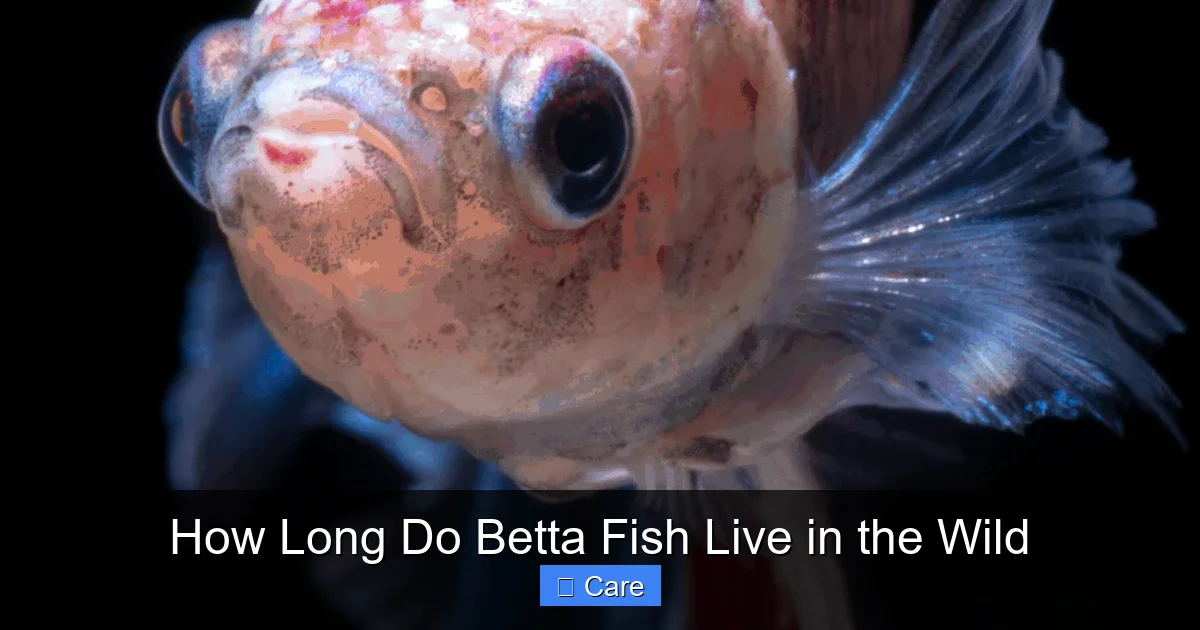
Betta fish are native to the shallow, slow‑moving waters of Southeast Asia. They thrive in rice paddies, ditches, swamps, and seasonal pools that fill during the monsoon and dry up later. For a deeper dive, check out our guide on Where Do Betta Fish Live In The Wild. These habitats are warm (often 25‑30 °C), slightly acidic to neutral (pH 5.5‑7.0), and rich in vegetation.
Visual guide about How Long Do Betta Fish Live in the Wild
Image source: tankarium.com
What makes these waters special?
- Low oxygen: Surface films of algae and decaying plant matter create oxygen‑poor conditions, which is why bettas have a labyrinth organ to breathe air.
- Variable depth: Pools can be just a few centimeters deep, forcing fish to adapt to fluctuating temperatures.
- Abundant insects: Mosquito larvae, small crustaceans, and tiny worms provide a protein‑rich diet.
2. Typical Lifespan in the Wild
What do the numbers say?
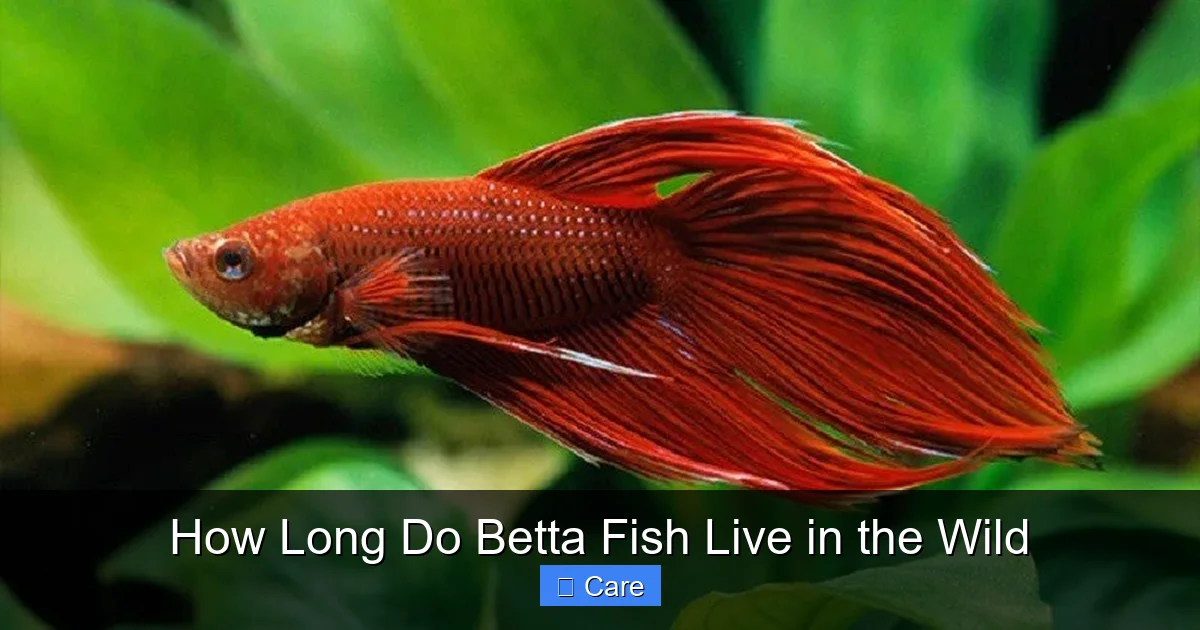
Field studies and observations from local fishermen suggest that wild bettas usually live between **2 and 4 years**. A few individuals have been reported to reach 5 years, but such cases are rare due to the harsh conditions they endure.
Visual guide about How Long Do Betta Fish Live in the Wild
Image source: petsofun.com
Why is the range so wide?
Several factors create a wide lifespan spectrum:
- Predation: Larger fish, birds, and reptiles constantly hunt bettas.
- Habitat stability: Seasonal drying can force fish into cramped refuges, increasing stress and disease risk.
- Food availability: A plentiful insect hatch can boost growth, while scarcity stalls development.
3. Factors That Influence Wild Longevity
Predators and Competition
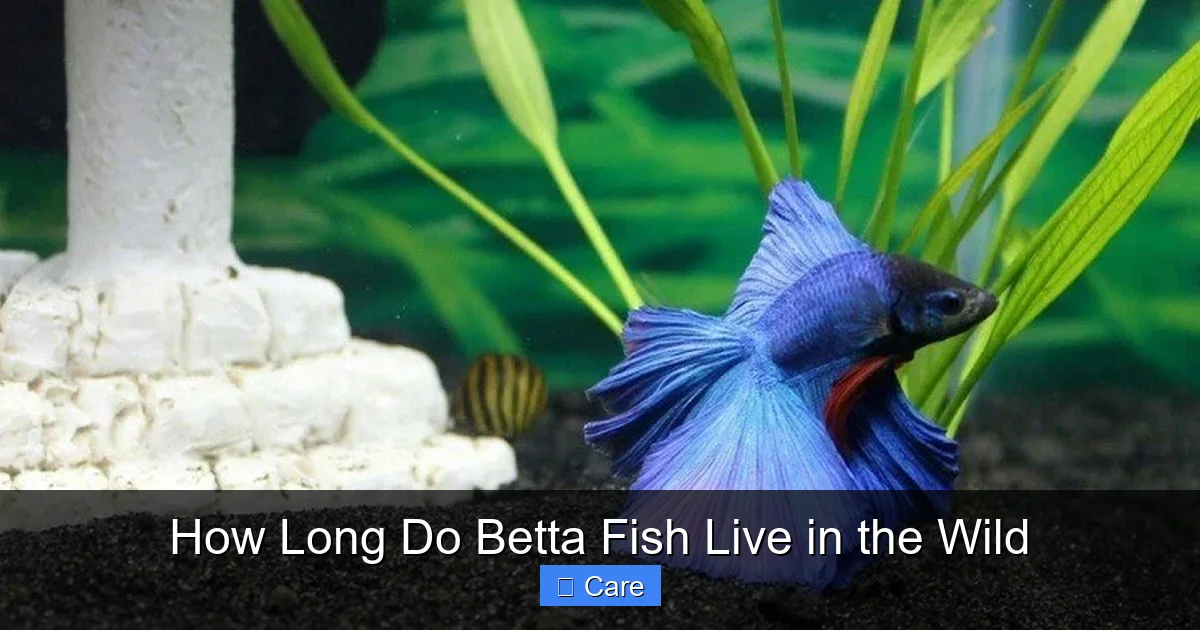
In the wild, bettas share their space with gouramis, catfish, and aggressive loaches. A single bite from a larger predator can end a betta’s life instantly. Competition for food also means weaker individuals may starve before reaching adulthood.
Visual guide about How Long Do Betta Fish Live in the Wild
Image source: petsofun.com
Water Quality and Seasonal Changes
Rainfall can dilute pollutants, but drought concentrates them. Sudden temperature swings—especially drops below 20 °C—slow metabolism and can be fatal. Wild bettas have evolved to survive these swings, but the stress shortens their overall lifespan.
Dietary Diversity
A natural diet of live insects supplies essential fatty acids, vitamins, and minerals. In captivity, many owners rely on flake or pellet food, which lacks some of these nutrients. Studies show that bettas fed live or frozen bloodworms, daphnia, and brine shrimp live up to 20 % longer than those on a strictly processed diet.
Genetics and Sex
Male bettas, known for their flamboyant fins, often expend more energy on courtship and territory defense. This extra energy demand can slightly reduce their lifespan compared to females, though the difference is marginal in the wild.
4. Comparing Wild and Captive Lifespans
What do pet bettas experience?
In a well‑maintained aquarium, bettas frequently live **3‑5 years**, with some reaching 7 years under optimal care. This is longer than the average wild lifespan because captive fish avoid predators, enjoy stable water parameters, and receive regular feeding.
Key differences at a glance
| Factor | Wild Betta | Captive Betta |
|---|---|---|
| Predation | High | None |
| Water stability | Variable | Controlled |
| Diet | Live insects | Flakes, pellets, occasional live food |
| Stress level | High | Low (if tank is set up right) |
For a deeper dive into captive longevity, see How Long Do Betta Fish Live For.
5. How to Mimic Natural Conditions at Home
Water parameters
- Temperature: Keep between 24‑30 °C (75‑86 °F). Use a reliable heater.
- pH: Aim for 6.5‑7.0. Driftwood can gently lower pH if needed.
- Hardness: Soft water (2‑8 dGH) mirrors natural habitats.
Providing live food
Supplementing a high‑quality pellet diet with a few live or frozen foods each week reproduces the nutritional profile of wild meals. Small amounts of bloodworms, daphnia, or brine shrimp are ideal.
Creating a natural environment
- Use live plants (Java fern, Anubias) to create hiding spots.
- Add a surface cover (floating leaf or moss) to mimic the thin film of vegetation bettas use for breathing.
- Consider a gentle water flow; bettas prefer calm water but benefit from occasional surface agitation.
Reducing stress
Limit exposure to bright lights and loud vibrations. Provide visual barriers (caves, plants) to give the fish a sense of security.
6. Conservation and the Future of Wild Bettas
Why are wild populations declining?
Rapid agricultural expansion, pesticide runoff, and urban development are destroying the shallow wetlands bettas depend on. Climate change also alters monsoon patterns, leading to longer dry periods.
What can hobbyists do?
- Support sustainable aquarium trade practices that source captive‑bred bettas.
- Donate to NGOs working to preserve Southeast Asian wetlands.
- Educate others about the importance of natural habitats.
Conclusion
Understanding how long do betta fish live in the wild reveals a story of resilience against predators, fluctuating waters, and limited food. While the average wild lifespan is 2‑4 years, careful aquarium care can extend that to 5 years or more, offering a healthier, longer life for your finned friend. By replicating natural conditions, feeding a varied diet, and staying mindful of conservation, you honor the betta’s wild heritage while enjoying its vibrant presence in your home.
Frequently Asked Questions
How long do betta fish typically live in the wild?
Wild bettas usually live 2‑4 years, with a few individuals reaching up to 5 years under ideal conditions.
What are the biggest threats to wild betta longevity?
Predation, habitat loss, water quality fluctuations, and inconsistent food supply are the primary factors that shorten their lives.
Can I extend my pet betta’s life by mimicking wild conditions?
Yes. Keeping temperature stable, offering live or frozen foods, and providing plants and surface cover can boost health and potentially add years to their lifespan.
Do betta fish in captivity live longer than those in the wild?
Generally, yes. Captive bettas often reach 3‑5 years, sometimes longer, because they avoid predators and experience stable water conditions.
Is it legal to collect wild bettas for the aquarium trade?
Most reputable dealers now sell captive‑bred bettas to protect wild populations, and many countries have regulations limiting wild collection.
How does diet affect a betta’s lifespan?
A varied diet rich in live insects provides essential nutrients that improve immune function and can extend both wild and captive lifespans.