Where Are Betta Fish in the Wild
Betta fish, often misunderstood as tiny puddle-dwellers, are actually complex freshwater fish native to the lush, shallow ecosystems of Southeast Asia. They thrive in the tropical floodplains, slow-moving streams, and vast rice paddies of countries like Thailand, Cambodia, and Vietnam. In the wild, they are skilled predators with a labyrinth organ for breathing air, and their famous aggression is primarily reserved for rival males during breeding. Understanding their natural environment is crucial for appreciating these fish and providing better care for them in captivity.
Key Takeaways
- True Native Range: Wild bettas (Betta splendens) are indigenous to the Chao Phraya and Mekong river basins in Thailand, Cambodia, Laos, and southern Vietnam.
- Habitat Reality: They inhabit shallow, slow-moving or still waters like floodplains, marshes, rice paddies, and drainage ditches, not just tiny puddles.
- Adaptations for Survival: Their labyrinth organ allows them to breathe atmospheric air, a key adaptation for surviving in warm, oxygen-poor waters.
- Wild vs. Pet Behavior: Wild males are territorial and aggressive toward other males, but they are not inherently violent; this behavior is linked to breeding and resource defense.
- Diet and Lifestyle: They are carnivorous micro-predators, feeding on insects, larvae, and small crustaceans, not plant matter.
- Conservation Status: Wild populations face threats from habitat loss, pollution, and hybridization with released pet bettas, though they are currently listed as “Vulnerable” by the IUCN.
- Importance for Hobbyists: Replicating aspects of their wild environment—warm water, surface access, hiding places, and a protein-rich diet—leads to healthier, more active captive bettas.
📑 Table of Contents
- Untangling the Myth: The Real Home of the Betta Fish
- The Southeast Asian Stage: Geography and Native Range
- More Than Just Puddles: Understanding Their Natural Habitat
- The Betta’s Toolbox: Astonishing Adaptations for a Challenging World
- A Day in the Life: Wild Betta Behavior and Ecology
- Perils in Paradise: Threats to Wild Betta Populations
- From Wild to Wonderful: What This Means for Betta Keepers
- Conservation and the Future: Our Role in Protecting Wild Bettas
- Conclusion: A Window into a Wild World
Untangling the Myth: The Real Home of the Betta Fish
When you picture a betta fish, what comes to mind? A vibrant, flaring creature confined to a tiny, decorative vase on a desk? This pervasive image, while common, is a profound misunderstanding of one of the world’s most fascinating freshwater fish. The question “where are betta fish in the wild?” opens a door to a much richer and more complex reality than most people imagine. These fish, scientifically known as Betta splendens, are not diminutive citizens of isolated rainwater puddles. They are native, robust, and beautifully adapted residents of some of Southeast Asia’s most dynamic and productive shallow water ecosystems.
To truly understand the betta, we must journey to the tropical heart of Southeast Asia. We’ll explore the dense, warm floodplains where they evolved, uncover the remarkable biological adaptations that allow them to thrive in challenging conditions, and observe their nuanced behaviors in a natural context. This knowledge isn’t just academic; it’s the foundation for ethical and successful betta keeping. By seeing the wild betta, we can better appreciate the animal in our aquariums and become more responsible stewards of its species, both captive and wild.
The Southeast Asian Stage: Geography and Native Range
The story of the wild betta begins with geography. Betta splendens is endemic to the continental shelf of Southeast Asia, specifically within the vast drainage basins of two mighty river systems. Their native range is not a scattered collection of ponds but a contiguous, seasonally flooded landscape shaped by monsoon cycles.
Visual guide about Where Are Betta Fish in the Wild
Image source: i.ytimg.com
The Chao Phraya and Mekong Basins
The epicenter of wild betta distribution is the Chao Phraya River basin in central Thailand. This network of rivers and tributaries flows through Bangkok and into the Gulf of Thailand. Adjacent and sprawling to the east and north is the even more extensive Mekong River basin, which touches Thailand, Laos, Cambodia, and Vietnam. Historically, wild bettas were most abundant in the lowland areas of central Thailand’s Chao Phraya basin, particularly in the provinces of Samut Prakan, Samut Sakhon, and Nonthaburi, where the river fans out into a wide, muddy delta.
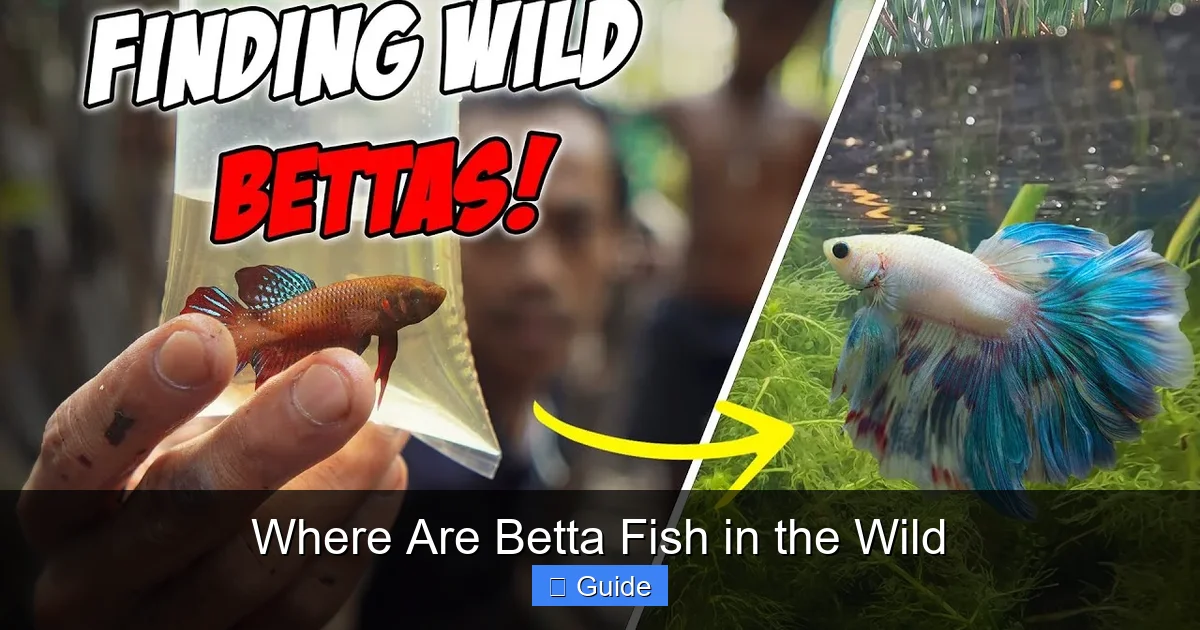
Their range extends into the Tonle Sap lake and river system in Cambodia—a remarkable ecological wonder where the river flow reverses seasonally—and into the southernmost reaches of Vietnam’s Mekong Delta. Isolated populations may also exist in parts of Laos and Myanmar, but Thailand remains the undisputed heartland of Betta splendens. It’s crucial to note that while other Betta species exist across a wider swath of Southeast Asia (from India to Indonesia), when we speak of the “betta fish” or “Siamese fighting fish,” we are almost always referring to B. splendens and its specific native range.
More Than Just Puddles: Understanding Their Natural Habitat
The iconic image of a betta in a solitary, tiny puddle is a dramatic oversimplification born from a partial truth. Yes, during the dry season, water bodies can shrink and become isolated. But this is a temporary, extreme condition, not the ideal or permanent home. To picture the wild betta’s true habitat, imagine a vast, shimmering mosaic of shallow wetlands.
The Floodplain Ecosystem
Wild bettas are quintessential inhabitants of tropical floodplains. These are flat, low-lying areas adjacent to rivers that flood annually during the monsoon season. When the waters rise, the bettas are dispersed into a newly created aquatic world: the rice paddies, marshes, swamps, and slow-moving side channels (oxbow lakes) of the main river. Here, the water is typically stained a dark tea color (“blackwater”) from decomposing leaf litter and organic matter, soft and acidic, and often quite warm under the tropical sun—consistently between 75°F and 85°F (24°C–29°C). The water movement is negligible; it is the definition of still or sluggish.
These habitats are densely vegetated with aquatic plants like Cryptocoryne, Vallisneria, and floating species like water lettuce and hyacinth. This plant life is critical. It provides oxygen, filtration, hunting grounds for prey, and, most importantly, dense cover from predators and from each other. A wild betta’s world is one of vertical complexity: roots and stems diving into the water, leaves floating on the surface, and a canopy of overhanging vegetation above.
Not a Desert Island, but a Connected Community
The seasonal isolation of water pockets is real, but it’s not the norm. For much of the year, these habitats are interconnected. A betta’s territory might encompass a section of a drainage ditch, a cluster of water hyacinth roots, and a quiet backwater area. They share these spaces with a host of other organisms: tiny shrimp, snails, mosquito larvae, other small fish like rasboras and barbs, and countless invertebrates. This biodiversity is their larder and their social context. The “puddle” narrative also ignores the fact that during the wet season, these networks become vast, open waterways, and bettas are adept swimmers that can move through them.
The Betta’s Toolbox: Astonishing Adaptations for a Challenging World
How does a fish survive and thrive in warm, stagnant, often oxygen-deprived water? The betta’s answer is one of the most remarkable evolutionary innovations in the fish world: the labyrinth organ.
Visual guide about Where Are Betta Fish in the Wild
Image source: fishlaboratory.com
The Labyrinth Organ: Breathing Air
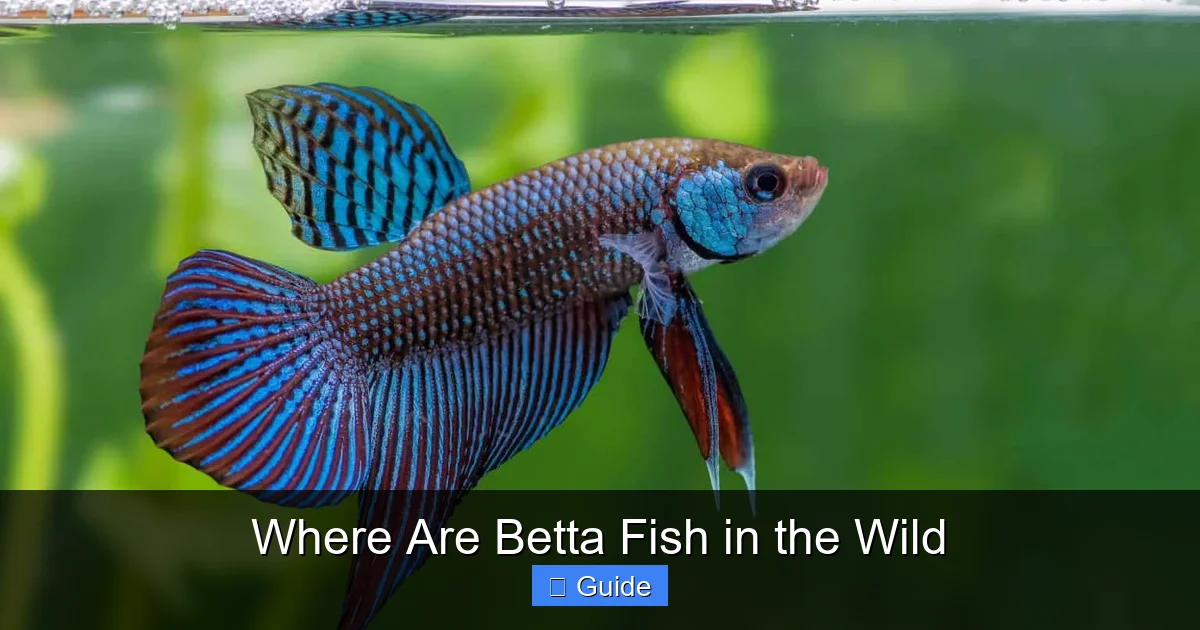
Found in fish of the Anabantoidei suborder (including gouramis and paradise fish), the labyrinth organ is a folded, vascularized structure located in a chamber above the gills. It allows the betta to gulp air from the surface and extract oxygen directly into its bloodstream. This is not a supplement; it is a necessity. In their murky, warm wild waters, dissolved oxygen levels can plummet, especially at night when plants respire. The betta’s constant trips to the surface to take a “breath” are a direct window into this ancient adaptation. In captivity, this is why a betta *must* have access to the water’s surface; a lidless tank or a deep, narrow vase is not just stressful, it can be fatal as it impedes this vital respiration.
Physical and Behavioral Adaptations
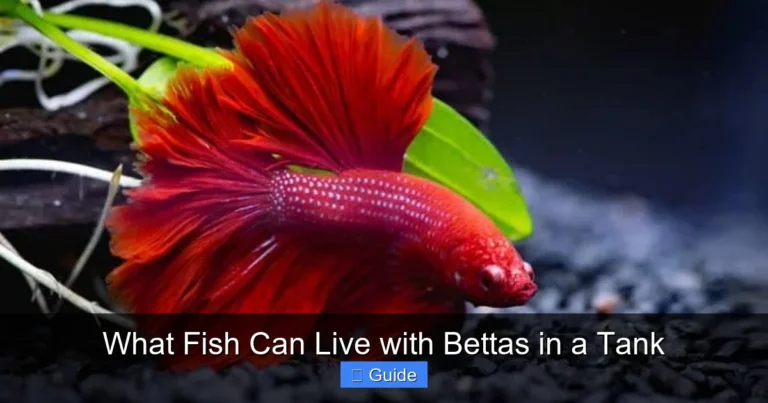
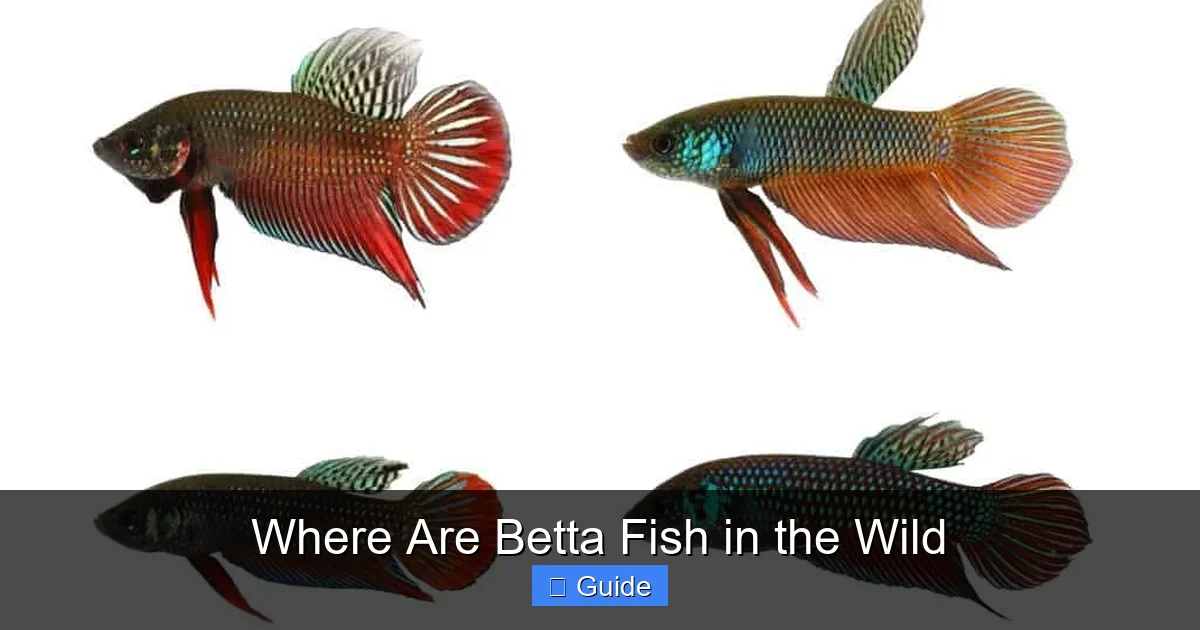
Their body is built for their environment. The elegant, flowing fins of the modern pet betta are a product of selective breeding. Wild bettas have much shorter, more practical fins—a adaptation for efficient movement in dense vegetation and to reduce the risk of fin-nipping from aquatic insects or damage from plant matter. Their body is more torpedo-shaped. Their eyes are positioned high on the head, allowing them to scan the surface and above-water world for insects (their primary prey) while the rest of their body remains camouflaged below.
Perhaps their most famous adaptation is the ability to flare. The spectacular display—gills flared, body stretched, fins extended—is a form of communication. In the wild, it serves multiple purposes: intimidating a rival male encroaching on a territory, attracting a female during courtship, and even deterring potential predators by appearing larger and more formidable. This behavior is triggered by the sight of another male, a rival’s reflection, or sudden changes in the environment.
A Day in the Life: Wild Betta Behavior and Ecology
Observing a wild betta in its native Thailand reveals a creature of surprising sophistication, far from the mindless aggression often attributed to it. Its life is a careful balance of energy conservation, predation, and reproduction.
Visual guide about Where Are Betta Fish in the Wild
Image source: i.ytimg.com
The Solitary Territorialist
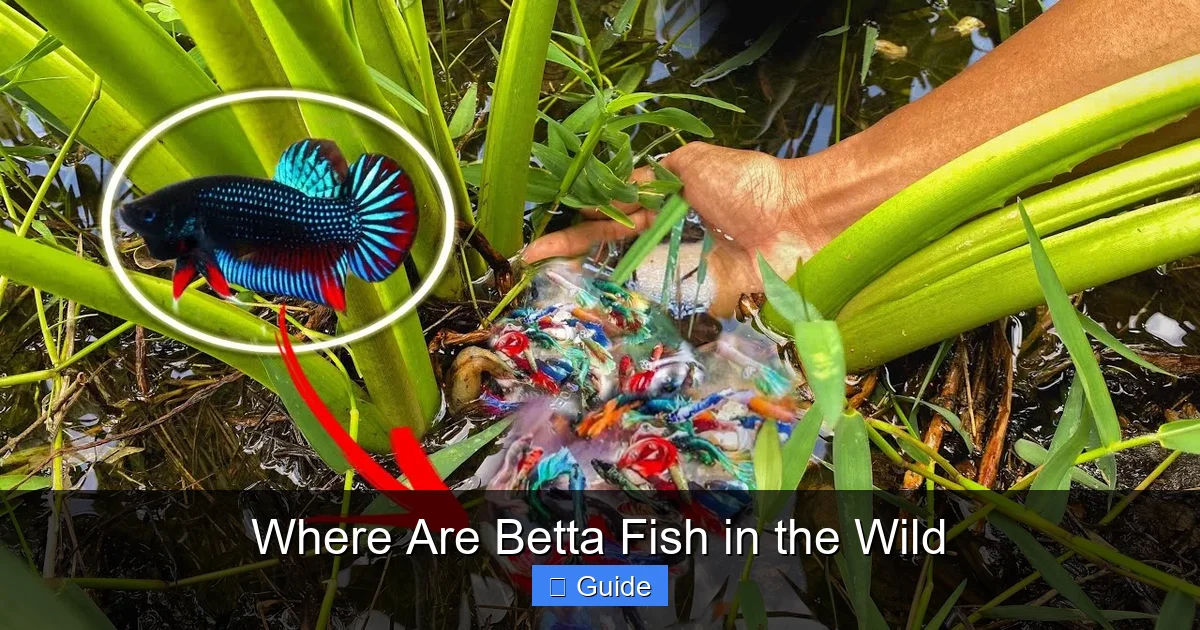
Male wild bettas are fiercely territorial, but their territory is not a barren patch of water. It is a carefully chosen, resource-rich area centered around a prime bubble nest site. The male selects a location under an overhanging leaf or among dense plant roots. He then laboriously gathers air bubbles from the surface, coating them with a saliva-like secretion that increases surface tension, and constructs a floating dome-shaped nest. This nest is the focal point of his existence. He will defend this small, precious area—often just a few square feet—from any intruding male betta with escalating displays of flaring and, if necessary, combat. However, outside of these territorial disputes, they are generally solitary and avoid unnecessary conflict, a strategy for conserving energy in an environment where food can be sporadic.
The Hunting Micro-Predator
Betta splendens are carnivores. Their diet consists of terrestrial insects that fall onto the water’s surface (ants, beetles, flies), mosquito larvae, tiny crustaceans (like Daphnia and copepods), and aquatic insect larvae. They are ambush predators. Using their incredible camouflage and patient stillness, they will hover near the surface or among plants, then lash out with a suction-feeding strike to capture prey. They are not filter feeders; they require meaty foods. This hunting strategy explains why they prefer the upper half of the water column in captivity and why a diet of solely flake food is inadequate for their long-term health.
Courtship and the Bubble Nest
The iconic bubble nest is not just a structure; it’s a centerpiece of reproduction. When a gravid (egg-bearing) female enters a male’s territory, a complex courtship dance begins. The male performs a vibrant display, leading the female to the nest. If she is receptive, she will approach, and the pair will engage in a “nuptial embrace,” where the male wraps his body around the female and she releases eggs, which he immediately fertilizes and scoops into his mouth. He then carefully places each egg into the protective bubbles of the nest. After spawning, the male chases the female away (she might eat the eggs) and assumes sole custody. He meticulously tends the nest, retrieving any fallen eggs or fry, and fiercely guards it for 2-3 days until the fry (baby bettas) hatch and begin their lives in the safety of the bubbles, eventually becoming free-swimming.
Perils in Paradise: Threats to Wild Betta Populations
Despite their legendary resilience, wild betta populations are under significant pressure. The International Union for Conservation of Nature (IUCN) lists Betta splendens as Vulnerable, a status indicating a high risk of endangerment in the wild. Their native habitats are some of the most threatened on the planet.
Habitat Loss and Degradation
The primary threat is the wholesale destruction of their wetland homes. Southeast Asia has experienced rapid agricultural intensification, particularly the expansion of large-scale, mechanized rice farming and palm oil plantations. Traditional, small-scale, seasonal rice paddies—which often supported diverse aquatic life—are being replaced. Wetlands are drained for urban development, industrial estates, and aquaculture (shrimp and fish farms). Pollution from agricultural runoff (pesticides, fertilizers), industrial waste, and untreated sewage degrades water quality, making it toxic for sensitive wild bettas and their prey. The tea-colored, soft, acidic waters they require are easily disrupted by siltation and chemical changes.
Genetic Dilution and Hybridization
This is a less visible but equally insidious threat. Millions of bettas are bred in captivity for the aquarium trade. When hobbyists release unwanted pet bettas into the wild—either in Southeast Asia or, more commonly, in non-native ecosystems like Florida or Singapore—these fish can interbreed with native populations. Pet bettas have been selectively bred for extreme finnage and color for generations, traits that are maladaptive in the wild (long fins hinder movement, bright colors attract predators). This “genetic pollution” can dilute the hardy, locally adapted gene pool of wild bettas, potentially weakening the overall population’s fitness and resilience.
From Wild to Wonderful: What This Means for Betta Keepers
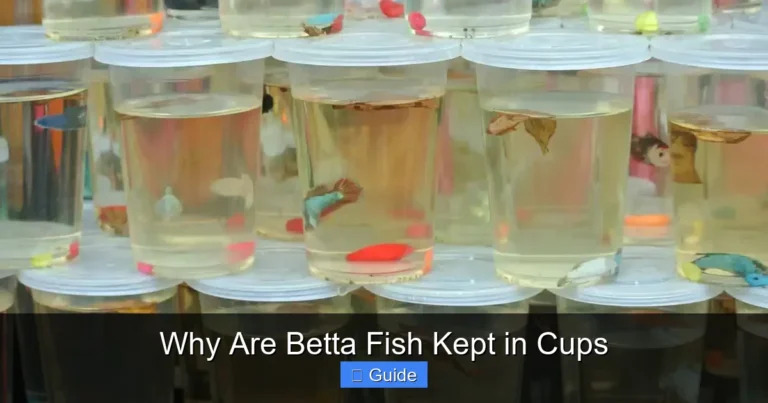
Understanding the wild betta is the single most important step in becoming an excellent, ethical caretaker for a captive one. The disconnection between the pet store betta in a tiny cup and its wild ancestor is the root cause of most common husbandry mistakes.
Mimicking the Wild in Your Home Aquarium
Your goal should be to create a micro-habitat that honors their evolutionary design. Start with space. A 5-gallon tank is the absolute bare minimum; 10 gallons or more is vastly preferable. This allows for stable water parameters and mimics the spaciousness of a floodplain. Water temperature must be tropical, maintained between 78°F and 80°F (25.5°C–27°C) with a reliable heater. Access to the air-water interface is non-negotiable. Use a tank with a large surface area (not a tall, narrow vase) and never use a tight-fitting lid that blocks surface access.
Recreate the vegetative complexity. Use live plants like Anubias, Java fern, and Cryptocoryne attached to driftwood or rock. Floating plants (duckweed, frogbit) are essential; they provide cover, reduce stress, and are natural betta perches from which they survey their territory and gulp air. Provide smooth, leaf-like structures or a betta hammock near the surface for resting. Use a gentle filter (a sponge filter is ideal) to provide clean water without creating a current that would exhaust them, as they are adapted to still waters.
Diet: Thinking Like a Micro-Predator
Ditch the flake food-only diet. Emulate their wild protein-rich menu. Offer a variety of high-quality foods: frozen or live daphnia, brine shrimp, bloodworms, and micro-pellets formulated for insectivorous fish. Feed small amounts once or twice a day, only what they can consume in 2-3 minutes. This dietary diversity promotes vibrant color, strong fins, and robust health. Remember, in the wild, they would not eat every day; a fasting day once a week can be beneficial for digestion.
Behavioral Insight: Understanding Flaring
When your betta flares at you, your phone, or its reflection, it is exhibiting a natural, instinctual behavior. It is not necessarily “angry.” It is communicating. To reduce chronic stress from constant flaring (which can weaken the immune system), ensure the tank has ample visual barriers—plants, decorations—so the betta cannot see its own reflection constantly or feel exposed on all sides. A confident, well-decorated betta in a suitable tank will flare less frequently and be a more peaceful, active inhabitant of its space.
Conservation and the Future: Our Role in Protecting Wild Bettas
The story of the betta doesn’t end with better aquarium care. As hobbyists, we have a responsibility to the species we admire. The vibrant bettas in our tanks are ambassadors for their wild cousins facing a precarious future.
Supporting Ethical Sources and Habitat Protection
Be an informed consumer. Support reputable breeders and sellers who maintain healthy, genetic lines and do not engage in the harmful practice of “cup fighting” (placing multiple males in tiny containers to provoke fights for spectacle). Avoid buying bettas that are kept in poor conditions at chain stores; your purchase can perpetuate the cycle. More directly, support organizations working to protect Southeast Asian wetlands. Groups like the IUCN, WWF, and local Thai and Cambodian conservation NGOs are working on habitat preservation, sustainable land-use planning, and community-based conservation in the Mekong and Chao Phraya basins. Protecting these wetlands conserves not just bettas, but countless other species and the ecological services (water filtration, flood control) they provide to millions of people.
Never Release Pets
This cannot be stressed enough. If you can no longer care for your betta, do not release it into a local pond, stream, or sewer. It will likely die from temperature shock, predation, or lack of suitable food. Worse, if it survives, it could potentially establish a population (as has happened in parts of the U.S. and Singapore), becoming an invasive species that outcompetes native fish and disrupts local ecosystems. Find a new home for it through a local fish club, rescue group, or a responsible store that will take it back.
Conclusion: A Window into a Wild World
The question “where are betta fish in the wild?” leads us from a stereotype to a saga. It reveals a fish of the lush, expansive, seasonally flooded wetlands of Southeast Asia—a master of air-breathing, a patient micro-predator, a devoted bubble-nest builder, and a territorial but energy-conscious resident of a biodiverse community. They are not destined for a solitary vase; they are creatures of complex, vegetated shallow waters.
This knowledge transforms our perspective. The betta in your care is not a decorative object but a link to this wild heritage. By providing a spacious, warm, planted tank with surface access and a protein-rich diet, you are not just keeping a pet; you are honoring an evolutionary blueprint. And by spreading awareness about their vulnerable wild status and the threats they face, we can all contribute to ensuring that the wild, shimmering populations of Betta splendens continue to thrive in the sun-drenched floodplains of Thailand and Cambodia for generations to come. The next time you see a betta flare, remember: you’re not just seeing a pretty fish. You’re witnessing the echo of a wild instinct, a behavior forged in the deep, warm, vegetated waters of a distant, beautiful homeland.
Frequently Asked Questions
Do betta fish really live in small puddles in the wild?
While they can survive in isolated, shallow water during the dry season, their primary natural habitat is the vast, interconnected shallow floodplains, rice paddies, and slow-moving streams of Southeast Asia. These are expansive, plant-rich ecosystems, not tiny, barren puddles.
What is the labyrinth organ and why is it important for a pet betta?
The labyrinth organ is a specialized breathing structure that allows bettas to gulp air from the water’s surface. It is a critical adaptation for surviving in their wild, oxygen-poor waters. For pet bettas, this means they must have constant, unobstructed access to the water’s surface to breathe air; a deep, narrow vase without surface access is deadly.
What do wild betta fish eat?
Wild bettas are carnivorous micro-predators. Their diet consists of insects and larvae that fall on the water’s surface (like ants and mosquitoes), tiny crustaceans (such as Daphnia), and other small aquatic invertebrates. They do not eat plant matter in the wild.
Are wild bettas as aggressive as my pet betta?
Wild male bettas are territorial and will aggressively defend their bubble nest and a small living area from other males. However, this aggression is specific to rival males and is linked to breeding and resource defense. They are not constantly violent; outside of territory disputes, they are solitary and avoid conflict to conserve energy.
Why are wild betta populations considered vulnerable?
Wild bettas face threats from massive habitat destruction due to agricultural expansion, urban development, and pollution in Southeast Asia. A major hidden threat is genetic dilution from released pet bettas that can interbreed with wild populations, introducing maladaptive traits like large fins and bright colors that reduce survival chances.
How can I, as a betta keeper, help wild betta conservation?
You can help by providing the best possible care that mimics their wild needs (spacious tank, warm water, live plants, surface access, proper diet), which reduces the demand for wild-caught specimens. Most importantly, never release a pet betta into the wild, as it can become invasive or harm native populations through disease and hybridization. Support ethical breeders and conservation organizations working in Southeast Asia.