When Do I Feed My Betta Fish

Knowing when to feed your betta fish is one of the most important parts of betta fish care. The best time to feed your betta is once or twice a day, ideally in the morning and evening. A consistent feeding routine keeps your fish healthy, active, and happy.
If you own a betta fish, you have probably wondered about the best betta fish feeding schedule. Feeding your betta at the right time matters more than most people think. It affects their energy, digestion, and even their lifespan. A lot of new fish owners make mistakes here, and those mistakes can lead to serious health problems.
The good news is that setting up a proper feeding routine is simple. Once you understand how a betta’s stomach works and what they need, everything falls into place. This guide will walk you through everything you need to know about when to feed your betta fish. You will learn the best times of day, how often to feed, and how much food is just right.
Betta fish are tropical creatures that thrive on consistency. In the wild, they eat small insects and larvae throughout the day. Your job is to recreate that pattern in a home tank. Whether you are a complete beginner or have had bettas for years, this article will give you practical tips you can use right away.
Key Takeaways
- Feed your betta fish 1-2 times daily: A consistent schedule supports digestion and overall health.
- Morning and evening feedings work best: This mimics their natural eating patterns in the wild.
- Portion size matters: Only give what your betta can eat in 2-3 minutes to avoid overfeeding.
- Watch for hunger cues: A hungry betta will show excitement at feeding time, which helps you gauge the right amount.
- Skip occasional meals: Fasting once a week helps prevent constipation and bloating.
- High-quality pellets are the staple: Supplement with live or frozen food for variety and nutrition.
📑 Table of Contents
- Understanding Your Betta Fish’s Natural Eating Habits
- The Best Time of Day to Feed Your Betta Fish
- How Often Should You Feed Your Betta Fish?
- How Much Food Should You Give at Each Feeding?
- Creating a Consistent Feeding Schedule
- Signs Your Betta Fish Is Hungry or Overfed
- Common Feeding Mistakes to Avoid
- Expert Tips for a Perfect Betta Feeding Routine
- Conclusion
Understanding Your Betta Fish’s Natural Eating Habits
Before we dive into schedules, it helps to understand how bettas eat in their natural habitat. Bettas come from the warm, slow-moving waters of Southeast Asia. They are opportunistic feeders, which means they eat whenever food is available. In the wild, they graze on small insects, larvae, and tiny crustaceans throughout the day.
This natural behavior tells us something important. Bettas do not need one big meal. They do better with smaller, more frequent feedings. Replicating this pattern in your home tank is the foundation of a good betta fish diet.
How a Betta’s Stomach Works
A betta fish’s stomach is tiny, about the size of their eye. This means they cannot handle large meals. Many owners overfeed because their betta seems hungry, but a betta’s stomach fills up fast. Overfeeding leads to bloating, constipation, and poor water quality. Understanding this helps you feed smarter, not more.
When you think about how much to feed a betta fish, always remember the 2-minute rule. If your betta finishes food in under 2 minutes, the portion is about right. Any leftover food sinks to the bottom and ruins your water quality fast.
The Best Time of Day to Feed Your Betta Fish
Now let us get to the core question: when do you feed a betta fish? The answer depends on your schedule, but there are clear best practices backed by fish care experts.
Morning Feeding: The Most Important Meal
Most experts agree that the morning feeding should be your primary meal. This is when your betta is most active and ready to eat. A good morning feeding routine sets the tone for the entire day. It also gives you time to observe your fish and check for any signs of appetite changes.
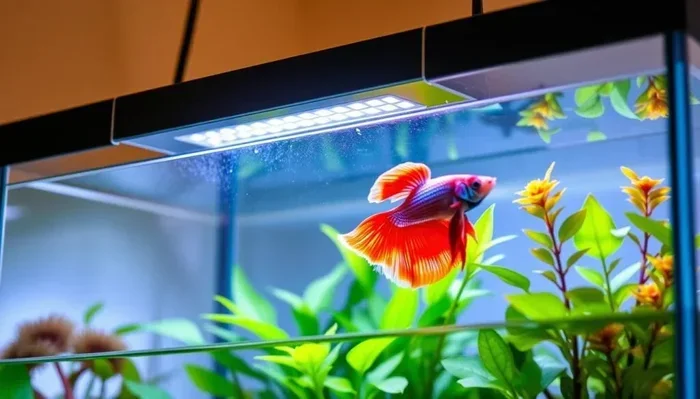
Try to feed your betta within an hour of turning on your tank lights. The light signals their natural waking cycle. When the light comes on, a healthy betta should show excitement and swim toward the surface. This behavior tells you they are ready for their morning betta fish meal.
Evening Feeding: A Smaller Second Meal
If you want to feed twice a day, an evening feeding works well. Keep this meal smaller than the morning one. A good rule is to give about half the morning portion in the evening. This two-meal approach closely matches what bettas experience in their natural environment.
However, not everyone can feed twice a day. If your schedule does not allow it, one solid daily feeding is perfectly fine. Many experienced betta keepers feed just once a day and their fish thrive. The key is consistency, no matter which schedule you choose.
How Often Should You Feed Your Betta Fish?
This is one of the most searched questions among betta owners, and for good reason. The frequency of feeding directly impacts your fish’s health and longevity. Let us break down the options so you can decide what works best for you.
Once a Day Feeding
Feeding once a day is a simple and effective approach. Give your betta a full portion in the morning. Then let them fast for the rest of the day. This fasting period is actually beneficial. It gives their digestive system time to fully process the food and prevents buildup in the tank.
Many experienced fish keepers prefer this method because it is easy to maintain. It also reduces the risk of overfeeding, which is the number one killer of pet bettas. If you are just starting out, once-a-day feeding is a great place to begin.
Twice a Day Feeding
Twice-a-day feeding works well for owners who can stick to a routine. Split your betta’s daily food into two smaller portions. Feed in the morning and again in the evening. Just remember to reduce the total amount so you are not giving more food than a single large meal would provide.
This approach can make your betta more active and engaged. Bettas often get excited when they see their owner approaching the tank at feeding time. It also gives you more chances to observe your fish and spot any early signs of health issues.
If you are unsure about frequency, check out our detailed guide on how often to feed your betta fish for more in-depth advice.
Weekly Fasting Day
Every week, consider skipping one feeding day. A fasting day helps your betta’s digestive system reset. It prevents constipation and reduces the risk of swim bladder problems. Many betta owners skip feeding on Sundays or a day that fits their schedule.
Do not worry. Your betta will be perfectly fine skipping one day of food. In fact, wild bettas sometimes go a day or two without eating. This is natural and healthy. You can also learn more about what to do if your betta refuses food in our article on what to do if your betta fish isn’t eating.
How Much Food Should You Give at Each Feeding?
Timing matters, but portion size matters just as much. Even if you feed at the perfect time, giving too much food will cause problems. Let us look at the right amounts for each feeding session.
The 2-Minute Rule
The simplest way to measure food is the 2-minute rule. Drop a small amount of food into the tank and watch your betta eat. If they finish everything within 2 minutes, you gave the right amount. If there is leftover food after 3 minutes, you gave too much.
Uneaten food decays quickly in warm water. This releases ammonia, which is toxic to your betta. Removing excess food after feeding is a good habit, but preventing overfeeding in the first place is even better.
What Does the Right Portion Look Like?
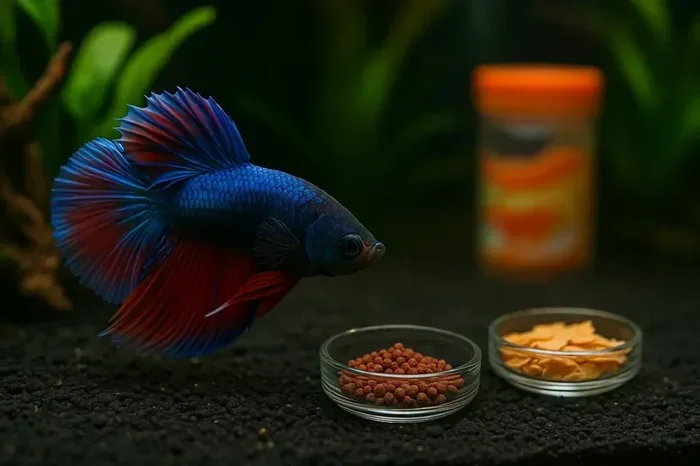
A proper portion of pellets is about 2-3 small pellets per feeding. If you are feeding live or frozen food, a small pinch is enough. The food should be roughly the size of your betta’s eyeball. This visual guide makes portioning simple and consistent.
For more detailed guidance on portion sizes, visit our article on how much do I feed a betta fish. It covers measurements and visual references in detail.
Types of Food and Their Feeding Amounts
Different foods have different nutrient densities, which affects how much you should give. Here is a quick comparison:
- High-quality pellets: 2-3 pellets per feeding. These are the staple of a betta diet and should make up the majority of their meals.
- Frozen bloodworms: A small pinch, 2-3 times per week. These are a treat, not a staple, because they lack complete nutrition.
- Live brine shrimp: 1-2 small shrimp per feeding. Great for encouraging natural hunting behavior.
- Daphnia: 2-3 small pieces per feeding. Excellent as a digestive aid and occasional treat.
Creating a Consistent Feeding Schedule
Consistency is the secret weapon of great betta care. Fish thrive on routine, and a predictable schedule reduces stress and improves appetite. Let us look at how to build a schedule that actually works for you.
Sample Morning and Evening Schedule
Here is a simple schedule you can follow:
- 7:00 AM – Morning feeding: Give 2-3 pellets or a small portion of your betta’s staple food. Turn on the tank lights if they are not already on.
- 7:00 PM – Evening feeding: Give a smaller portion, about 1-2 pellets or a pinch of frozen food. This keeps the routine balanced.
- One day per week: Skip feeding entirely. Let your betta enjoy a fasting day to support digestion.
This schedule works for most betta owners because it aligns with a typical daily routine. You feed when you wake up and again when you get home in the evening. It is easy to remember and hard to skip.
Adjusting the Schedule for Your Lifestyle
Not everyone works a 9-to-5 job. If you travel frequently or have an irregular schedule, you can still keep your betta healthy. Automatic fish feeders work well for people who are away often. These devices release food at set times, keeping your feeding schedule consistent even when you are not home.
If you are planning a vacation, consider asking a friend or using an automatic feeder. Our guide on how to feed your betta fish on vacation has helpful tips for short and long trips.
Signs Your Betta Fish Is Hungry or Overfed
Learning to read your betta’s behavior is one of the best skills you can develop. Your fish will tell you when they are hungry and when they have had enough. Paying attention to these signs helps you fine-tune your feeding routine.
Signs of Hunger
- Swimming to the surface when you approach the tank: Bettas learn your schedule quickly and will start anticipating feeding time.
- Increased activity and flaring: A hungry betta often becomes more alert and may flare at you.
- Searching the substrate: If your betta is digging around the bottom of the tank, they may be looking for food.
- Visible body shape changes: A very thin betta that looks sunken may need more food or more frequent feedings.
Signs of Overfeeding
- Uneaten food floating or sinking: This is the most obvious sign. If food sits in the tank after feeding, you gave too much.
- Cloudy water or bad smell: Decaying food releases ammonia, which clouds the water and creates a foul odor.
- Bloated or distended belly: A betta with a swollen belly may be constipated from eating too much.
- Lethargy after meals: A healthy betta should be active. If yours seems sluggish after eating, reduce the portion size.
Common Feeding Mistakes to Avoid
Even experienced betta owners make mistakes sometimes. Being aware of the most common errors helps you avoid them. Here are the top feeding mistakes and how to fix them.
Overfeeding
This is the number one mistake new betta owners make. It is easy to think your fish is hungry because it swims to the front of the tank. But bettas learn to beg for food even when they are full. Stick to your portion sizes and schedule. Your betta will be healthier and live longer as a result.
Feeding at Random Times
Irregular feeding times confuse your betta’s internal clock. A fish that never knows when to expect food becomes stressed. Stress weakens the immune system and makes your betta vulnerable to disease. Set a schedule and stick to it as closely as possible, even on weekends.
Feeding the Wrong Foods
Not all fish food is created equal. Cheap flakes or generic food often lacks the protein bettas need. Always choose high-quality betta pellets as the base of their diet. You can supplement with frozen or live foods for variety and enrichment.
Ignoring Water Quality After Feeding
Food that goes uneaten breaks down fast in warm water. This spikes ammonia and nitrite levels, which are harmful to your betta. Always remove uneaten food after a few minutes and keep up with regular water changes. Clean water is just as important as proper feeding.
Expert Tips for a Perfect Betta Feeding Routine
Here are some bonus tips from experienced betta keepers that will take your feeding routine to the next level.
- Soak pellets before feeding: Dry pellets expand in water. If your betta eats them dry, they can swell in the stomach and cause bloating. Soak them for a few minutes first.
- Vary the diet: Rotate between pellets, frozen bloodworms, brine shrimp, and daphnia. Variety ensures your betta gets all the nutrients they need.
- Use a feeding ring: A feeding ring keeps food in one place and prevents it from drifting into the filter or decorations.
- Feed in a dimly lit tank: Bettas feel more comfortable eating when the lights are not too bright. Dim lighting reduces stress during meals.
- Observe your betta after every meal: A few minutes of observation after feeding helps you catch any issues early. Watch for uneaten food, labored breathing, or unusual behavior.
Following these tips consistently will make a huge difference in your betta’s health and happiness. A well-fed betta is a vibrant, active, and long-lived companion. The effort you put into building a solid feeding routine pays off in spades.
Conclusion
When do I feed my betta fish? The answer is simple: feed once or twice a day at consistent times, ideally in the morning and evening. Keep portions small, stick to a schedule, and always watch for signs of hunger or overfeeding. Your betta fish will reward you with bright colors, active behavior, and a long, healthy life.
Remember that every betta is a little different. Some eat more, some eat less. The key is to observe your individual fish and adjust accordingly. With the right betta fish feeding schedule and a little patience, you will become a confident and successful betta owner. Start today, stay consistent, and enjoy the journey of caring for these beautiful, fascinating fish.
Frequently Asked Questions
How many times a day should I feed my betta fish?
Most experts recommend feeding your betta once or twice a day. A single morning feeding works well for many owners, while a smaller evening feeding can be added if your schedule allows. Always stick to consistent portion sizes to avoid overfeeding.
What is the best time of day to feed a betta fish?
The morning is the best time for the main meal. Feed within an hour of turning on your tank lights to match your betta’s natural waking cycle. If you feed twice a day, a smaller evening feeding works well too.
Can I feed my betta fish right after turning on the lights?
Yes, feeding shortly after the lights come on is ideal. This aligns with your betta’s natural routine and helps them associate light with mealtime. It also gives you a chance to observe their appetite first thing in the morning.
Should I skip feeding my betta fish if I am going to be away?
For trips under three days, it is safe to skip feeding. Bettas can easily go a few days without food. For longer trips, consider an automatic feeder or ask someone to feed a small portion every other day.
How do I know if I am feeding my betta the right amount?
Use the 2-minute rule. If your betta finishes all the food within 2 minutes, the portion is correct. If food is left over, reduce the amount next time. A healthy betta should have a slightly rounded but not bloated belly.
What should I do if my betta fish stops eating?
First, check your water parameters. Poor water quality is the most common cause of appetite loss. If the water is fine, try offering a different type of food or live food to spark their interest. For persistent issues, consult our guide on what to do if your betta fish isn’t eating.