What Fish Can Go with Betta Fish
Betta fish can share a home with the right tank mates, but choosing compatible species and proper setup is crucial. This guide walks you through safe fish partners, water parameters, and practical tips to keep your betta and its companions happy and healthy.
Key Takeaways
- Size matters: Choose small, non‑aggressive fish that won’t trigger the betta’s territorial instincts.
- Water parameters must match: Keep temperature, pH, and hardness consistent for all species.
- Planted tanks help: Live plants and decorations create hiding spots and reduce stress.
- Monitor behavior daily: Early detection of aggression prevents injuries.
- Avoid fin‑nippers: Species with nippy mouths can damage a betta’s delicate fins.
- Start with a larger tank: A 10‑gal or bigger aquarium gives enough space for a community.
- Gradual introductions work best: Acclimate new fish slowly to avoid shock and aggression.
📑 Table of Contents
Introduction: Why You Might Want Tank Mates for Your Betta
Betta fish, also known as Siamese fighting fish, are famous for their vivid colors and dramatic fins. Many people think they must live alone, but that isn’t always true. With the right tank mates, a betta can enjoy a more natural, stimulating environment. A community tank can also spread the cost of equipment and make aquarium keeping more fun.
However, not every fish gets along with a betta. The key is to understand the betta’s temperament, match water needs, and provide plenty of space and hiding places. This article will walk you through everything you need to know to create a peaceful mixed tank.
Understanding Betta Behavior and Needs
Territorial instincts
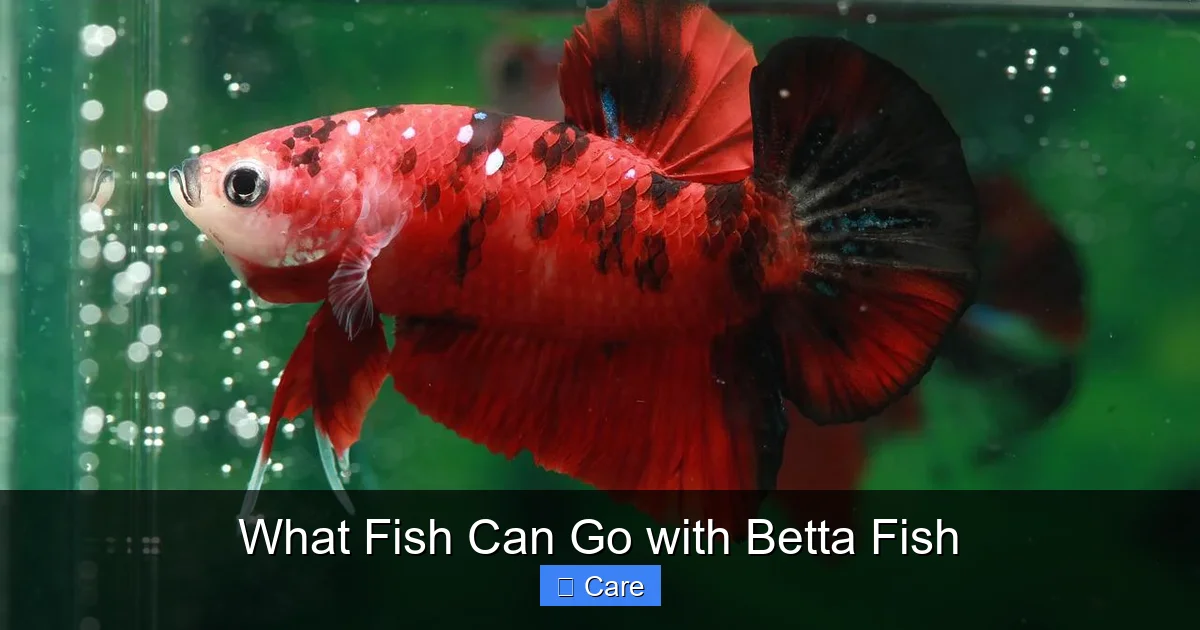
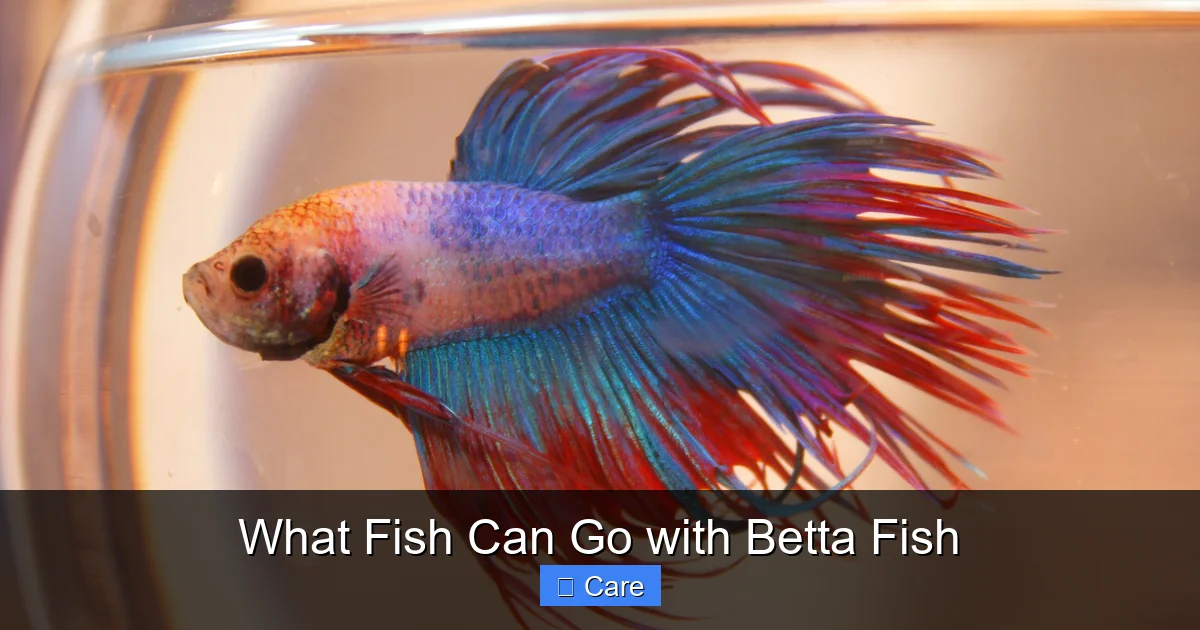
Male bettas are naturally territorial, especially during breeding season. They will defend their space from other fish that look like rivals—bright colors, long fins, or similar body shapes can trigger aggression.
Visual guide about What Fish Can Go with Betta Fish
Image source: buildyouraquarium.com
Water requirements
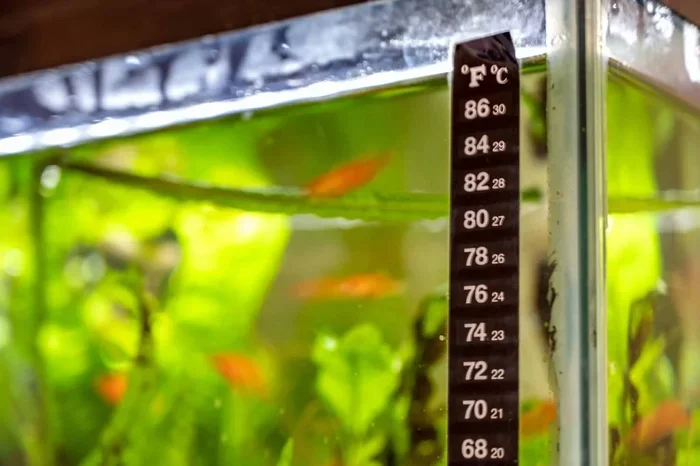
Betas thrive in warm water (78‑82°F / 25‑28°C), slightly acidic to neutral pH (6.5‑7.5), and soft to medium hardness. Consistency is crucial; sudden changes stress the fish and increase the chance of fighting.
Social preferences
While females can sometimes coexist in a sorority, many hobbyists keep a single male betta with peaceful species. The betta’s personality also matters—some are calm, others are highly aggressive. Observation is essential.
Choosing Compatible Tank Mates
General guidelines
- Keep the betta’s tank at least 10 gallons.
- Choose fish that stay below 2 inches in length.
- Select species with different body shapes and muted coloration.
- Avoid long‑finned, brightly colored, or fin‑nipping fish.
Top fish species that usually get along with bettas
- Neon Tetras – Small, schooling fish that swim in the mid‑level. Their bright blue‑red stripes are eye‑catching but not similar enough to a betta’s fins to cause a fight.
- Corydoras Catfish – Bottom‑dwelling, peaceful scavengers. They keep the substrate clean and stay out of the betta’s view.
- Harlequin Rasboras – Active, schooling fish that add movement without provoking the betta.
- Otocinclus Catfish – Tiny algae eaters that cling to plants and glass. Their gentle nature makes them safe companions.
- Cherry Shrimp – Not a fish, but a popular invertebrate tank mate. They help clean algae and are usually ignored by a betta.
- Kuhli Loaches – Snake‑like bottom dwellers that hide in the substrate, staying far from the betta’s territory.
Species to avoid
- Guppies, mollies, and other livebearers – Their bright colors and flowing tails resemble a betta’s, often leading to aggression.
- Fin‑nipping fish (e.g., Tiger Barbs, Rasboras with sharp bites) – They can damage delicate betta fins.
- Other bettas – Two males will fight; even two females can become aggressive.
- Large or aggressive cichlids – Their size and dominance will overwhelm a betta.
Setting Up the Tank for Harmony
Size and shape matters
A 10‑gal long tank provides enough horizontal space for territories to be established. Avoid tall, narrow tanks where fish are forced into the same vertical zone.

Visual guide about What Fish Can Go with Betta Fish
Image source: petshun.com
Visual guide about What Fish Can Go with Betta Fish
Image source: fishkeepingadvice.com
Plants and décor
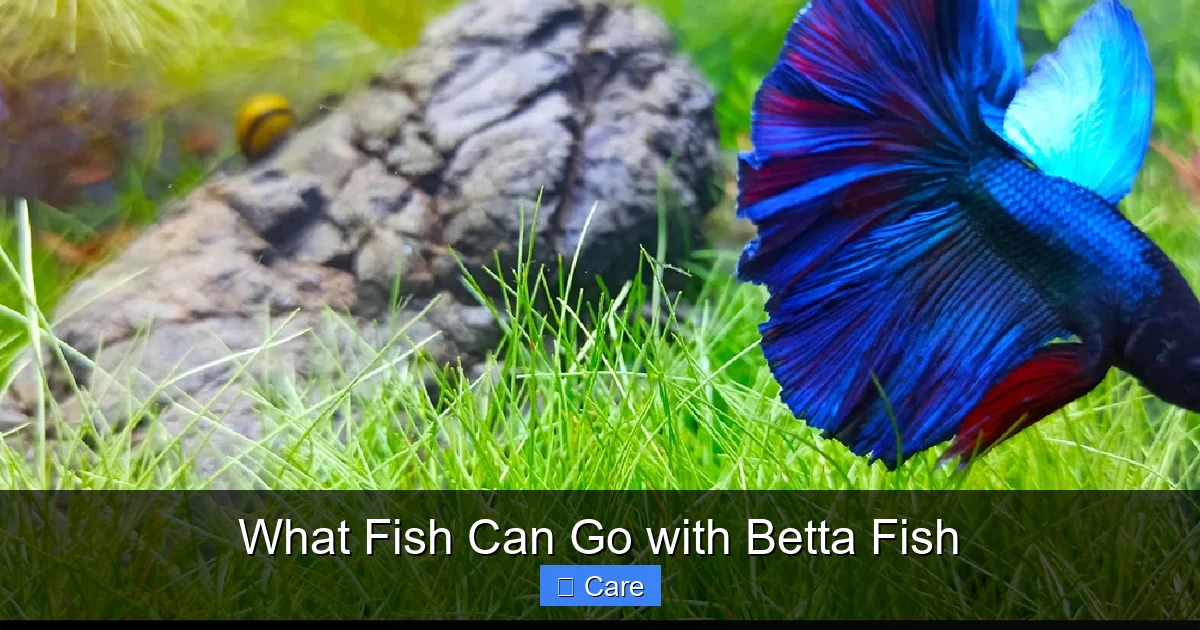
Live plants like Java fern, Anubias, and Amazon swords create natural barriers. Add driftwood, caves, and ceramic pots for hiding spots. The more visual breaks, the less likely the betta will see other fish as intruders.
Filtration and flow
Betas prefer calm water. Use a gentle sponge filter or a hang‑on‑back filter with a spray bar set to low flow. Strong currents can stress the betta and make other fish hide.
Lighting and temperature
Maintain 10‑12 hours of light per day to support plant growth. Use a reliable heater to keep temperature steady; a thermostat is a must.
Acclimating New Fish to a Betta Tank
The drip method
Float the sealed bag in the aquarium for 15 minutes to equalize temperature. Then, slowly add tank water to the bag over an hour using a drip line. This gradual change helps both the betta and the new fish adjust.
Observation period
After release, keep a close eye on the betta for the first 24‑48 hours. Look for flaring, chasing, or hiding. If aggression appears, consider a separate quarantine tank.
Backup plan
Always have a spare tank or a breeder’s tank ready. If the betta shows persistent aggression, a safe re‑homing spot prevents injury.
Maintenance Tips for a Peaceful Community
Weekly water changes
Replace 20‑30% of water each week to keep nitrate levels low. Use a water conditioner to remove chlorine and chloramines.
Feeding routine
Feed bettas high‑quality pellets or frozen foods once daily. Offer small portions to tank mates twice a day. Remove uneaten food to prevent water quality issues.
Health monitoring
Watch for signs of disease: clamped fins, loss of color, or unusual swimming. Early treatment protects the whole community.
Conclusion: Creating a Happy, Healthy Betta Community
Keeping a betta with other fish is entirely possible when you respect the betta’s nature, match water parameters, and design a well‑planted, spacious tank. Start with the safest companions—small tetras, corydoras, or shrimp—and watch how they interact. Adjust as needed, and you’ll enjoy a vibrant aquarium that feels like a living work of art.
Remember, every betta is an individual. Patience, observation, and a willingness to tweak the setup are the keys to long‑term success. Happy fish‑keeping!
Frequently Asked Questions
Can I keep a betta with guppies?
Generally, no. Guppies have bright colors and flowing tails that can trigger a male betta’s aggression, leading to fights.
What is the minimum tank size for a betta and tank mates?
A 10‑gallon (38‑liter) long tank is the recommended minimum. It provides enough space for territories and hiding spots.
Are shrimp safe tank mates for bettas?
Yes, most bettas ignore shrimp, especially larger species like Cherry or Amano shrimp. Keep an eye on the betta, though, as some may become curious.
How often should I feed my betta and its companions?
Feed the betta once daily with a small portion of high‑quality pellets or frozen food. Offer the other fish two smaller meals per day, removing excess food after a few minutes.
What signs indicate my betta is stressed by tank mates?
Look for constant flaring, loss of color, clamped fins, or the betta staying at the surface for long periods. Stress may also show as reduced appetite.
Can I add a second male betta if I have a large tank?
Even in a large tank, two male bettas will almost always fight. It’s safest to keep only one male betta per aquarium.