What Is the Best Food for Betta Fish
Choosing the right diet is the cornerstone of a healthy betta fish. This guide breaks down the best food options, feeding schedules, and practical tips so you can feed your betta like a pro and enjoy a long, colorful life together.
Key Takeaways
- Balanced diet matters: A mix of high‑quality pellets, frozen or live foods, and occasional treats provides complete nutrition.
- Feed small amounts: Betta fish have tiny stomachs; 2–3 tiny bites twice daily are enough.
- Quality over quantity: Choose foods with at least 40 % protein and minimal fillers.
- Seasonal variation: Offer live or frozen foods a few times a week to boost color and immunity.
- Watch water conditions: Over‑feeding can foul water and stress your betta.
- Know the signs: Loss of appetite, clamped fins, or cloudy eyes indicate a diet problem.
- Internal resources: Learn about water temperature, tank size, and lifespan to create the perfect environment.
📑 Table of Contents
- Introduction: Why Food Is the Heartbeat of Betta Care
- 1. Understanding Betta Nutrition Basics
- 2. Types of Food: Picking the Best Food for Betta Fish
- 3. How to Feed: Portion Control and Schedule
- 4. Spotting Good vs. Bad Food Brands
- 5. Integrating Food with Overall Betta Care
- 6. Troubleshooting Common Feeding Issues
- Conclusion: Feed Well, Watch Them Thrive
Introduction: Why Food Is the Heartbeat of Betta Care
Imagine you’ve just brought home a gorgeous betta fish. Its shimmering fins ripple with every graceful flick, and you’re already planning the perfect tank setup. But there’s one crucial piece you can’t ignore: what you feed it. Betta fish, also known as Siamese fighting fish, are carnivorous predators that thrive on protein‑rich meals. The right diet not only fuels their vibrant colors but also supports their delicate immune system and long‑term health.
In this friendly, step‑by‑step guide we’ll explore the best food for betta fish, how often to feed, and practical tips you can start using today. Think of it as a chat over coffee with a fellow fish lover—simple, clear, and full of useful advice.
1. Understanding Betta Nutrition Basics
What a Betta’s Stomach Can Handle
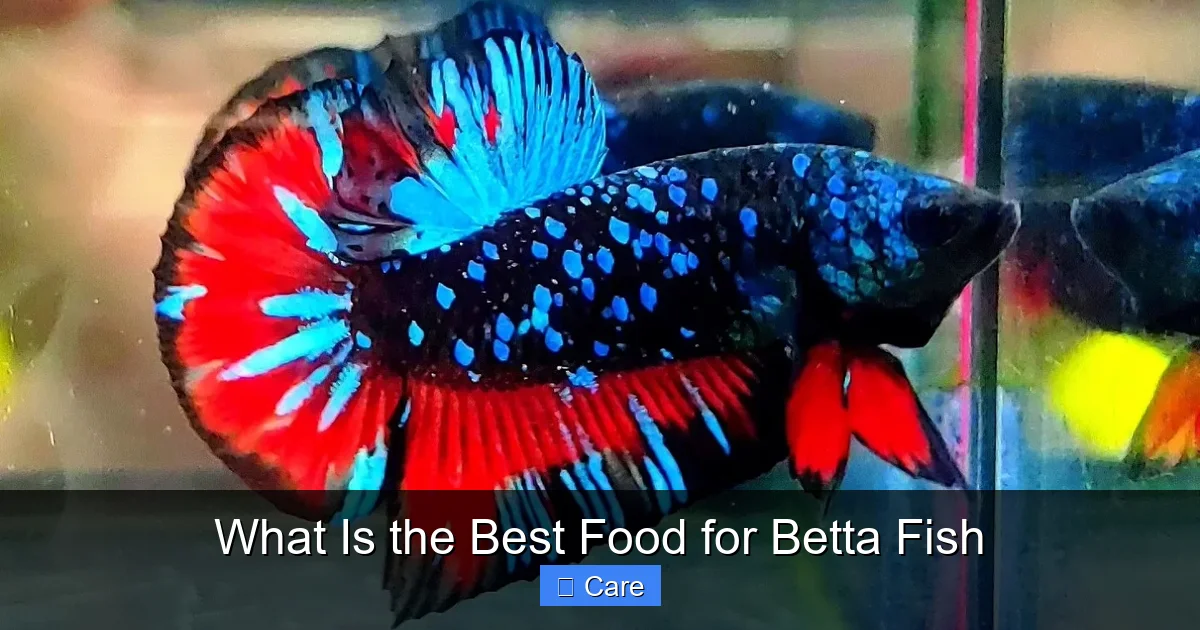
Betta fish have tiny, single‑chambered stomachs that can hold only a few milligrams of food at a time. Over‑feeding is a common mistake that leads to constipation, bloating, and cloudy water. The rule of thumb? Offer an amount they can consume in about two seconds, twice a day.
Visual guide about What Is the Best Food for Betta Fish
Image source: i.pinimg.com
Protein: The Core of a Betta’s Diet
In the wild, bettas hunt tiny insects and larvae. Their natural diet is at least 80 % animal protein. For captive bettas, aim for a commercial food that lists “fish meal,” “crustacean meal,” or “insect protein” near the top of the ingredients list.
Essential Nutrients
- Omega‑3 fatty acids: Promote bright coloration and healthy fins.
- Vitamins A, D, and E: Support vision, bone health, and immune function.
- Trace minerals: Calcium, magnesium, and potassium keep metabolism humming.
2. Types of Food: Picking the Best Food for Betta Fish
Premium Pellets – The Everyday Staple
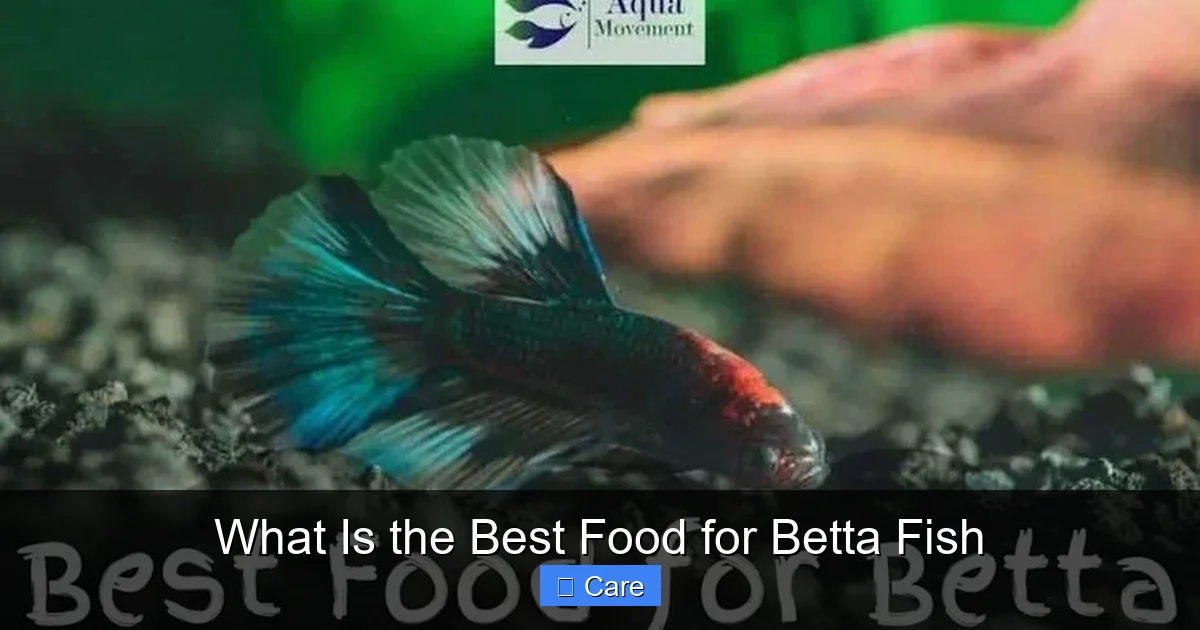
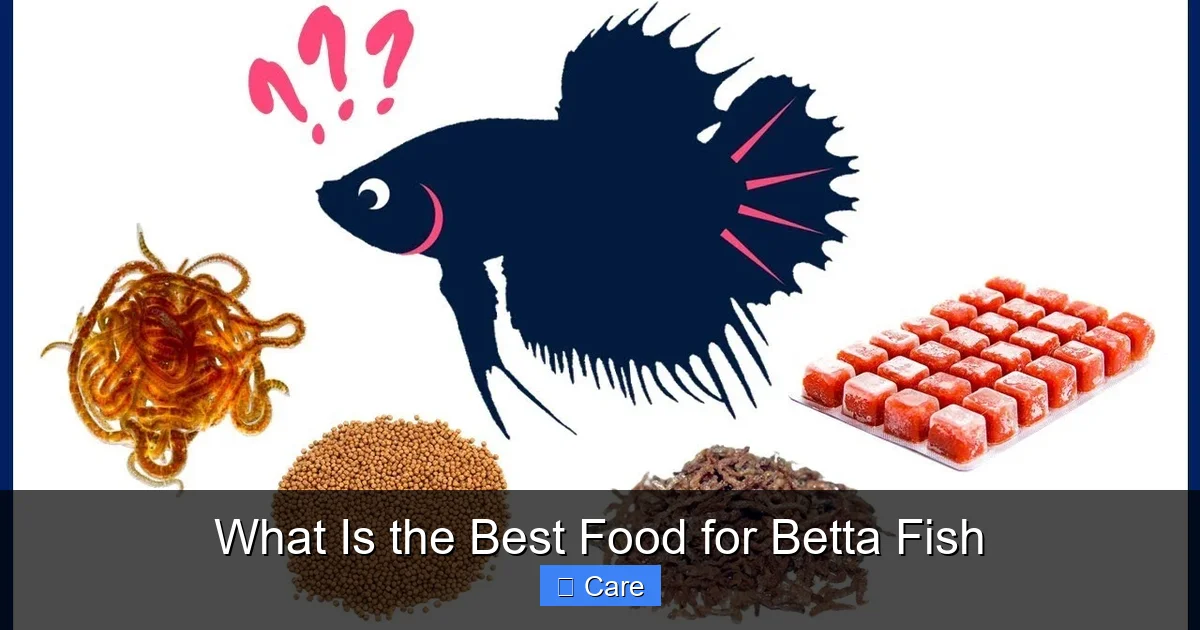
High‑quality betta pellets are the most convenient and nutritionally balanced option. Look for brands that contain 40‑50 % protein, no artificial dyes, and small, easy‑to‑chew particles. Pellets sink slowly, mimicking a natural hunting experience.
Visual guide about What Is the Best Food for Betta Fish
Image source: i.ytimg.com
Frozen and Freeze‑Dried Foods – A Color Boost
Frozen bloodworms, brine shrimp, and daphnia are excellent sources of live‑prey nutrition without the mess of live feeding. They retain natural proteins and omega‑3s, helping your betta’s fins stay vivid. Thaw frozen foods in a cup of tank water before offering.
Live Foods – The Ultimate Treat
Live foods such as microworms, daphnia, or tiny brine shrimp trigger a betta’s hunting instincts. Use them sparingly (once or twice a week) to avoid over‑stimulating aggression and to keep water quality high.
Flake Foods – Not Ideal, but Usable
Flake foods are designed for community fish and tend to be low in protein. If you must use flakes, choose a betta‑specific formula and supplement heavily with pellets or frozen foods.
Homemade Options – For the DIY Enthusiast
Blending boiled krill, shrimp, and a vitamin supplement into a mash can create a custom betta diet. However, consistency and safety are hard to guarantee, so most hobbyists stick with commercial products.
3. How to Feed: Portion Control and Schedule
Two Small Meals a Day
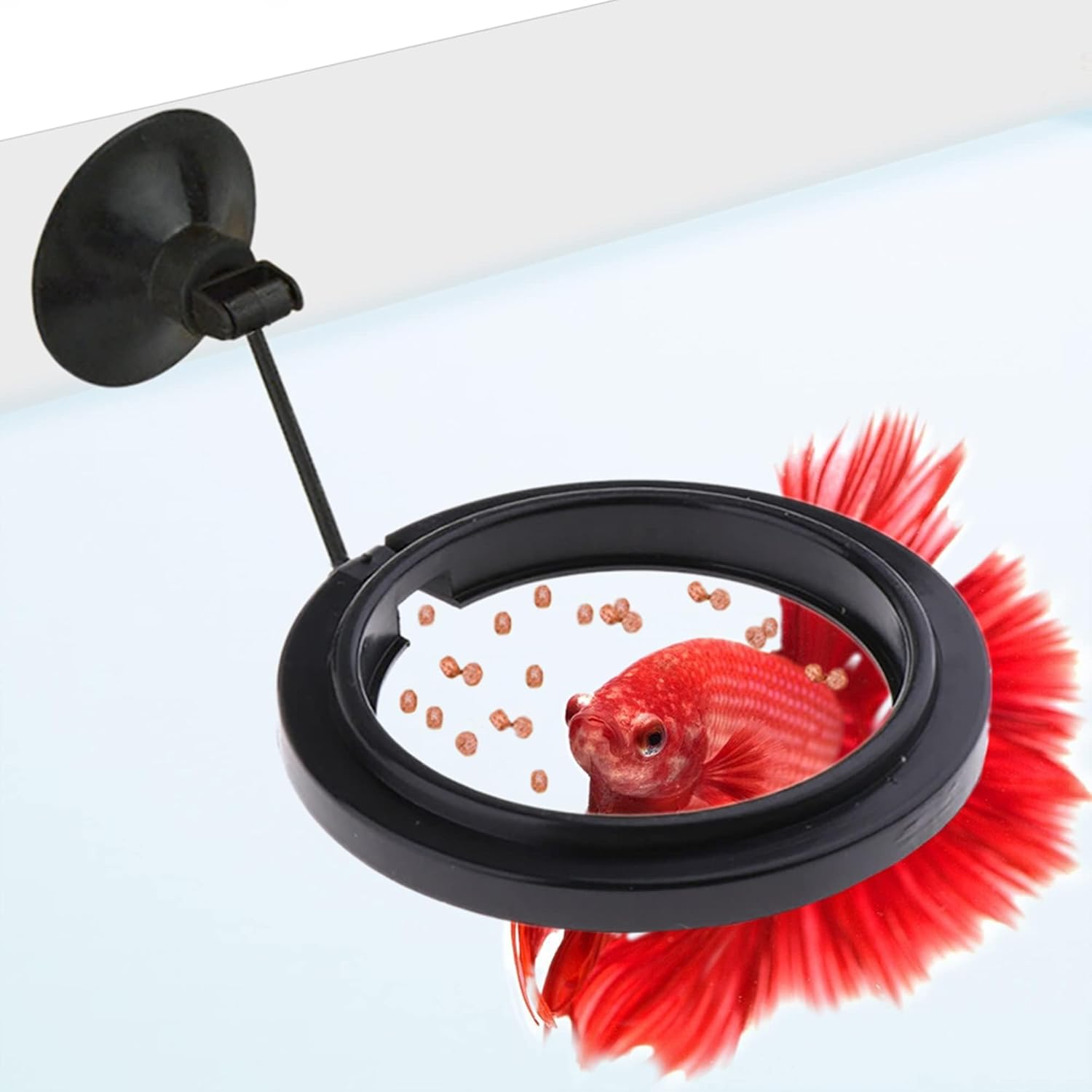
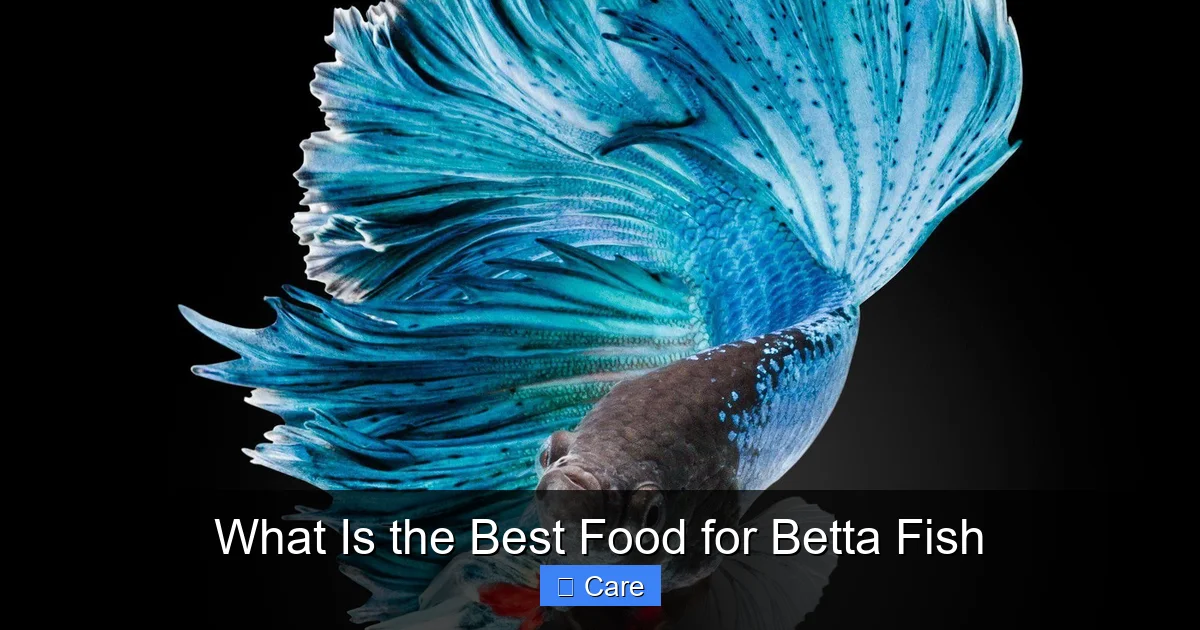
Feed your betta twice daily, offering only what it can eat in 2–3 seconds per feeding. This prevents excess waste and keeps the water clean.
Visual guide about What Is the Best Food for Betta Fish
Image source: wallpaperaccess.com
Fast Days
Implement a “fast day” once a week—skip one feeding session. This helps clear the digestive tract and mimics natural fasting periods.
Seasonal Adjustments
During cooler months, bettas’ metabolism slows. Reduce portion size slightly, but never skip meals entirely.
4. Spotting Good vs. Bad Food Brands
Read the Label
Quality brands list animal protein first, avoid filler ingredients like wheat or soy, and contain added vitamins. Avoid products with bright artificial colors—they’re a sign of low‑quality nutrition.
Trusted Brands
- Omega One Betta Formula
- Hikari Betta Bio‑Gourmet
- New Life Spectrum Betta Sticks
Red Flags
If a product advertises “all‑natural” but contains “fish meal” derived from low‑grade fish, it’s likely not worth the price. Also, overly cheap pellets often crumble, making them hard for bettas to eat.
5. Integrating Food with Overall Betta Care
Water Quality Matters
Even the best diet can’t save a betta in poor water. Over‑feeding leads to ammonia spikes, which stress the fish and cause disease. Perform regular water changes (25 % weekly) and monitor parameters with a test kit.
Temperature and Tank Size
Betta fish thrive at 76‑82°F (24‑28°C). Cold water slows digestion, while warm water speeds up metabolism, increasing food needs. For optimal health, keep your betta in at least a 5‑gallon tank with a gentle filter. Learn more about ideal tank conditions in our guide on what’s the best tank for a betta fish.
Linking Diet to Lifespan
A balanced diet can add years to your betta’s life. Discover how nutrition ties into longevity in our article on what is the lifespan for a betta fish.
6. Troubleshooting Common Feeding Issues
Betta Not Eating?
First, check water temperature and quality. Stressors often suppress appetite. Offer a small amount of live or frozen food to entice them.
Spitting Out Food
This can happen if the food size is too big or the texture is off. Switch to smaller pellets or soften frozen foods in tank water.
Constipation and Bloated Belly
Fast your betta for 24‑48 hours and feed a peeled pea (cooked, cooled, and mashed) to help clear the digestive tract.
Conclusion: Feed Well, Watch Them Thrive
Choosing the best food for betta fish isn’t a one‑size‑fits‑all decision, but with the guidelines above you can craft a diet that meets their carnivorous needs, supports vibrant colors, and promotes a long, happy life. Remember: quality pellets are the foundation, frozen or live treats add excitement and nutrition, and careful portion control keeps the water pristine.
Pair great food with proper tank size, stable temperature, and regular water changes, and you’ll have a thriving betta that dazzles you every day. Happy feeding!
Frequently Asked Questions
What type of food should I feed my betta daily?
Feed high‑protein betta pellets twice a day, offering only what the fish can eat in 2–3 seconds each time.
Can I feed my betta live food every day?
Live foods are nutritious but can quickly foul the water. Offer them once or twice a week as a treat, not as a staple.
How much should I feed my betta to avoid overfeeding?
Two tiny bites per feeding, twice a day, is sufficient. A “fast day” once a week helps keep the digestive system healthy.
Why is my betta spitting out its food?
Food may be too large or the texture unappealing. Try smaller pellets or soften frozen foods in tank water before feeding.
Is it okay to mix flake food with pellets?
Flake food is low in protein and not ideal for bettas. If you use it, make sure pellets make up the majority of the diet.
Where can I find high‑quality betta food?
Specialty pet stores, reputable online retailers, and brands like Omega One, Hikari, and New Life Spectrum offer premium betta formulas.