Keeping a betta fish alive is easier than you think when you follow the right basics. From choosing the proper tank to mastering water care and feeding, this guide gives you all the tools to enjoy a healthy, vibrant betta for years.
Key Takeaways
- Proper tank size: A minimum of 5 gallons gives your betta space to swim and stay healthy.
- Stable water conditions: Keep temperature between 76‑82°F and maintain pH 6.5‑7.5.
- Gentle filtration: Use a low‑flow filter or a sponge filter to keep water clean without stressing the fish.
- Balanced diet: Feed high‑quality betta pellets, occasional frozen foods, and limit treats.
- Regular maintenance: Weekly water changes of 25‑30% prevent toxin buildup.
- Stress reduction: Avoid bright lights, loud noises, and aggressive tank mates.
- Health monitoring: Watch for signs of disease and act quickly with proper treatment.
📑 Table of Contents
- Introduction: Why Keeping a Betta Alive Is Worth the Effort
- 1. Choosing the Right Home for Your Betta
- 2. Preparing the Water: The Foundation of a Healthy Betta
- 3. Feeding: Nutrition That Keeps Your Betta Thriving
- 4. Maintaining a Stress‑Free Environment
- 5. Spotting and Treating Common Health Issues
- 6. Long‑Term Care: Planning for a Healthy Lifespan
- Conclusion
Introduction: Why Keeping a Betta Alive Is Worth the Effort
Betta fish, also called Siamese fighting fish, are famous for their brilliant colors and flamboyant fins. Many people think they can survive forever in a tiny bowl, but the truth is that a well‑cared‑for betta can live three to five years, sometimes even longer. Knowing how to keep a betta fish alive means giving it a life full of activity, vibrant color, and good health.
In this article we’ll walk through every step you need—from picking the right home to feeding, cleaning, and spotting illness. The tone is friendly, like a chat with a fellow fish lover, so you’ll feel confident making each decision.
1. Choosing the Right Home for Your Betta
Tank Size Matters
The most common mistake is buying a plastic cup or a 1‑gallon bowl. A betta needs room to explore. A 5‑gallon tank is the sweet spot for a single fish. Larger tanks (10‑gallon or more) are even better because they dilute waste and keep water parameters more stable.
Visual guide about How to Keep a Betta Fish Alive
Image source: iqss.eu
Tank Shape and Layout
Rectangular tanks with a long front view let you enjoy the betta’s side‑to‑side display. Add a few plants—real or silk—to give hiding spots and break up reflections that can stress the fish.
Filtration Without a Strong Current
Betta fish are native to slow‑moving waters, so a high‑flow filter can exhaust them. Choose a sponge filter or a hang‑on‑back filter with the flow set to “low.” If you prefer a filter‑free setup, be prepared to change water more often.
Heater and Thermometer
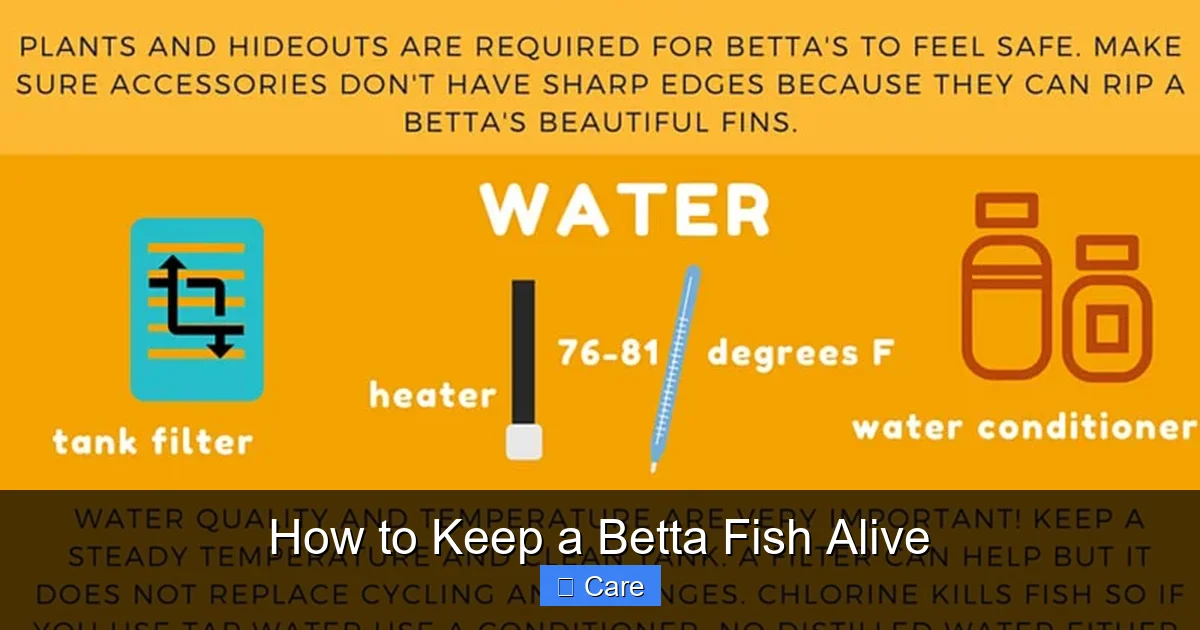
Betta fish are tropical; they thrive at 76‑82°F (24‑28°C). A reliable submersible heater paired with an accurate thermometer is non‑negotiable. Check the temperature daily, especially in winter.
Lighting
Provide 8‑10 hours of gentle LED lighting each day. Too much brightness can stress a betta, while darkness all day can affect its natural rhythm. A timer makes this easy.
2. Preparing the Water: The Foundation of a Healthy Betta
Conditioning Tap Water
Never add a betta directly to untreated tap water. Use a water conditioner that removes chlorine, chloramine, and heavy metals. This step alone answers a big part of how to keep a betta fish alive because toxic chemicals are a leading cause of early death.
Visual guide about How to Keep a Betta Fish Alive
Image source: bettafish.org
Testing Parameters
Invest in a basic test kit. Check ammonia, nitrite, nitrate, and pH weekly. Ideal ranges:
- Ammonia: 0 ppm
- Nitrite: 0 ppm
- Nitrate: < 20 ppm
- pH: 6.5‑7.5
Cycling the Tank
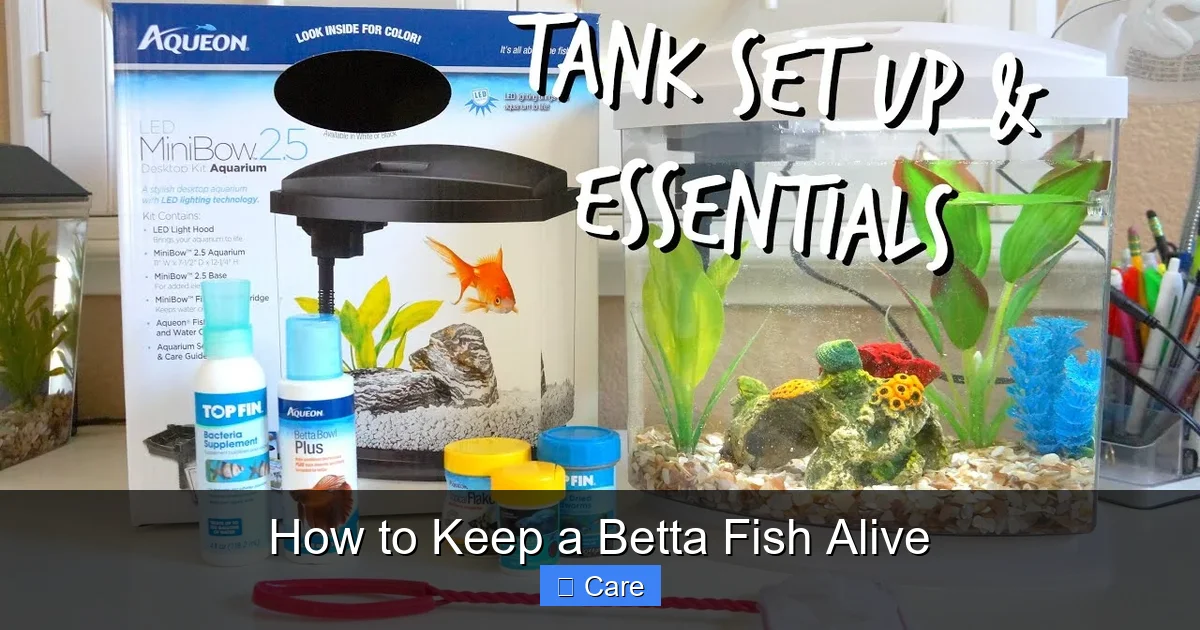
Even with a low‑flow filter, a new tank needs a nitrogen cycle. Seed the tank with a few hardy fish or add a bacterial starter product. Wait 2‑4 weeks until ammonia and nitrite drop to zero before introducing your betta.
Water Changes
Regular water changes are the backbone of good betta care. Replace 25‑30% of the water weekly with conditioned water that matches the tank temperature. This simple habit dramatically improves how to keep a betta fish alive.
3. Feeding: Nutrition That Keeps Your Betta Thriving
Choosing Quality Betta Pellets
High‑protein pellets (at least 30% protein) should be the staple. Look for brands that list real fish or insect meal as the first ingredient. Avoid cheap pellets with fillers like wheat or soy.
Visual guide about How to Keep a Betta Fish Alive
Image source: i.ytimg.com
Feeding Schedule
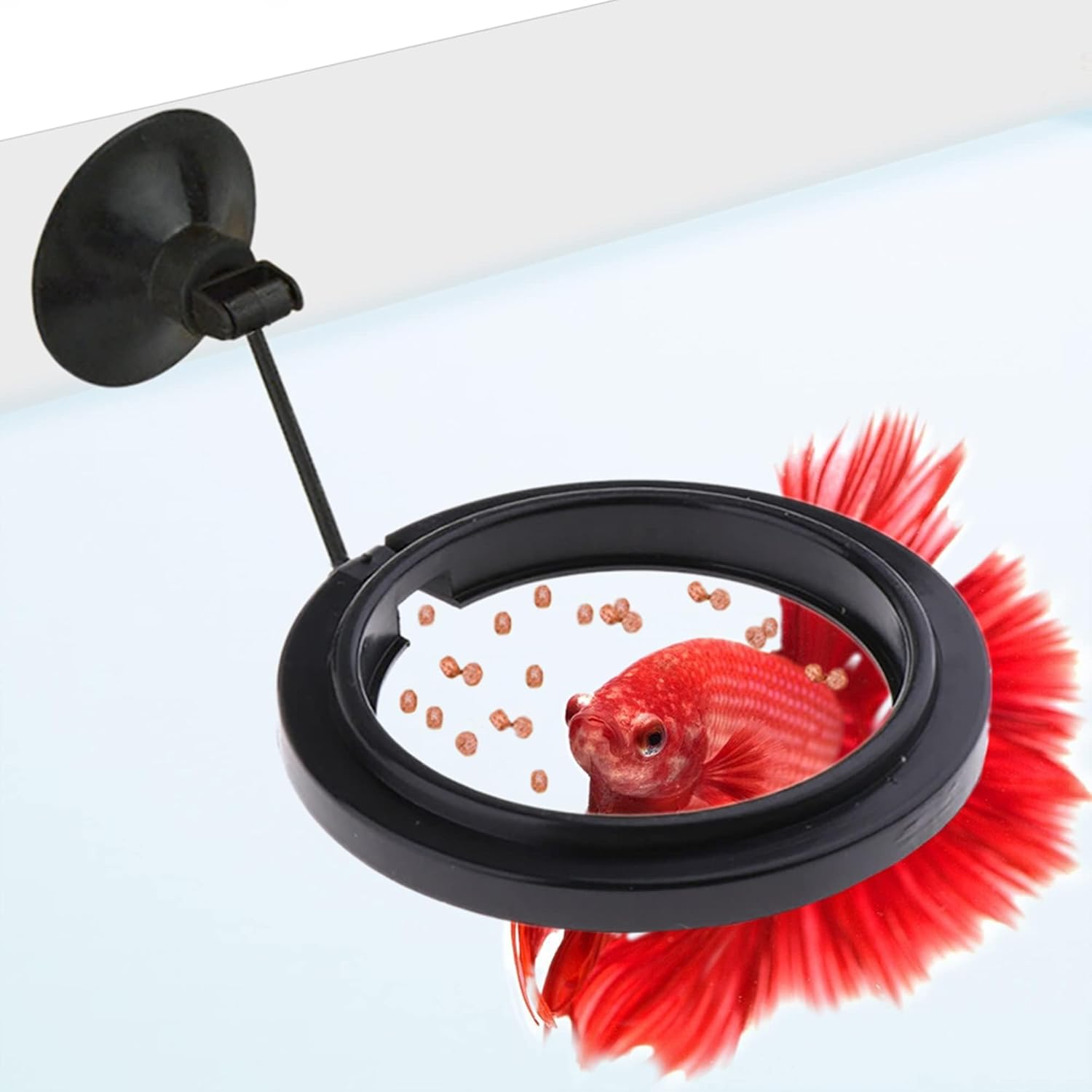
Feed two small meals per day, offering only what the betta can eat in 2‑3 minutes. Overfeeding leads to cloudy water and health problems. In a 5‑gallon tank, 2‑3 pellets per feeding is usually enough.
Supplemental Foods
Variety keeps a betta interested and provides extra nutrients. Offer frozen or live foods such as daphnia, bloodworms, or brine shrimp once or twice a week. Thaw frozen foods before feeding.
What to Avoid
Never feed bread, fruit, or human snacks. These contain carbs that bettas cannot digest and can pollute the water quickly.
4. Maintaining a Stress‑Free Environment
Minimizing Reflections
Betta fish can mistake their reflection for a rival, leading to constant flaring. Cover one side of the tank with a dark background or place a decorative rock to break the view.
Tank Mates and Compatibility
While some people keep peaceful community fish with bettas, it’s risky. If you want companions, choose small, non‑aggressive species like neon tetras (in a larger tank) and keep the betta’s territory respected.
Noise and Vibration
Place the aquarium on a stable surface away from speakers or heavy foot traffic. Betta fish are sensitive to vibrations, which can cause chronic stress.
Handling and Interaction
Never pick up a betta with your hands; use a soft net if you must move it. When you want to interact, let the fish come to the glass. Gentle tapping or rapid movements will scare it.
5. Spotting and Treating Common Health Issues
Fin Rot
Fin rot appears as ragged, white or brown edges on the fins. It’s usually caused by poor water quality. Treat with a mild antibacterial medication and increase water changes.
Ich (White Spot Disease)
Small white dots on the body indicate ich. Raise the temperature slowly to 84°F (29°C) and add a treatment medication for 5‑7 days. Continue regular water changes to remove parasites.
Swim Bladder Disorder
Symptoms include floating upside down or inability to stay upright. Overfeeding is a common cause. Fast‑feed a few peas (shelled) and reduce meal size. If the problem persists, consult a vet.
Gas Bubble Disease
Tiny bubbles under the skin look like a frothy coating. Reduce water temperature and improve aeration. A water change can help clear excess gases.
When to Seek Professional Help
If your betta stops eating for more than 48 hours, shows severe discoloration, or you notice rapid deterioration, it’s time to contact an aquatic veterinarian.
6. Long‑Term Care: Planning for a Healthy Lifespan
Seasonal Adjustments
During summer, monitor the tank temperature closely; a heater may become unnecessary, but a cooling fan can prevent overheating. In winter, ensure the heater stays on and the room isn’t drafty.
Upgrading the Habitat
As your confidence grows, consider upgrading to a larger tank, adding live plants, or installing a gentle UV sterilizer. These upgrades improve water quality and provide enrichment.
Record Keeping
Keep a simple log of water parameters, feeding amounts, and any health observations. A notebook or spreadsheet helps you spot trends and act quickly.
Enjoying the Journey
Watching a healthy betta glide, flare its fins, and explore its environment is rewarding. By following the steps outlined here, you’ve mastered how to keep a betta fish alive and set the stage for many years of colorful companionship.
Conclusion
Keeping a betta fish alive is less about exotic tricks and more about consistent, sensible care. Choose the right tank, maintain clean and warm water, feed a balanced diet, reduce stress, and stay vigilant for signs of illness. When you treat your betta with the respect it deserves, you’ll enjoy a vibrant, active fish that brightens your home for years to come.
Frequently Asked Questions
What is the minimum tank size for a betta?
A 5‑gallon tank is the minimum recommended size. Smaller containers can cause stress and shorten the fish’s lifespan.
Do bettas need a filter?
Yes, a low‑flow filter or sponge filter helps keep water clean without creating a strong current that can tire the betta.
How often should I change the water?
Replace 25‑30% of the water each week. More frequent changes may be needed if you have no filter.
Can I keep other fish with a betta?
Only in a larger tank (10 gallons or more) and with very peaceful, non‑fin‑nipping species. Even then, monitor for aggression.
What should I feed my betta besides pellets?
Occasionally offer frozen or live foods like daphnia, bloodworms, or brine shrimp. These provide extra nutrients and enrichment.
How do I know if my betta is sick?
Look for faded colors, torn fins, white spots, loss of appetite, or abnormal swimming. Early detection and proper treatment are key.