How Big Will Betta Fish Get
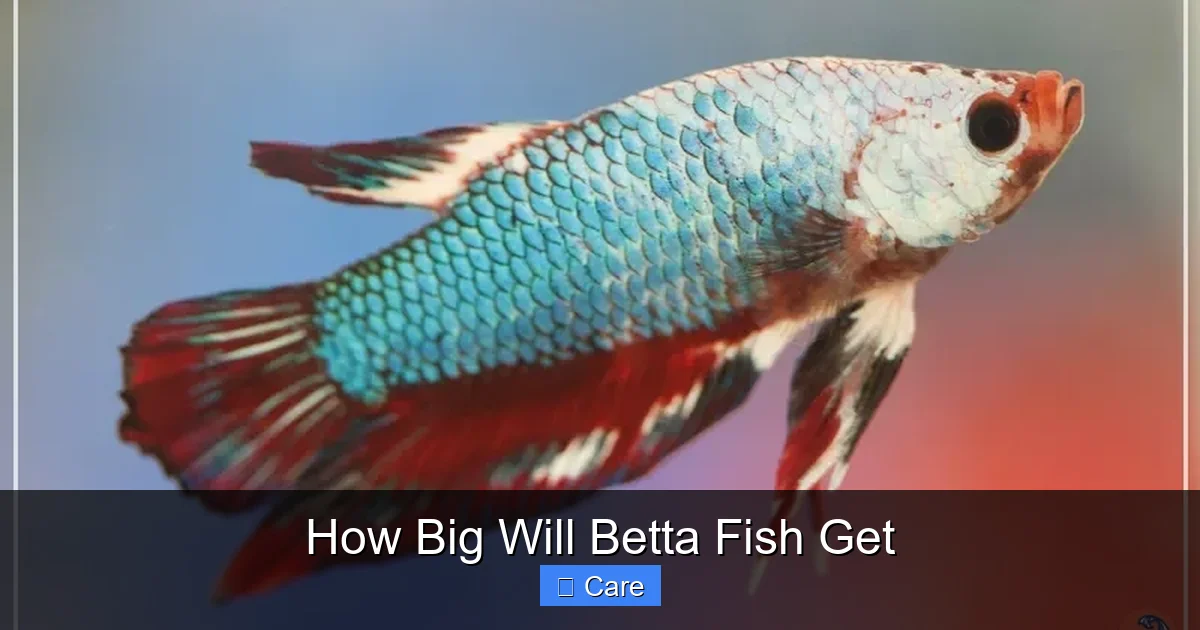
Contrary to popular belief, betta fish don’t stay tiny. In proper care, they typically reach 2.5 to 3 inches, with some exceeding 3.5 inches. Their ultimate size is dictated by genetics, water quality, diet, and tank size—not just the small cups they’re sold in. Providing a spacious, clean tank with a balanced diet is non-negotiable for them to achieve their full, healthy size and live their 2-5 year lifespan.
You’ve seen them, haven’t you? Those dazzling little fish with fins like flowing silk, perched in tiny cups or elegant glass vases at the pet store. They’re so small, so seemingly delicate, it’s easy to assume that’s just how big they’ll stay. But what if we told you that common image is one of the biggest misconceptions in the aquarium hobby? The question “how big will betta fish get?” has a much more fascinating and important answer than most people realize. It’s a question that gets to the very heart of responsible betta ownership. Understanding their true size potential isn’t just about curiosity; it’s the first step toward providing the life these intelligent, vibrant creatures truly deserve. So, let’s dive in and unpack the truth about betta fish growth, separating myth from reality, and equipping you with the knowledge to help your betta not just survive, but thrive.
We’re going to explore everything from the genetic lottery of your fish’s ancestry to the tangible, daily choices you make in your aquarium that directly impact its final stature. You’ll learn why the “betta in a bowl” idea is so harmful, what a proper tank setup looks like, and how to feed for optimal health and size. By the end, you’ll see that beautiful, full-sized betta isn’t a luxury—it’s a right, earned through proper care.
Key Takeaways
- Average Full-Grown Size: A healthy adult betta in optimal conditions will typically measure between 2.5 and 3 inches (6.4 to 7.6 cm) from the tip of the snout to the end of the tail fin.
- Maximum Potential Size: Under exceptional care, some bettas, particularly larger wild-type or halfmoon varieties, can surpass 3.5 inches (9 cm), though this is less common.
- Genetics Set the Ceiling: A betta’s genetic blueprint is the primary determinant of its ultimate size potential, much like in humans. You cannot make a genetically small fish grow larger.
- Environment Unlocks Potential: Even a genetically large betta will be stunted and remain small if kept in poor water conditions, cold water, or an undersized tank (like a vase or bowl).
- Nutrition Fuels Growth: A high-protein, varied diet is essential for proper development. Low-quality food or overfeeding leads to poor health and can inhibit growth.
- Lifespan & Growth Timeline: Bettas are considered fully grown by 4-6 months of age. Their total lifespan in good care is 2-5 years, meaning most of their life is spent at their adult size.
- Wild vs. Captive Size: Wild bettas (B. splendens) are often slightly smaller, averaging 2-2.5 inches, due to natural selective pressures, while selectively bred ornamental varieties can be larger.
📑 Table of Contents
- Understanding Betta Fish Size: The Basics
- The Core Factors That Determine Betta Fish Size
- Tank Size & Environment: The Non-Negotiable Foundation
- Nutrition’s Role in Achieving Maximum Size
- Lifespan and Growth Stages: What to Expect
- Common Misconceptions and Myths Debunked
- Conclusion: Size is a Symptom of Care
Understanding Betta Fish Size: The Basics
Let’s start with the straight facts. The average, healthy adult betta fish (Betta splendens) kept in a properly sized and maintained aquarium will reach a length of 2.5 to 3 inches (approximately 6.4 to 7.6 centimeters). This measurement is taken from the tip of the snout (mouth) to the very end of the tail fin (caudal fin) when it is fully extended. It’s important to note this is the total length, including the magnificent fins that bettas are famous for.
This range is the standard for the vast majority of captive-bred ornamental bettas you find in pet stores and from reputable breeders—including popular varieties like veil tails, halfmoons, and crowntails. However, within this range, there is natural variation. A well-cared-for male halfmoon with large, expansive fins might appear much larger visually than a shorter-finned female, even if their body lengths are similar. Furthermore, some individuals, particularly those from lines bred for size or with wild-type (less ornate) finnage, can occasionally surpass the 3-inch mark, with exceptional specimens reaching 3.5 inches (9 cm) or more. But for planning purposes, you should consider 2.5-3 inches the reliable target size.
Sexual Dimorphism and Size
There is a noticeable difference in size and shape between male and female bettas. Males are almost always larger and more flamboyant. They develop the long, flowing fins and vibrant colors that captivate us. Their bodies are often slightly more robust. Females, while still beautiful, are typically smaller (often on the lower end of the 2.5-3 inch scale), have shorter fins, and can be identified by a small ovipositor (a tiny bump) near their ventral fin. They may also develop vertical stripes when ready to breed. If your primary goal is a large, show-stopping fish, a male is the clear choice. However, females are excellent, active pets in their own right and can live just as long with proper care.
Wild Betta vs. Captive-Bred Size
It’s also useful to compare our domesticated bettas to their wild ancestors. Wild bettas (Betta splendens) living in the shallow rice paddies and slow-moving streams of Southeast Asia are generally smaller and more subdued in color. They typically range from 2 to 2.5 inches in total length. Their fins are shorter to navigate dense vegetation and avoid predators. This smaller size is a result of natural selection favoring agility and camouflage. The giant, flowing fins of our aquarium bettas are a product of selective breeding over the last century for aesthetic appeal, and this selective pressure has also favored slightly larger body frames in many lines. So, the betta you bring home has been bred for size and beauty, giving it a genetic edge over its wild cousin.
The Core Factors That Determine Betta Fish Size
Knowing the average size is one thing, but understanding *why* one betta might be a plump 3 inches while another looks stunted at 2 inches is crucial. A betta’s final size is not a passive outcome; it’s the direct result of a complex interplay between several factors. Think of it like a plant: you can have the best seed (genetics), but without good soil (environment), water (nutrition), and sunlight (health), it will never reach its full potential. Let’s break down the four pillars of betta growth.
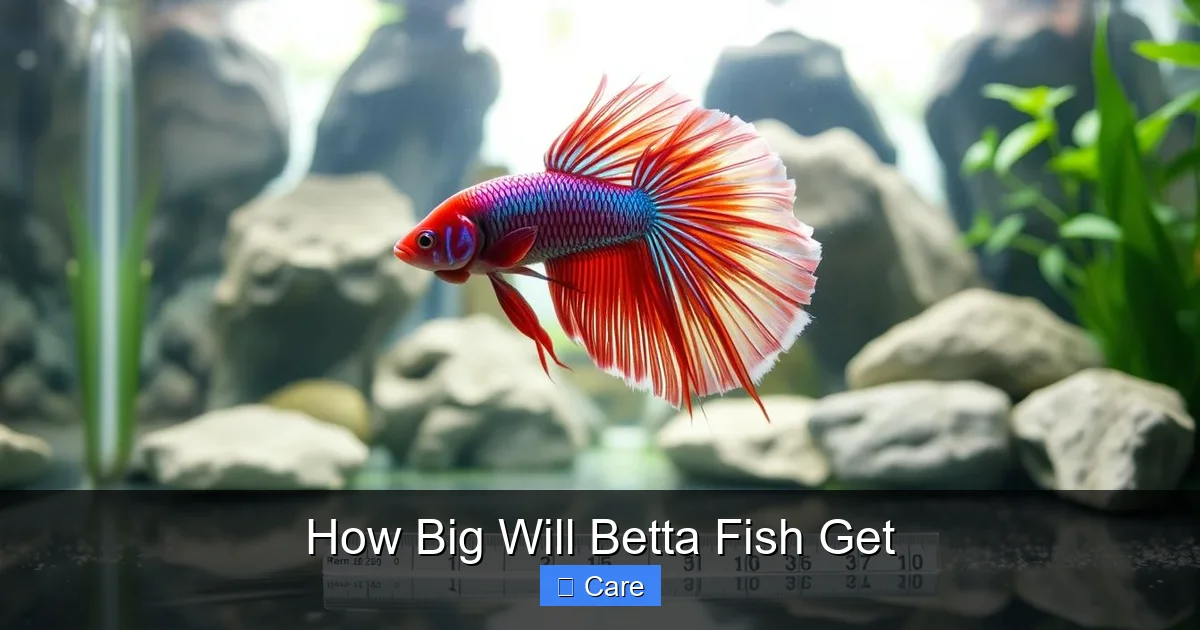
Visual guide about How Big Will Betta Fish Get
Image source: koibettafish.com
1. Genetics: The Blueprint for Growth
This is the non-negotiable starting point. Genetics sets the maximum potential size for any individual betta, just as it does for humans, dogs, or any living creature. The size of its parents, grandparents, and the entire breeding line dictates the range within which that specific fish can grow. A betta from a line of large, robust halfmoons has a much higher ceiling than one from a line of small, delicate plakats. You cannot feed or tank your way past this genetic ceiling. This is why purchasing your betta from a reputable, ethical breeder or a knowledgeable local fish store (LFS) is so valuable. They often breed for health, vigor, and proper conformation, which includes appropriate body size. Mass producers who prioritize color and finnage over all else may have less predictable size outcomes. You are essentially placing a bet on your fish’s genetic lottery ticket when you buy it.
Practical Tip: When selecting a betta, look for one with a robust, muscular body that is not overly thin or “skinny.” It should have a healthy, full appearance when viewed from above, with no obvious spinal deformities. This is a good initial indicator of strong genetics and current health.
2. Water Quality & Parameters: The Foundation of Health
This is the single most important environmental factor you control, and it is absolutely critical. Poor water quality is the silent killer and stunter of bettas. Ammonia and nitrite (from fish waste and decaying food) are toxic even at low levels. They burn gills, stress the immune system, and force the body to divert immense energy toward survival and repair instead of growth and development. Chronic stress from poor water releases cortisol, which actively inhibits growth hormones.
Key water parameters for a betta include:
- Temperature: 78-80°F (25.5-26.5°C) is the ideal, stable range. Water that is too cold (< 76°F) slows metabolism drastically, leading to lethargy, a weakened immune system, and severely stunted growth. Bettas are tropical fish.
- Ammonia & Nitrite: Must be consistently at 0 ppm.
- Nitrate: Should be kept below 20 ppm, with lower being better.
- pH: A stable pH between 6.5 and 7.5 is ideal. Sudden swings are dangerous.
Practical Example: Imagine two genetically identical betta fry. One is raised in a cycled, filtered, warmed 5-gallon tank with weekly 25% water changes. The other lives in a 1-gallon uncycled bowl with no filter, where water changes are sporadic. After 6 months, the first betta will be a vibrant, 2.8-inch fish. The second will likely be a stunted, stressed 1.5-inch fish, prone to disease. The difference is almost entirely environmental.
3. Tank Size & Environment: Space to Thrive
This is where the “betta in a cup” myth does the most damage. The tiny containers sold at many stores are for temporary display only. They are not a habitat. Bettas need space to swim, explore, and establish territory. Confinement in a tiny vessel causes chronic stress, muscle atrophy, and severely limits growth. The widely accepted minimum tank size for a single betta is 5 gallons (19 liters). This volume provides stable water parameters (which is harder to achieve in small water), allows for gentle filtration, and gives the fish room to swim. A 10-gallon tank is even better and is considered the true “gold standard” for a single, happy betta.
Space isn’t just about length; it’s about vertical height and horizontal distance. Bettas are labyrinth fish that gulp air from the surface, so they need access to the top. They also enjoy swimming at mid-levels. A tank that is tall and narrow is less ideal than one that offers more horizontal swimming space. A properly sized tank reduces stress, encourages activity, and allows for the addition of plants, caves, and other decorations that provide mental stimulation and security—both of which contribute to overall health and well-being, supporting proper growth.
4. Nutrition: Fuel for Growth
You are what you eat, and this is profoundly true for fish. A betta’s diet must be high in protein (30-50% crude protein) and varied. In the wild, they are primarily insectivores and carnivores, eating mosquito larvae, small insects, and zooplankton. A diet of only cheap flake food or freeze-dried brine shrimp (which are essentially saltwater shrimp with little nutritional value) is insufficient for long-term health and robust growth.
An optimal betta diet includes:
- High-Quality Pellets: These should be the staple. Choose a reputable brand specifically formulated for bettas (e.g., Hikari Betta Bio-Gold, Fluval Bug Bites). Soak them briefly before feeding to prevent digestive issues.
- Frozen or Live Foods: 2-4 times a week, supplement with nutrient-dense foods like daphnia, bloodworms, brine shrimp (not the freeze-dried kind), or mysis shrimp. These are excellent sources of protein and help mimic a natural diet.
- Occasional Treats: Blanched, skinned peas (for fiber to prevent constipation) or a tiny piece of earthworm can be offered.
Feeding Schedule: Feed small amounts 1-2 times per day, only what your betta can consume in 2-3 minutes. Overfeeding is a leading cause of poor water quality and constipation/bloat, which can severely impact health and apparent size. A fasted day once a week is beneficial for digestion.
Tank Size & Environment: The Non-Negotiable Foundation
We’ve touched on this, but it bears its own deep dive. The connection between tank size and betta size isn’t just correlation; it’s direct causation. Let’s explore why a spacious, well-equipped tank is the single most important investment you can make for your betta’s ultimate size and health.

Visual guide about How Big Will Betta Fish Get
Image source: koibettafish.com
Why the “Bowl” is a Death Sentence (and a Stunt)
A small, unfiltered bowl or vase is a toxic soup waiting to happen. The tiny water volume means any waste or uneaten food causes ammonia and nitrite to spike almost immediately. These toxins burn the betta’s delicate gills and skin, causing immense stress. Chronic stress leads to a suppressed immune system, making the fish susceptible to diseases like fin rot and ich. Furthermore, the lack of filtration means there is no biological filtration (good bacteria) to process toxins, and no mechanical filtration to remove debris. The water quality deteriorates rapidly, forcing the betta’s body to fight constant poisoning instead of directing energy to growth. The physical confinement also leads to muscle wasting and boredom, a form of psychological stress. A betta in a bowl may live, but it will never reach its genetic size potential and will have a significantly shortened, poor-quality lifespan.
The 5-Gallon Minimum: Why It’s the Magic Number
A 5-gallon tank is the absolute, bare-minimum starting point for a healthy betta habitat. Here’s why this volume is so critical:
- Water Parameter Stability: Larger volumes of water are more resistant to sudden changes in temperature, pH, and toxin levels. A small amount of ammonia in 5 gallons is far less toxic than the same amount in 1 gallon. This stability reduces stress on the fish’s osmoregulatory system.
- Space for a Filter: You can use a gentle, adjustable filter (like a sponge filter or a hang-on-back with a flow diffuser) that provides essential biological and mechanical filtration without creating a torrent that blows the betta around. Good filtration is key to clean water.
- Heater Efficiency: A small, adjustable aquarium heater can maintain a perfectly stable 78-80°F in a 5-gallon tank much more reliably than in a tiny jar, where temperature can fluctuate wildly with room temperature.
- Swimming Room: This is about more than length. It’s about the ability to make short bursts of speed, explore different levels, and have a sense of territory. It encourages natural behavior and muscle development.
- Space for Enrichment: You can add live or silk plants (betta fins can tear on plastic), caves, logs, and other decor that provide hiding spots and break up line of sight, reducing stress. A stressed fish is a small, unhealthy fish.
Pro Tip: While a 5-gallon is the minimum, a 10-gallon tank is exponentially better. It offers even more stability, more swimming space, and allows for a small group of compatible tankmates (like neon tetras or corydoras catfish) if you choose, which can provide stimulation for an active betta.
Setting Up the Ideal Betta Home
To maximize your betta’s growth potential, its tank should have:
- A Secure Lid: Bettas are notorious jumpers. A tight-fitting lid with air holes is essential.
- A Gentle Filter: Sponge filters are perfect—they provide excellent biological filtration and a gentle current. Adjustable hang-on-back filters work well if you can dial the flow down to a ripple.
- A Reliable Heater: A 25-watt submersible heater is sufficient for a 5-gallon tank. Always use a thermometer to verify the temperature.
- Substrate: Sand or smooth gravel. Avoid sharp edges that can tear fins.
- Plants & Hiding Spots: Live plants like java fern, anubias, and marimo moss balls are fantastic. They improve water quality and provide natural texture. Silk plants are a safe alternative. Provide at least one cave or dense thicket for the betta to retreat to.
- Dim Lighting: Bettas don’t need intense light. A low to medium intensity LED light on a day/night cycle is perfect. Too much light can stress them and promote algae.
Nutrition’s Role in Achieving Maximum Size
Even with perfect genes and a pristine tank, a poor diet will hold your betta back. Nutrition is the fuel that allows its body to build and maintain muscle, grow vibrant colors, and develop those spectacular fins. Let’s talk specifics.
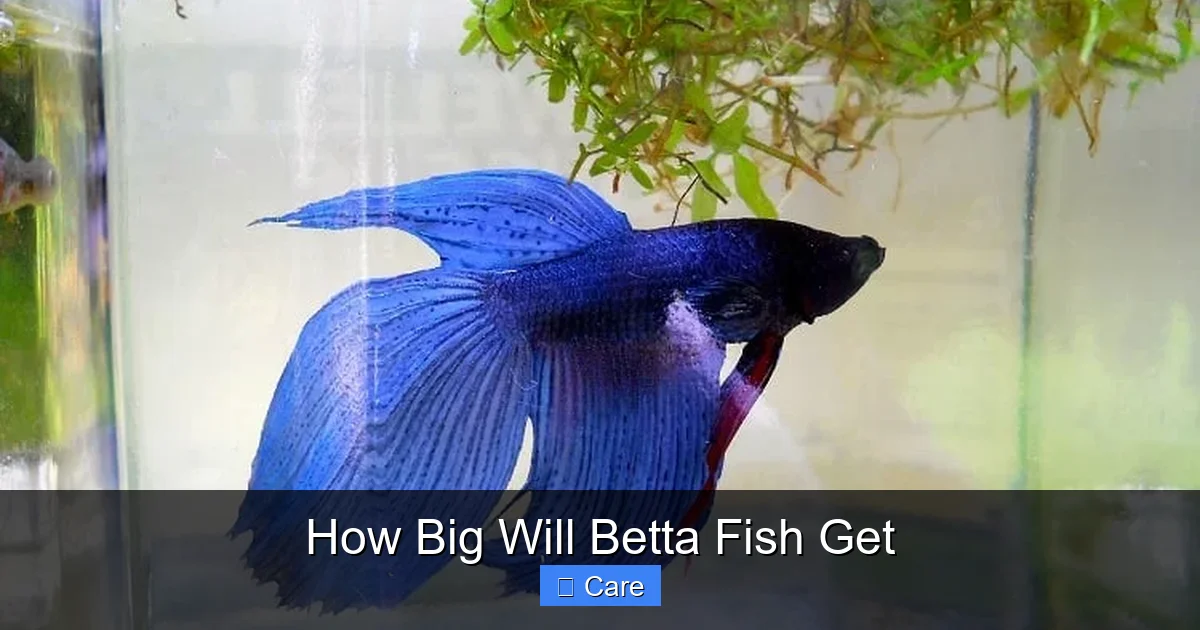
Visual guide about How Big Will Betta Fish Get
Image source: fishlab.com
The Pitfalls of a Poor Diet
Many new betta owners default to the food that came with the cup or the cheapest flake food at the store. This is a critical error. Most generic “tropical fish” flakes are plant-based fillers with minimal protein. Bettas are obligate carnivores; their digestive systems are short and designed to process animal protein efficiently. A plant-heavy diet leads to:
- Digestive Issues: Constipation and swim bladder disease, which can cause the fish to float upside down or sink, severely impacting its ability to eat and thrive.
- Poor Coloration: Dull, faded colors are often a sign of nutritional deficiency.
- Lack of Growth: The body cannot build new tissue without the proper amino acids and proteins.
- Increased Waste: Undigested fillers create more solid waste, fouling the tank faster.
Building the Perfect Betta Menu
Think of your betta’s diet like a balanced human diet: a healthy staple with nutritious variety.
The Staple (80% of diet): A high-quality betta-specific pellet. These are formulated with the right protein and fat content. Look for ingredients like whole fish, shrimp meal, or krill meal as the first few ingredients. Soak them in tank water for a minute before feeding to make them easier to digest and prevent them from swelling in the fish’s stomach.
The Variety (20% of diet): This is where you provide essential nutrients and enrichment.
- Frozen Foods: These are superior to freeze-dried because they retain more nutrients and are more palatable. Keep a small container of frozen daphnia, bloodworms, or brine shrimp. Thaw a tiny portion in a dish of tank water before offering.
- Live Foods: The ultimate treat and stimulant. A small culture of microworms or vinegar eels can provide exciting hunting behavior. However, only source live foods from trusted suppliers to avoid introducing parasites.
- Fiber: Once a week, offer a blanched, skinned pea (just the inner part). This provides fiber to keep the digestive tract moving and prevent constipation, a common betta ailment.
Feeding Schedule & Quantity: A betta’s stomach is roughly the size of its eye. Feed 2-3 pellets (or a similar small amount of other food) 1-2 times daily. Observe your fish—if there is leftover food after 3 minutes, you’ve overfed. Remove any uneaten food immediately with a net or siphon. Implement a “fast day” once a week where you offer no food. This gives the digestive system a rest and is completely natural.
Lifespan and Growth Stages: What to Expect
Understanding the timeline of a betta’s life helps set realistic expectations for its size and care needs at each stage.
From Fry to Adult: The Growth Timeline
- Fry (0-2 months): Newly hatched betta fry are tiny, about the size of a pinhead, and require infusoria or microworms as their first food. They are incredibly fragile. Growth is rapid during this period with proper nutrition.
- Juvenile (2-4 months): This is the stage where sexing becomes possible and fins begin to develop. They are eating larger foods. Growth continues at a fast pace.
- Sub-Adult (4-6 months): This is the key milestone. By approximately 6 months of age, a betta has reached its full adult size. Its fins have largely developed, and its body has stopped lengthening. You will now see the true size potential of your fish, based on its genetics and the care it has received.
- Adult (6 months – 2-5 years): The fish will maintain its adult size for the rest of its life. Proper care during this phase is about maintaining health, vibrant color, and fin integrity. A well-cared-for adult betta will not get any longer, but it can become more filled out and robust.
The Impact of Lifespan on Size Perception
A betta’s total lifespan in good care is 2 to 5 years, with 3-4 being a common average. This means that for the vast majority of its life, your betta will be at that full adult size of 2.5-3 inches. The first 6 months are a period of intense growth, but it’s a sprint compared to the marathon of its adult life. This is why investing in the right tank, water, and food from the very beginning is so vital. You are setting the stage for 2-5 years of a full-sized, healthy companion. A stunted betta that never grew properly due to poor early care will remain small and often unhealthy for its entire, possibly shortened, life.
Common Misconceptions and Myths Debunked
The world of betta keeping is rife with outdated and harmful myths that directly impact fish size and welfare. Let’s dismantle the most pervasive ones.
Myth 1: “Bettas are happy in small bowls/vases. They’re from puddles.”
FALSE. This is the granddaddy of all betta myths. While wild bettas do live in shallow, seasonal bodies of water like rice paddies, these are vast, complex ecosystems with vegetation, insects, and stable water chemistry during the rainy season. They are not tiny, stagnant, isolated cups. A vase with a plant on top is a closed ecosystem with no filtration, no heater, and minimal gas exchange. It is a guaranteed path to poor water quality, cold stress, and stunted growth. Bettas are active swimmers that need space.
Myth 2: “They only grow to the size of their tank.”
FALSE, but with a grain of truth. Fish do not magically grow to fill their container like a balloon. A betta’s genetic potential is fixed. However, a severely undersized tank will stunt a fish, preventing it from reaching its genetic potential. The stress, poor water, and lack of exercise in a small tank inhibit growth. So, while a betta won’t grow to 10 inches in a 100-gallon tank, it absolutely will fail to reach its proper 2.5-3 inch size in a 1-gallon bowl. The tank size doesn’t set the upper limit; it sets a lower, harmful limit if it’s too small.
Myth 3: “You don’t need a filter or heater for a betta.”
FALSE. This is perhaps the most dangerous myth. A filter is essential for establishing a nitrogen cycle, which processes toxic fish waste. Without it, you are doing daily 100% water changes just to stay ahead of ammonia—a near-impossible task that causes immense stress. A heater is non-negotiable because bettas are tropical fish. Cold water (< 76°F) slows their metabolism to a crawl, crippling their immune system and digestion, leading to stunted growth and disease. Both are fundamental to achieving proper size and health.
Myth 4: “Feeding them once a week is fine; they don’t eat much.”
FALSE. This leads to malnutrition and starvation. Bettas have a high metabolism for their size, especially in warm water. They need daily, appropriate nutrition to fuel their active lifestyle and growth. Underfeeding leads to a thin, weak, and small fish. The key is feeding the right amount (a small pinch) of the right food (high-protein) daily, not feeding a large amount of the wrong food.
Conclusion: Size is a Symptom of Care
So, how big will your betta fish get? The answer is a personal one, written in the language of care you provide. The biological reality is a range of 2.5 to 3 inches for a well-cared-for specimen. But that number is more than a measurement; it’s a report card on your husbandry. A betta that reaches the top of that range, with a robust body, vibrant colors, and flowing, intact fins, is a testament to clean water, warm temperatures, a spacious home, and a nutritious diet. A betta that remains small, pale, and frail is a silent cry for better conditions.
Moving beyond the myth of the “disposable cup fish” is the first step. When you see that beautiful betta in the store, don’t just see a 1-inch decoration. See the potential for a 3-inch, interactive personality that will recognize you, flare at its reflection, and gracefully navigate a planted paradise you’ve built for it. Commit to the 5-gallon (or larger) tank, the heater, the gentle filter, and the quality food. Do this, and you won’t just have a pet. You’ll have a thriving, full-sized jewel of the aquatic world, a living testament to the fact that the right environment doesn’t just support life—it allows it to flourish to its absolute, stunning potential. Your betta’s size is in your hands. Build the right home, and watch it grow.
Frequently Asked Questions
Can a betta fish grow bigger than 3 inches?
While the average healthy adult betta reaches 2.5 to 3 inches, some individuals, particularly large-finned halfmoon or wild-type varieties, can occasionally exceed 3.5 inches under exceptional care. However, genetics ultimately set the maximum potential size for any individual fish.
Will my betta grow to fill a 10-gallon tank?
No. A betta’s size is determined by genetics, not tank volume. However, a 10-gallon tank provides vastly superior water stability, swimming space, and enrichment compared to a smaller tank, which allows the betta to reach its full genetic size potential and exhibit natural behaviors. It will not grow to “fill” the tank, but it will be healthier and more active.
How can I tell if my betta is stunted?
Signs of stunted growth include a body length that remains under 2 inches after 6 months of age, a very thin or “skinny” appearance even when well-fed, lethargy, poor fin development, and frequent health issues. These are almost always symptoms of chronic stress from poor water quality, cold water, or inadequate nutrition over time.
Do male or female bettas get bigger?
Male bettas are almost always larger and have much longer, more elaborate fins than females. Females are typically smaller, with shorter fins, and are often on the lower end of the 2.5-3 inch size range. If you are seeking the largest possible visual impact, a male is the clear choice.
How fast do betta fish grow after you buy them?
Bettas sold in stores are typically already 4-6 months old and have reached or are very close to their full adult size. You may see minor thickening or filling out over the next few months with excellent care, but they will not grow significantly longer. The critical growth phase happens before they are sold.
Is it cruel to keep a betta in a small tank if it seems fine?
Yes, it is considered poor welfare. A betta may appear “fine” in a small, dirty bowl, but it is almost certainly experiencing chronic stress, suffering from poor water quality, and has been stunted from reaching its full size and potential. This stress severely compromises its immune system, leading to a shorter, more disease-prone life. Providing a proper 5+ gallon tank with filtration and heating is a basic requirement for ethical betta care.