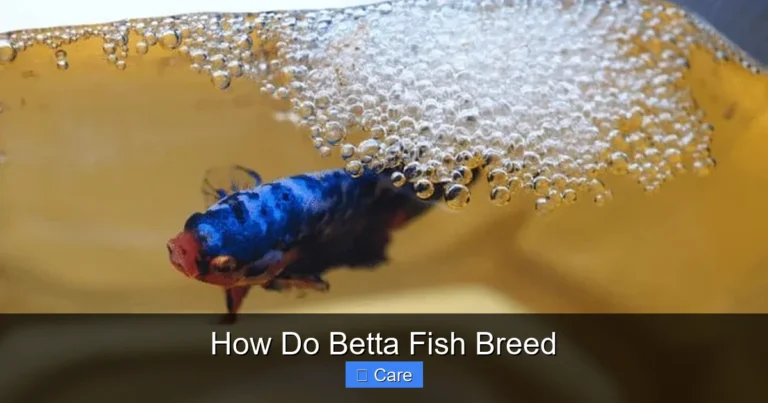
What Does Betta Fish Eat
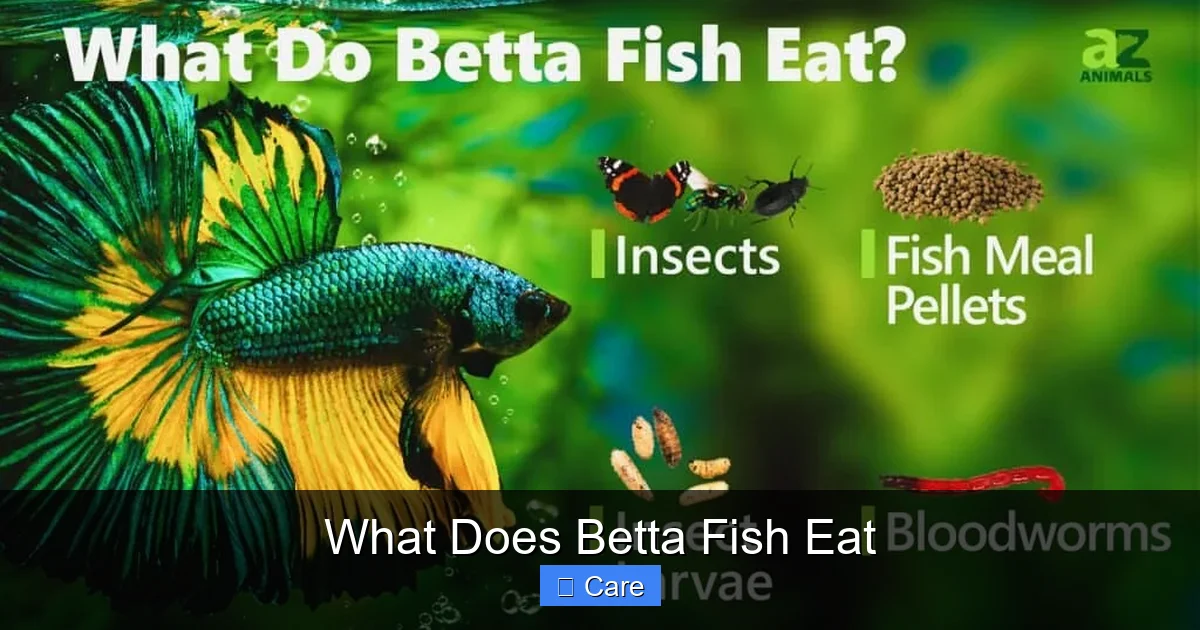
Betta fish thrive on a varied diet that combines high‑quality pellets, frozen or live foods, and occasional plant matter. Providing the right mix not only enhances their brilliant colors but also supports strong fins, healthy digestion, and a longer lifespan. Follow our simple feeding guide to keep your betta happy and healthy every day.
Key Takeaways
- Staple diet: High‑protein betta pellets should form the bulk of every meal.
- Supplementary foods: Live or frozen brine shrimp, daphnia, and bloodworms add variety and nutrition.
- Feeding frequency: Two small meals per day prevent over‑feeding and keep water quality stable.
- Water safety: Rinse dry foods and thaw frozen foods to avoid introducing contaminants.
- Plant matter: A few blanched peas or algae wafers aid digestion and prevent constipation.
- Signs of a healthy betta: Bright colors, active swimming, and a steady appetite indicate a proper diet.
- Common mistakes: Over‑feeding, feeding only live foods, or using low‑quality pellets can lead to health issues.
📑 Table of Contents
- Introduction: Why Diet Matters for Betta Fish
- 1. The Core of a Betta’s Diet: High‑Quality Pellets
- 2. Live and Frozen Foods: Adding Variety and Stimulation
- 3. Plant Matter: The Unsung Hero for Digestion
- 4. Feeding Schedule: How Often and How Much?
- 5. Common Mistakes and How to Avoid Them
- 6. Signs of a Healthy (or Unhealthy) Betta
- Conclusion: Feeding Your Betta for a Long, Colorful Life
Introduction: Why Diet Matters for Betta Fish
Betta fish, also known as Siamese fighting fish, are famous for their flamboyant fins and vivid colors. While their looks often steal the spotlight, their diet is the real backstage hero that keeps those colors shining. A balanced diet fuels growth, strengthens the immune system, and prevents common problems like fin rot, constipation, and swim‑bladder disease.
In this guide we’ll break down exactly what betta fish eat, how much, how often, and why each food type matters. Think of it as a friendly chat over a cup of tea—simple, clear, and packed with useful tips you can start using today.
1. The Core of a Betta’s Diet: High‑Quality Pellets
What makes pellets the staple?
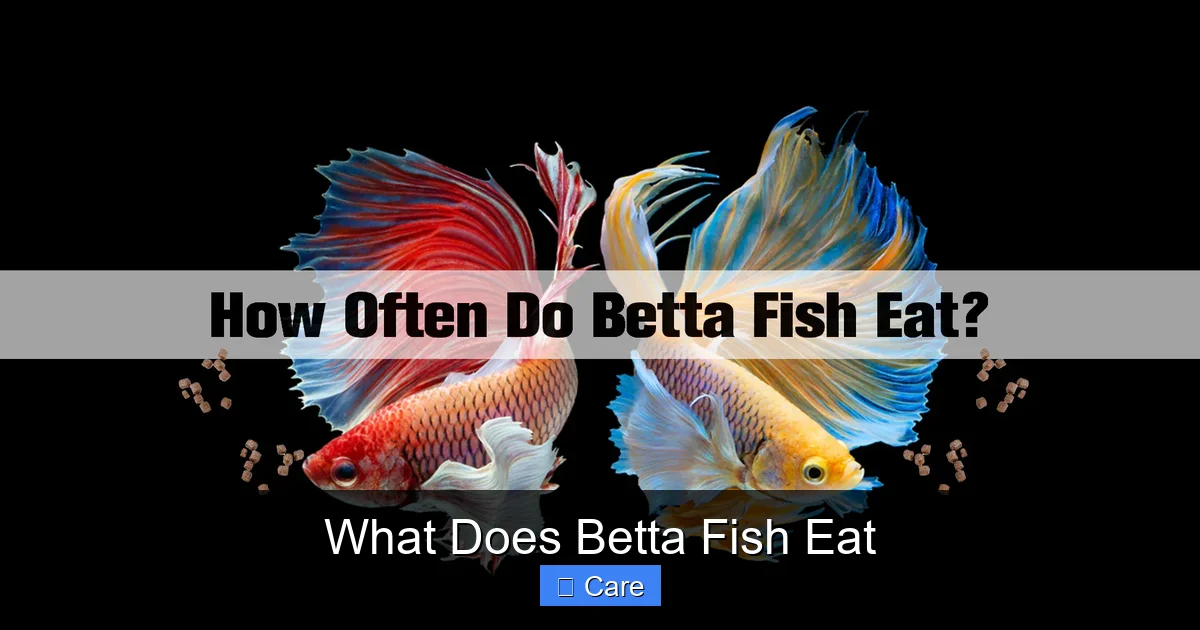
Pellets are specially formulated to meet the nutritional needs of a carnivorous fish like the betta. They contain the right balance of protein, fat, vitamins, and minerals in a convenient, mess‑free form.
Visual guide about What Does Betta Fish Eat
Image source: jvbettafishforsale.com
Choosing the right pellet
- Protein content: Look for 30–45 % protein. This mimics the betta’s natural diet of insects and larvae.
- Size: Betta pellets should be small—about the size of a pea—so the fish can swallow them easily.
- Ingredients: Prioritize real fish or shrimp meal, avoid excessive fillers like wheat or soy.
- Brand reputation: Trusted brands often list exact nutrient percentages and have third‑party testing.
How to feed pellets
Offer 2–3 pellets per feeding, twice a day. If the pellets float, let them sink for a few seconds before removing any leftovers. This prevents over‑feeding and keeps the water clean.
2. Live and Frozen Foods: Adding Variety and Stimulation
Why include live or frozen foods?
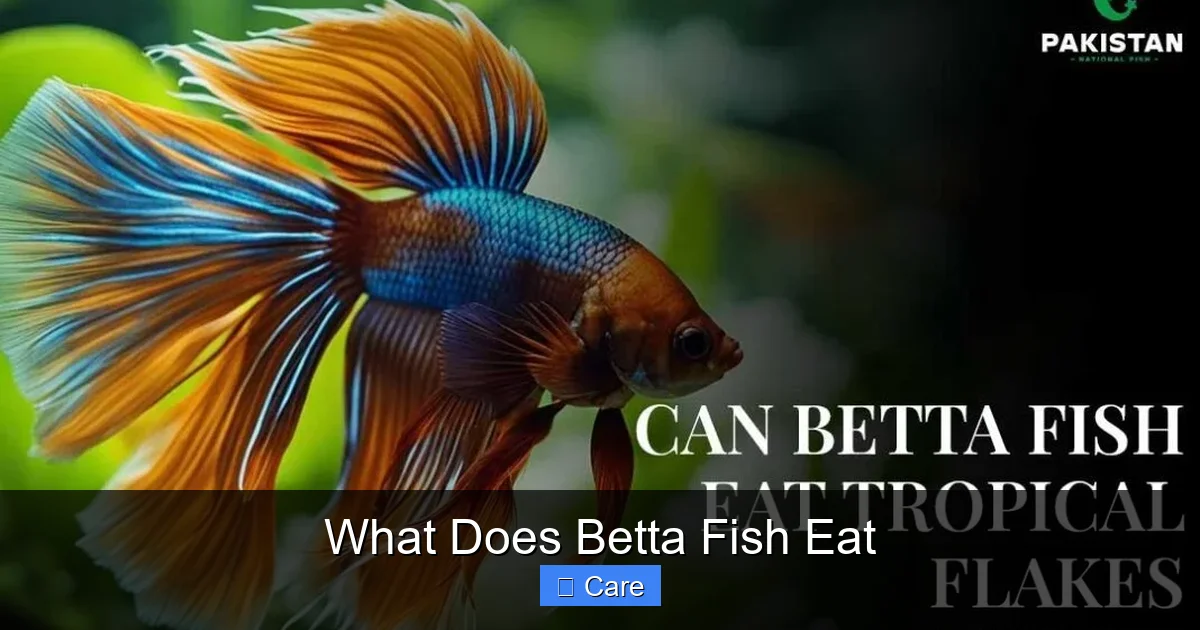
Live and frozen foods provide essential fatty acids, enzymes, and a sense of “hunting” that stimulates a betta’s natural instincts. They also add texture and flavor, keeping your fish interested in its meals.
Visual guide about What Does Betta Fish Eat
Image source: pakistannationalfish.com
Best choices for bettas
- Brine shrimp (live or frozen): High in protein and easy to digest.
- Daphnia: Offers a gentle source of fiber that aids digestion.
- Bloodworms (frozen): Rich in iron; great as an occasional treat.
- Microworms: Tiny and perfect for younger bettas.
Feeding tips
Thaw frozen foods in a cup of tank water for a few minutes. Rinse live foods briefly in a separate container to remove debris. Feed no more than the size of your betta’s eye per session, and limit live/frozen treats to 1–2 times per week.
3. Plant Matter: The Unsung Hero for Digestion
Do bettas need vegetables?
Although bettas are primarily carnivorous, a small amount of plant matter can help prevent constipation—a common issue when they eat too many dry pellets.

Visual guide about What Does Betta Fish Eat
Image source: happybettafish.com
Best vegetable options
- Peas: Blanched, skin removed, and mashed. A pea once a week works wonders.
- Algae wafers: Provide a gentle source of fiber and micronutrients.
- Zucchini or cucumber slices: Soft, easy to chew, and low in calories.
How to prepare
Steam or boil the vegetable until soft, then let it cool. Cut into bite‑size pieces and offer for a few minutes. Remove any uneaten pieces promptly.
4. Feeding Schedule: How Often and How Much?
Two meals a day rule
Betta fish have small stomachs. Feeding them twice daily—morning and evening—helps maintain steady energy levels without overloading their digestive system.
Portion control
Use the “two‑second rule”: the fish should be able to eat the offered food within two seconds. If food remains after that, remove it. This prevents excess waste and keeps water parameters stable.
Weekend and vacation tips
- Automatic feeders: Set to release a small portion of pellets once in the morning and once at night.
- Pre‑soaked pellets: Soak in tank water for a few minutes before placing them in the feeder to reduce floating.
- Ask a friend: If you’ll be away longer than a week, have someone check the tank and feed a small amount.
5. Common Mistakes and How to Avoid Them
Over‑feeding
Too much food leads to cloudy water, ammonia spikes, and obesity. Stick to the two‑second rule and always remove leftovers.
Relying solely on live foods
Live foods can be nutritionally unbalanced and may introduce parasites. Use them as treats, not the mainstay.
Choosing cheap, low‑quality pellets
Fillers and low protein content can cause dull colors and poor growth. Invest in reputable brands even if they cost a bit more.
Ignoring water quality after feeding
Uneaten food decomposes quickly, raising nitrate and nitrite levels. Regular water changes (20–30 % weekly) keep the environment safe.
6. Signs of a Healthy (or Unhealthy) Betta
What to look for in a thriving betta
- Bright, even coloration: Indicates proper nutrition and good health.
- Active swimming: Curious exploration of the tank shows energy.
- Full, un‑clipped fins: Strong fins are a sign of adequate protein.
- Steady appetite: Regular interest in food without refusing meals.
Warning signs that diet may need adjustment
- Constipation: Bloated belly, difficulty swimming; feed a pea.
- Fin rot or discoloration: May indicate lack of vitamins; add a vitamin‑rich supplement.
- Excessive lethargy: Could be over‑feeding or poor water quality; reassess feeding schedule.
Conclusion: Feeding Your Betta for a Long, Colorful Life
Understanding what betta fish eat is the foundation of responsible fish keeping. By combining high‑quality pellets, occasional live or frozen treats, and a touch of plant matter, you give your betta the balanced nutrition it needs to flaunt those spectacular fins. Remember to feed small portions twice a day, keep the water clean, and watch for any changes in behavior or appearance. With these simple steps, you’ll enjoy a healthy, vibrant betta for years to come.
Frequently Asked Questions
How often should I feed my betta fish?
Feed your betta twice daily—once in the morning and once in the evening—offering only as much food as it can eat in two seconds.
Can I feed my betta only live food?
Live food should be a supplement, not the sole diet. Over‑reliance can cause nutritional imbalances and increase disease risk.
What is the best pellet size for bettas?
Choose pellets the size of a pea or smaller. They should sink slowly, allowing the betta to spot and eat them easily.
Why is my betta constipated and how can I fix it?
Constipation often results from too many dry pellets. Offer a blanched, peeled pea once to help clear the digestive tract.
Do bettas need vitamins or supplements?
A high‑quality pellet already contains essential vitamins. Use supplements only if a vet recommends them for a specific health issue.
Can I keep my betta in a community tank with other fish?
Betta fish are aggressive toward similar‑looking species. If you try a community setup, choose peaceful, non‑fin‑nipping tankmates and provide plenty of hiding places.