Do Bettas Eat Other Fish
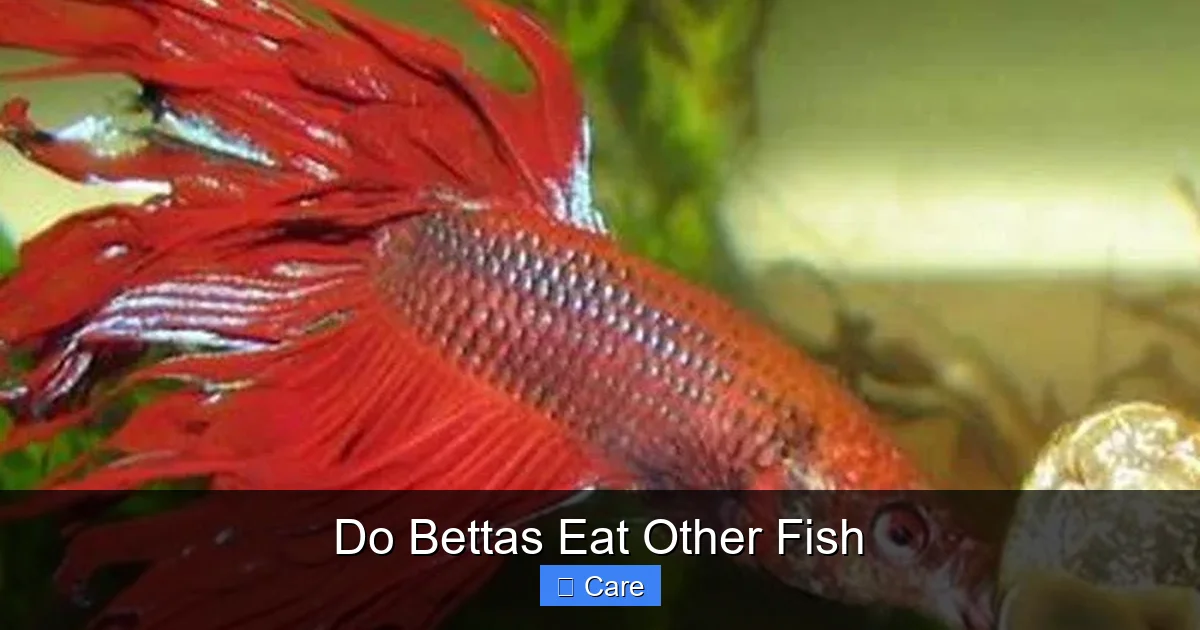
Betta fish are primarily carnivorous and may nibble on small, slow‑moving fish, but they rarely hunt actively. Understanding their diet, temperament, and tank setup helps you decide which companions are safe and how to prevent unwanted aggression. Read on for practical tips to keep your betta happy and your community tank peaceful.
Key Takeaways
- Natural diet: Bettas prefer protein‑rich foods like insects and worm babies, not whole fish.
- Size matters: Small, fast‑moving fish are less likely to be seen as food.
- Temperament varies: Males are generally more territorial than females, influencing compatibility.
- Tank setup is crucial: Plenty of plants, hiding spots, and a well‑filtered 10‑gallon minimum reduce stress.
- Monitor behavior: Early signs of aggression (flaring, chasing) signal that a fish isn’t a good match.
- Feeding schedule: Regular, small meals keep bettas satisfied and less prone to hunting.
- Research before adding: Use reliable resources, such as our guide on what other fish can bettas live with, to choose compatible tank mates.
📑 Table of Contents
Introduction: The Curious Question
When you first bring a betta home, you might wonder, “do bettas eat other fish?” It’s a common concern, especially if you’re thinking about a community tank. Bettas, also called Siamese fighting fish, are known for their bright colors and dramatic fins, but they also have a reputation for being feisty.
In this article we’ll break down the science behind a betta’s diet, explore how their natural instincts affect tank‑mate choices, and give you clear, step‑by‑step advice on creating a safe environment. By the end, you’ll know exactly when a betta might see a tiny fish as a snack and when they’ll happily share the space.
1. What Bettas Really Eat
1.1 Natural feeding habits
In the wild, bettas live in shallow rice paddies and slow‑moving streams of Thailand. Their stomachs are built for high‑protein meals: mosquito larvae, tiny crustaceans, and other small invertebrates. They are opportunistic predators, but they rarely chase down fast swimmers.
Visual guide about Do Bettas Eat Other Fish
Image source: petsoid.com
1.2 Typical captive diet
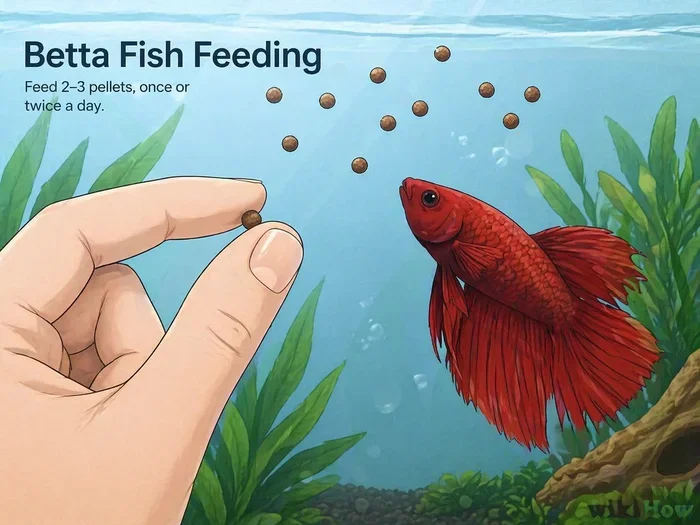
Most owners feed bettas pellets, frozen bloodworms, brine shrimp, or daphnia. These foods mimic the protein‑rich diet they would find in nature. A well‑fed betta is less likely to hunt other fish because the hunger drive is satisfied.
For a deeper dive into feeding frequency, see how often do betta fish eat.
2. Do Bettas Actually Eat Other Fish?
2.1 Size and speed are key
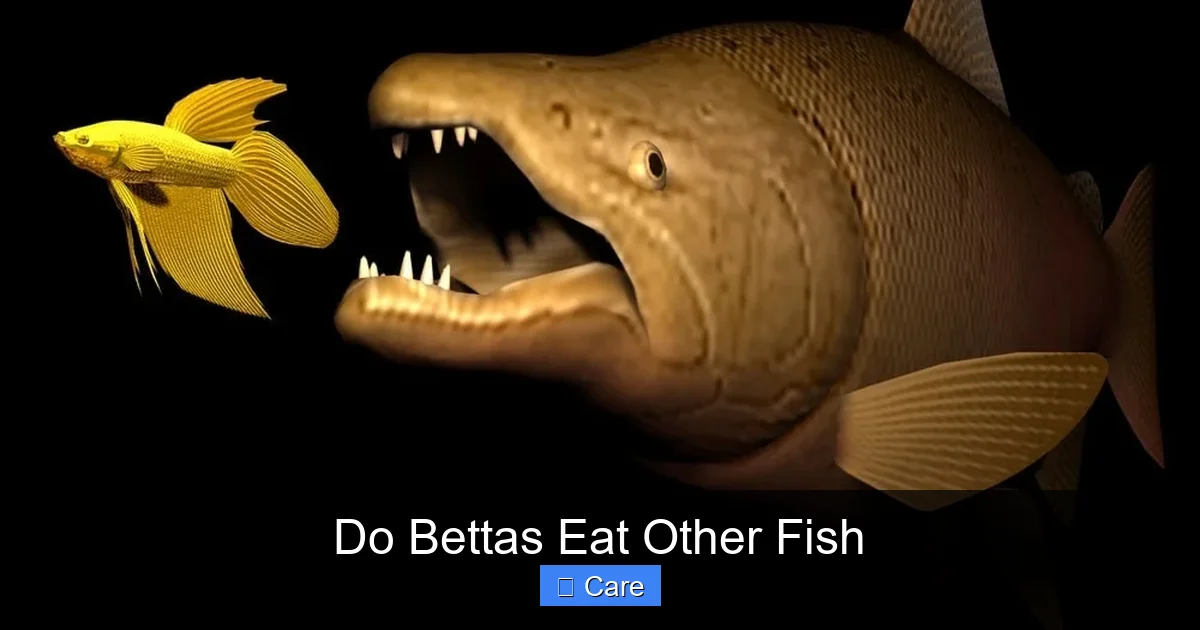
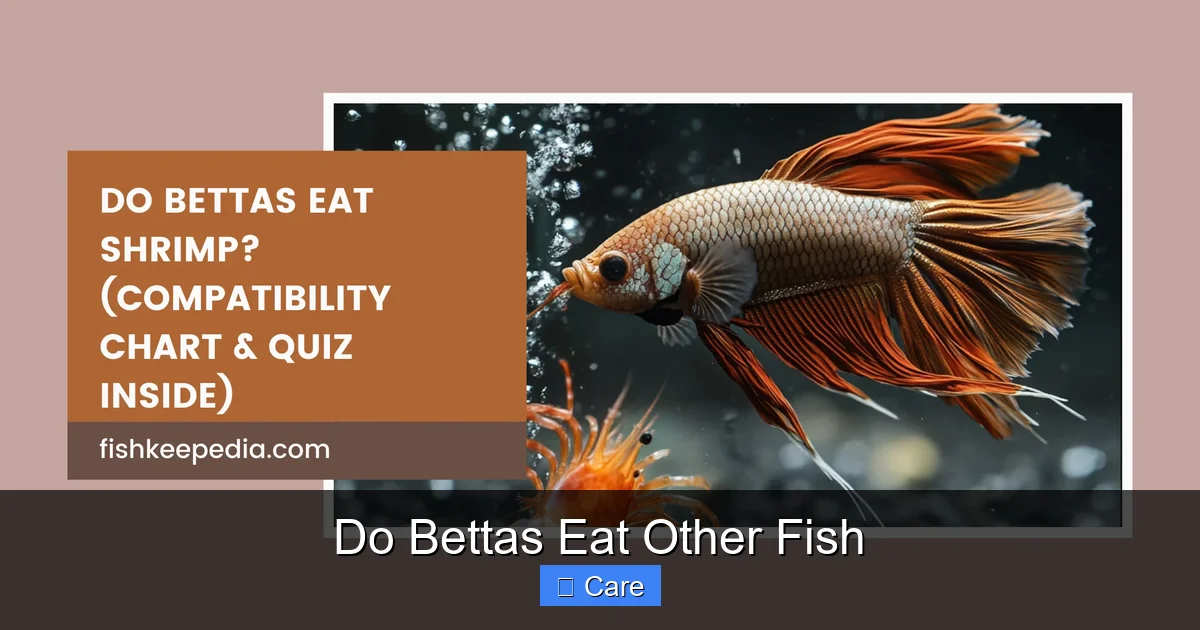
Betas will sometimes snap at very small, slow‑moving fish that fit in their mouths—think tiny fry or baby guppies. Larger, active fish are usually ignored because they’re too quick to catch.
Visual guide about Do Bettas Eat Other Fish
Image source: fishkeepedia.com
2.2 Aggression vs. predation
When a betta flares and chases a tank mate, it’s often a territorial display, not a hunting instinct. The betta is defending its space, not looking for a meal. However, if the other fish is tiny enough, the betta might take a bite out of curiosity.
2.3 Real‑world examples
- Neon tetras: Too fast and too small; bettas usually ignore them.
- Corydoras catfish: Bottom dwellers that move slowly, but their armored plates protect them.
- Endler’s livebearers: Small and fast; they can coexist if the tank is well‑planted.
3. Choosing Safe Tank Mates
3.1 Ideal companions
Look for fish that are:

Visual guide about Do Bettas Eat Other Fish
Image source: feedingnature.com
- At least 2‑3 cm long (so they can’t fit in a betta’s mouth)
- Quick swimmers or good hide‑seekers
- Non‑aggressive and not brightly colored in the same spectrum as the betta
Our detailed list of compatible species is covered in what other fish can bettas live with.
3.2 Male vs. female bettas
Male bettas are more territorial, especially during breeding season. Females can be a bit more tolerant, but they still need space. If you plan a community tank, a single female is often a safer bet than a single male.
3.3 Tank size and layout
A minimum of 10 gallons provides enough room for a betta and a few small companions. Use live plants, driftwood, and silk hideouts to break lines of sight. This reduces the chance that the betta will feel the need to chase.
4. How to Prevent Unwanted Eating
4.1 Feed before introducing new fish
A well‑fed betta is less likely to view a newcomer as food. Offer a small meal of high‑protein flakes or frozen foods about an hour before the new fish enters the tank.
4.2 Gradual acclimation
Use a divider or a breeding box for the first 24‑48 hours. This lets the betta see the new fish without direct contact, reducing stress on both sides.
4.3 Observe and act quickly
Watch for signs of aggression: flaring, nipping at fins, or persistent chasing. If the behavior continues after a few days, it’s best to relocate one of the fish to prevent injury.
5. Common Myths About Bettas and Other Fish
5.1 “Bettas will eat any fish they can fit”
True for very tiny fry, but not for most hobby‑grade fish. A healthy adult betta rarely goes after a fish larger than 1 cm.
5.2 “All male bettas are killers”
While many males are aggressive toward other males, they can coexist with other species if the environment is right. See our article on can you keep male bettas with other fish for more details.
5.3 “Bettas need a solo tank to thrive”
They can live happily with compatible tank mates, especially in a well‑planted, spacious tank. Solo setups are fine, but not mandatory.
Conclusion: Making an Informed Decision
So, do bettas eat other fish? The short answer is: only if the other fish is small enough to be considered prey and if the betta is hungry or overly territorial. By providing a balanced diet, ample space, and carefully selected tank mates, you can enjoy the vibrant beauty of a betta alongside peaceful community fish.
Remember to monitor behavior, feed regularly, and keep the tank environment enriching. With these steps, you’ll create a harmonious aquarium where your betta and its companions can thrive together.
Frequently Asked Questions
Do bettas eat live fish?
Only very small, slow‑moving fish may be taken as a snack. Larger or faster swimmers are usually ignored.
Can I keep a male betta with other fish?
Yes, if the tank is at least 10 gallons, has plenty of plants, and the companions are fast‑moving or larger than 2 cm.
What should I feed my betta to reduce aggression?
Offer high‑protein foods such as frozen bloodworms or daphnia twice daily. A satisfied betta is less likely to hunt.
How do I know if my betta is stressed by other fish?
Watch for constant flaring, chasing, or loss of color. Stress often shows as a pale appearance and rapid breathing.
Are there any fish that are completely safe with bettas?
While no guarantee exists, species like small rasboras, neon tetras, and peaceful dwarf gouramis are generally safe when the tank is well‑decorated.
What is the best way to introduce new fish to a betta’s tank?
Feed the betta first, use a divider or breeding box for 24‑48 hours, then slowly remove the barrier while monitoring behavior.