What Do Betta Fish Eat
Betta fish are strict carnivores, not plant-eaters, and require a diet rich in animal protein to thrive. Their staple diet should consist of high-quality, betta-specific pellets or frozen foods like brine shrimp and daphnia. Overfeeding is the most common mistake, leading to serious health and water quality issues. A varied diet, fed in small portions once or twice daily, is key to a long, healthy life for your Siamese fighting fish.
Key Takeaways
- Bettas are obligate carnivores: Their digestive systems are designed to process animal protein, not plant matter. A vegetarian diet will lead to malnutrition and health problems like swim bladder disease.
- Staple food should be betta-specific pellets: These are formulated with the correct protein content (35-50%) and size for their small mouths. Soak pellets briefly before feeding to prevent digestive issues.
- Variety is essential: Supplement pellets with high-protein frozen or freeze-dried foods like bloodworms, brine shrimp, or daphnia 2-3 times a week for enrichment and complete nutrition.
- Feed tiny portions: A betta’s stomach is about the size of its eye. Overfeeding pollutes water and causes constipation and swim bladder disorders. Any uneaten food must be removed immediately.
- Establish a consistent schedule: Feed once or twice daily at the same times. It’s healthy and natural to skip a meal once a week, which gives their digestive system a rest.
- Never feed live feeder fish: This is dangerous and unethical. Live feeders can introduce parasites, cause injury, and are nutritionally poor compared to cultured foods.
- Watch for signs of poor diet: Lethargy, faded colors, clamped fins, constipation (a swollen abdomen), or stringy feces can all indicate dietary issues or overfeeding.
📑 Table of Contents
- Understanding the Betta Fish: More Than Just a Pretty Face
- The Foundation: Choosing the Right Staple Food
- Supplementing for Health: The Power of Frozen & Freeze-Dried Foods
- What NOT to Feed: Dangerous and Inappropriate Foods
- The Art of Feeding: Schedule, Portion, and Technique
- Recognizing Problems: Dietary Deficiency and Overfeeding
- Special Considerations: Fry, Seniors, and Sick Fish
- Conclusion: It’s All About Mimicking Nature
Understanding the Betta Fish: More Than Just a Pretty Face
So, you’ve brought home a stunning betta fish, with its flowing fins and vibrant colors, and you’re asking the most fundamental question of all: what do betta fish eat? It’s a deceptively simple question, but getting the answer right is the single most important factor in your betta’s long-term health and happiness. Many new owners, misled by the betta’s common name “Siamese fighting fish” or by seeing them in tiny cups at the store, assume they are incredibly hardy and can eat anything. This is a dangerous myth. To properly care for your betta, you must first understand its natural biology.
Betta splendens is a carnivorous labyrinth fish native to the shallow, warm waters of Southeast Asia—think rice paddies, slow-moving streams, and floodplains. In this environment, they are micro-predators. Their diet in the wild consists almost exclusively of insects, insect larvae (like mosquito wrigglers), tiny crustaceans (such as daphnia and brine shrimp), and zooplankton that fall into the water. They are surface feeders by nature, often grabbing prey from the water’s top layer. Their short, upturned mouths are perfectly adapted for this. This natural diet is high in protein and low in carbohydrates and plant fibers. Their digestive tracts are short and acidic, designed to process meat, not vegetation. Feeding them a diet based on plant materials, like generic tropical fish flakes or peas, is like feeding a lion a salad—it simply doesn’t meet their physiological needs and will lead to chronic health issues over time. When we ask “what do betta fish eat,” the answer must start with this core truth: they are obligate carnivores.
The Foundation: Choosing the Right Staple Food
Now that we know bettas need meat, what should form the daily backbone of their diet? This is where the world of aquarium foods can be overwhelming. Let’s cut through the noise. The best staple food for a betta is a high-quality pellet or granulate specifically formulated for bettas. Why betta-specific? Because their small mouths and delicate digestive systems have unique needs.
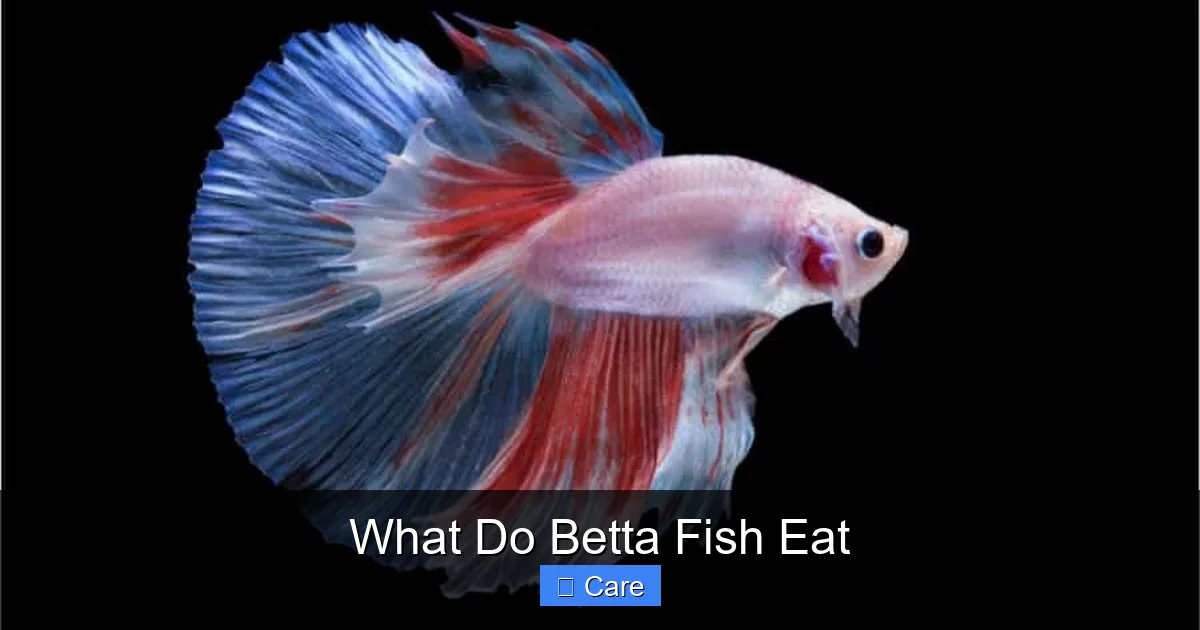
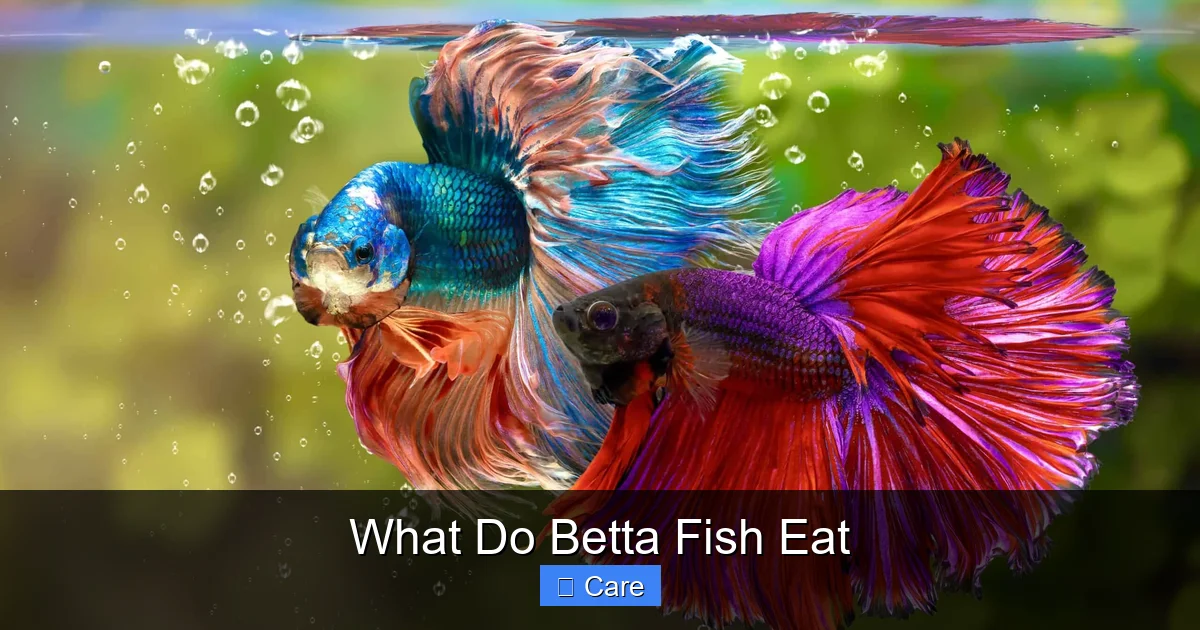
Visual guide about What Do Betta Fish Eat
Image source: ouraquariumlife.com
Why Betta-Specific Pellets Are Non-Negotiable
Standard tropical fish pellets are often too large for a betta to eat comfortably and may have a lower protein content. They also tend to have more fillers and plant-based ingredients. A good betta pellet will have a crude protein content of at least 35%, with premium brands hitting 45-50%. The first few ingredients should be identifiable animal proteins like whole fish, shrimp meal, or squid meal. Avoid pellets where “wheat flour,” “soybean meal,” or “potato protein” are at the top of the list. These are cheap fillers that provide little nutritional value for your carnivore.
The size of the pellet is crucial. It should be no larger than the size of your betta’s eye. Many brands make “micro pellets” or “betta bites” that are perfect. Another important tip: always soak dry pellets in a small cup of your tank water for a minute or two before adding them to the tank. This softens the pellet, making it easier to digest and reducing the risk of causing constipation or swelling in the betta’s stomach, which can lead to swim bladder problems.
Practical Example: Look for brands like New Life Spectrum OPT1, Hikari Betta Bio-Gold, or Fluval Bug Bites. These are consistently rated highly by experienced hobbyists for their quality ingredients and appropriate pellet size. A single betta will only need 2-4 of these micro pellets per feeding, depending on the size of the pellet and the fish.
Supplementing for Health: The Power of Frozen & Freeze-Dried Foods
While a high-quality pellet provides a complete nutritional base, feeding the same thing every day is like a human eating only a vitamin pill. It’s “complete,” but it’s not enriching. In the wild, bettas eat a variety of prey. Offering different foods stimulates their natural hunting instincts, provides varied nutrients, and helps prevent dietary boredom. This is where frozen and freeze-dried foods come in.
Top Tier Frozen & Freeze-Dried Options
Frozen foods are arguably the best supplement you can give. They are nutritionally superior to live foods (which carry disease risks) and often more palatable than freeze-dried. You typically buy them in small blister packs. The top choices are:
- Brine Shrimp (Artemia): Especially nauplii (baby brine shrimp). These are tiny, perfect for bettas, and rich in protein and healthy fats. They are excellent for conditioning breeding pairs or just as a weekly treat.
- Bloodworms: The larvae of the midge fly. A betta’s absolute favorite. They are high in protein and iron, and their wriggling motion triggers a strong predatory response. Use them as a “training” treat or a weekly reward.
- Daphnia: Also known as “water fleas.” These are fantastic because they are high in protein but also contain chitin, which aids in digestion and can help alleviate constipation. They are a great, natural “fiber” source for a carnivore.
- Mysis Shrimp: Slightly larger, these are packed with protein and essential fatty acids. They are a bit more substantial and are great for larger adult bettas.
Freeze-dried versions of these foods are a convenient, shelf-stable alternative. They rehydrate quickly in tank water. The process of freeze-drying can reduce some nutrient value compared to frozen, but they are still an excellent, parasite-free option. Always soak freeze-dried foods in tank water for 5-10 minutes before feeding to fully rehydrate them and prevent them from expanding in your betta’s digestive tract.
Feeding Schedule Tip: Feed your chosen staple pellet daily. Offer a small portion of a frozen or freeze-dried food 2-3 times per week. This creates a balanced, enriching diet without overfeeding.
What NOT to Feed: Dangerous and Inappropriate Foods
Equally important as knowing what to feed is knowing what to avoid. The list of harmful foods for bettas is long, and many common “home remedies” or human foods are on it. Here’s your definitive “do not feed” list.
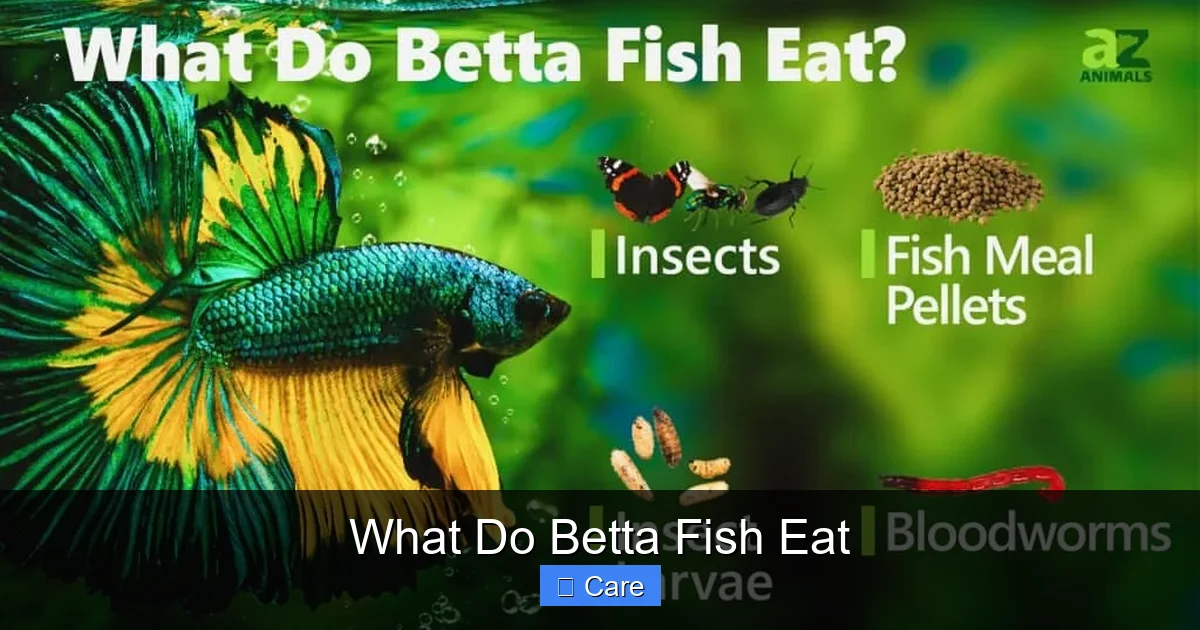
Visual guide about What Do Betta Fish Eat
Image source: a-z-animals.com
The Big No-Nos: Plant Matter and Human Food
This cannot be stressed enough: do not feed your betta vegetables, fruits, or grains. You may see advice online about feeding a pea to relieve constipation. While a *blanched, de-skinned, and mashed* pea is a common laxative for *herbivorous* fish like goldfish, it is not appropriate for a betta. Their system is not designed to break down cellulose. It can cause severe bloating and impaction. The same goes for zucchini, cucumber, or spinach. Bettas cannot digest these.
Avoid all generic “tropical fish food” flakes and granules. These are almost always plant-heavy and will not sustain a betta. Also, never feed bread, crackers, or any processed human food. These are loaded with salts, sugars, and preservatives that are toxic to fish.
The Perils of Live Foods
This is a critical safety point. Never, ever feed live “feeder fish” (like goldfish or guppies) to your betta. This practice is unethical and incredibly dangerous. Live feeders are often raised in poor conditions and are riddled with parasites, bacterial infections, and fungal diseases. Your betta can easily be injured by the spiny fins of a fighting feeder. Furthermore, feeder fish are nutritionally poor—they are mostly fat and bone with little muscle meat. The risks of introducing a deadly pathogen into your tank far outweigh any perceived natural benefit. If you want to simulate live prey, use high-quality frozen foods. They are humanely euthanized, disease-free, and nutritionally superior.
Even “safe” live foods like microworms or vinegar eels should be used with extreme caution, as they can quickly overpopulate a tank and foul water quality if uneaten. They are best reserved for breeding fry.
The Art of Feeding: Schedule, Portion, and Technique
Knowing what to feed is only half the battle. How, when, and how much you feed are just as crucial. Poor feeding practices are the number one cause of health problems in captive bettas, primarily due to overfeeding.
Visual guide about What Do Betta Fish Eat
Image source: a-z-animals.com
How Much? The “Eye-Size” Rule
Forget measuring cups. The simplest, most accurate rule for a betta is this: a full serving per day should be roughly the size of its eyeball. For pellets, this is usually 2-4 micro pellets. For frozen foods, it’s a small pinch that, when thawed and drained, is about the size of a pea. This tiny amount is all their small stomach can comfortably hold. It’s better to underfeed slightly than to overfeed. A slightly hungry betta is a curious, active betta. An overfed betta becomes lethargic, constipated, and its water becomes toxic.
How Often? Consistency is Key
Feed adult bettas once or twice daily. Twice daily feedings of very small portions can be ideal, as it mimics their natural grazing behavior. Pick a schedule and stick to it—fish thrive on routine. Many experienced keepers implement a “fast day” once a week, where no food is offered. This gives the digestive system a complete rest and can help clear any minor blockages. It’s completely natural and beneficial.
The Importance of Observation and Cleanup
Here is the golden rule: watch your betta eat. Only offer food when you can observe the feeding. This allows you to see if the food is being consumed immediately. If your betta ignores the food, remove it with a net or turkey baster within 2-3 minutes. Uneaten food will sink, rot, and produce ammonia, poisoning your water and your fish. This is the single fastest way to create a toxic tank environment. A clean tank is a direct result of proper feeding.
Practical Tip: Use a feeding ring if you have a community tank to ensure your betta gets its share and doesn’t have to chase food into the current. For a solo betta, just drop the food directly in front of it.
Recognizing Problems: Dietary Deficiency and Overfeeding
Even with the best intentions, dietary issues can arise. Knowing the signs allows you to correct course quickly. The two main categories of problem are overfeeding/constipation and nutritional deficiency.
The Dreaded Swim Bladder Disorder
This is the most common issue linked to diet. The swim bladder is a gas-filled organ that helps a fish control its buoyancy. Constipation from overfeeding or feeding inappropriate foods (like dry pellets that swell) can press against the bladder, causing the fish to float upside down, sink and struggle to rise, or swim erratically. Prevention is the cure: feed tiny portions, soak pellets, and include daphnia in the diet as a natural digestive aid. If you suspect constipation, fast the fish for 24-48 hours, then offer a small, skinned, mashed pea (as a last resort, though daphnia is better) or a daphnia treat.
Signs of Malnutrition and Poor Quality Food
If your betta is on a poor diet (e.g., only cheap flakes), you may see:
- Faded or dull colors: Betta colors are often enhanced by a diet rich in carotenoids and high-quality proteins.
- Lethargy and clamped fins: A lack of energy indicates poor nutrition.
- Stringy, clear feces: This can indicate the betta isn’t getting enough solid food or is not digesting its food properly (often from overfeeding low-quality food). Healthy betta poop should be short, dark, and firm.
- Fin rot or fraying: While often caused by water quality, a weakened immune system from poor nutrition makes a betta susceptible.
The solution is to upgrade the staple food to a high-protein betta pellet and introduce regular frozen food meals. You should see an improvement in vitality and color within a few weeks.
Special Considerations: Fry, Seniors, and Sick Fish
Life stage and health status dictate dietary adjustments.
Feeding Betta Fry (Babies)
Newly hatched fry have microscopic mouths and different nutritional needs. For the first few days of life, they live off their yolk sacs. After that, they need infusoria (a culture of microscopic organisms) or commercially prepared liquid fry food. As they grow (after about 1-2 weeks), you can introduce newly hatched brine shrimp nauplii—this is the absolute best first “live” food. It’s tiny, packed with nutrition, and wriggles to attract fry. You can slowly transition them to finely crushed high-quality betta pellets as they grow.
Caring for Senior Bettas
As bettas age (3-5 years), their metabolism slows. They may become less active and require fewer calories. You might reduce feedings to once a day of a very small portion. Ensure the food is easy to digest—soak pellets thoroughly and perhaps offer more daphnia. Monitor their weight closely to ensure they don’t become too thin.
Diet for Sick or Stressed Bettas
A betta recovering from illness (like velvet or ich) or suffering from stress needs easily digestible, immune-boosting foods. Soak pellets until they are very soft. Offer small amounts of high-quality frozen daphnia or brine shrimp, as these are gentle on the system. Avoid overfeeding during illness; a fast can sometimes be beneficial, but consult specific treatment guides. The goal is to provide nutrition without taxing the digestive system.
Conclusion: It’s All About Mimicking Nature
So, what do betta fish eat? The answer is a concise but powerful list: high-protein, betta-specific pellets as a daily base, supplemented with a rotating variety of frozen or freeze-dried animal proteins like brine shrimp, bloodworms, and daphnia. The philosophy is simple: mimic the high-protein, low-carbohydrate, varied diet they would feast on in the shallow waters of Thailand. By understanding their carnivorous nature, avoiding common pitfalls like overfeeding and plant-based foods, and observing your fish’s response, you are directly responsible for your betta’s vibrancy, activity, and longevity. A well-fed betta is a flourishing betta—its colors will be more brilliant, its fins fuller, and its personality more engaging. You are not just filling a belly; you are fueling a living work of art. Take this knowledge, apply it consistently, and enjoy the rewarding experience of providing optimal care for your magnificent betta fish.
Frequently Asked Questions
Can I feed my betta fish vegetables or peas for constipation?
While a skinned, mashed pea is a common laxative for herbivorous fish like goldfish, it is not ideal for bettas. Their carnivorous digestive systems are not designed to break down plant cellulose. A better, more natural option for constipation is to fast the betta for 24-48 hours and then offer a small portion of daphnia, which contains chitin to aid digestion.
How long can a betta fish go without food?
A healthy adult betta can comfortably survive without food for 10-14 days, as their metabolism is slow. However, this is not a recommended practice. Short, planned fasts (24-48 hours) once a week are beneficial for digestion, but prolonged starvation weakens the immune system and is a sign of neglect, not good care.
Are live foods like brine shrimp or bloodworms better than frozen?
High-quality frozen foods are generally superior and safer. They are nutritionally comparable to live foods but are humanely euthanized and virtually free of parasites and bacteria that live foods can carry. Live foods also risk introducing pests into your tank if not cultivated carefully. Frozen is the safer, more convenient, and highly recommended choice for most keepers.
My betta isn’t eating. What should I do?
First, check your water parameters immediately—poor water quality is the most common appetite suppressant. Ensure the water is warm (78-80°F/25.5-26.5°C) and clean. Try offering a different food, like a frozen bloodworm. Some bettas are stubborn and may fast for a few days. If the lack of appetite persists for more than 3-4 days alongside other signs of illness (clamped fins, lethargy, spots), investigate for common diseases like velvet or dropsy.
Can I feed my betta the same food as my other tropical fish?
No. Generic tropical flakes and pellets are formulated for omnivores and contain high levels of plant matter and fillers that a betta cannot digest properly. This will lead to malnutrition, constipation, and swim bladder issues over time. Always use foods specifically designed for bettas or other carnivorous fish.
How do I know if I’m overfeeding my betta?
The clearest signs are: 1) Food sinking to the bottom and rotting before your betta eats it, 2) A visibly swollen, bloated abdomen (especially near the vent), 3) Stringy, pale feces hanging from the fish, and 4) Poor water quality that deteriorates quickly between changes. Remember the “eye-size” rule and always remove any uneaten food within 2-3 minutes.