How Long Does a Betta Fish Live
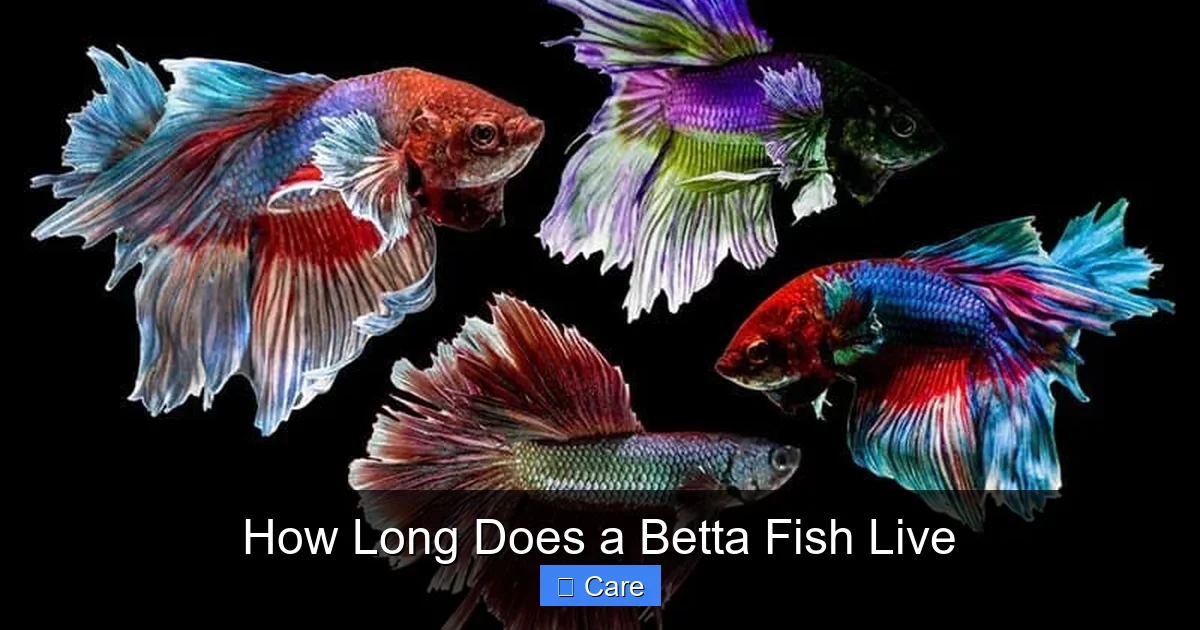
The average betta fish lives 2-4 years in captivity, but with optimal care, they can thrive for 5 years or more. Their lifespan is directly tied to environment, diet, and genetics—not just the common myth of a 1-2 year life. Providing a heated, filtered tank, a high-quality diet, and minimizing stress are the most critical factors for maximizing your betta’s years and vitality.
You’ve seen them, haven’t you? Those dazzling, frilly-finned fish in tiny cups at the pet store, marketed as low-maintenance, short-lived pets. The common, whispered wisdom is that a betta fish lives a lonely, brief life of just one or two years. But what if I told you that this is one of the biggest misconceptions in the aquarium hobby? The truth about how long a betta fish lives is a story of incredible potential, directly written by the care you provide. As a long-time betta keeper and enthusiast, I’ve seen these vibrant creatures thrive for five, six, and even seven years. Their lifespan isn’t a fixed sentence; it’s a range, and where your betta falls on that spectrum is largely up to you. This guide will dive deep into the biological factors, the critical care pillars, and the actionable steps you can take today to ensure your Siamese fighting fish enjoys a long, healthy, and beautiful life. Let’s unravel the mystery and set the record straight.
Key Takeaways
- Genetics & Source Matter: A betta from a reputable breeder or store has a genetic head start and better initial health than a stressed, mass-produced fish.
- Water Quality is Non-Negotiable: Clean, warm, dechlorinated water with a stable cycle is the single most important factor for long-term health, preventing fatal diseases like fin rot and dropsy.
- Tank Size > Bowl: A minimum 5-gallon filtered tank is essential for a healthy, active life. Small bowls lead to rapid toxin buildup and chronic stress.
- Diet is More Than Pellets: A varied diet of high-quality pellets, frozen or live foods (like brine shrimp), and occasional fasts prevents constipation and malnutrition.
- Stress is the Silent Killer: Bright lights, aggressive tankmates, sudden temperature changes, and poor water quality weaken the immune system, drastically shortening lifespan.
- They Are Not “Disposable”: The myth of the 1-2 year betta is perpetuated by improper care. A well-cared-for betta is a long-term companion that recognizes its owner.
📑 Table of Contents
Debunking the Myth: The Truth About Betta Lifespan
Let’s start with the hard numbers, because context is everything. The oft-cited average lifespan of a betta fish (Betta splendens) in the wild is estimated to be around 2 years. In captivity, under typical, sub-optimal conditions—think small, unheated bowls, poor diet—that number sadly often drops to a mere 1.5 to 3 years. But here is the pivotal shift in perspective: with dedicated, informed care, the average lifespan consistently jumps to 4 to 5 years. There are countless verified cases of bettas living 6, 7, and even 8 years in pristine home aquariums. This isn’t luck; it’s the result of meeting their specific biological needs.
The Genetic Lottery: Where Your Betta Comes From
Before you even bring your fish home, its lifespan clock has already started ticking, influenced by its genetics. Bettas sold in big-box stores are often mass-produced in crowded, stressful conditions. These fish are genetically diverse but frequently inbred for specific colors and fin types, which can lead to weakened immune systems and predisposition to diseases like tumors or swim bladder issues. Conversely, bettas purchased from a reputable local breeder or a specialty online store are often hardier. These breeders select for vigor, health, and temperament alongside beauty. Starting with a robust genetic foundation gives your betta a significant advantage in longevity. When possible, seek out a source known for healthy stock. Observe the fish in the store: is it active, with clear eyes and undamaged fins? Or is it listless, clamped, or floating awkwardly? That first impression is a direct window into its current health and potential.
The Wild vs. Captive Divide
In their native Southeast Asian rice paddies and slow-moving streams, bettas face predators, pollution, and habitat loss. Their wild lifespan is short due to these external pressures. In our aquariums, we remove predators and provide consistent food. Therefore, the primary threats to their lifespan become husbandry-related: poor water quality, improper temperature, incorrect diet, and chronic stress. By eliminating these threats, we allow their natural lifespan potential to fully express itself. We aren’t just keeping them alive; we are creating an environment where they can truly thrive.
The Big Four: Pillars of a Long Betta Life
If you want to maximize your betta’s time with you, you must master four fundamental pillars of care. Think of these as the four legs of a sturdy table—if one is weak, the whole structure wobbles, and your fish’s health suffers. These are non-negotiable for longevity.
Visual guide about How Long Does a Betta Fish Live
Image source: petakids.com
1. Water Quality: The Foundation of Health
This cannot be overstated. A betta’s immune system is constantly battling the water it lives in. Ammonia and nitrite, even at low levels, are toxic and cause gill damage and systemic stress. Nitrate, while less immediately toxic, contributes to long-term health decline. The solution is not just “changing the water,” but establishing and maintaining the nitrogen cycle.
- The Cycle is Mandatory: A cycled tank has beneficial bacteria that convert deadly ammonia to nitrite and then to much safer nitrate. An uncycled tank is a toxic soup. You can cycle a tank with a filter before adding any fish (a fishless cycle) or using hardy starter fish, but for a single betta, a properly cycled 5+ gallon tank is the gold standard.
- Heater & Thermometer: Bettas are tropical fish. They require a consistent water temperature between 78°F and 80°F (25.5°C – 26.5°C). Cold water slows their metabolism, compromises their immune system, and makes them susceptible to diseases like ich. A reliable, adjustable heater and a separate thermometer (don’t trust the sticker on the heater!) are essential equipment.
- Water Changes: Even with a filter, you must perform regular partial water changes. In a filtered 5-gallon tank, change 25-30% of the water once a week. Use a water conditioner to neutralize chlorine and chloramines. Never remove more than 50% at once, as this can shock the cycle and the fish. Gently clean the substrate with a siphon to remove waste.
2. Tank Size & Setup: More Than Just a Pretty Face
The iconic betta in a vase or tiny bowl is a recipe for a short, stressful life. The “gallon per inch of fish” rule is a gross oversimplification and fails for bettas. They are active, curious swimmers that need horizontal space.
- Minimum 5 Gallons: A 5-gallon (19-liter) tank is the absolute minimum recommended for a single betta. It provides stable water parameters, room for a heater and filter, and allows for gentle swimming. A 10-gallon is even better and opens up possibilities for very careful, peaceful tankmates.
- Filter: Gentleness is Key: Bettas have delicate fins and originate from calm waters. A powerful filter current will exhaust them and damage their fins. Look for filters with adjustable flow, like sponge filters (excellent for small tanks and fry), hang-on-back (HOB) filters with a spray bar, or internal filters with a baffle. The flow should be gentle enough that the fish can rest without being pushed around.
- Hiding Spots & Plants: In the wild, bettas hide under leaves and among plants. Provide silk or live plants, floating plants like frogbit or water lettuce (which also help absorb nitrates), and caves or decorations with smooth openings. This reduces stress by giving them places to retreat and claim as their own.
- Lighting: Moderate, consistent lighting is best. Avoid harsh, bright lights that can stress the fish and promote excessive algae growth. A simple LED hood on a timer (8-10 hours on, 14-16 hours off) mimics a natural day/night cycle.
3. Nutrition: Fuel for Vibrancy and Longevity
You are what you eat, and that applies doubly to bettas. A poor diet leads to constipation (a common and often fatal issue if untreated), swim bladder disorder, and poor color development.
- High-Quality Pellets: The staple of their diet should be a high-protein betta-specific pellet. Look for ingredients where fish meal or shrimp meal is the first ingredient. Avoid pellets with wheat, soy, or potato as primary fillers. Feed only what they can eat in 2-3 minutes, once or twice a day.
- Variety is Vital: Supplement pellets 2-3 times a week with frozen or live foods. Excellent options include brine shrimp, daphnia, bloodworms, and mysis shrimp. These are high in protein and fiber (especially daphnia, which aids digestion). Rinse frozen foods before feeding.
- Fasting: Implement a 24-hour fast once a week. This gives their digestive system a break and is a powerful preventative against constipation. If your betta becomes constipated (look for a swollen, pinecone-like appearance), fast for 3-5 days and then feed a cooked, skinned pea (mashed) as a laxative.
4. Stress Management: The Invisible Threat
Chronic stress is the silent killer that wears down a betta’s immune system, making it vulnerable to every pathogen in the tank. Your goal is to be a stress detective and eliminate triggers.
- Peaceful Environment: Place the tank in a low-traffic area away from loud noises, sudden movements, and direct sunlight (which causes temperature swings and algae). Avoid tapping on the glass.
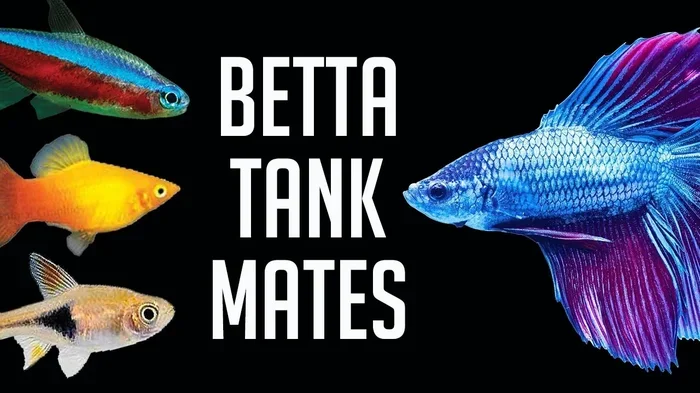
- Tankmate Caution: The name “Siamese fighting fish” is well-earned. Male bettas are solitary and will attack other male bettas and often fish with long, flowing fins (like guppies). Some very peaceful, short-finned, fast-swimming community fish like ember tetras or khuli loaches *can* work in a spacious, heavily planted 10+ gallon tank, but it requires meticulous planning and a backup plan. For maximum longevity and zero stress, keep your betta alone. It’s the safest choice for a long life.
- Consistent Routine: Fish thrive on predictability. Feed at the same times each day. Perform water changes on a set schedule. Avoid sudden changes in lighting or temperature.
Setting Up for Success: The Ideal Betta Home
Now that we know the pillars, let’s build the temple. Creating the ideal setup is an investment in years of joy. Here is a practical, step-by-step guide to building a betta’s forever home.

Visual guide about How Long Does a Betta Fish Live
Image source: japanesefightingfish.org
Tank Selection & Cycling: The First Steps
Choose a tank with a sturdy lid (betta fish are notorious jumpers). A 5-gallon long or rectangle tank offers more swimming space than a tall, narrow one. Before you even look at fish, you must cycle the tank. This 4-6 week process establishes the beneficial bacteria colony. Add an ammonia source (pure ammonia, a piece of shrimp, or a bacteria starter), a filter, and a heater. Test water daily with a liquid test kit (API Freshwater Master Test Kit is the industry standard). When you see ammonia and nitrite spike and then fall to 0ppm, and nitrate is present (below 20ppm), the cycle is complete. Only then is it safe to introduce your betta. This process alone prevents “new tank syndrome,” a common cause of early death.
Choosing & Acclimating Your Betta
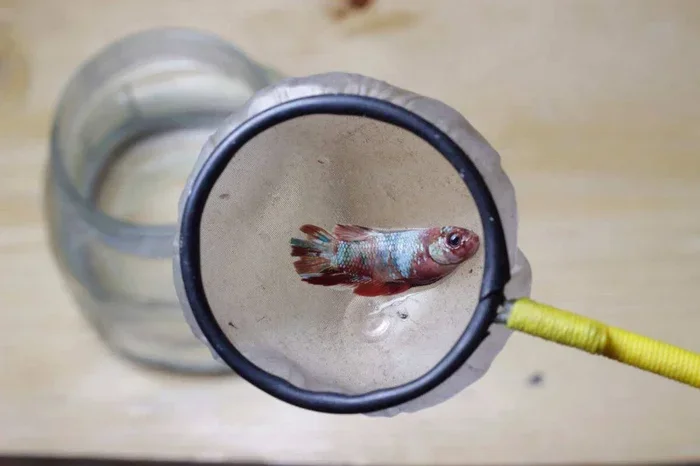
When selecting your fish, look for one that is active, has fully extended fins, bright eyes, and no signs of damage or discoloration. Gently transfer the sealed bag into the tank and let it float for 15-20 minutes to equalize temperature. Then, slowly drip tank water into the bag for another 30-45 minutes. Finally, use a net to transfer the betta into the tank, discarding the bag water (which may contain store pathogens). Do not pour bag water into your clean system.
Decor & Maintenance: Creating a Sanctuary
Use smooth, fine-grained gravel or sand. Avoid sharp decorations that can tear fins. Silk plants are excellent, but live plants like java fern, anubias, and marimo moss balls are even better—they improve water quality and are fascinating to watch. Provide a resting spot near the surface, like a betta leaf hammock or a broad-leafed plant, as they often sleep there. For maintenance, stick to your weekly 25% water change schedule. Use a gravel vacuum to clean the substrate. Clean the filter media monthly by rinsing it in the old tank water you’ve removed (never under tap water, as it kills the beneficial bacteria).
Signs of a Thriving Betta vs. A Struggling One
You now have the perfect setup. How do you know it’s working? Observation is your most powerful tool. A healthy, long-lived betta is a joy to watch.
Visual guide about How Long Does a Betta Fish Live
Image source: japanesefightingfish.org
The Hallmarks of Health and Happiness
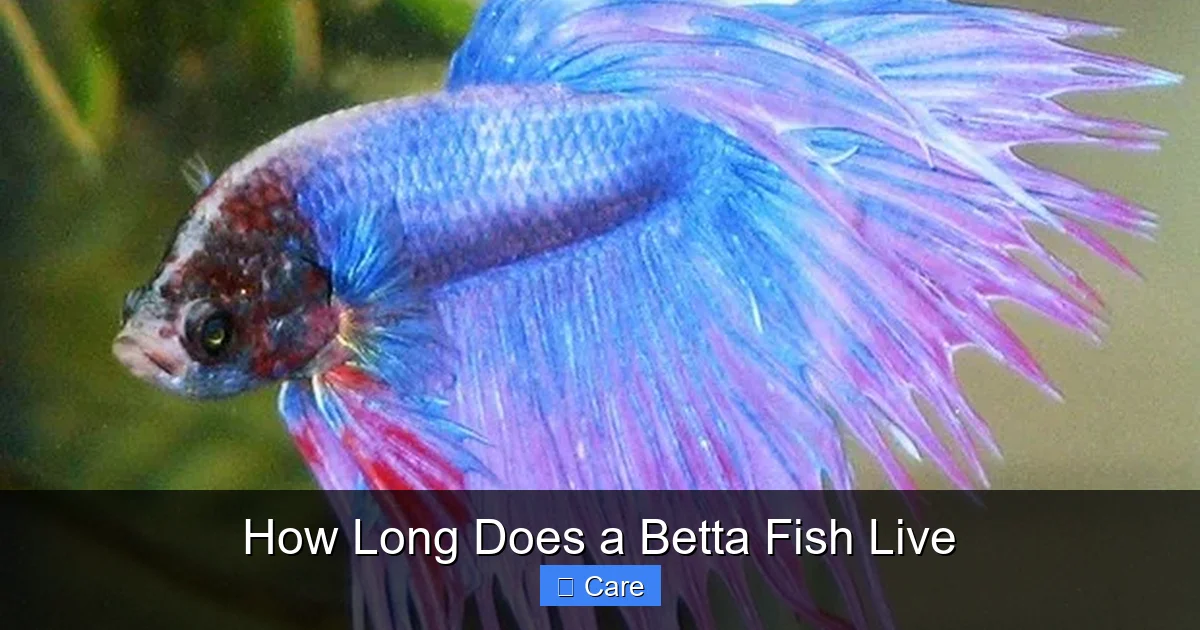
- Vibrant, Rich Colors: Colors should be deep and saturated. Healthy bettas often flare ( puff up their gills and spread their fins) when stimulated, showing full color.
- Active & Curious: They swim deliberately, explore their environment, and may follow you at the front of the tank.
- Appetite: They eagerly accept food without gulping air at the surface.
- Fins: Fins are full, undamaged, and held proudly. No tears, fraying, or rot.
- Eyes: Clear, protruding, and bright.
- Body: Smooth, streamlined, and without sores, lumps, or fuzzy growths.
Red Flags: When to Take Action
Early detection of illness is crucial. Common signs of stress or disease include:
- Lethargy & Clamped Fins: Hiding constantly, fins held tightly against the body.
- Loss of Appetite: Ignoring food for more than a couple of days.
- Fading Color: Colors become dull or pale.
- Physical Abnormalities: Raised scales (pinecone appearance = dropsy), white spots (ich), cotton-like growths (fungus), torn or decaying fins (fin rot), a swollen abdomen (constipation or internal infection).
- Erratic Swimming: Swimming upside down, sinking, or floating uncontrollably (swim bladder disorder).
At the first sign of illness, quarantine the fish in a hospital tank if possible, test your water parameters immediately, and research the specific disease. Often, the first and best treatment is improved water quality through a partial water change. For persistent issues, consult a vet or a highly reputable aquarium forum for advice on appropriate medications.
Conclusion: Your Betta’s Longevity is in Your Hands
So, how long does a betta fish live? The scientific answer is a range: 2 to 5+ years. The practical, personal answer is this: as long as you are willing to provide for its needs. By shattering the bowl myth and committing to a filtered, heated, and cycled tank of at least 5 gallons, you immediately give your betta a fighting chance at the upper end of that spectrum. By feeding a high-quality, varied diet and performing diligent water maintenance, you fuel its body for vitality. By eliminating stressors and providing enrichment, you safeguard its mental and physical well-being. A betta is not a disposable decoration; it is a sentient, intelligent creature with a personality that blossoms over years. I’ve had bettas that learned to take food from my fingers, that would flare at their reflection with theatrical pride, and that would rest peacefully on a leaf as I read nearby. Those memories are built over years of trust and proper care. Start with the right tank, respect the four pillars, and watch your betta not just live, but truly live, for half a decade or more. That is a legacy of care worth building.
Frequently Asked Questions
What is the absolute minimum tank size for a betta fish?
While often sold in cups, the absolute minimum for a healthy, long-lived betta is a 5-gallon filtered and heated tank. Anything smaller leads to rapid water quality deterioration and chronic stress, severely limiting lifespan.
Can betta fish live with other fish?
Male bettas are generally solitary and aggressive. They should not be housed with other male bettas or fish with long, flowing fins. In a large, heavily planted 10+ gallon tank, some very peaceful, fast-moving community fish like small rasboras or ember tetras may work, but there is always a risk. For guaranteed longevity and safety, a betta should be kept alone.
How can I tell if my betta is getting old?
Signs of aging in bettas (which can live 5+ years) include gradual fading of colors, reduced activity (more resting), slightly less frequent flaring, and a possible decrease in appetite. These are normal. However, sudden lethargy, clamped fins, or loss of color are signs of illness, not just old age, and require investigation.
How often should I change my betta’s water?
In a properly cycled, filtered 5-gallon tank, perform a 25-30% water change once a week. Always use a water conditioner. Never change 100% of the water at once, as this destroys the beneficial bacteria cycle and shocks the fish.
Why is my betta’s color fading?
Color fading is usually a sign of stress, poor water quality, illness, or old age. First, test your water for ammonia, nitrite, and nitrate. Ensure the tank is heated to 78-80°F. Check for signs of disease. Sometimes, a high-quality, varied diet with natural color-enhancing foods (like brine shrimp) can help restore vibrancy in a healthy fish.
Do betta fish need a filter and heater?
Yes, absolutely. A filter is essential to cycle the tank and remove toxic waste, even for a single fish. A heater is mandatory because bettas are tropical fish; cold water (below 76°F) slows their metabolism, weakens their immune system, and leads to disease and a drastically shortened lifespan. Both are fundamental requirements, not optional extras.