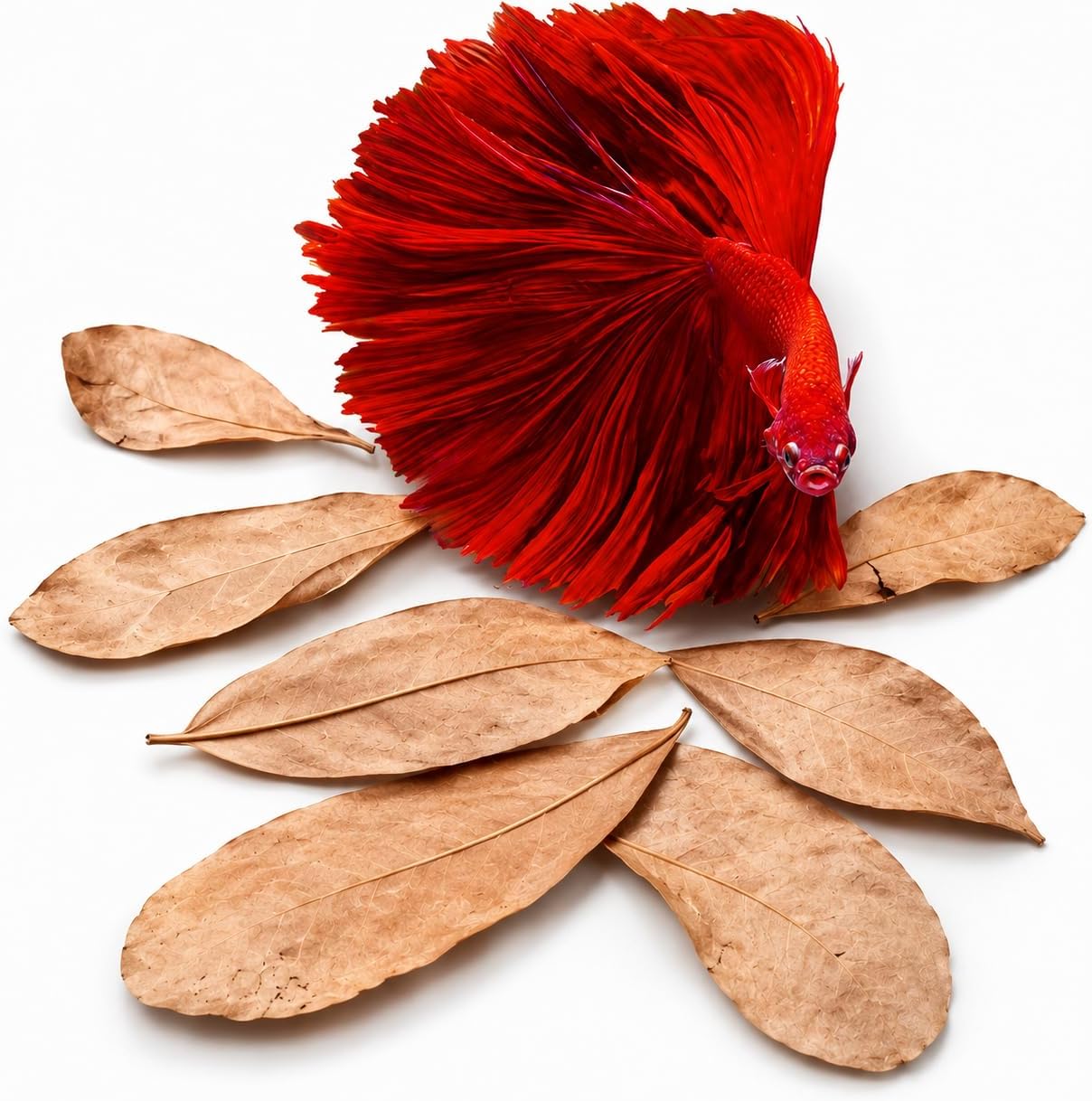
Best Fish That Go Good With Bettas for a Peaceful Tank

Choosing the right tank mates for your betta starts with understanding their bold personality and specific needs. Not every fish can share a space with these beautiful swimmers, but many peaceful species thrive alongside them. This guide breaks down the best fish that go good with betas, explains why compatibility matters, and shows you how to set up a calm, balanced aquarium. You will learn what to avoid, how to introduce new fish safely, and which species actually make great companions.
Keeping a betta fish is a wonderful hobby. These colorful swimmers bring life, movement, and personality to any room. But many new owners quickly ask the same question: what fish go good with bettas? The answer depends on the betta personality, the tank setup, and the species you choose. Some fish share space beautifully, while others create constant stress. This guide walks you through the safest options and the smartest practices for a calm community tank.
Bettas are famous for their bright colors and flowing fins. They are also known for their strong territorial instincts. That does not mean they must live alone forever. It simply means you need to choose companions carefully. A peaceful tank starts with the right mix of behavior, size, and swimming zones. When you match species wisely, your aquarium becomes a balanced ecosystem instead of a daily battleground.
You will learn which fish stay out of trouble, which ones to skip, and how to introduce new tank mates without drama. We will also cover water conditions, tank size, and simple signs that your betta is stressed. By the end, you will feel confident building a community that actually works.
Key Takeaways
- Bettas need calm tank mates: Peaceful, non-fin-nipping fish work best in shared tanks.
- Tank size matters: A spacious aquarium reduces stress and prevents territorial fights.
- Avoid flashy or aggressive species: Bright colors and long fins often trigger chasing.
- Bottom dwellers are great options: Corydoras and small loaches stay out of the betta main zone.
- Slow introductions prevent conflict: Quarantine new fish and add them gradually.
- Watch water parameters closely: Stable temperature and clean water keep all fish healthy.
- Female bettas tolerate more companions: They often handle groups better than solo males.
📑 Table of Contents
Best Fish That Go Good With Bettas for a Peaceful Tank
Finding the best fish that go good with bettas starts with one simple rule: choose calm, quiet companions that do not compete for the same space. Bettas spend most of their time in the upper and middle water columns. They like to patrol, rest on leaves, and watch their territory. Fish that stay near the bottom or swim in steady, gentle groups usually fit well. The goal is to create a tank where everyone has their own zone and no one feels crowded.
A peaceful tank also depends on temperament. Bettas can be bold, curious, and sometimes stubborn. They may chase slow fish or investigate anything that drifts too close. That is why speedy schooling fish often work better than lone, slow swimmers. Schooling species spread attention across a group, which reduces direct confrontation. A single slow fish can become a target, but a group of six or more usually keeps the peace.
Size matters too. Very small fish can disappear into the background, which is good for avoiding conflict. Very large fish can intimidate a betta or accidentally bump into delicate fins. The sweet spot is a tank mate that is similar in size or slightly smaller, with a calm swimming style. When you keep these three factors in mind, you can build a community that feels relaxed from day one.
Top Peaceful Tank Mates to Consider
If you want the best fish that go good with bettas, start with species that have a gentle reputation and a low profile. These fish usually ignore the betta, stay in their own lanes, and keep the tank active without causing stress. Here are some reliable choices that many hobbyists enjoy successfully.
- Neon tetras: Small, peaceful, and happiest in groups. They stay in the middle zone and rarely bother a betta.
- Harlequin rasboras: Calm swimmers that handle community life well. Their muted colors do not trigger chasing.
- Corydoras catfish: Bottom dwellers that spend their time searching the substrate. They leave the upper tank to the betta.
- Small loaches: Some compact loaches work well when the tank is large enough and the group is stable.
- Snails: Not fish, but excellent helpers. They clean up leftover food and generally stay out of the way.
These options work because they do not flash bright colors, they do not nip fins, and they do not claim the same territory. A betta may still investigate them at first, but the interaction usually settles once the new fish prove they are not a threat.
Fish to Avoid for a Calm Community Tank
Not every species belongs in a betta tank. Some fish create trouble because of their behavior, their appearance, or their need for different water conditions. If you want a relaxed setup, it helps to know what to skip before you buy anything.
Avoid fish with long, flowing fins that look similar to a betta. Those similarities can trigger rivalry. Skip aggressive or semi-aggressive species that like to dominate space. Also avoid fish that require very different temperatures or water chemistry, because stress from poor conditions can make any tank mate difficult.
- Fin nippers: These fish chase and bite, which is a bad match for delicate fins.
- Highly territorial species: Fish that guard every corner can turn the tank into constant conflict.
- Large, boisterous swimmers: Big, fast fish can overwhelm a betta and create nonstop pressure.
- Species with very different needs: Mismatched water preferences lead to poor health and tension.
When in doubt, choose the simpler path. A calm tank is easier to maintain than a crowded battleground. If a species seems risky, it probably is.
How to Choose Compatible Tank Mates
Choosing the best fish that go good with bettas is not just about species names. It is about reading behavior, matching needs, and planning the layout. A good tank mate should fit the betta lifestyle instead of fighting it. That means you need to think about swimming zones, activity level, and how the fish react to strangers.
Start by observing your betta. Some bettas are surprisingly relaxed and ignore newcomers. Others are very protective and need extra space. If your betta flares at every reflection or chases the tank glass, you may need a quieter setup. If your betta mostly rests, explores gently, and tolerates movement, you have more flexibility. Matching the tank mate to the individual betta is one of the smartest steps you can take.
Next, think about the tank itself. A small bowl or tiny tank limits your options because there is not enough room for separate zones. A larger aquarium gives everyone space to spread out. It also makes water conditions more stable, which helps all the fish stay healthy. More space usually means less tension, and that is a win for every species involved.
Matching Temperament and Swimming Zones
The best fish that go good with bettas usually share one important trait: they do not constantly challenge the betta for attention. Fish that occupy different parts of the tank often work best. Bottom dwellers stay low. Midwater schools move together. Bettas claim the upper area and rest near the surface. When each species has its own preferred zone, the tank feels organized instead of crowded.
Temperament matters just as much as location. A peaceful fish that hides all day may still stress the betta if it drifts into the wrong zone at the wrong time. A confident school that moves in a steady flow can actually help the betta feel more secure because the activity is predictable. Look for species that are steady, not chaotic. Calm movement is a strong sign of compatibility.
Tank Size and Setup Considerations
A spacious tank changes everything. It gives the betta room to establish territory without boxing in the other fish. It also gives schooling species enough space to move naturally. If the tank is too small, even gentle fish can feel trapped, and trapped fish become stressed fish. Stress leads to hiding, poor eating, and more aggression.
Use plants, rocks, and decorations to break up lines of sight. Bettas often calm down when they have places to rest and observe. Live plants can soften the environment and create natural barriers. A well-planted tank with open swimming areas and quiet corners works better than a bare tank with nowhere to escape. Simple layout choices can make a huge difference in daily behavior.
Signs Your Betta Is Stressed by New Fish
Even with careful planning, you should watch for warning signs after adding new companions. Bettas do not always show stress in obvious ways. Sometimes the first clue is subtle. You might notice changes in appetite, posture, or swimming patterns. Paying attention early helps you fix problems before they grow.
One common sign is constant hiding. If your betta stays behind plants or decorations all day, something may be bothering it. Another clue is frequent flaring without a clear reason. A little investigation is normal, but nonstop aggression suggests the tank is too crowded or the new fish are not a good match. Loss of color, clamped fins, and refusing food are also red flags.
- Hiding all day: The betta may feel unsafe or overwhelmed.
- Constant chasing: Ongoing pursuit means the tank mates may be incompatible.
- Clamped fins or fading color: These can signal stress or poor water quality.
- Skipping meals: A stressed betta often loses interest in food.
If you see these signs, do not panic. First, check the water parameters and make sure the tank is clean and stable. Then observe the interactions closely. Sometimes a simple rearrangement of decorations or a larger tank can solve the issue. In other cases, you may need to separate the fish and choose different companions.
Introducing New Fish Safely
A smooth introduction makes a big difference. The best fish that go good with bettas can still cause trouble if they are dropped into the tank too quickly. A careful process gives everyone time to adjust and reduces shock. It also gives you a chance to watch behavior before the new fish fully join the community.
Start with quarantine if possible. A separate tank or container helps you confirm the new fish are healthy before they enter the main aquarium. This step protects your betta from disease and gives you time to observe the new arrivals. After that, use a slow acclimation process so the fish can adjust to the new water gradually.
When you release the new fish, keep the first few hours calm. Dim the lights a little, avoid tapping the glass, and watch from a distance. Let the betta explore at its own pace. Some investigation is normal. What you want to avoid is immediate, nonstop aggression. If the tank becomes chaotic, be ready to separate the fish and try a different approach.
Quarantine and Acclimation Tips
Quarantine is one of the easiest ways to protect your whole tank. It does not need to be complicated. A simple separate setup with stable water and basic filtration works well. Keep the new fish there long enough to check for signs of illness or unusual behavior. This small step can prevent big problems later.
Acclimation should also be gradual. Float the bag or container to match the temperature, then slowly mix in tank water over time. The goal is to reduce shock from sudden changes. Once the fish seem relaxed, release them carefully and let the tank settle. Patience during this stage often leads to a much calmer community.
Monitoring Behavior After Introduction
After the new fish enter the tank, watch the betta closely for the first few days. Look for normal exploration, not constant confrontation. A brief chase now and then can be part of the adjustment period. Ongoing attacks are not. Pay attention to how the other fish respond too. If they hide all the time or stay pressed into one corner, the setup may need changes.
Keep feeding consistent and maintain a steady cleaning routine. Stable water helps every fish feel more secure. If the tank has enough cover and the fish are compatible, the behavior usually improves with time. If it does not improve, trust what you see and make a change. A peaceful tank is worth the extra attention.
Maintaining a Balanced Community Tank
A successful community tank is not just about the first week. It is about long-term balance. The best fish that go good with bettas are the ones that continue to fit the tank as it matures. That means you need a solid maintenance routine, stable water conditions, and a layout that keeps stress low over time.
Regular water changes help keep the environment clean and predictable. Test the key parameters so you know the tank is staying within a healthy range. Feed the fish appropriately and remove uneaten food before it breaks down. A clean tank supports better health, and better health usually leads to calmer behavior.
Also pay attention to the group size. Schooling fish often need a proper group to feel secure. A lone schooling fish can become nervous, while a full group behaves more naturally. If you chose bottom dwellers, make sure they have enough room and suitable substrate. If you added snails or other helpers, give them places to graze without being harassed. Balance comes from meeting each species needs, not just the betta needs.
Water Quality and Routine Care
Good water quality is the backbone of a peaceful tank. Bettas and their companions all do better when the water is clean, warm, and stable. Sudden swings in temperature or chemistry can irritate fish and increase tension. A simple routine of testing, partial water changes, and filter maintenance goes a long way.
Keep an eye on the filter flow as well. Some fish prefer gentler currents, and bettas usually appreciate calm water. If the flow is too strong, it can make swimming harder and increase stress. Adjust the setup so the tank feels comfortable for everyone. Comfortable fish are far less likely to fight.
When to Separate Tank Mates
Sometimes a tank simply does not work out. That is normal. Not every combination is meant to last, even if the species look compatible on paper. If aggression continues, the betta is clearly stressed, or one fish is being bullied nonstop, separation is the responsible choice. It is better to move one fish than to let the whole tank suffer.
Have a backup plan before you need it. A separate tank, basin, or temporary container can give you options if things go wrong. Separating fish does not mean failure. It means you are paying attention and putting animal welfare first. Many successful keepers adjust their setups over time as they learn what works best.
Common Mistakes When Pairing Bettas With Other Fish
A few mistakes show up again and again when people try to build a betta community. Avoiding them makes the process much easier. The most common problem is choosing tank mates based only on appearance. A beautiful fish is not always a peaceful fish. Another frequent mistake is using a tank that is too small for the number of fish involved.
People also forget to consider the betta personality. Two bettas can behave very differently, even if they look similar. One may ignore everyone, while another may guard the whole tank. Matching the fish to the individual is smarter than relying on general rules alone. Patience matters too. Adding too many fish at once can overwhelm the tank and create instant chaos.
- Picking fish only by color: Flashy tank mates can trigger rivalry.
- Overcrowding the tank: Too many fish create stress and poor water quality.
- Ignoring the betta personality: Each betta has its own comfort level.
- Adding too many fish at once: Slow introductions work better than sudden changes.
If you avoid these mistakes, you give your tank a much better chance of staying calm. A thoughtful approach is usually better than a rushed one.
Expert Insights on Betta Compatibility
Experienced keepers usually say the same thing: compatibility is a mix of species, setup, and individual behavior. The best fish that go good with bettas are not just the ones on a safe list. They are the ones that actually fit your tank and your betta. That is why observation matters so much. What works in one aquarium may not work in another.
Another common insight is that simplicity often wins. A smaller group of well-chosen tank mates is usually easier to manage than a crowded mix of many species. It is easier to watch behavior, easier to maintain water quality, and easier to spot problems early. Many successful community tanks are built slowly, with careful additions and plenty of observation.
Finally, experts often remind beginners that a betta can live happily alone. If you are unsure, a single betta in a well-decorated, properly sized tank is a perfectly good option. Community life can be rewarding, but it is not required. The right choice is the one that keeps your fish healthy and your tank peaceful.
Conclusion
If you are looking for the best fish that go good with bettas, focus on calm behavior, compatible size, and different swimming zones. Peaceful schooling fish, gentle bottom dwellers, and low-profile helpers can all work well when the tank is set up thoughtfully. The key is to avoid flashy triggers, overcrowding, and rushed introductions. A stable tank with clean water and enough space gives every fish a better chance to thrive.
Remember that your betta is an individual. Watch how it reacts, adjust your plan when needed, and never force a combination that creates constant stress. A peaceful community tank is built with patience, not guesswork. When you choose carefully and maintain the tank well, you can enjoy a beautiful aquarium where every fish feels safe and comfortable.
Frequently Asked Questions
What fish go good with bettas in a community tank?
The best choices are usually peaceful, calm species that stay in their own zone and do not nip fins. Small schooling fish, gentle bottom dwellers, and some snails often work well when the tank is large enough.
Can male bettas live with other fish?
Yes, but only with carefully chosen companions and in a tank that gives them enough space. Male bettas can be territorial, so peaceful species that avoid conflict are the safest option.
What size tank do bettas need with tank mates?
A larger tank is much better because it gives the betta room to claim territory and gives other fish space to swim. More space usually means less stress and fewer arguments.
Are snails safe tank mates for bettas?
Snails are often safe and can be helpful because they clean up leftover food. They usually stay out of the way, though you should still watch for individual personality differences.
How do I know if my betta is stressed by new fish?
Signs include constant hiding, frequent flaring, clamped fins, fading color, and refusing food. If these problems continue, check the water quality and consider whether the tank mates are a good match.
Should I add tank mates all at once?
No, it is better to introduce new fish slowly so the betta can adjust. A gradual process helps reduce shock and makes it easier to spot compatibility problems early.