How to Feed Betta Fish While on Vacation Safely
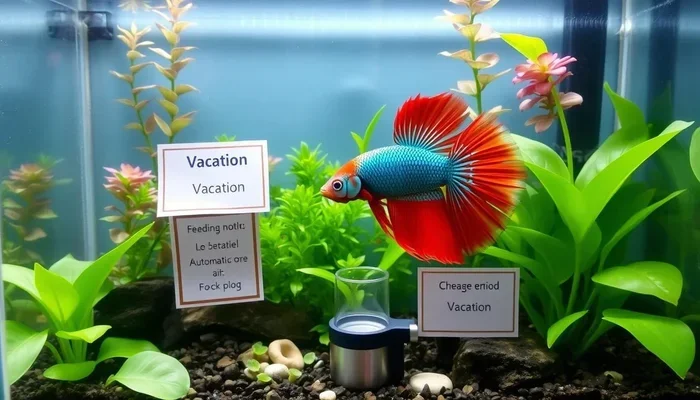
Going on a trip does not mean you must worry about your betta fish going hungry. You can keep your betta fish healthy by planning ahead with simple feeding solutions. This guide shows you how to feed betta fish while on vacation without stress or guesswork. You will learn about automatic feeders, safe fasting periods, and finding a reliable fish sitter.
This is a comprehensive guide about how to feed betta fish while on vacation.
Key Takeaways
- Automatic feeders work well: They dispense food on a schedule and keep your betta fed while you are away.
- Bettas can fast safely: Healthy adult bettas can go up to two weeks without food in emergencies.
- Test your setup first: Always run your feeder for a few days before you leave to avoid malfunctions.
- Keep water clean: Good water quality matters more than extra food during short trips.
- Find a trusted sitter: A knowledgeable friend or family member can help if you are gone longer.
- Avoid overfeeding: Too much food causes pollution and harms your fish more than skipping a meal.
- Prepare the tank early: Do a water change and check equipment a few days before travel.
[FEATURED_IMAGE_PLACEHOLDER]
How to Feed Betta Fish While on Vacation Safely
Planning a trip should be exciting, not stressful. You want to relax and enjoy your time away. But you also care about your betta fish at home. Many owners worry about their fish when they leave. The good news is that bettas are tough little fish. They can handle short trips with the right plan. This article explains how to feed betta fish while on vacation in simple steps. You will learn what works best and what to avoid. Let us make your next trip easy and safe for your fish.
Why Planning Matters for Your Betta
Bettas are not like dogs or cats. They do not need walks or constant attention. But they still need clean water and proper food. A good plan keeps them healthy while you are gone. Poor planning can lead to dirty water or hungry fish. Both problems cause stress and illness. You can avoid these issues with a little prep work. Think about how long you will be away. Short trips need simple solutions. Longer trips may need more help. Your goal is to keep things stable and calm.
Know Your Betta Fish Diet Basics
Bettas are carnivores by nature. They eat small insects and larvae in the wild. In tanks, they do well with high-protein pellets or flakes. They also enjoy frozen or live treats now and then. A balanced betta fish diet keeps their colors bright and their energy high. Overfeeding is a common mistake. Too much food sinks and rots in the tank. This creates bad bacteria and hurts water quality. Underfeeding is less dangerous for short periods. A healthy adult betta can handle a few missed meals. That is why timing matters more than perfection.
How Long Can a Betta Go Without Food?
This is one of the most common questions owners ask. The short answer is that healthy bettas can fast for a while. Most adults can go up to two weeks without food. Some can even handle a bit longer in cool water. But you should not make fasting a habit. Long gaps weaken the immune system over time. Young or sick fish need more regular meals. If your trip is under ten days, fasting may be safe. For longer trips, use a feeder or a sitter. Always check your fish before you leave. A strong, active betta handles travel stress better.
Using an Automatic Fish Feeder
An automatic feeder is a great tool for busy owners. It drops food at set times each day. You can program it to match your betta routine. This keeps feeding consistent while you are away. Many models run on batteries or plugs. Some even have backup power for safety. The key is to pick one that fits your tank size. A small feeder works well for a single betta tank. Make sure it dispenses dry pellets or flakes. Wet food can clog the mechanism and spoil.
Choosing the Right Auto Feeder
Not all feeders are the same. Look for one with a simple timer. Easy controls help you set it up fast. A clear food window lets you see when it is running low. Waterproof design matters too. Spills can ruin the electronics and dirty your tank. Read reviews from other betta owners. They often share real-world tips and warnings. Compare prices but do not chase the cheapest option. Reliability matters more than cost. A good feeder pays for itself in peace of mind.
Testing Your Feeder Before You Leave
Never set up a feeder for the first time on travel day. Test it at home for a few days first. Watch how much food it drops each time. Adjust the portion if needed. Too much food pollutes the water fast. Too little leaves your betta hungry. Check that the food stays dry inside the chamber. Make sure the timer keeps accurate time. Replace old batteries before you go. A quick test run saves you from surprises later.
Fasting and Short Trips
Short trips are easy to manage. A weekend getaway often needs no feeding at all. Your betta can wait a few days without harm. This is true for healthy adult fish in clean water. Fasting also gives the tank a break from extra waste. Less waste means better water quality. That helps your fish stay strong. Just make sure the tank is ready before you leave.
When Fasting Is Safe
Fasting works best for trips under ten days. Your betta should be active and eating well before you go. The water should be clean and warm. A stable tank with good filtration supports fasting fish. Do not fast a young or weak betta. Sick fish need regular care and monitoring. If you are unsure, ask a vet or experienced keeper. It is better to be safe than sorry.
Risks of Skipping Meals Too Long
Long fasting periods can cause problems. Your betta may lose weight and energy. Their colors might fade over time. The immune system can weaken after weeks without food. This makes them more prone to illness. Also, a hungry fish may pick at plants or decor. That does not mean they are starving. It just shows they are bored or stressed. Keep trips reasonable and plan ahead for longer absences.
Hiring a Fish Sitter or Asking a Friend
Sometimes a person is the best solution. A trusted friend or family member can check on your fish. They can feed small portions and watch for problems. This works well for longer trips. It also adds a human touch to fish care. The key is to choose someone reliable. Give them clear instructions and a simple routine.
How to Prepare a Sitter
Write down a simple feeding plan. Show them how much food to give each time. Explain that bettas need only a few pellets per meal. Tell them not to overfeed. Leave your contact info in case questions come up. Show them where the food, net, and test kit are stored. A quick walkthrough prevents mistakes. You can also leave a short video for reference.
What to Tell Your Fish Caretaker
Keep the instructions short and clear. Say how many pellets to drop each day. Mention the feeding spot in the tank. Tell them to watch for strange behavior. List signs of trouble like lethargy or bloating. Ask them to check the water surface too. Bettas breathe air from the top sometimes. A calm, simple routine works best. Do not overwhelm your sitter with too much detail.
Keeping Water Quality High During Travel
Good water matters more than extra food. Clean water supports your betta when you are away. Dirty water causes stress and disease. A stable tank is the best gift you can give your fish. Start preparing a few days before travel. Do a partial water change. Vacuum the substrate gently. Check the filter and heater. Make sure everything runs smoothly.
Pre-Trip Tank Prep Steps
Start with a fresh water change. Remove about twenty-five percent of the old water. Add treated water that matches the tank temperature. Clean the filter sponge if it is clogged. Do not replace all filter media at once. Keep the beneficial bacteria intact. Check the heater setting and thermometer. Stable warmth keeps your betta comfortable. Remove any dead leaves or debris from plants. A tidy tank stays cleaner longer.
Filter and Heater Care
Your filter keeps the water clear and safe. Make sure it is working before you leave. Listen for unusual noises or weak flow. A quiet, steady filter is a good sign. The heater should hold a steady temperature. Bettas prefer warm water around seventy-eight to eighty degrees. Sudden drops stress the fish. Place a trusted thermometer in the tank. Check it one last time before you go.
Common Mistakes to Avoid
Many owners make simple errors when leaving town. These mistakes can harm your betta. Knowing them helps you skip the trouble. Here are the most common ones to watch for.
Overfeeding Before Departure
Some people try to stuff their fish before a trip. This is a bad idea. Extra food sinks and rots quickly. It spikes ammonia and clouds the water. Your betta does not need a big feast. A normal feeding routine is enough. Overfeeding causes more harm than good.
Relying on a Feeder Without Testing
A feeder can fail if you do not check it. Batteries die. Timers drift. Food jams inside the chamber. Always test the device first. Watch it work over a few days. Fix issues before you travel. A quick check saves your fish from hunger or mess.
Ignoring Water Temperature Changes
Temperature swings stress bettas fast. A cold room or a broken heater can drop the water. This weakens the fish and slows their metabolism. Keep the room fairly warm if possible. Avoid placing the tank near drafts or vents. Stable heat keeps your betta calm and healthy.
Expert Tips for Stress-Free Travel
A little extra care goes a long way. These tips help you leave with confidence. They also keep your betta in great shape.
Quick Tips for Leaving Town
– Test your feeder or feeding plan early.
– Do a water change two days before travel.
– Check the filter, heater, and thermometer.
– Leave clear instructions for any sitter.
– Keep the tank out of direct sunlight.
– Turn off unnecessary lights to save energy.
– Leave an emergency contact number nearby.
Long-Term Vacation Planning
Big trips need more preparation. If you will be gone for weeks, plan carefully. A feeder plus a sitter check is a strong combo. Ask someone to visit once or twice. They can top off evaporated water and watch the tank. Consider a backup power source for equipment. Peace of mind comes from solid planning. Your betta will stay safe and steady.
Final Thoughts on Feeding Your Betta While Away
Leaving your betta fish behind does not have to be hard. With a clear plan, you can travel with confidence. You now know how to feed betta fish while on vacation using simple tools and smart habits. Automatic feeders, short fasting, and trusted helpers all work well. The best choice depends on your trip length and your fish health. Clean water and stable temperature matter just as much as food. Prepare early, test your setup, and keep instructions simple. Your betta will stay healthy while you enjoy your time away. Safe travels and happy fish keeping.
Frequently Asked Questions
Can I leave my betta fish without food for a week?
Yes, a healthy adult betta can usually go a week without food safely. Make sure the water is clean and the temperature stays steady. Fasting for short trips is often safer than overfeeding.
Do automatic feeders work well for betta fish?
They work well when you choose a reliable model and test it first. Set small portions to avoid dirty water. A good feeder keeps feeding consistent while you are away.
Should I ask a friend to feed my betta?
A trusted friend can help, especially for longer trips. Give them clear instructions and small portions. Keep the routine simple so they do not overfeed your fish.
How much food should my sitter give my betta?
A few pellets once or twice a day is usually enough. Explain that bettas have small stomachs. Too much food pollutes the tank and harms your fish.
What if my automatic feeder jams while I am gone?
Test the feeder before you leave to lower this risk. Use dry pellets that flow easily. If possible, ask someone to check the tank once during your trip.
Can poor water quality hurt my betta more than missing a meal?
Yes, dirty water causes stress and illness faster than a short fast. Keep the filter running and do a water change before travel. Clean water is the best protection for your betta.
Frequently Asked Questions
What is how to feed betta fish while on vacation?
how to feed betta fish while on vacation is an important topic with many practical applications.