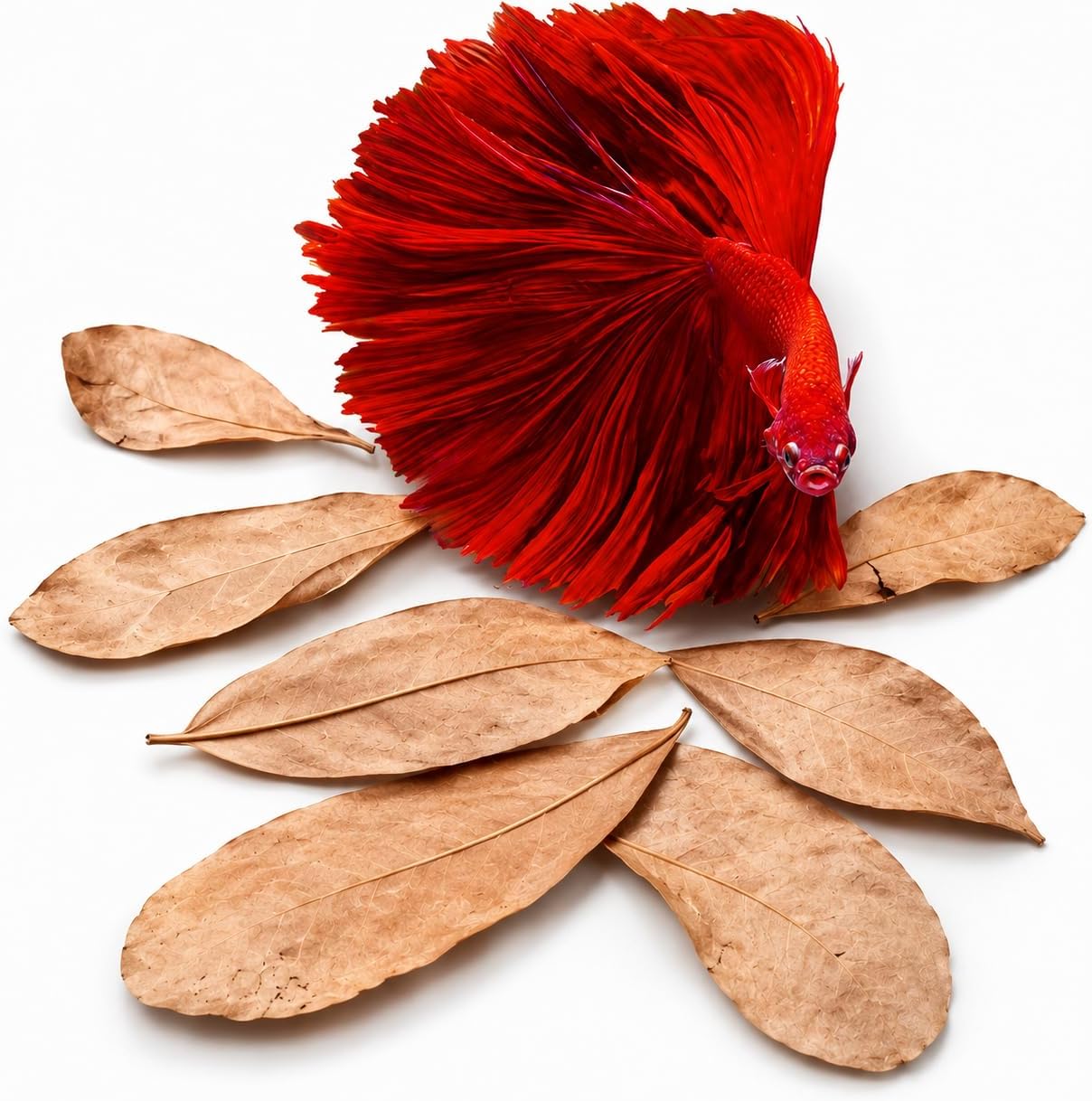
How to Properly Care for a Betta Fish for Beginners
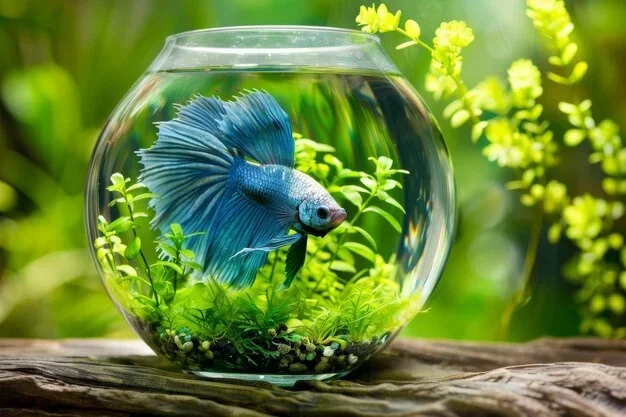
Owning a betta fish can be a rewarding experience, but it requires the right setup and daily attention. This guide shows you how to properly care for a betta fish from tank selection to feeding routines. You will learn about water quality, temperature control, and common mistakes to avoid. With the right knowledge, your vibrant companion can thrive for years. Let us dive into the essentials of betta fish care.
Key Takeaways
- Tank Size Matters: Start with at least a 5-gallon tank to give your betta enough space to swim and reduce water quality issues.
- Temperature Control: Keep the water between 78-82 degrees Fahrenheit using a reliable heater for optimal health.
- Filtration is Key: Use a gentle filter to maintain clean water without creating strong currents that stress your fish.
- Feeding Routine: Feed small amounts once or twice a day and vary their diet with high-quality pellets and occasional treats.
- Water Changes: Perform weekly partial water changes to remove waste and keep ammonia levels low.
- Decor Safety: Choose smooth decorations and live plants to prevent fin damage and provide hiding spots.
- Observation: Watch your betta daily for signs of illness or stress to catch problems early.
📑 Table of Contents
How to Properly Care for a Betta Fish
Bringing home a betta fish is exciting. These colorful creatures make wonderful pets. But they need specific care to stay healthy. Many new owners make mistakes that harm their fish. You can avoid these pitfalls with the right information.
Bettas are often sold in tiny cups. This leads people to think they live happily in small spaces. That is not true. They need room to swim and clean water to breathe. Proper care starts with understanding their natural needs.
In this guide, we will walk you through every step. You will learn about tanks, water, food, and more. By the end, you will feel confident in your ability to care for your new friend. Let us get started on the right foot.
Setting Up the Perfect Tank
The tank is the foundation of betta fish care. A good setup prevents many health problems later. You want a space that feels safe and comfortable for your fish.
Choosing the Right Size
Size matters more than you might think. A small bowl looks cute, but it is not healthy. Waste builds up fast in small water volumes. This creates toxic conditions for your fish.
A 5-gallon tank is the minimum recommendation. This size holds enough water to stay stable. It also gives your betta room to explore. Some people worry a tank might be too large. You can read more about this in our article on can a tank be too big for a betta fish. The answer is usually no, as long as you have proper filtration.
Filtration and Flow
Clean water is vital for survival. A filter helps remove waste and harmful chemicals. But bettas do not like strong currents. Their long fins make swimming hard in fast water.
Pick a filter with an adjustable flow rate. Sponge filters are a great choice. They provide gentle filtration without stress. If you wonder about the necessity of filters, check out do betta fish have to be in a filtered tank. While they can survive without one, a filter makes care much easier.
Also, make sure the filter is not too powerful. A filter can be too strong for a betta fish. Strong flow can exhaust your fish and damage their fins. Adjust the output or use a baffle if needed.
Heating and Temperature
Bettas come from warm tropical waters. They need a heater to stay healthy. Cold water slows their metabolism and weakens their immune system.
Aim for a temperature between 78 and 82 degrees Fahrenheit. Use a reliable aquarium heater with a thermostat. Check the temperature daily with a thermometer. Sudden changes can shock your fish.
You might ask if you can add warm water to adjust the temperature. It is better to use a heater for stability. Learn more about can i add warm water to a betta fish tank to understand the risks of manual adjustments.
Water Quality and Maintenance
Water quality is the most important part of betta fish care. Poor water leads to disease and stress. You must maintain a clean environment consistently.
The Nitrogen Cycle
Before adding your fish, you need to cycle the tank. This process builds beneficial bacteria. These bacteria break down harmful waste products. Without this step, your fish could suffer from ammonia poisoning.
Cycling takes a few weeks. You add a source of ammonia and wait for bacteria to grow. Test kits help you monitor the process. Patience here saves your fish’s life.
Water Changes
Even with a filter, water changes are necessary. Waste accumulates over time. Regular changes keep the water fresh and safe.
Change about 25 to 50 percent of the water weekly. Use a gravel vacuum to remove debris from the bottom. Treat new water with a conditioner before adding it. This removes chlorine and chloramines that harm fish.
If you are curious about the frequency of maintenance, read do betta fish have to have water changes. The short answer is yes. Stagnant water becomes toxic quickly.
Water Source
Not all water is safe for fish. Tap water often contains chemicals. Well water can have different mineral levels. You need to treat whatever source you use.
Dechlorinator is a must for tap water. It neutralizes harmful substances instantly. If you use well water, test it first. Our guide on can you use well water for a betta fish explains the considerations. Special water is not always required, but safety is.
Some owners ask if bettas need special water. Generally, treated tap water works fine. You can learn more in do betta fish have to have special water. The key is removing toxins, not buying expensive brands.
Feeding Your Betta Correctly
Diet plays a huge role in how to properly care for a betta fish. A good diet keeps their colors bright and their energy high. Overfeeding is a common mistake that causes health issues.
What to Feed
Bettas are carnivores in the wild. They need protein-rich food. High-quality pellets made for bettas are the best staple. These floats and are easy to digest.
You might wonder if you can use other foods. For example, can you use tetra food? Find out in can i use tetra food for a betta fish. Some community foods work, but betta-specific formulas are better.
You can also give regular fish food occasionally. Check can i give regular fish food to a betta for details. Just ensure it sinks slowly and has good protein content.
Feeding Schedule and Amount
Feed your betta once or twice a day. Only give them what they can eat in two minutes. Their stomach is about the size of their eye. Overfeeding leads to bloating and dirty water.
Fasting one day a week is also helpful. This gives their digestive system a rest. It prevents constipation and keeps them active.
Treats and Variety
Variety is good for nutrition. You can offer treats occasionally. Many owners ask if bettas have treats for a snack. Yes, they do! Freeze-dried bloodworms or brine shrimp are great options.
Read more about do betta fish have treats for a snack to see safe options. Avoid human food like peanut butter. You can learn why in can you feed peanut butter to a betta fish. It is not safe for them.
Some people feed peas to help with digestion. This can be useful if your fish is constipated. But be careful. Check can feeding a pea to a betta fish hurt them before trying it. Always remove the skin and feed only a small piece.
Decor and Environment
The environment affects your betta’s mood and health. A bare tank is stressful. Adding the right decor makes a big difference.
Plants and Hiding Spots
Plants provide security and enrichment. Live plants are best because they improve water quality. They also give your betta places to rest.
Bettas have a special organ called a labyrinth. This lets them breathe air from the surface. They often rest on leaves near the top. Ensure you have surface access for this.
Safe Decorations
Sharp objects can tear fins. Betta fins are delicate and long. Choose smooth decorations without rough edges. Silk plants are safer than plastic ones with hard points.
Avoid items with small holes where fins can get stuck. Inspect all decor before putting it in the tank. Your fish’s safety comes first.
Lighting Considerations
Light helps plants grow and shows off your fish’s colors. But too much light can be stressful. Bettas need a day and night cycle.
Use a timer for your tank light. Twelve hours of light and twelve hours of dark is ideal. If you wonder about brightness, read can a light be to bright for a betta fish. Excessive light can cause stress and algae growth.
Health and Behavior
A healthy betta is active and alert. They should have bright colors and intact fins. Watching your fish helps you spot problems early.
Signs of Illness
Look for changes in behavior. Lethargy, loss of appetite, or hiding are warning signs. Physical signs include white spots, ragged fins, or bloating.
If you see these signs, test your water first. Poor water is the most common cause of illness. Fix the environment before treating the fish.
Breathing and Air
Bettas often come to the surface. This is normal because of their labyrinth organ. But gasping constantly can mean low oxygen or poor water quality.
Many owners ask if bettas have to come up for air. Learn more in do betta fish have to come up for air. They supplement their breathing with air, but clean water is still essential. You can also read do betta fish have to breathe air for more details on their unique biology.
Stress Factors
Stress weakens the immune system. Common stressors include loud noises, tapping on the glass, and aggressive tank mates. Keep the tank in a quiet area.
Bettas can get bored in a dull tank. Enrichment helps keep them happy. Explore do betta fish get bored in a tank to learn how to keep them engaged. A stimulating environment promotes better health.
Common Mistakes to Avoid
Even with good intentions, mistakes happen. Knowing these pitfalls helps you avoid them. This section covers the most frequent errors in betta fish care.
Overfeeding
This is the number one mistake. New owners often feed too much. It clouds the water and harms the fish. Stick to small portions and watch your fish eat.
Small Bowls
Tiny containers are harmful. They lack space and stable temperature. Always choose a larger tank with a heater and filter.
Ignoring Water Quality
Dirty water kills fish slowly. Many people wait too long to change water. Stick to a weekly schedule. Test your water regularly for ammonia and nitrates.
Wrong Tank Mates
Bettas can be aggressive. They do not always get along with other fish. If you keep them with others, choose peaceful species. You can read do betta fish have to be kept alone to understand their social needs.
Skipping the Cycle
Adding fish to an uncycled tank is dangerous. Ammonia spikes can be fatal. Always cycle your tank before introducing your betta.
Quick Tips for Success
- Test Water Weekly: Use a test kit to check ammonia, nitrite, and nitrate levels.
- Consistent Routine: Feed and clean at the same time each day to build a habit.
- Observe Daily: Spend a few minutes watching your fish to notice changes early.
- Quarantine New Items: Rinse new plants or decor before adding them to the tank.
- Keep a Log: Record water changes, feeding, and any health issues for reference.
Expert Insights
Experienced keepers emphasize patience. Building a stable tank takes time. Do not rush the process. A well-established tank is easier to maintain.
Another tip is to trust your eyes. If your fish looks off, investigate. Early intervention saves lives. Also, invest in good equipment. Cheap heaters or filters can fail and cause disasters.
Finally, remember that every betta is unique. Some are more active, while others are shy. Learn your fish’s personality. This helps you tailor care to their specific needs.
Conclusion
Caring for a betta fish is a journey. It requires attention to detail and consistency. But the reward is a beautiful, lively pet. By following how to properly care for a betta fish, you set your friend up for a long life.
Remember the basics. Give them a spacious tank, clean water, and a good diet. Avoid common mistakes like overfeeding or using small bowls. With love and proper care, your betta will thrive. Enjoy every moment with your aquatic companion.
Frequently Asked Questions
How often should I change the water in my betta tank?
You should change 25 to 50 percent of the water once a week. This removes waste and keeps ammonia levels low. Regular maintenance is key to betta fish care.
Can I keep my betta fish in a bowl?
Bowls are too small and unstable for long-term health. A 5-gallon tank with a heater and filter is much better. Proper space reduces stress and disease.
What temperature does a betta fish need?
Bettas need warm water between 78 and 82 degrees Fahrenheit. Use an aquarium heater to maintain this range. Cold water makes them sluggish and sick.
How much should I feed my betta fish?
Feed only what they can eat in two minutes, once or twice a day. Their stomach is very small. Overfeeding causes bloating and dirty water.
Do betta fish need a filter?
Yes, a filter helps keep the water clean and safe. Choose one with a gentle flow so it does not stress your fish. Filtration makes maintenance much easier.
Can I put other fish with my betta?
Bettas can be aggressive, so tank mates must be chosen carefully. Peaceful, non-fin-nipping fish are best. Sometimes keeping them alone is the safest option.