How Long Are Betta Fish Supposed to Live With Proper Care
Betta fish can live 3 to 5 years with the right care, and some even reach 7 years in ideal conditions. Their lifespan depends heavily on tank size, water quality, diet, and stress management. This guide covers everything you need to know about extending your betta fish lifespan through simple, proven care habits. You will learn how to spot early warning signs, avoid common mistakes, and create a healthy environment that supports long-term wellness.
Key Takeaways
- Typical lifespan: Betta fish usually live 3 to 5 years with proper care, though some reach 7 years in optimal conditions.
- Tank size matters: A minimum 5-gallon tank gives your betta enough space to swim, reduce stress, and stay healthy longer.
- Water quality is critical: Clean, warm, well-filtered water prevents disease and directly extends your betta fish lifespan.
- Diet impacts longevity: A balanced diet of high-quality pellets, frozen foods, and occasional live treats supports strong immunity and energy.
- Stress shortens life: Overhandling, aggressive tank mates, and poor water parameters can drastically reduce how long your betta lives.
- Early signs matter: Lethargy, fading color, clamped fins, and loss of appetite often signal health issues before they become fatal.
- Consistent routines help: Regular water changes, stable temperature, and gentle observation keep your betta thriving for years.
📑 Table of Contents
- How Long Are Betta Fish Supposed to Live
- Understanding Betta Fish Lifespan in the Wild vs Home Tanks
- Key Factors That Affect How Long Betta Fish Live
- Average Betta Fish Lifespan and What Influences It
- How to Help Your Betta Live Longer
- Common Mistakes That Shorten Betta Fish Life
- When to Worry and When to Stay Calm
- Final Thoughts on Betta Fish Longevity
How Long Are Betta Fish Supposed to Live
Many new fish keepers ask the same question right after bringing a betta home. How long are betta fish supposed to live when everything is done right? The short answer is usually three to five years. Some bettas live longer with excellent care, while others fade much sooner due to stress, poor water, or illness. The good news is that you have a lot of control over their longevity. A few simple habits can make a huge difference in your betta fish lifespan.
Bettas are often sold as low-maintenance pets, but that idea can be misleading. They are hardy in some ways, yet very sensitive in others. Temperature swings, dirty water, and cramped tanks wear them down quickly. If you want your betta to thrive instead of just survive, you need a clear care routine. This article breaks down what affects their life expectancy and what you can do to help them live a full, active life.
Understanding Betta Fish Lifespan in the Wild vs Home Tanks
Bettas come from shallow rice paddies, slow streams, and wetland areas in Southeast Asia. In the wild, they face predators, changing weather, and limited food. That environment does not always support a long life. In home aquariums, the story can be very different. A well-maintained tank can protect them from many outdoor threats, but it also introduces new risks if the setup is poor.
In captivity, betta fish lifespan depends heavily on the environment you create. A tiny bowl with no filter and unstable temperature will shorten their life quickly. A proper tank with clean water, warmth, and enrichment gives them a much better chance. The difference is often not genetics alone. Daily care habits matter just as much.
Why Captivity Can Extend or Reduce Lifespan
A stable home tank can reduce stress from sudden weather changes and predators. It also makes feeding and monitoring easier. But captivity can also create problems when keepers underestimate tank size or water care. Small containers trap waste, spike ammonia, and limit oxygen exchange. Those conditions strain the fish and weaken its immune system over time.
If you want to support a longer life, think of the tank as a complete system. Temperature, filtration, space, and cleaning all work together. When one part fails, the others often suffer too. That is why consistent care is so important for healthy betta fish.
Key Factors That Affect How Long Betta Fish Live
Several core factors shape how long are betta fish supposed to live in your care. You cannot control every variable, but you can manage the biggest ones. The most important areas are tank size, water quality, temperature, diet, and stress levels. Each one influences the others, so it helps to look at the whole picture.
Tank Size and Environment
Space affects movement, waste dilution, and overall comfort. A cramped tank makes it harder to maintain stable water conditions. It also limits swimming and exploration, which can lead to boredom and stress. A larger tank gives your betta room to patrol, hide, and rest without feeling trapped.
Many beginners start with very small containers because they look cute or take up less space. That choice often creates more work later. Smaller water volumes change temperature and chemistry faster. They also collect toxins more quickly. If you want a longer-lasting betta, start with a setup that supports stability from day one.
Water Quality and Temperature
Clean water is one of the strongest predictors of a healthy life. Waste, uneaten food, and decaying plant matter can build up fast. Those pollutants irritate gills, stress the fish, and open the door to disease. Regular water changes and good filtration help keep the environment balanced.
Temperature matters just as much. Bettas are tropical fish, so they need warm, steady water. Cold water slows their metabolism and weakens their defenses. Sudden temperature swings can shock their system and cause serious health problems. If you want to protect your betta fish lifespan, keep the water warm and stable.
Diet and Nutrition
Food affects energy, color, growth, and immune strength. A poor diet can leave your betta underfed or overweight, both of which cause problems. High-quality pellets made for bettas are a solid base. You can also offer frozen or live treats in small amounts to add variety.
Overfeeding is a common mistake. Extra food decays in the tank and pollutes the water. It can also cause digestive issues for the fish. A measured feeding routine works better than constant snacking. If you feed the right amount and remove leftovers, you support both water quality and long-term health.
Stress and Tank Mates
Stress is one of the biggest hidden threats to longevity. Bright lights, constant movement, aggressive neighbors, and frequent handling can all wear a betta down. Even if the fish looks fine at first, chronic stress can weaken its body over time. That makes it more vulnerable to illness and shorter life.
Careful tank mate choices matter too. Some fish nip fins or compete aggressively for food. Others may bully your betta during feeding or resting periods. If you are wondering can betta fish live with other fish safely, the answer depends on the species, tank size, and individual personalities. A calm, spacious setup gives you a better chance of success.
Average Betta Fish Lifespan and What Influences It
Most healthy bettas in good home tanks live around three to five years. That range is a practical expectation for many hobbyists. Some fish live shorter lives because of early stress, disease, or poor setup. Others reach older ages when conditions stay stable and care stays consistent.
Several things can push lifespan in either direction. Early life conditions matter a lot. A betta that spent weeks in a dirty, cramped store container may already be weakened before you bring it home. Age at purchase also matters, since older fish have less time left than younger ones. Even with perfect care, natural aging eventually slows the fish down.
Signs of a Healthy vs Struggling Betta
A healthy betta usually swims with purpose, reacts to movement, and shows bright color. Its fins look intact, and it eats readily during feeding time. It may rest on leaves or the substrate, but it still moves with alertness. Those are good signs that the environment is working.
A struggling betta may hide more, lose color, or keep its fins tight against its body. It may ignore food or float oddly. Sometimes it breathes heavily near the surface. These changes do not always mean immediate danger, but they do signal that something needs attention. Catching problems early gives you a better chance to help.
When Age Starts to Show
As bettas age, they may become less active and spend more time resting. Their color may soften, and they may take longer to recover from minor stressors. That does not automatically mean something is wrong. Aging is normal, and older fish still deserve clean water, gentle care, and a calm environment.
If an older betta suddenly changes behavior, though, do not assume age is the only cause. Sudden lethargy, bloating, or appetite loss can point to illness or water issues. It helps to check the tank conditions first before blaming old age.
How to Help Your Betta Live Longer
If you want to maximize betta fish lifespan, focus on steady routines and a clean, calm environment. Small daily choices add up over time. You do not need fancy equipment to make a big improvement. You do need consistency and attention.
Build a Stable Tank Setup
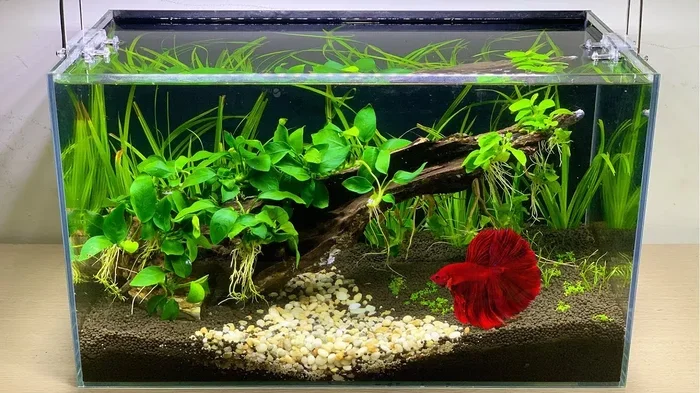
Start with a tank that gives your betta room to live comfortably. A larger water volume supports better stability and reduces rapid changes in temperature and chemistry. Add a gentle filter that keeps water moving without creating strong currents. Bettas prefer calm water, so avoid anything that pushes them around constantly.
Use a heater if your room temperature fluctuates. Stable warmth helps your betta stay active and digest food properly. Add hiding spots like plants, caves, or soft decorations. These give your betta places to rest and feel secure. A tank with some structure often feels less stressful than an empty one.
Keep Water Clean and Balanced
Regular maintenance is one of the best ways to protect your betta fish lifespan. Test the water often so you know what is happening before problems grow. Watch for cloudy water, strong odors, or leftover food. Those are signs that the tank may need attention.
Water changes should be gentle and consistent. You do not need to replace all the water at once unless there is an emergency. Small, routine changes help keep waste low while keeping the environment familiar. Always match new water to the tank temperature and treat tap water properly before adding it. If you are unsure about water needs, it can help to read more about do betta fish have to have special water so you can avoid common mistakes.
Feed a Smart, Balanced Diet
Feeding well supports energy and immunity. Offer a staple food that your betta accepts easily, then add variety in moderation. Small portions work better than large meals. Your betta should eat what you give it without leaving much behind.
You can also try safe treat options sometimes. Many keepers ask can you feed earthworms to betta fish or whether brine shrimp and bloodworms are good choices. These foods can be helpful in small amounts, but they should not replace a balanced staple diet. Variety is useful, but overfeeding or feeding the wrong items can cause trouble.
Reduce Stress Every Day
A calm tank helps your betta stay healthier for longer. Place the tank in a quiet spot with limited sudden movement and noise. Avoid tapping the glass or chasing the fish with your hand. Gentle observation is better than constant interference.
Be careful with tank mates and decorations. Rough ornaments can tear fins, and aggressive neighbors can cause ongoing stress. If you want to know do betta fish fight to death, the answer is that serious aggression can absolutely injure or kill them under the wrong conditions. That is why careful planning matters before adding any companion.
You can also support enrichment without stressing the fish. Live or artificial plants, soft resting spots, and a predictable routine can make the tank feel safer. A betta that feels secure is more likely to show natural behavior and stay active.
Common Mistakes That Shorten Betta Fish Life
Even well-meaning keepers make mistakes that reduce how long are betta fish supposed to live in practice. Most of these errors come from misinformation or rushed setup choices. Avoiding them can make a major difference.
- Keeping bettas in tiny unfiltered containers: Small bowls and vases often trap heat unevenly and build waste quickly.
- Skipping water changes: Dirty water stresses the fish and increases disease risk.
- Feeding too much: Extra food fouls the tank and can cause digestive issues.
- Ignoring temperature stability: Cold or fluctuating water weakens the fish over time.
- Adding aggressive tank mates too quickly: Conflict raises stress and can lead to injury.
- Overhandling the fish: Frequent chasing or moving causes unnecessary fear.
- Assuming all bettas are the same: Individual fish have different needs, temperaments, and tolerance levels.
Another common issue is waiting too long to act when something changes. A betta that stops eating or starts hiding may be telling you something important. Quick checks of water quality, temperature, and behavior can prevent small problems from turning into bigger ones.
When to Worry and When to Stay Calm
Not every change means disaster. Bettas rest, sleep, and adjust to their surroundings. Sometimes they seem quiet after a water change or during a darker part of the day. It helps to know what is normal so you do not panic over minor variations.
Still, some signs deserve closer attention. If your betta stays at the bottom for long periods, gasps near the surface, or shows torn fins, take a closer look. Check the water first, then look for signs of illness or injury. Many health issues are easier to manage when you respond early.
If you are ever unsure whether a behavior is serious, compare it with the fish’s usual routine. A sudden change is more concerning than a steady pattern. Trust your observations and keep notes if needed. That habit can help you spot trends before they become emergencies.
Final Thoughts on Betta Fish Longevity
So, how long are betta fish supposed to live with proper care? In most cases, you can expect several healthy years, and some bettas go well beyond that when conditions stay strong. The key is not one big action. It is a collection of steady habits that protect water quality, reduce stress, and support good nutrition.
If you give your betta a stable tank, clean water, appropriate food, and a calm environment, you give it the best chance to live fully. That is the real goal. A longer life is wonderful, but a healthy life matters just as much. With a little attention and consistency, your betta can become a vibrant, active part of your home for years to come.
Frequently Asked Questions
How long do betta fish usually live in a tank?
Most betta fish live around 3 to 5 years in a well-cared-for tank, though some reach older ages with excellent conditions. Their lifespan depends on water quality, temperature, diet, and stress levels.
What is the average betta fish lifespan with good care?
With consistent care, the average betta fish lifespan is usually several years, often falling in the 3 to 5-year range. Stable water, proper heating, and a balanced diet help them stay healthier longer.
Can a betta fish live longer than 5 years?
Yes, some bettas live longer than 5 years when they have a stable tank, clean water, and low stress. Reaching advanced age is less common, but it is possible with excellent care.
Do betta fish live shorter lives in small bowls?
They often do, because small bowls can heat unevenly, collect waste quickly, and offer very little stable space. Those conditions increase stress and make water quality harder to maintain.
What helps a betta fish live a longer life?
A larger tank, steady warm water, regular cleaning, proper feeding, and a calm environment all help extend betta fish lifespan. Reducing stress and catching health issues early also make a big difference.
Why is my betta fish dying even though I clean the tank?
Cleaning alone may not be enough if the water temperature is unstable, the tank is too small, or the fish is stressed by tank mates or poor diet. It helps to check water parameters, feeding amounts, and overall setup as well.