Can You Put Female Betta Fish Together Safely
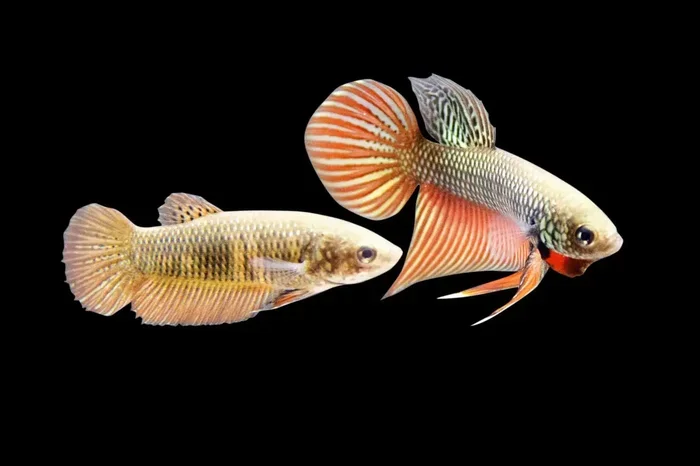
Yes, you can put female betta fish together, but it requires careful planning and the right environment. A successful female betta sorority depends on a spacious tank, plenty of hiding spots, and slow, stress-free introductions. Without these basics, aggression and stress can quickly harm your fish. This guide walks you through every step to build a peaceful community.
Key Takeaways
- Tank size matters: Start with a minimum 20-gallon tank to give each fish enough space to establish territory.
- Group size helps: Keep at least four to six females to spread out aggression and prevent targeting.
- Hiding spots are essential: Use plants, caves, and decor to break sightlines and reduce confrontations.
- Slow introductions work best: Acclimate new fish gradually using a divider or separate quarantine tank.
- Watch for bullying: Separate aggressive fish quickly to protect the rest of the group.
- Water quality supports peace: Clean, stable water lowers stress and keeps temperaments calmer.
- Not all females get along: Some individuals are simply too aggressive and need a solo setup.
📑 Table of Contents
- Can You Put Female Betta Fish Together Safely?
- Understanding Female Betta Behavior
- Can You Put Female Betta Fish Together in the Right Tank?
- Can You Put Female Betta Fish Together With Proper Decor?
- Can You Put Female Betta Fish Together During Introductions?
- Can You Put Female Betta Fish Together Without Constant Fighting?
- Can You Put Female Betta Fish Together With Other Species?
- Common Mistakes When Housing Female Bettas Together
- Expert Tips for a Successful Female Betta Sorority
- Final Thoughts on Can You Put Female Betta Fish Together
Can You Put Female Betta Fish Together Safely?
Many new fish keepers ask the same question: can you put female betta fish together without trouble? The short answer is yes, but it takes more than just dropping them into the same bowl. Female bettas, also called betta splendens, have a reputation for being less aggressive than males. That said, they still carry strong territorial instincts. When you understand their natural behavior and set up the tank correctly, you can build a calm and active community.
A female betta sorority can look stunning in a well-planted aquarium. You will see bright colors, flowing fins, and constant movement. But peace does not happen by accident. It comes from good planning, proper tank size, and patient introductions. This guide explains exactly how to make it work. You will learn what to expect, what to avoid, and how to spot trouble early.
Understanding Female Betta Behavior
Before you set up a group, you need to understand how female bettas interact. They are not as aggressive as males, but they are not harmless either. In the wild, they live in loose groups with clear social rules. In a tank, those same rules apply. If a fish feels crowded or threatened, she will defend her space.
Why Females Can Live Together
Females often tolerate each other better than males do. Males fight over territory and mating rights, and those fights can be deadly. Females usually show more posturing, flaring, and chasing instead of full-on attacks. This makes a sorority possible when the environment supports it. The key is giving them enough room to avoid constant conflict.
Signs of Normal Social Behavior
Some chasing and fin flaring is normal at first. You may see one fish dart after another, or two fish face off with puffed gills. This is part of establishing a social order. As long as no fish is being pinned down, injured, or chased nonstop, the group is likely working through its hierarchy. Give them time to settle.
When Behavior Becomes a Problem
Trouble starts when one fish targets another again and again. Watch for these warning signs:
- Constant chasing that never stops
- Hiding all day because one fish is guarding the tank
- Torn fins, missing scales, or open wounds
- Loss of appetite in a targeted fish
- Lethargy or gasping at the surface
If you see these signs, act fast. A small problem can turn into a serious injury very quickly.
Can You Put Female Betta Fish Together in the Right Tank?
Tank size is the biggest factor in a peaceful sorority. A tiny bowl or a cramped 5-gallon tank will almost always fail. When space is limited, every square inch becomes a battleground. A larger tank gives each fish a chance to claim a small zone without constant overlap.
Minimum Tank Size for a Female Betta Sorority
Start with at least 20 gallons for a small group. This gives the fish room to spread out and reduces tension. For six or more females, a 30-gallon tank is even better. More water also means more stable temperature and water quality, which matters for long-term health.
Why Space Reduces Aggression
Extra space changes how fish interact. In a bigger tank, a chase usually ends quickly because the chased fish can escape. In a small tank, the chase never ends, and stress builds fast. Open swimming areas and clear sightlines help, but so do breaks in the layout. Think of the tank as a series of small rooms rather than one open box.
Tank Shape and Layout Tips
A long tank is often better than a tall one. More surface area helps with oxygen exchange and gives fish more horizontal space to move. Keep the layout balanced on both sides so no one corner becomes a bottleneck. Avoid sharp decor that can tear delicate fins.
Can You Put Female Betta Fish Together With Proper Decor?
Decor is not just for looks. In a sorority tank, plants and hiding spots act like natural barriers. They break lines of sight, give weaker fish a place to rest, and reduce direct confrontations. A well-decorated tank can make the difference between peace and constant fighting.
Best Plants for a Female Betta Sorority
Live plants are ideal because they soften the environment and improve water quality. Good choices include:
- Java fern for hardy, low-light cover
- Anubias for broad leaves and shelter
- Amazon frogbit or other floating plants for shade
- Stem plants to create natural dividers
If you use artificial plants, choose soft materials with no sharp edges. Silk plants often work well because they move gently with the water flow.
Hiding Spots and Tank Dividers
Caves, tunnels, and broken pottery give fish a safe retreat. Place them around the tank so every area has at least one escape option. During introductions, a tank divider can be very helpful. It lets the fish see each other without full contact. This slows the process and lowers the chance of a bad first meeting.
Avoiding Overcrowded Decor
Too much clutter can backfire. If the tank is packed tight, fish may feel trapped instead of protected. Leave open swimming lanes between hiding spots. The goal is balanced coverage, not a maze.
Can You Put Female Betta Fish Together During Introductions?
How you introduce the fish matters just as much as the tank itself. A rushed introduction often leads to immediate conflict. A slow, careful process gives the group a better chance to adjust. Think of it like meeting new roommates. First impressions count, and stress levels rise when everything happens too fast.
Setting Up a Quarantine Period
Before adding any new fish, keep them separate for at least two weeks. This helps you check for illness, parasites, or unusual behavior. It also gives you time to observe each fish’s temperament. A very aggressive female may not be a good fit for a group, even if she looks beautiful.
The Divider Method
One of the safest ways to introduce a sorority is with a tank divider. Place the new fish on one side and the existing fish on the other. Let them see and react to each other for several days. Swap their positions occasionally so no one side dominates the best territory. When flaring and chasing calm down, you can remove the divider during a supervised session.
Adding Fish at the Same Time
Another effective method is adding multiple females at once. This prevents one established fish from claiming the whole tank before the others arrive. A group of four to six newcomers can settle in together and form a more balanced hierarchy. If you already have one female, adding several at the same time is usually safer than adding just one.
Watching the First Few Days
The first week is the most important. Be ready to step in if needed. Keep a net nearby, and watch the tank often. Some posturing is fine. Nonstop attacks are not. If one fish is clearly being bullied, remove her right away and try a different arrangement later.
Can You Put Female Betta Fish Together Without Constant Fighting?
Peace is possible, but it is not guaranteed. Even with a great setup, some females simply do not get along. Your job is to create the best conditions for success and then respond quickly when things go wrong. A stable sorority usually shows calm swimming, regular feeding, and only brief moments of posturing.
How to Reduce Bullying
If one fish becomes a bully, look at the whole environment. Sometimes the issue is not the fish alone. Check these factors:
- Tank size: Is the group outgrowing the space?
- Hiding spots: Are there enough shelters for everyone?
- Group balance: Is one fish isolated or surrounded?
- Water quality: Are ammonia, nitrite, and nitrate in safe ranges?
- Temperature: Is the water stable and comfortable?
Small changes can make a big difference. Rearranging decor sometimes resets territories and lowers tension.
When to Separate Aggressive Fish
Some fish are just too territorial for a group setup. If one female keeps attacking others despite your efforts, move her to her own tank. It is kinder to give her a solo home than to let her stress the whole group. The same goes for a fish that is being singled out. A separated fish can recover in peace and may do better long term.
Keeping a Watchful Eye Long Term
Even a settled sorority needs monitoring. Temperaments can change after a water change, a tank rearrangement, or a new addition. Check the group regularly. If you notice new scars or sudden hiding, investigate right away. Early action prevents bigger problems.
Can You Put Female Betta Fish Together With Other Species?
Some keepers want to add more than just females. They ask whether the tank can include other peaceful fish or invertebrates. The answer depends on the species, the tank size, and the personalities involved. A sorority already needs careful management, so adding more animals increases the complexity.
Peaceful Tank Mates to Consider
If your tank is large enough, certain calm species may work well. Good options often include small, non-aggressive fish that stay out of the bettas’ way. You might also consider snails or shrimp, though some bettas will chase them. If you want to explore compatible species, you can read more in our guide on can you put other fish with a female betta.
Species That Usually Do Not Work Well
Avoid fish that are fin nippers, overly bold, or highly competitive for food. Fast, boisterous tank mates can stress females and trigger more aggression. Very different water needs can also create problems. A sorority tank should stay focused on the bettas first, with any additions chosen carefully.
Feeding and Competition
Food competition is a common source of stress. Make sure every fish gets enough to eat. Spread food across different areas of the tank so one dominant fish does not control all the meals. Watching feeding time is a great way to spot trouble early.
Common Mistakes When Housing Female Bettas Together
Even experienced keepers can make errors when starting a sorority. Avoiding these mistakes gives your group a much better chance of success.
Starting With Too Few Fish
A pair of females is often less stable than a larger group. With only two fish, one may dominate the other nonstop. A group of four to six spreads out the attention and reduces targeting. If you want to learn more about group numbers, see can you keep two female betta fish together.
Using a Tank That Is Too Small
Small tanks create constant pressure. They also make water quality harder to manage. A cramped environment encourages chasing and makes it harder for fish to escape conflict.
Skipping the Introduction Process
Tossing new fish in all at once without preparation is risky. A slow introduction gives the group time to adjust and lowers the chance of a violent first encounter.
Ignoring Water Quality
Poor water quality raises stress and weakens fish. Stressed bettas are more likely to flare, chase, and fight. Keep up with regular water changes and test your parameters often.
Not Having a Backup Plan
Always be ready to separate fish if needed. Keep a spare tank or a clean container available for emergencies. A backup plan can save a fish from serious injury.
Expert Tips for a Successful Female Betta Sorority
A few simple habits can make your sorority much easier to manage. These tips come from watching groups closely and adjusting before small problems grow.
Choose Fish With Similar Sizes
Try to pick females that are close in size and activity level. A very small fish may get overwhelmed by a larger, bolder tank mate. Similar sizes often lead to a more balanced hierarchy.
Keep the Tank Warm and Stable
Bettas are tropical fish. Stable warmth helps them stay active and healthy. Sudden temperature swings can make them irritable and more likely to clash. Use a reliable heater and check it regularly.
Maintain a Consistent Routine
Fish do better when their environment is predictable. Feed at the same times, perform regular maintenance, and avoid frequent major changes. A steady routine keeps stress lower.
Observe Every Day
Daily observation is one of the best tools you have. Look for changes in color, appetite, fin condition, and behavior. Catching a problem early is much easier than fixing a crisis later.
Be Ready to Rearrange
If tension rises, moving plants and decor can help reset territories. Sometimes a simple layout change gives the group a fresh start. Just avoid changing everything at once, since too much disruption can also stress the fish.
Final Thoughts on Can You Put Female Betta Fish Together
So, can you put female betta fish together and keep them peaceful? Yes, many keepers do it successfully. The trick is to treat the sorority as a managed environment, not a random grouping. Give them enough space, add plenty of cover, introduce them slowly, and watch their behavior every day. When one fish cannot coexist peacefully, be ready to separate her.
A well-run female betta sorority can be one of the most rewarding setups in the hobby. You get color, movement, and interesting social behavior without the extreme aggression often seen in male pairs. With patience and good care, your tank can become a calm, healthy home where each fish has a chance to thrive.
Frequently Asked Questions
Can you put female betta fish together in a 10-gallon tank?
A 10-gallon tank is usually too small for a stable sorority. It limits escape routes and makes aggression harder to manage, so a larger tank is a safer choice.
How many female betta fish should be kept together?
Most keepers do best with four to six females. A larger group helps spread out aggression and makes it less likely that one fish will be singled out.
Can you put female betta fish together if one is very aggressive?
It is risky, because a highly aggressive female may keep attacking the others. If bullying continues after careful introductions, she may need her own tank.
How long does it take for a female betta sorority to settle?
It often takes several days to a few weeks for the group to establish a routine. Some chasing is normal at first, but constant aggression should not be ignored.
Can you put female betta fish together with snails?
Sometimes yes, since snails are usually slow and peaceful. However, some bettas may still chase or disturb them, so monitoring is important.
What should I do if a female betta is being bullied?
Separate the bullied fish right away and give her time to recover in a safe space. Then decide whether to rearrange the tank or keep her in a solo setup.