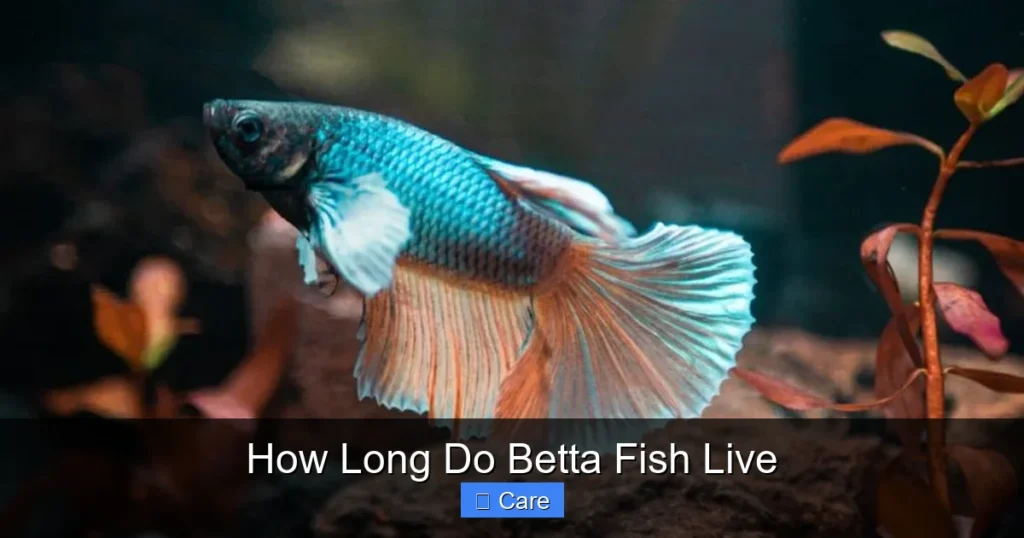
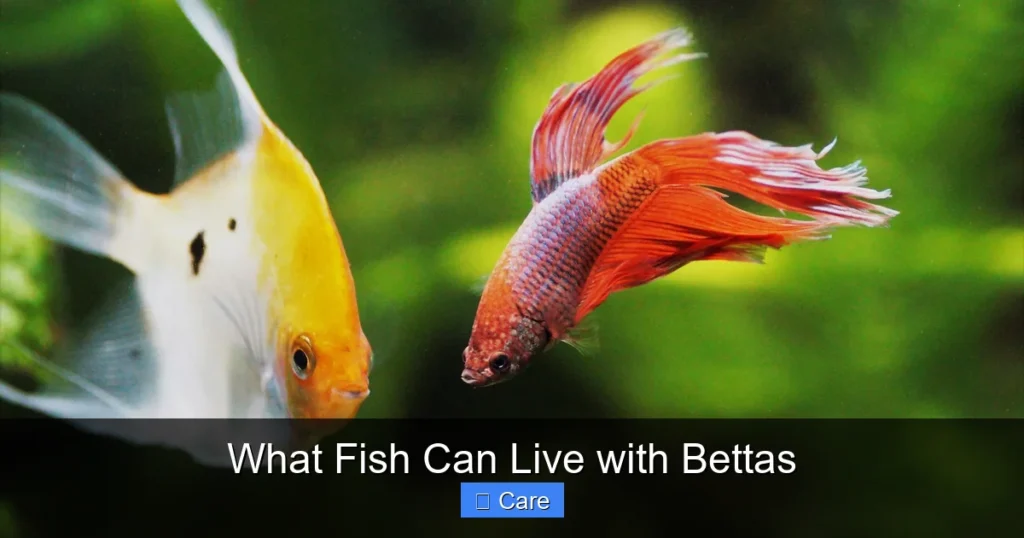
Contrary to popular belief, betta fish can often live with other peaceful fish, but success depends entirely on the individual betta’s temperament and proper tank setup. Selecting the right companions—typically fast-swimming, non-colorful, and non-fin-nipping species from the top and middle water levels—is crucial. Always prioritize a minimum 20-gallon tank with abundant hiding places and plants to break lines of sight, and be prepared to separate fish at the first sign of aggression.
Key Takeaways
- Bettas are highly territorial: Their aggression is primarily directed at fish that look like them (long, flowing fins) or invade their space, so tank size and vertical space division are critical.
- Ideal tank mates are peaceful, fast, and plain: Look for active, hardy species that occupy different tank levels, have short fins, and are not brightly colored to trigger a betta’s aggression.
- Avoid common mistakes: Never house bettas with other long-finned fish (like guppies), fin-nippers (like tiger barbs), or slow, delicate species that can’t escape.
- Tank setup is non-negotiable: A 20-gallon (or larger) cycled tank with a secure lid, dense vegetation (live or silk), and multiple hiding spots is the absolute minimum for a community tank.
- The betta’s personality rules: Some bettas are docile community members, others are relentless bullies. You must observe your specific betta for days before and after adding any new fish.
- Have a backup plan: Always have a separate “hospital” or “quarantine” tank ready to instantly remove a new fish or the betta if aggression occurs.
- Introductions must be slow and strategic: Use tank dividers, rearrange decor to reset territories, and add new fish before the betta to prevent him from seeing the tank as his sole domain.
📑 Table of Contents
- Understanding the Betta: More Than Just a “Fighting Fish”
- The Golden Rules for Choosing Betta Tank Mates
- Top Contenders: The Best Betta Tank Mates
- Fish to Absolutely Avoid with Bettas
- Setting Up the Perfect Betta Community Tank
- Introductions and Troubleshooting: The Critical First Steps
- Conclusion: Patience and Observation Are Your Best Tools
Understanding the Betta: More Than Just a “Fighting Fish”
If you’ve ever walked past a pet store and seen a betta (Betta splendens) in a tiny, solitary cup, you’ve been sold a half-truth. The common name “Siamese fighting fish” paints a picture of a relentless, solitary aggressor. And yes, male bettas will famously battle to the death with other males. But this reputation oversimplifies a complex and intelligent fish. In the wild, bettas are solitary hunters that only interact aggressively for territory or mating. They are not, by nature, community fish. However, with careful selection and an impeccable tank setup, many bettas can live peacefully with specific tank mates, transforming your aquarium from a single-species showcase into a vibrant community.
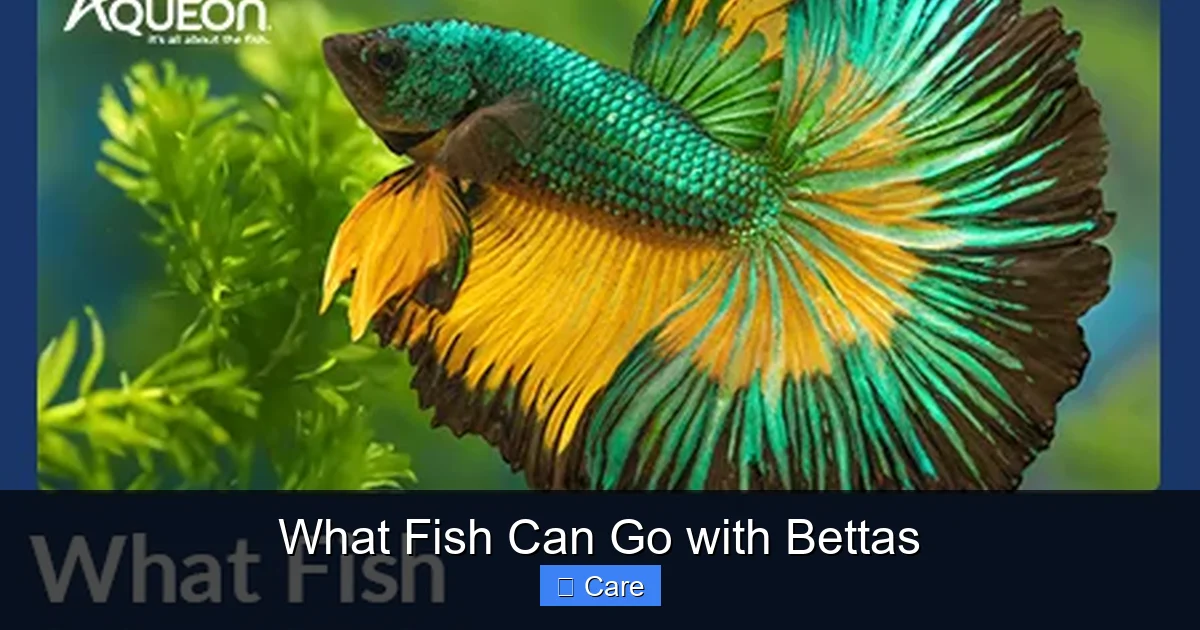
The key to unlocking this possibility lies in understanding three core aspects of betta behavior: their territorial nature, their instinctive response to certain visual cues, and their individual personality. A betta’s territory is everything. In a small tank, that’s the whole tank, making any intruder a threat. In a large, complex tank, a betta can claim a specific cave, plant cluster, or corner, allowing other fish to occupy other zones. They are hardwired to flare (spread their gills and fins) at anything that resembles a rival betta—this means fish with long, flowing fins and bright, solid colors can trigger an attack. Finally, and most importantly, every betta has a unique temperament. Some are curious and placid; others are instant bullies. Your job as a keeper is to be a detective, learning your betta’s specific triggers and limits.
The Golden Rules for Choosing Betta Tank Mates
Before you even think about a shopping list, you must internalize the non-negotiable rules that govern successful betta communities. These aren’t suggestions; they are the foundation upon which all else is built.
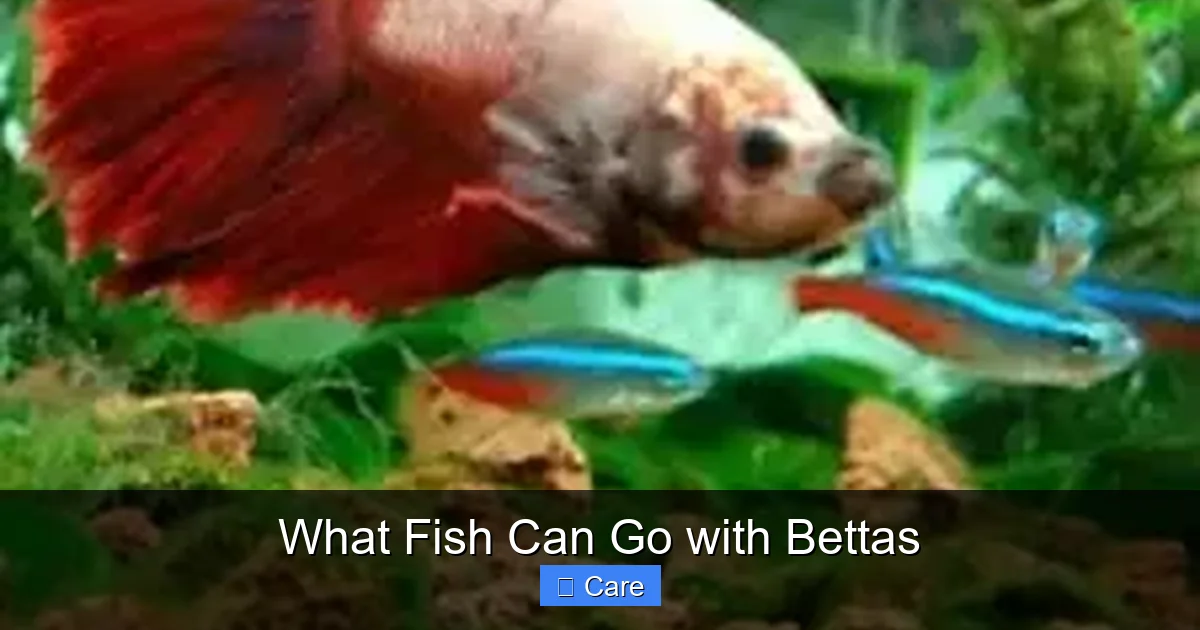
Visual guide about What Fish Can Go with Bettas
Image source: aqueon.com
Rule #1: Tank Size is Everything
The single biggest mistake is attempting a community in anything under 20 gallons. A 10-gallon tank, while suitable for a lone betta, is simply too small to provide adequate space for multiple fish to establish separate territories. The betta will feel cornered and defensive. A 20-gallon long tank (30″ x 12″ x 12″) is the widely accepted absolute minimum. This provides a significant footprint—horizontal space is more important than height for reducing territorial disputes. Ideally, aim for 29 gallons or more. The extra room dilutes the betta’s focus and gives other fish room to flee if chased.
Rule #2: The Lid Must Be Secure
Bettas are labyrinth fish, meaning they gulp air from the surface. They are also notorious jumpers, capable of launching themselves several inches out of the water when startled or chasing. A tight-fitting lid with no gaps is 100% required for a community tank, as other fish can also jump, and you don’t want any escapees.
Rule #3: Hiding Spots and Visual Barriers Are Mandatory
Open water is a betta’s anxiety trigger. Your tank must be a jungle of hiding places. Use dense plants (live plants like Anubias, Java Fern, and Cryptocoryne are excellent and hardy; silk plants are a good alternative). Include multiple caves (clay pots, commercial caves, driftwood with holes), and stack rocks or wood to create overhangs and break lines of sight. The goal is that a betta cannot see the entire tank from any one spot. If he can’t see a potential “rival,” he’s less likely to treat it as one.
Rule #4: The Betta’s Personality is King
This cannot be stressed enough. A list of “good” tank mates is useless if your betta is a grump. You must become an astute observer. Before adding any fish, watch your betta for a week in its solo tank. How does it react to your finger near the glass? To a reflection? To a floating leaf? A betta that constantly flares at everything is a poor candidate for a community. A betta that is curious but not aggressively reactive is a better prospect. You are the ultimate judge of your fish’s character.
Top Contenders: The Best Betta Tank Mates
With the rules established, we can discuss candidates. The safest choices share these traits: they are active swimmers (so they can evade a flare), have short fins (don’t look like rival bettas), are non-nippy (won’t harass the betta’s long fins), and are generally peaceful and hardy. Here are the most consistently successful groups.
Visual guide about What Fish Can Go with Bettas
Image source: aqueon.com
Peaceful Rasboras and Danios
These small, active schooling fish are fantastic choices because they inhabit the top and middle levels of the tank, often out of the betta’s primary mid-level territory. Their constant, darting motion makes them difficult targets for a betta to focus on.
- Harlequin Rasboras (Trigonostigma heteromorpha): The gold standard. They are beautiful but not flashy in a way that provokes bettas (their orange/red patch is on the tail, not the body). They are active, social, and need to be kept in groups of 6+. A school of 8-10 in a 20+ gallon tank is a stunning, peaceful addition.
- Phoenix Rasboras (Rasbora borapetensis): Slightly smaller and more subdued in color, they are equally hardy and peaceful.
- Chili Rasboras (Boraras brigittae): Tiny, brilliant red fish. Their small size (under 0.5 inch) means they are seen more as “shrimp” than rivals. Keep in large schools (10+) in a well-planted tank.
- Zebra Danios (Danio rerio): Extremely hardy, fast, and active. Their horizontal stripes are not a trigger. They can be a bit boisterous and may nip at long fins in rare cases, so close observation is needed. They prefer cooler water (72-74°F), which is at the lower end of a betta’s range (78-80°F), so temperature must be managed carefully.
- Leopard Danios (Danio rerio var.): Similar to Zebra Danios, with spots instead of stripes. Same considerations apply.
The “Oddball” Clean-Up Crew: Kuhli Loaches & Corydoras
Fish that occupy the bottom level are ideal because they rarely cross paths with the betta, who tends to patrol the upper half.
- Kuhli Loaches (Pangio kuhlii): These are eel-like, peaceful, nocturnal loaches. They burrow in the substrate and spend their time hiding or slowly exploring the bottom. They are fascinating to watch and completely ignore the betta. Keep in groups of 5+.
- Corydoras Catfish: The classic, friendly bottom-dwellers. They are social and should be kept in groups of 6+. Species like Bronze Corydoras (Corydoras aeneus) or Pygmy Corydoras (Corydoras pygmaeus) are excellent. Pygmy corys stay tiny and school in the mid-bottom. All corys are armored and peaceful, minding their own business.
Small, Peaceful Livebearers (With Caution)
Some livebearers can work, but selection is critical. Avoid any with large, colorful tails.
- Endler’s Livebearers (Poecilia wingei): Often called “Endler’s guppies.” They are tiny, active, and males have small, colorful spots but not the dramatic, flowing tail of a fancy guppy. They are a much safer bet than guppies and add constant activity. Keep a 2:1 female-to-male ratio to prevent harassment.
- Mollies (Poecilia sphenops): Can be hit-or-miss. Some are peaceful, but they can be nippy. Their body shape is different from a betta, but they are larger and more assertive. Not recommended for beginners.
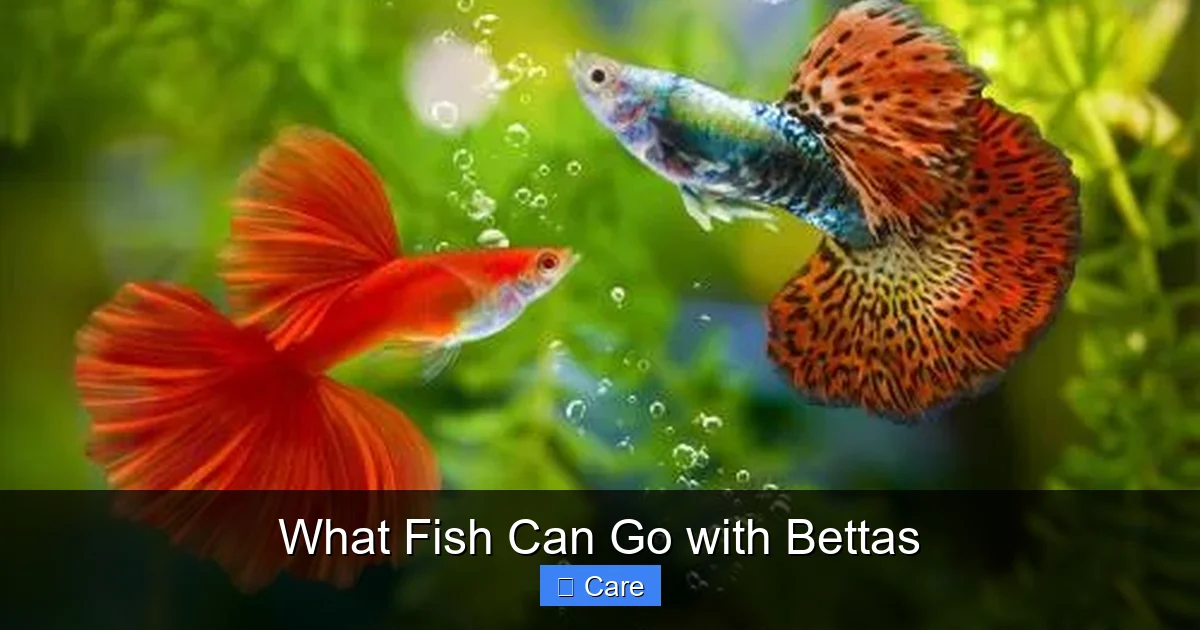
- Avoid Guppies (Poecilia reticulata):strong>: This is a classic mistake. Male guppies have long, flowing, colorful fins that will drive a male betta into a frenzy. The betta will likely attack and kill the guppy. Female guppies have shorter fins but can still be brightly colored. Generally, it’s not worth the risk.
The “Shrimp and Snail” Option
For a truly unique nano-community, consider invertebrates.
- Amano Shrimp (Caridina multidentata): Large (2+ inches), hardy, and primarily algae-eaters. They are too big to be seen as food by most bettas and are too busy doing their own thing. They are fantastic, peaceful additions.
- Ghost Shrimp / Glass Shrimp (Palaemonetes sp.): Transparent and active. They are cheap, making them good “canaries in the coal mine”—if the betta attacks, you haven’t lost an expensive fish. However, there is a risk the betta will eat them, especially smaller ones.
- Cherry Shrimp (Neocaridina davidi): Very colorful. This is a gamble. Some bettas ignore them; others see them as moving snacks. If your betta is mellow, a colony can thrive and reproduce. If not, they’ll be dinner.
- Nerite Snails (Neritina sp.): The perfect snail. They have a hard shell, can’t reproduce in freshwater (so no snail explosion), and are completely harmless. They will crawl on the glass and decor, eating algae. A betta will not bother them.
- Mystery Snails (Pomacea sp.): Larger, colorful snails. They are also safe due to their shell, but they produce a lot of waste and can escape if the water line is too high. Ensure the lid is secure.
Fish to Absolutely Avoid with Bettas
Just as important as knowing who to try is knowing who to never attempt. This list is short but critical.
Visual guide about What Fish Can Go with Bettas
Image source: japanesefightingfish.org
Any Fish with Long, Flowing Fins
This is the #1 rule. The betta’s brain is wired to see this as a rival male. This includes: Fancy Guppies, Male Siamese Fighters (other bettas), Fancy Goldfish (like Orandas or Ryukins), Angelfish (when full-grown), and some varieties of Mollies and Platies. Even a female betta with very long fins can provoke a male.
Fin-Nippers and Aggressive Fish
These fish will relentlessly harass the betta’s long, flowing fins, causing stress, injury, and infection. They include: Tiger Barbs, Serpae Tetras, Black Skirt Tetras, some Danios (like the Giant Danio), most Cichlids (except perhaps some very large, mellow ones in a huge tank), and most “tiger” or “punctatus” patterned fish.
Fish that Occupy the Same Niche
Avoid other fish that are slow, deliberate swimmers that will hover in the same mid-level space as the betta. This includes: Fancy Goldfish (also cold-water), most Gouramis (they are related and will often fight), slow-moving Tetras like Lemon Tetras, and large, slow Barbs.
Invertebrates with No Shell
Avoid freshwater clams, apple snails (soft body), or shrimp that are too small and colorful (like some Cherry Shrimp if your betta is a hunter). They are seen as food.
Setting Up the Perfect Betta Community Tank
Let’s bring it all together into a practical setup plan for a 20-gallon long tank, which is an excellent starting point.
The Stocking Plan Example
For a 20-gallon long, a safe, beautiful community could be:
- 1 Male or Female Betta (selected for a calm temperament)
- 8-10 Harlequin Rasboras
- 6 Pygmy Corydoras
- 1 Amano Shrimp (or 3-4 Ghost Shrimp)
- 2-3 Nerite Snails
This is a total of 20-25 small fish/inverts, which is a very light bio-load for a 20-gallon tank, making water quality easier to maintain. The rasboras use the top/middle, the corys the bottom, the shrimp the mid/bottom, and the snails the glass/wood. The betta can claim a mid-level territory with plenty of plants.
Aquascaping for Peace
Your tank must look like a underwater forest, not a swimming pool. Use a dark substrate (sand or fine gravel) to reduce glare and stress. Plant densely along the back and sides with stem plants (Rotala, Ludwigia) and mid-ground plants (Crypts, Anubias on driftwood). Leave one or two open swimming lanes for the rasboras. Place several caves and tunnels made of terracotta pots, coconut shells, or rock piles. Add floating plants (like Frogbit or Duckweed) to cover part of the surface—this dims the light, reduces the betta’s territorial view of the surface, and makes him feel secure. The more you can break up the line of sight from one end of the tank to the other, the better.
The Nitrogen Cycle: Your First Priority
Before you add a single fish, you must cycle the tank. This 4-6 week process establishes beneficial bacteria that convert toxic fish waste (ammonia and nitrite) into less harmful nitrate. A cycled tank is the single most important factor in fish health. Use a liquid test kit (API Freshwater Master Test Kit) to monitor ammonia, nitrite, and nitrate. The tank is cycled when you can add 1-2 ppm of ammonia and see it convert to nitrite and then to 0 ppm nitrate within 24 hours. Do not skip this step. A fish-in-cycle on a community tank is a recipe for disaster.
Introductions and Troubleshooting: The Critical First Steps
How you add fish is as important as which fish you add. Rushing this process is the most common cause of failure.
The “Betta Last” or “Betta First” Method
There are two schools of thought, but both aim to prevent the betta from seeing the tank as its exclusive domain that you are invading.
The “Tank Mates First” Method (Recommended for most): Fully cycle the tank with your chosen community fish (rasboras, corys) first. Let them establish their territories and routines for 2-3 weeks. Then, introduce the betta last. Use a divider initially (a mesh or acrylic divider that allows water flow but not visual contact) for 24-48 hours. Then, remove the divider and observe closely for flaring, chasing, or posturing. If the betta chases relentlessly, you may need to rehome him or the tank mates.
The “Betta First” Method: Add the betta to the empty, fully cycled, heavily planted tank first. Let him explore and claim his territory for a week. Then, add the other fish. This can work if the betta is particularly laid-back, as he may see the new fish as “visitors” in his established home rather than invaders.
What to Do If Aggression Erupts
Have a backup tank (even a 5-gallon bucket with a heater and filter) ready.
- Minor Flaring/Chasing: If the betta chases a rasbora once or twice and then gives up, it’s often just a warning. Monitor closely for 24 hours. If it stops, you may be okay.
- Constant Chasing/Harrassment: If the betta relentlessly pursues one or more fish, cornering them, or if you see torn fins on the other fish, you must intervene immediately. Remove the betta first. He is the aggressor. Place him in the backup tank to calm down. You can try reintroductions later with more decor, but be prepared that he may simply be a solitary fish.
- The Betta is the Victim: Rare, but possible. If a normally peaceful rasbora school suddenly starts nipping at the betta’s fins, remove the offending school immediately. They may have been stressed or are just incompatible.
Feeding Time Strategies
Feed the community first, scattering sinking foods (cory pellets, shrimp food) at the bottom and mid-water. Then, feed the betta his pellet or frozen food at the surface. This prevents the betta from seeing the other fish as competition for food and reduces surface frenzy where he might mistake a rasbora for food.
Conclusion: Patience and Observation Are Your Best Tools
Creating a successful betta community is a rewarding challenge that moves beyond the outdated myth of the lonely, aggressive fighter. It requires research, investment in proper equipment, and a deep understanding of your individual fish. Remember the hierarchy: Tank Size > Hiding Spots > Appropriate Species > Your Betta’s Personality. Start with the safest, most compatible species like harlequin rasboras and corydoras in a well-planted 20+ gallon tank. Introduce slowly, observe meticulously for the first week, and always have an evacuation plan. The moment you see your previously solitary betta calmly coexisting with a school of darting rasboras, or resting near a group of busy cory cats, you’ll know the extra effort was worth it. You’ve not only provided a better life for your betta but have built a miniature, thriving ecosystem. Good luck, and enjoy the peaceful community you’ve carefully crafted.
Frequently Asked Questions
Can betta fish live with shrimp?
Yes, but it depends heavily on the shrimp species and your betta’s personality. Large shrimp like Amanos are usually safe. Small, colorful shrimp like Cherry Shrimp are a gamble—some bettas ignore them, others see them as food. Ghost shrimp are a good, inexpensive test. Always provide abundant plant cover for shrimp to hide in.
How do I introduce new fish to my betta tank?
The safest method is to add all other community fish first and let them establish for 2-3 weeks. Then, use a tank divider to introduce the betta for 24-48 hours before removing it. Rearrange the tank decor before adding the betta to break up existing territories and reset the “map.” Always add new fish to a fully cycled, established tank.
What is the absolute minimum tank size for a betta with tank mates?
The widely accepted and strongly recommended minimum is a 20-gallon long tank (30″ x 12″ x 12″). A 10-gallon tank is too small to provide adequate space and hiding spots to reduce territorial aggression. More space is always better for community success.
How can I tell if my betta is stressed by tank mates?
Signs of stress include constant flaring at specific fish, relentless chasing and cornering of other fish, loss of appetite, faded or dull colors, lethargy, and frequent hiding. If you see torn fins on the betta or its tank mates, aggression is already happening and requires immediate intervention.
Can female bettas live with other fish?
Yes, female bettas are generally less aggressive and territorial than males and can often be housed in groups (a “sorority”) of 4-5 in a heavily planted 20+ gallon tank. They can also frequently be better community candidates with peaceful tank mates than males, as they lack the dramatic fins that trigger aggression. However, individual personalities vary, and the same rules of tank size and hiding spots apply.
What should I do if my betta starts fighting with a new tank mate?
Act immediately. Have a separate hospital tank ready. Remove the betta first, as it is the most likely aggressor. Place it in the backup tank to calm down. Monitor the injured fish in the main tank for signs of stress or infection. You may be able to reintroduce them later with significantly more plants and hiding spots, but be prepared that your betta may simply need to be a solitary fish. Never let the fighting continue.