What Can Live With A Betta Fish Best Tank Mates
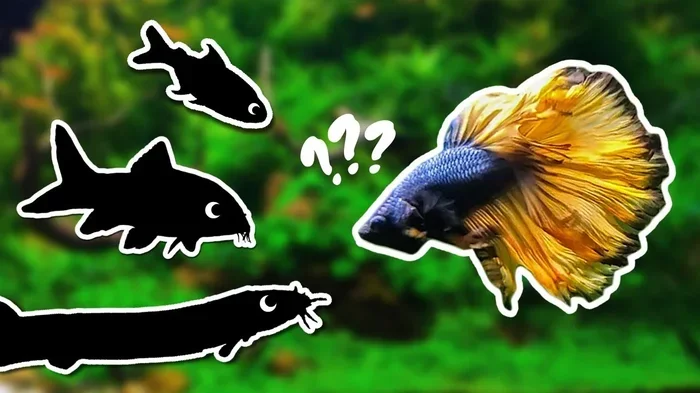
Choosing the right tank mates for your betta can feel tricky, but it does not have to be. This guide breaks down what can live with a betta fish safely and peacefully. You will learn which species get along well, which ones to avoid, and how to set up your tank for success. With the right choices, your betta can thrive in a lively community tank.
This is a comprehensive guide about what can live with a betta fish.
Key Takeaways
- Tank size matters: A 20-gallon tank or larger gives your betta and tank mates enough space to swim comfortably.
- Avoid fin nippers: Species like tiger barbs can stress your betta and damage their beautiful fins.
- Peaceful fish work best: Neon tetras, corydoras, and otocinclus catfish are gentle options that usually get along well.
- Watch water parameters: All tank mates must thrive in similar water temperatures and pH levels as your betta.
- Introduce slowly: Add new fish gradually and monitor behavior to prevent aggression or stress.
- Hiding spots help: Plants, rocks, and decorations give shy fish places to retreat when needed.
- Not all companions work: Goldfish, turtles, and large aggressive fish should never share a tank with a betta.
[FEATURED_IMAGE_PLACEHOLDER]
What Can Live With A Betta Fish Best Tank Mates
Keeping a betta fish is a wonderful experience. Their bright colors and personality make them a favorite for many aquarium lovers. But one question comes up often. What can live with a betta fish without causing trouble? The answer depends on many factors. Tank size, water conditions, and fish personality all play a role. This guide will help you make smart choices for a happy community tank.
Many people think bettas must live alone. That is not always true. Male bettas can be aggressive toward other males. But they can often share a tank with peaceful tank mates. The key is picking species that will not fight, nip fins, or outcompete your betta for food. When you choose carefully, your tank can be full of life and color.
In this article, we will explore safe options, risky choices, and practical tips. You will learn how to set up your tank, what to watch for, and which species are worth considering. Let us dive in and find out what can live with a betta fish in a peaceful way.
Understanding Betta Fish Temperament
Before picking tank mates, you need to know your betta. Betta fish are known for their bold nature. Males, in particular, can be territorial. They may flare their gills or chase other fish that enter their space. This behavior is normal, but it can cause stress if the tank is too small or crowded.
Not every betta acts the same way. Some are calm and ignore other fish. Others are bold and may attack anything that moves. You should watch your betta closely before adding new companions. If your betta is very aggressive, it may be best to keep it alone. If it is relaxed, you have more options.
Here are a few things to keep in mind about betta temperament:
- Male bettas are more likely to show aggression toward other males.
- Female bettas can sometimes live in groups called sororities, but this needs careful planning.
- Individual personality matters. Two bettas of the same type may behave very differently.
- Tank layout affects behavior. More hiding spots can reduce tension.
Quick Tip: Spend a few days watching your betta before adding any new fish. Note how it reacts to movement near the tank. This can give you clues about what it might tolerate.
Why Tank Size Matters
The size of your tank plays a huge role in success. A small bowl or tiny tank leaves no room for escape. This can lead to constant stress and fights. A larger tank gives each fish its own space. It also helps maintain stable water conditions, which keeps everyone healthier.
A 20-gallon tank is a good starting point for community setups. It offers enough room for a betta and a few peaceful tank mates. Smaller tanks can work with very careful selection, but they leave less margin for error. If you want to add more fish, go bigger.
Here is a simple comparison to help you decide:
| Tank Size | Best For | Notes |
|---|---|---|
| 5-10 gallons | Single betta only | Too small for most tank mates |
| 20 gallons | Betta + 2-4 peaceful fish | Good balance of space and manageability |
| 30+ gallons | Larger community setups | More options, but needs more care |
Common Mistake: Adding too many fish to a small tank. This raises stress, worsens water quality, and increases the chance of conflict.
Best Tank Mates For A Betta Fish
Now let us look at species that usually get along well with bettas. These fish are peaceful, stay out of the betta’s way, and thrive in similar water conditions. They are great options when you wonder what can live with a betta fish safely.
Neon Tetras And Other Small Schooling Fish
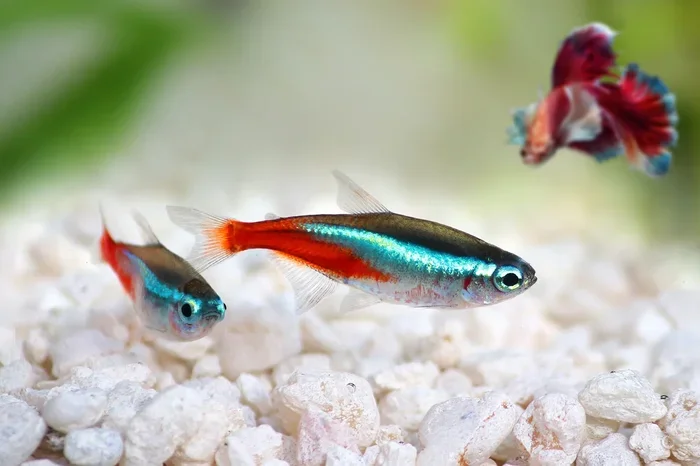
Neon tetras are a popular choice. They are small, colorful, and generally peaceful. They swim in groups, which helps them feel secure. A school of six or more neon tetras can make a beautiful addition to a betta tank. They tend to stay in the middle or upper levels, so they do not crowd the betta’s space.
Other small schooling fish can also work well. Look for species that are calm and not too active. Avoid fish that dart around constantly, as this can trigger chasing behavior. When in doubt, start with a small group and observe how your betta reacts.
You can learn more about specific options in our guide on can a male betta fish live with neon tetras.
Quick Tip: Keep schooling fish in groups of at least six. A lone schooling fish may feel stressed and behave unpredictably.
Corydoras Catfish And Bottom Dwellers
Corydoras catfish are gentle bottom dwellers. They spend most of their time near the substrate, searching for food. This keeps them away from the betta’s main swimming area. They are social fish, so it is best to keep them in small groups.
Otocinclus catfish are another peaceful option. They are small and help clean algae from glass and plants. They are shy, so they need plants and hiding spots to feel safe. If you want a bottom dweller that stays calm, these are worth considering.
You may also want to read about can a betta fish live with a otocinclus catfish for more details on this pairing.
Common Mistake: Choosing a bottom dweller that grows too large or becomes territorial. Always research adult size and behavior before adding any fish.
Snails And Shrimp As Quiet Companions
If you want low-key tank mates, snails and shrimp can be excellent choices. They do not compete for space or bother your betta. Many snails help keep the tank clean by eating leftover food and algae. Shrimp add movement and can be fun to watch.
Some good options include:
- Mystery snails: Gentle and easy to care for.
- Nerite snails: Great algae eaters that do not breed in freshwater.
- Ghost shrimp: Small, peaceful, and active without being disruptive.
If you are curious about snails, check out can freshwater snail live with a betta fish for more guidance.
Quick Tip: Add shrimp only if your betta is calm. Some bettas may view small shrimp as food, especially in smaller tanks.
Live Plants And Decorations For Harmony
Plants and decorations do more than look nice. They create territories and hiding spots. This helps reduce tension between fish. Live plants also improve water quality by absorbing waste and adding oxygen.
When choosing plants, pick species that are safe for bettas and easy to maintain. Java fern, anubias, and moss balls are popular choices. They do not need strong lighting and can thrive in a betta tank. If you want to learn more, see can you put a live water plant with betta fish.
A well-planted tank gives shy fish places to hide. It also breaks up lines of sight, which can reduce chasing. This makes the tank feel more natural and less stressful for everyone.
Tank Mates To Avoid With A Betta
Not every fish is a good match. Some species are too aggressive, too large, or too active for a betta tank. Knowing what to avoid is just as important as knowing what can live with a betta fish.
Goldfish And Large Coldwater Fish
Goldfish are a common mistake. They grow large, produce a lot of waste, and prefer cooler water. Bettas need warmer water, so their needs do not match. Goldfish can also outcompete bettas for food and space. This pairing is not recommended.
For more details, you can read can goldfish live with a betta fish.
Common Mistake: Assuming all fish can live together if the tank looks big enough. Water temperature, diet, and behavior must all line up.
Fin Nippers And Aggressive Species
Some fish are known for nipping fins. This can hurt your betta and cause lasting stress. Tiger barbs, certain rasboras, and some aggressive cichlids fall into this category. Even if they seem small, their behavior can create big problems.
A betta’s fins are part of what makes it beautiful. Fin damage can lead to infection and discomfort. It is best to avoid any species with a reputation for aggression or fin nipping.
If you want to explore more risky pairings, you can look at can a betta fish live with a rainbow shark to understand why some fish do not work well.
Quick Tip: When researching a new fish, always check temperament, not just size. A small fish can still be a troublemaker.
Turtles, Frogs, And Other Unusual Choices
Some people wonder about turtles or frogs as tank mates. These animals have very different needs. Turtles often grow large, need basking areas, and may see fish as food. Frogs have their own requirements and may not thrive in a standard fish tank.
If you are curious about frogs, you can read can a betta fish live with a frog. For turtles, see can betta fish live with a turtle. In most cases, these pairings are not ideal for a peaceful home aquarium.
Common Mistake: Mixing species based on novelty instead of compatibility. Always put the animal’s needs first.
How To Introduce New Tank Mates Safely
Adding new fish is a big step. A careful introduction helps reduce stress and prevents fights. Here is a simple process you can follow.
Prepare The Tank First
Before adding any new fish, make sure your tank is ready. Check the water temperature, pH, and filtration. Ensure the tank is cycled and stable. A mature tank is much safer than a brand-new setup.
Good preparation includes:
- Proper filtration: A gentle filter keeps water clean without creating strong currents.
- Hiding spots: Plants, rocks, and caves give fish places to retreat.
- Stable temperature: Bettas prefer warm water, usually around 78-80°F.
You can learn more about filters in our article on can you use a filter with betta fish.
Add Fish Gradually
Do not add too many fish at once. Start with one or two peaceful tank mates. Watch how your betta reacts over the next few days. If things go well, you can consider adding more later. If there is aggression, remove the new fish and try a different species.
It also helps to add tank mates before the betta when possible. This lets the other fish settle in first. Then the betta sees them as part of the environment rather than intruders.
Quick Tip: Use a tank divider if you want to test compatibility before fully introducing a new fish.
Watch Behavior Closely
Observation is your best tool. Look for signs of stress, such as hiding, loss of color, or rapid breathing. Also watch for chasing, flaring, or fin nipping. Some curiosity is normal, but constant aggression is not.
If problems appear, act quickly. You may need to remove the new fish or rearrange the tank. Sometimes moving plants and decorations can reset territorial behavior.
Common Mistake: Ignoring early warning signs. Small issues can turn into big problems if left unchecked.
Setting Up A Community Tank For Success
A successful community tank is about more than just fish choices. The setup, maintenance, and daily care all matter. Here are the key pieces to get right.
Water Conditions And Compatibility
All fish in the tank should enjoy similar water conditions. Bettas prefer warm, clean water with a stable pH. Tank mates should thrive in the same range. If one species needs very different conditions, it is not a good match.
Keep these points in mind:
- Temperature: Most tropical tank mates do well in the same warm range as bettas.
- pH: A neutral to slightly acidic pH is common for many peaceful species.
- Water quality: Regular water changes keep the tank healthy for everyone.
If you are unsure about tap water safety, read can a betta fish live in tap water with filter for helpful guidance.
Feeding And Space Management
Feeding time can be stressful if one fish dominates the food. Make sure all fish get enough to eat. Spread food around the tank so slower fish have a chance. Watch for signs that some fish are being pushed away from food.
Space also matters. Even peaceful fish need room to swim. Overcrowding leads to stress and poor water quality. A good rule is to keep the tank balanced and avoid filling every inch with fish.
Quick Tip: Feed small amounts multiple times a day instead of one large feeding. This can reduce competition.
Maintenance And Ongoing Care
A community tank needs regular care. Test the water, clean the filter, and do partial water changes. Remove uneaten food and watch for algae growth. Healthy water means healthier fish and fewer behavior problems.
Maintenance checklist:
- Test water parameters weekly
- Do partial water changes as needed
- Clean filter media gently
- Trim plants and remove debris
- Watch fish behavior every day
If you want to know whether a betta can live without an air pump, see can a betta fish live with no air pump. Good filtration and oxygen levels matter in any community setup.
Final Thoughts On What Can Live With A Betta Fish
Finding the right companions for your betta takes patience and research. The good news is that many peaceful fish, snails, and shrimp can share a tank when conditions are right. The key is to match temperament, water needs, and tank size. When you plan carefully, you can build a beautiful and balanced aquarium.
Remember these main points:
- Start with a spacious, stable tank.
- Choose calm, compatible species.
- Avoid aggressive or incompatible animals.
- Introduce new fish slowly and watch closely.
- Keep up with regular maintenance.
If you are wondering what can live with a betta fish, the best answer is simple: peaceful tank mates that share similar needs and leave your betta enough space to feel safe. With the right setup, your betta can enjoy a lively and harmonious community tank.
Frequently Asked Questions
Can two male betta fish live together?
Two male bettas should not live in the same tank. They are highly territorial and will likely fight, which can cause serious injury. If you want more than one betta, use a tank divider or keep them in separate tanks.
What fish are safe to keep with a betta fish?
Peaceful, small fish like neon tetras, corydoras, and otocinclus catfish are often safe choices. Snails and ghost shrimp can also work well in a calm tank. Always monitor behavior after adding new tank mates.
Can a betta fish live with goldfish?
No, goldfish are not a good match for bettas. They need cooler water, grow large, and produce a lot of waste. These differences make them unsuitable as tank mates for a betta fish.
How many fish can live with a betta in a 20-gallon tank?
A 20-gallon tank can usually hold a betta and a small group of peaceful fish, such as 6 neon tetras or a few bottom dwellers. The exact number depends on the species and how active they are. Avoid overcrowding to keep water quality stable.
Do betta fish get lonely without tank mates?
Bettas do not necessarily get lonely, but they do benefit from a stimulating environment. Plants, decorations, and gentle tank mates can add interest. A well-set-up tank matters more than having many fish around.
What should I do if my betta attacks new tank mates?
If your betta shows constant aggression, remove the new fish right away. Rearrange decorations to break up territories, and try introducing different, calmer species later. Some bettas simply do best when kept alone.