Can a Betta Fish Live in Tap Water with Filter
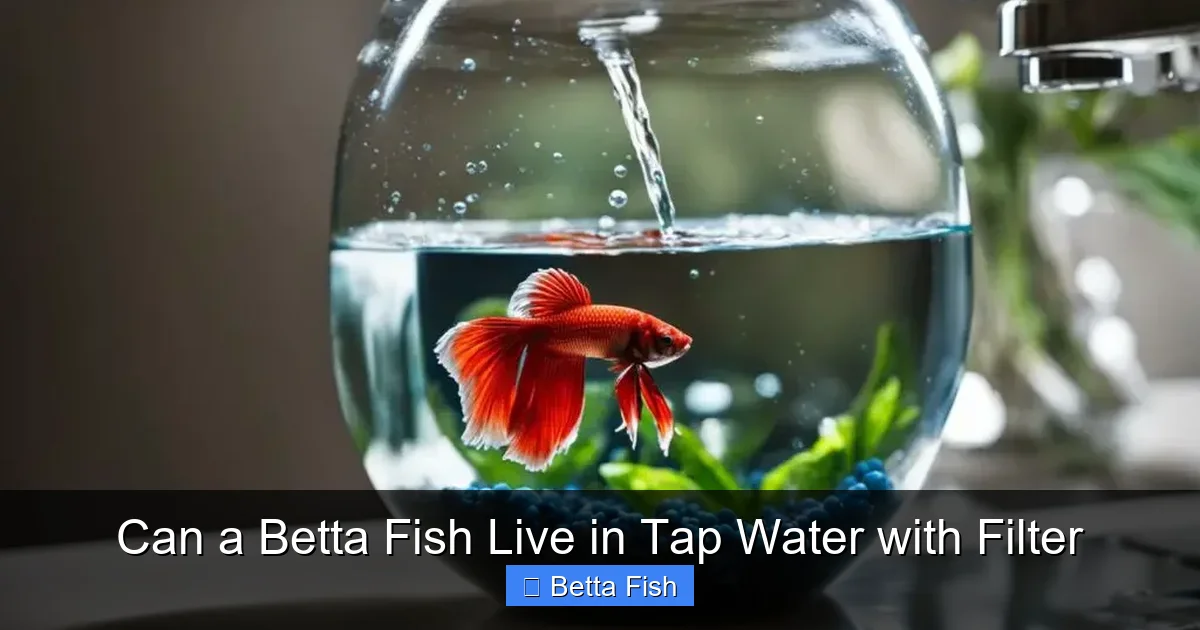
Yes, a betta can thrive in tap water when it’s properly treated and filtered. Use a gentle filter, dechlorinate the water, and maintain stable temperatures to keep your betta healthy and vibrant.
Key Takeaways
- Proper treatment is essential: Always dechlorinate tap water before adding it to the tank.
- Gentle filtration works best: Choose a low‑flow filter that mimics a calm environment.
- Temperature stability matters: Keep water between 76‑82°F (24‑28°C) for optimal health.
- Regular water changes prevent buildup: 25‑30% weekly changes keep ammonia and nitrite low.
- Monitor water parameters: Test for pH, hardness, and chlorine to avoid stress.
- Tank size influences success: A 5‑gal (20 L) tank gives more stable water than a bowl.
- Filter maintenance is key: Clean or replace filter media every 2‑4 weeks.
📑 Table of Contents
- Introduction: Why the Question Matters
- Understanding Tap Water: What’s Inside?
- Choosing the Right Filter for a Betta
- Step‑by‑Step: Preparing Tap Water for Your Betta
- Maintaining a Healthy Environment
- Common Mistakes and How to Avoid Them
- Is a Bowl Enough? Comparing Bowls and Filtered Tanks
- Putting It All Together: A Sample Weekly Routine
- Conclusion: Yes, It’s Possible—and It’s Worth It
Introduction: Why the Question Matters
Betta fish are famous for their dazzling fins and feisty personality. New owners often wonder if they can simply fill a bowl with tap water, add a cheap filter, and call it a day. The short answer is “yes—if you do it right.”
Tap water is convenient, but it comes with chlorine, chloramines, and sometimes heavy metals that can harm a delicate betta. A filter helps keep the water clear, but the wrong type can create too much current, stressing the fish. This guide walks you through every step so you can confidently answer the question, can a betta fish live in tap water with filter? and set up a healthy home for your finned friend.
Understanding Tap Water: What’s Inside?
Chlorine and Chloramine
Most municipal supplies add chlorine or chloramine to kill bacteria. Both are toxic to fish. Chlorine evaporates quickly, but chloramine does not. That’s why a water conditioner that neutralizes both is a must.
Visual guide about Can a Betta Fish Live in Tap Water with Filter
Image source: bettafishworld.com
Hardness and pH
Tap water varies in hardness (GH) and pH. Bettas prefer soft to moderately hard water (GH 3‑8) and a pH of 6.5‑7.5. Test your water and adjust with conditioners or driftwood if needed.
Temperature Fluctuations
Cold tap water can shock a betta. Always bring the water to room temperature or use an aquarium heater to maintain a stable 76‑82°F (24‑28°C) range.
Choosing the Right Filter for a Betta
Low‑Flow Filters are Best
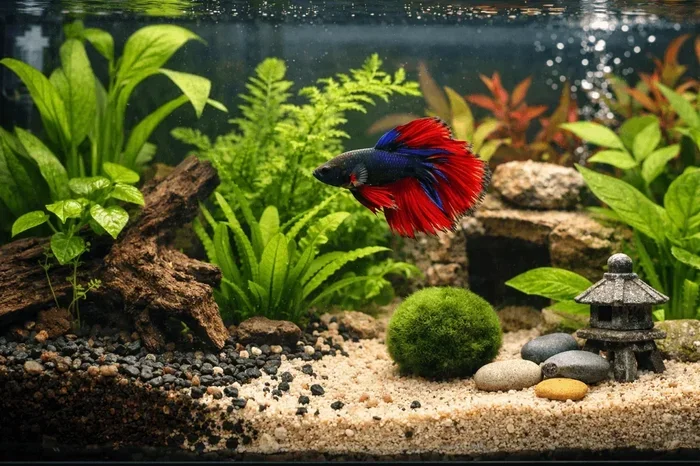
Bettas are native to slow‑moving waters. A filter that creates a strong current can exhaust them. Look for sponge filters, hang‑on‑back (HOB) units with adjustable flow, or internal filters with a gentle spray.
Visual guide about Can a Betta Fish Live in Tap Water with Filter
Image source: bettafishworld.com
Benefits of Filtration
- Biological filtration: Establishes beneficial bacteria that break down ammonia.
- Mechanical filtration: Traps particles, keeping water clear.
- Chemical filtration: Activated carbon can remove odors and trace chemicals.
How to Set Up the Filter
1. Rinse the filter media in dechlorinated water—never use tap water.
2. Position the intake near the surface, away from the betta’s resting spot.
3. Adjust the flow to a gentle swirl; you should barely notice it.
Step‑by‑Step: Preparing Tap Water for Your Betta
1. Gather Supplies
- Water conditioner that removes chlorine and chloramine
- Thermometer
- pH and hardness test kit
- Filter (sponge or low‑flow HOB)
- Heater (if ambient temperature is below 75°F/24°C)
2. Condition the Water
Fill a clean bucket with tap water. Add the recommended dose of conditioner and stir. Wait a few minutes for the chemicals to neutralize.
Visual guide about Can a Betta Fish Live in Tap Water with Filter
Image source: cdn.shopify.com
3. Adjust Temperature
If the water is cold, let it sit in a warm room or use a submersible heater set to the desired range. Check with a thermometer before adding to the tank.
4. Test pH and Hardness
Use a test kit to confirm the water is within the betta‑friendly range. If it’s too hard, add driftwood or a commercial softening agent.
5. Transfer to the Tank
Slowly pour the treated water into the tank, avoiding a strong current that could stress the fish.
Maintaining a Healthy Environment
Weekly Water Changes
Replace 25‑30% of the tank water each week with freshly conditioned tap water. This dilutes any nitrate buildup and keeps parameters stable.
Filter Maintenance
Every 2‑4 weeks, rinse sponge or HOB filter media in a bucket of tank water (not tap). This preserves beneficial bacteria while removing debris.
Monitoring Parameters
Test for ammonia, nitrite, and nitrate weekly. Ammonia and nitrite should be 0 ppm; nitrate should stay below 20 ppm.
Feeding and Nutrition
Feed high‑quality betta pellets or frozen bloodworms once or twice a day. Overfeeding leads to excess waste, which strains the filter.
Common Mistakes and How to Avoid Them
Using a Strong Flow Filter
A powerful filter can cause constant swimming, leading to fin damage. If you notice your betta constantly battling the current, lower the flow or switch to a sponge filter.
Skipping Water Conditioning
Even “clean‑looking” tap water can contain chloramine. Always use a conditioner; it’s the single most common cause of sudden fish deaths.
Neglecting Temperature
Fluctuating temperatures stress bettas and weaken their immune system. A reliable heater with an automatic thermostat prevents dangerous swings.
Overcrowding the Tank
Bettas are territorial. A 5‑gallon tank is the minimum for a single betta with a filter. Adding too many tank mates can lead to aggression and poor water quality.
Is a Bowl Enough? Comparing Bowls and Filtered Tanks
Many beginners wonder if a simple bowl works. While bettas can survive in a bowl without a filter, the water quality deteriorates quickly, leading to health issues. A filtered tank provides a stable environment, better oxygenation, and less frequent water changes.
For a deeper dive into bowl versus tank care, see our article on Can Betta Fish Live In A Bowl.
Putting It All Together: A Sample Weekly Routine
- Monday: Check temperature, inspect filter flow, feed.
- Wednesday: Test pH, hardness, and nitrate levels.
- Saturday: Perform 25‑30% water change with conditioned tap water; rinse filter media.
- Sunday: Spot‑clean glass, remove uneaten food, observe fish behavior.
Following a routine like this keeps the water stable and your betta happy.
Conclusion: Yes, It’s Possible—and It’s Worth It
Answering the question “can a betta fish live in tap water with filter?” is a resounding yes—provided you treat the water, choose a gentle filter, and maintain consistent conditions. The effort you put into proper setup pays off in a vibrant, active betta that shows off its colors for years.
Remember, the key is balance: clean, filtered tap water that mimics a calm, warm environment. With the right care, your betta will thank you with dazzling displays and a lively personality.
Frequently Asked Questions
Can I use any tap water for my betta?
Yes, but you must treat it with a water conditioner to remove chlorine and chloramine before adding it to the tank.
What type of filter is safest for a betta?
A low‑flow sponge filter or a hang‑on‑back filter with adjustable flow works best, as it provides biological filtration without creating strong currents.
How often should I change the water?
Change 25‑30% of the water weekly with freshly conditioned tap water to keep ammonia and nitrate levels low.
Do bettas need a heater if I use tap water?
Yes. Tap water is often cooler than the ideal range. Use a reliable heater to maintain 76‑82°F (24‑28°C).
Can I keep other fish with my betta in a filtered tank?
It’s possible with peaceful, non‑fin‑nipping species. For ideas, read Which Fish Can Live With Betta Fish In A Tank.
Is a filter necessary for a betta in a small bowl?
While bettas can survive in a bowl without a filter, water quality deteriorates quickly. A small internal filter improves oxygenation and reduces frequent water changes.