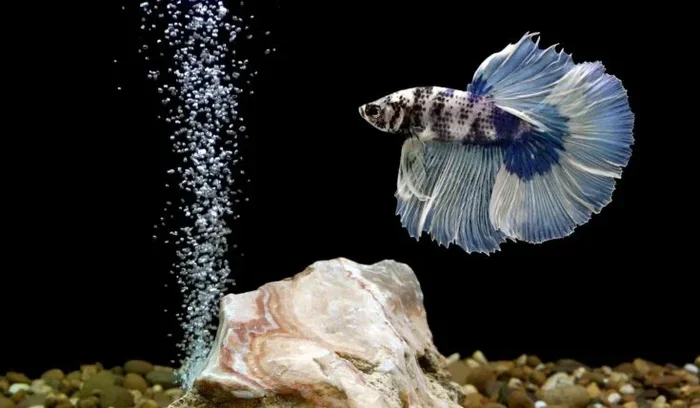
Can a Betta Fish Live with No Air Pump
Betta fish can survive without an air pump, but they still need proper water flow and oxygen. Using a lid, live plants, or a gentle filter can replace an air stone, ensuring your betta stays vibrant and stress‑free.
Key Takeaways
- Betta’s natural breathing: They have a labyrinth organ that lets them gulp air from the surface.
- Oxygen still matters: Warm water holds less oxygen, so extra flow or plants are important.
- Filtration vs. aeration: A low‑flow filter can provide both cleaning and oxygenation.
- Tank size counts: A minimum of 2‑5 gallons gives enough surface area for gas exchange.
- When to add a pump: If you notice lethargy, gasping, or algae blooms, consider an air pump.
- Alternative oxygen sources: Live plants, surface skimmers, and regular water changes help.
- Safety first: Any equipment must have a gentle flow; bettas dislike strong currents.
📑 Table of Contents
Introduction: The Betta’s Unique Breath
Betta fish, often called Siamese fighting fish, are famous for their vibrant fins and feisty personality. One of the reasons they’re popular with beginners is the belief that they can live in tiny bowls without any equipment. While it’s true that bettas have a special organ called a labyrinth that lets them breathe air directly from the surface, this does not mean they thrive without any assistance.
In this article we’ll explore exactly how a betta can live with no air pump, what you need to watch out for, and the best low‑maintenance alternatives that keep the water healthy and oxygen‑rich. By the end, you’ll know whether you can skip the pump safely or if you should add a subtle helper to your tank.
How Betta Fish Get Their Oxygen
The Labyrinth Organ
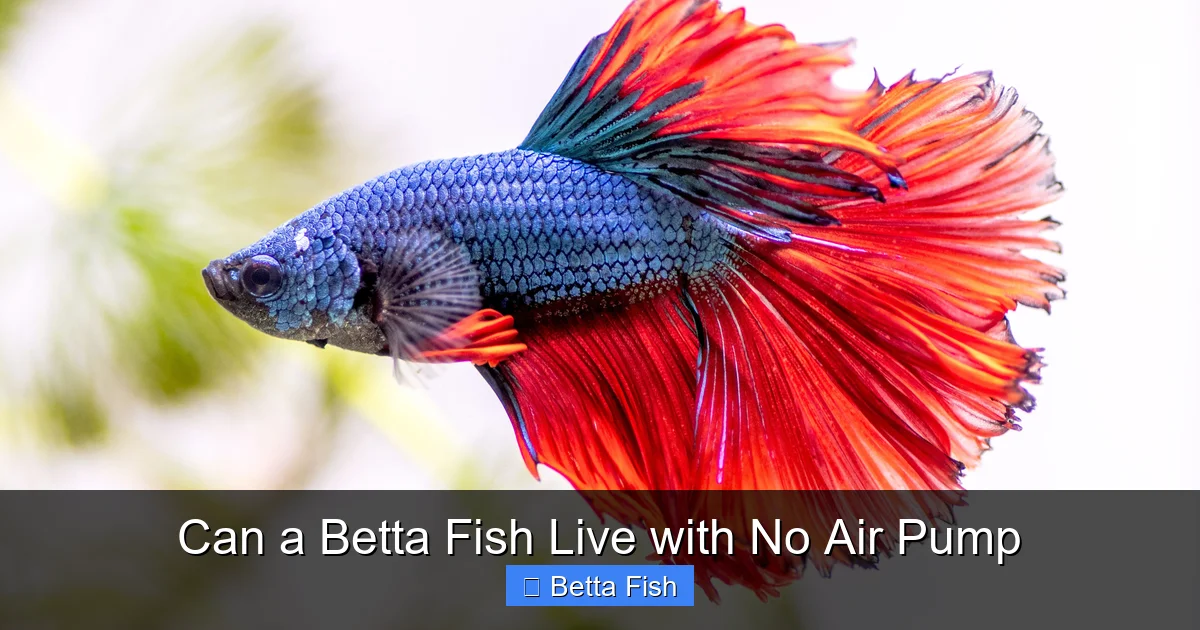
The labyrinth organ is a maze‑like structure located near the gills. It allows bettas to gulp atmospheric air and extract oxygen, a trait shared with many tropical fish that inhabit low‑oxygen waters. This is why you’ll often see a betta flaring its mouth at the water’s surface.
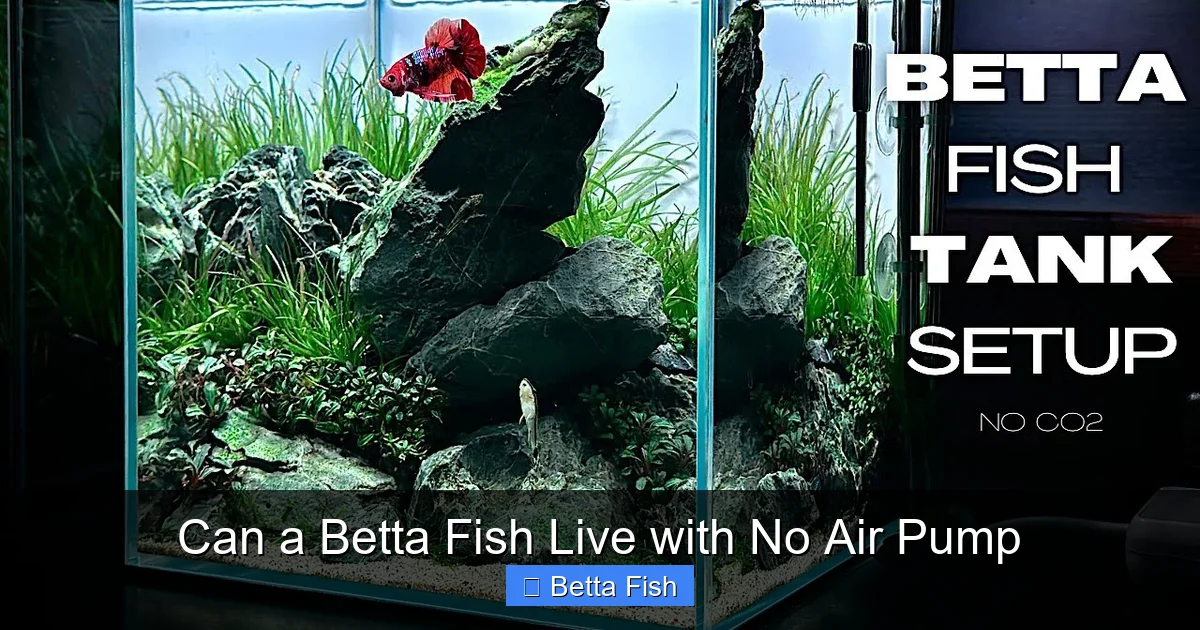
Visual guide about Can a Betta Fish Live with No Air Pump
Image source: i.ytimg.com
Gills Still Play a Role
Even with a labyrinth organ, bettas still use their gills to extract dissolved oxygen from the water. In warm, still water, oxygen levels drop quickly, so relying solely on surface breathing can stress the fish.
Why Warm Water Reduces Oxygen
- Warmer water holds less dissolved oxygen.
- Stagnant water limits gas exchange at the surface.
- Over‑feeding and waste buildup consume oxygen.
Understanding these factors helps you decide when an air pump (or a substitute) is truly needed.
Can You Skip the Air Pump? The Core Requirements
Tank Size and Shape
A 2‑5‑gallon tank with a wide surface area is the minimum. More surface means more natural gas exchange. A tall, narrow bowl reduces the surface, making it harder for the betta to get enough oxygen.
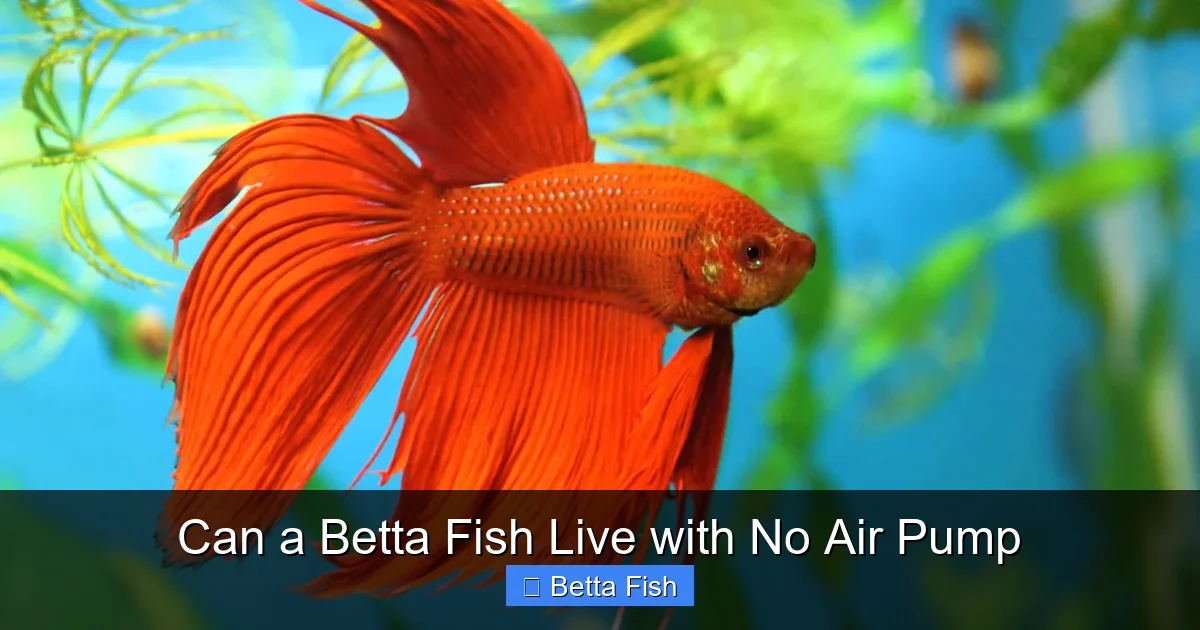
Visual guide about Can a Betta Fish Live with No Air Pump
Image source: aquariadise.com
Surface Area Is King
Even without a pump, a calm surface allows the betta to gulp air. Avoid heavy lids that trap air; a mesh cover works best.
Water Quality Must Be Spot‑On
Good filtration removes ammonia and nitrite, which otherwise consume oxygen. A gentle sponge filter can run without a bubble stone and still keep the water clean.
Temperature Control
Keep the water between 76°F and 82°F (24‑28°C). Higher temps lower oxygen levels dramatically.
When a Pump Becomes Necessary
- Frequent gasping at the surface.
- Lethargic swimming or loss of color.
- Algae overgrowth indicating low oxygen.
Low‑Maintenance Alternatives to an Air Pump
Live Plants
Plants like Anubias, Java fern, and hornwort photosynthesize, releasing oxygen during daylight. They also absorb carbon dioxide, improving overall water chemistry.
Visual guide about Can a Betta Fish Live with No Air Pump
Image source: thesprucepets.com
Gentle Sponge Filters
A sponge filter attached to an offline air stone creates a subtle flow while providing biological filtration. The water movement is mild enough for a betta’s delicate fins.
Surface Skimmers
These devices pull a thin layer of water from the surface, increasing gas exchange without creating a strong current.
Regular Water Changes
Changing 25‑30% of the water weekly refreshes oxygen levels and removes waste. Use dechlorinated water at the same temperature to avoid shock.
Adding a Small Bubble Stone
If you decide a pump is needed, choose a low‑flow air stone placed at one corner. It creates tiny bubbles that dissolve slowly, adding oxygen without a turbulent flow.
Practical Setup Guide: No‑Pump Betta Tank
Step‑by‑Step Checklist
- Choose the right container: 5‑gallon glass or acrylic tank with a wide top.
- Rinse and condition the substrate: Use fine gravel or sand; rinse thoroughly.
- Install a gentle filter: A sponge filter or a low‑flow hang‑on filter works well.
- Add live plants: Plant 2‑3 varieties for oxygen and hiding spots.
- Set up a heater: Keep temperature steady at 78°F (25.5°C).
- Condition tap water: Use a water conditioner to remove chlorine and chloramine.
- Acclimate your betta: Float the bag for 15 minutes, then slowly mix tank water into the bag before releasing.
- Monitor daily: Watch for surface breathing, color changes, and water clarity.
Maintenance Routine
- Weekly 25% water change.
- Trim plant leaves to prevent decay.
- Check filter media; rinse in tank water, not tap.
- Test ammonia, nitrite, nitrate every two weeks.
When to Upgrade: Signs It’s Time for an Air Pump
Behavioral Red Flags
If your betta spends most of the day gasping at the surface, it’s a clear sign the water lacks oxygen.
Water Chemistry Clues
Rising nitrate levels (>40 ppm) often indicate poor circulation and low oxygen. A simple test kit will reveal this quickly.
Tank Overcrowding
Adding snails, shrimp, or a peaceful companion fish increases the bioload. In such cases, a modest air pump helps keep the ecosystem balanced.
Helpful Resources
For more on compatible tank mates, see our guide on What Fish Can Live With A Betta. If you’re curious about mixing bettas with goldfish, read Can a Betta Fish Live With Goldfish. And for a deeper dive into filtration options, check out Does a Betta Fish Need an Air Pump.
Conclusion: Balance Is the Key
Yes, a betta fish can live without an air pump, but only if you provide a well‑filtered, adequately sized tank with plenty of surface area, live plants, and regular maintenance. The labyrinth organ is a fantastic adaptation, yet it does not replace the benefits of good water flow and oxygenation. By following the steps above and staying attentive to your fish’s behavior, you can enjoy a thriving betta without the hum of a pump—though having a low‑flow option on hand is a smart safety net.
Frequently Asked Questions
Do betta fish need an air pump?
They don’t strictly need one because of their labyrinth organ, but an air pump or alternative oxygen source greatly improves water quality and reduces stress.
Can I keep a betta in a bowl without any filtration?
It’s possible for a short time, but a bowl offers limited surface area and no water cleaning, leading to rapid waste buildup and low oxygen.
How often should I change the water in a no‑pump betta tank?
Replace 25‑30% of the water weekly to keep oxygen levels high and remove toxins.
Will live plants replace an air pump completely?
Plants add oxygen during daylight, but they don’t provide water movement. Pair them with a gentle filter for the best results.
What temperature is safe for a betta without a pump?
Maintain 76‑82°F (24‑28°C). Higher temperatures lower dissolved oxygen, making a pump more necessary.
Can I add small shrimp or snails to a no‑pump betta tank?
Yes, but only a few, low‑bioload species. Monitor oxygen levels closely and be ready to add a mild aeration device if needed.